Four Countries, One Initiative
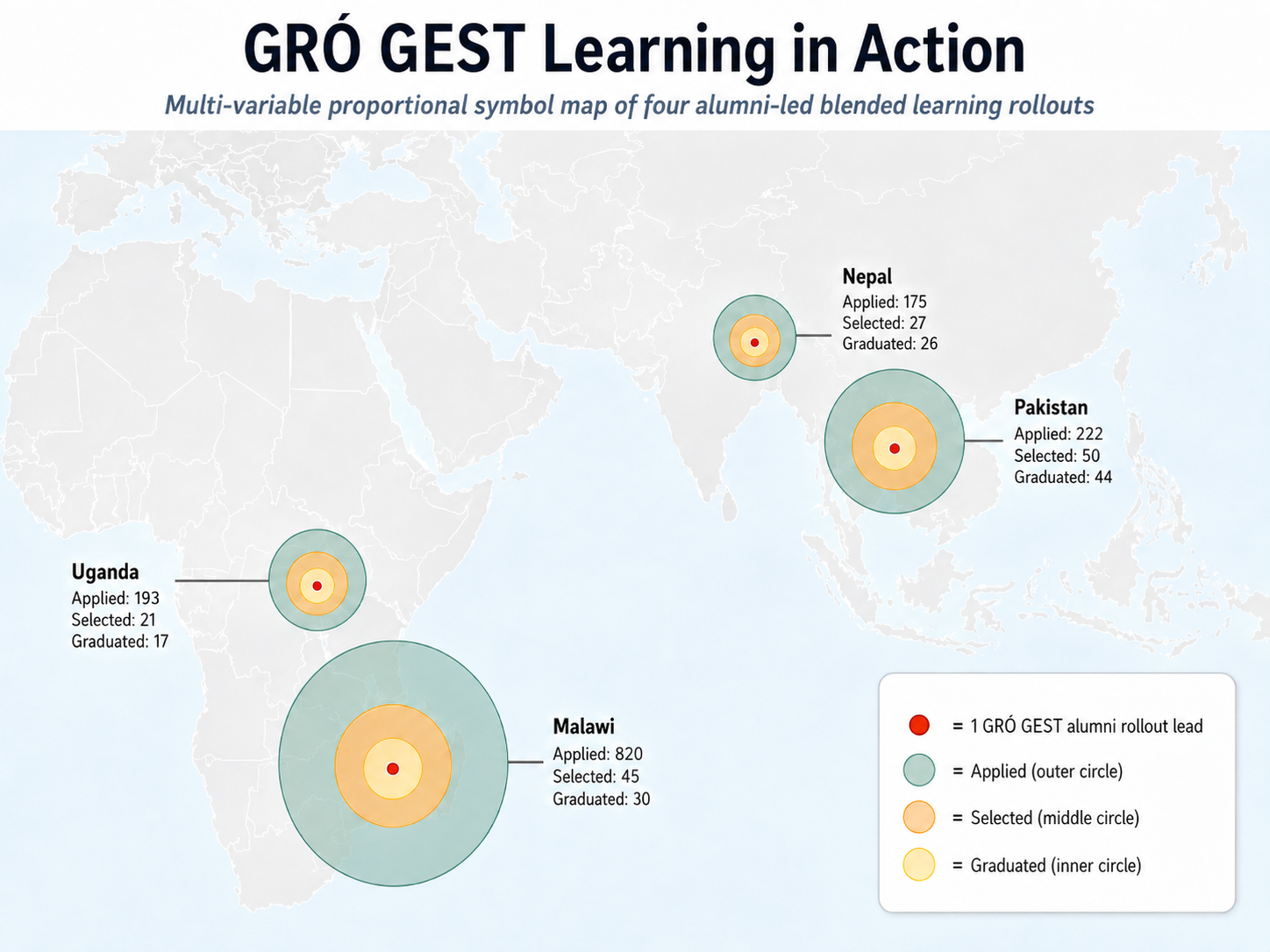
Between January and April 2026, the GRÓ GEST supported four alumni-led blended learning rollouts in Uganda, Pakistan, Malawi and Nepal. Together, these initiatives marked an important step in the development of GRÓ GEST’s blended learning model: a cost-effective, locally grounded and alumni-driven approach to capacity development in gender equality.
Across the four countries, 1,409 people applied to take part. From this large pool of applicants, 143 participants were selected, and 117 learners graduated with joint GRÓ GEST certificates of completion, issued together with the local collaborating organisations. Of the graduates, 70 were women, 41 were men, and 6 identified as non-binary or other.
The four rollouts were separate initiatives, each designed around a specific national context and thematic focus, but they were also part of one shared GRÓ GEST blended learning programme. Each combined structured online learning through GRÓ GEST Massive Open Online Courses (MOOCs) with in-person learning, discussion, reflection and applied work led by GRÓ GEST alumni and their organisations. The result was a single initiative with four distinct local expressions: gender and development in Uganda, masculinities in Pakistan, technology-facilitated gender-based violence in Malawi, and gender, violence and post-conflict justice in Nepal.
The blended learning model has developed from earlier collaborations, including GRÓ GEST’s work with the MenEngage Africa Training Institute in Nairobi in 2024. Since then, GRÓ GEST alumni have taken the model forward by adapting GRÓ GEST online courses to meet the needs of learners, organisations and communities in their own countries. In 2026, this approach became more systematic, with four alumni-led rollouts supported as part of the same programme.
“What we are seeing through these blended learning rollouts is that GRÓ GEST’s online courses are becoming practical tools for alumni leadership and local capacity development,” says Dr Thomas Brorsen Smidt, Senior Programme Manager at GRÓ GEST. “The model allows us to reach new groups in a cost-effective and sustainable way, while placing agency with alumni who know their own contexts, institutions and communities. This is exactly the kind of long-term impact that our Theory of Change and alumni strategy are designed to support.”
Alumni-led learning across four countries
The 2026 blended learning rollouts were led by GRÓ GEST alumni Dorcus Asiimwe in Uganda, Sarmad M. Soomar in Pakistan, Thelma Aretha Kaliu in Malawi, and Swechhya Rajbhandary in Nepal. Each alumnus adapted a GRÓ GEST online course to a specific national setting, working with local institutions and facilitators to create a learning experience that combined global academic frameworks with local knowledge and practice.
In all four countries, the online component gave participants a shared conceptual foundation. The in-person components then created space for facilitated dialogue, group work, applied exercises, guest lectures, networking, action planning and final presentations. This structure allowed participants to move from theory to practice, while also enabling alumni and partner organisations to shape the learning process around issues that were urgent and locally relevant.
For GRÓ GEST, the initiative demonstrates how investment in digital learning can extend far beyond individual online course completion. The MOOCs became the foundation for locally led capacity development, while alumni became the key actors translating course content into practice.
Uganda: Gender and Development in Contemporary Societies
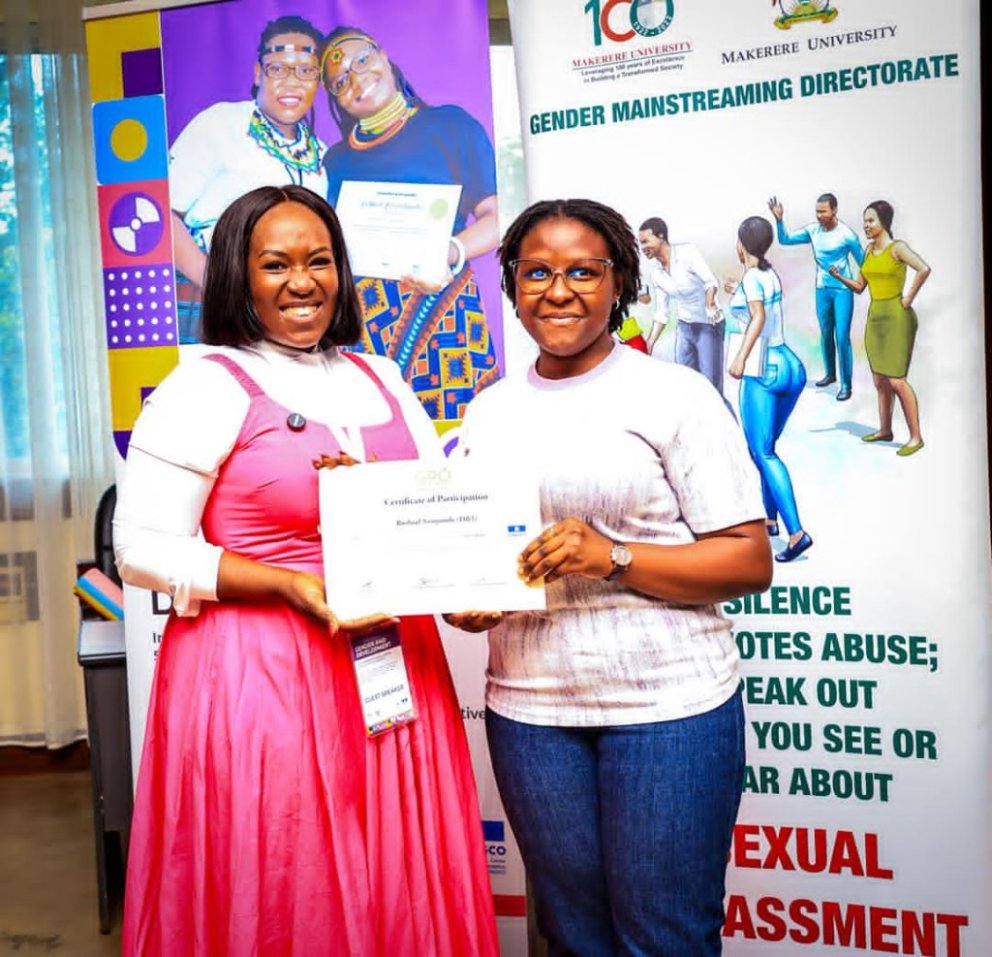
The Uganda rollout, led by GRÓ GEST alumna Dorcus Asiimwe and Michigan Fellows Africa Initiatives (MFAI), took place in collaboration with Makerere University in Kampala. The training, titled Gender and Development in Contemporary Societies: A Hybrid Seminar for Youth in Uganda, used GRÓ GEST’s Gender and Development MOOC as its online foundation.
Participants first engaged with the edX course material individually and then joined regular online sessions with peers from across Uganda. The virtual sessions included guest lectures by GRÓ GEST alumni, University of Iceland staff, Makerere University scholars, Michigan State University representatives and experts from several African countries. The training used Ubuntu thought pedagogies to encourage collaboration, shared reflection and applied learning.
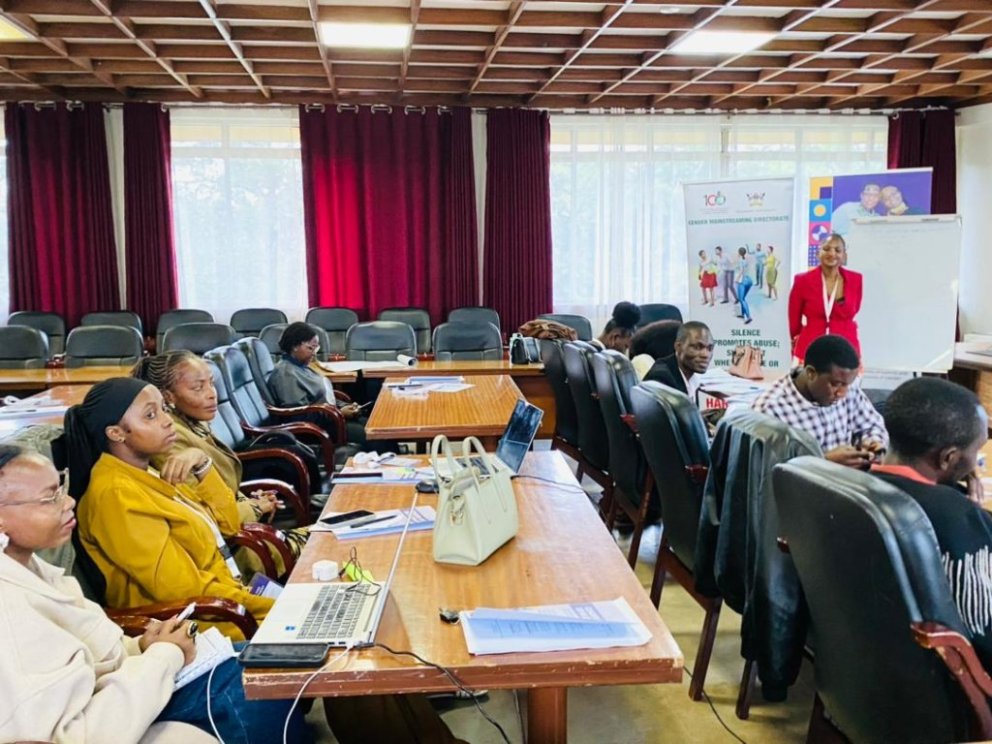
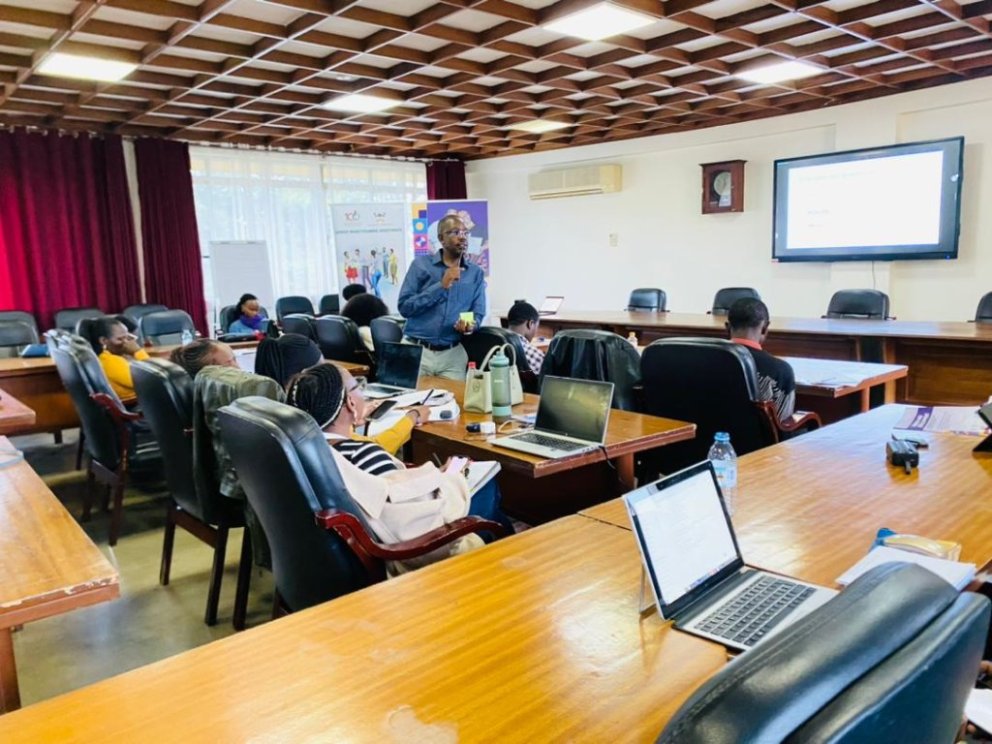
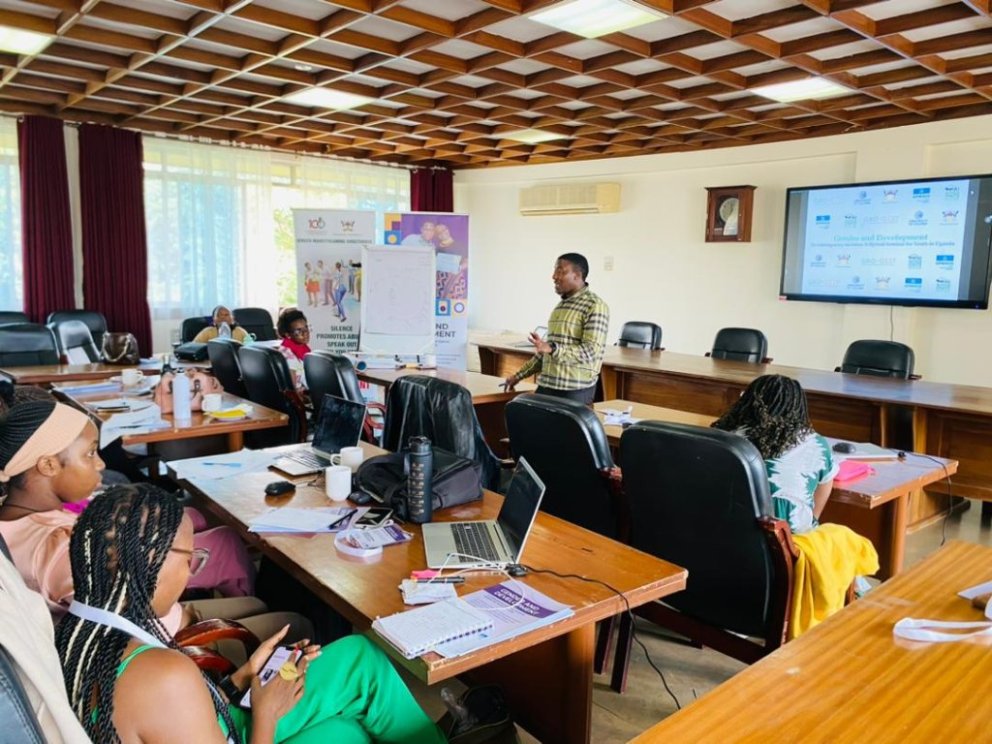
The in-person week at Makerere University included seminars, group work, poster preparation and an outreach activity at Uganda Youth Development Link (UYDEL), an organisation recommended by the Embassy of Iceland in Uganda. Participants presented capstone projects in the form of poster presentations at the end of the training, with the closing ceremony attended by representatives from the Embassy of Iceland, Makerere University, GRÓ GEST alumni, MFAI alumni and university staff.
The Uganda rollout also demonstrated the importance of flexible planning in blended learning. During the online phase, the team had anticipated possible disruptions during the national election period and prepared a contingency plan. When internet access and mobile-money transfers were disrupted, the team adjusted the schedule and later reimbursed participants during the in-person component. These challenges highlighted both the realities of digital learning in politically and technologically unstable contexts and the value of strong local coordination.
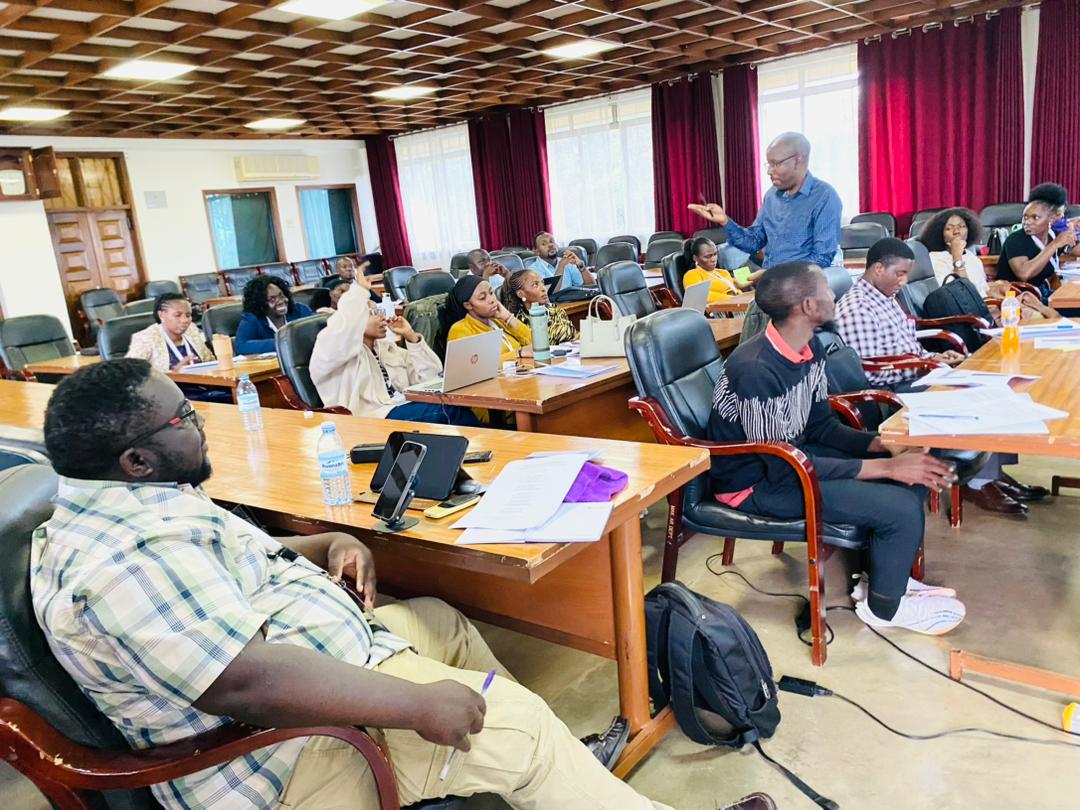
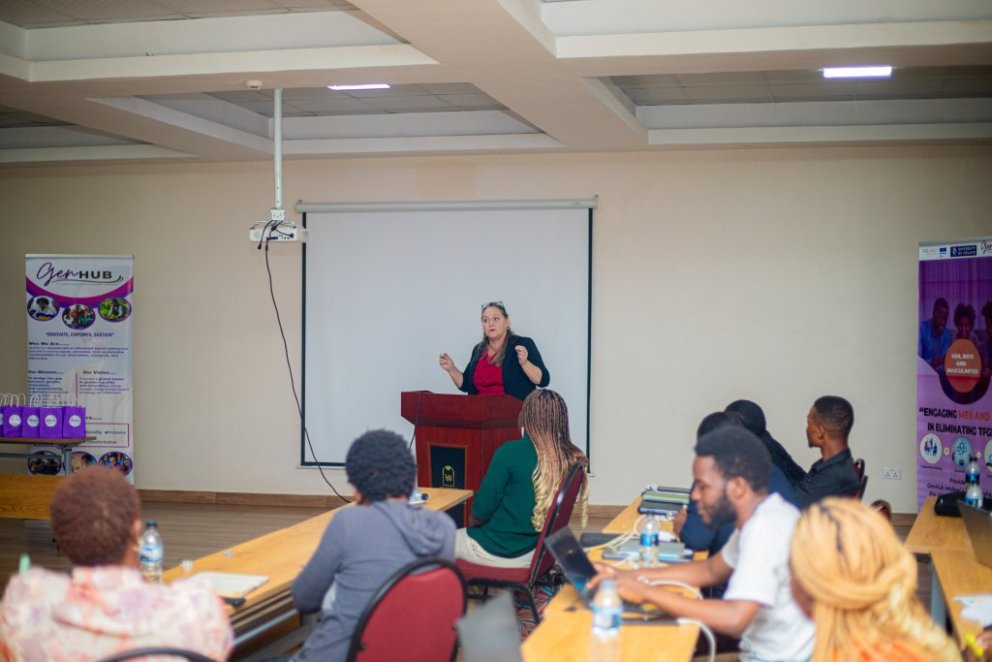
In-person training session at Makerere University
Pakistan: Masculinities Against Rigid Definitions
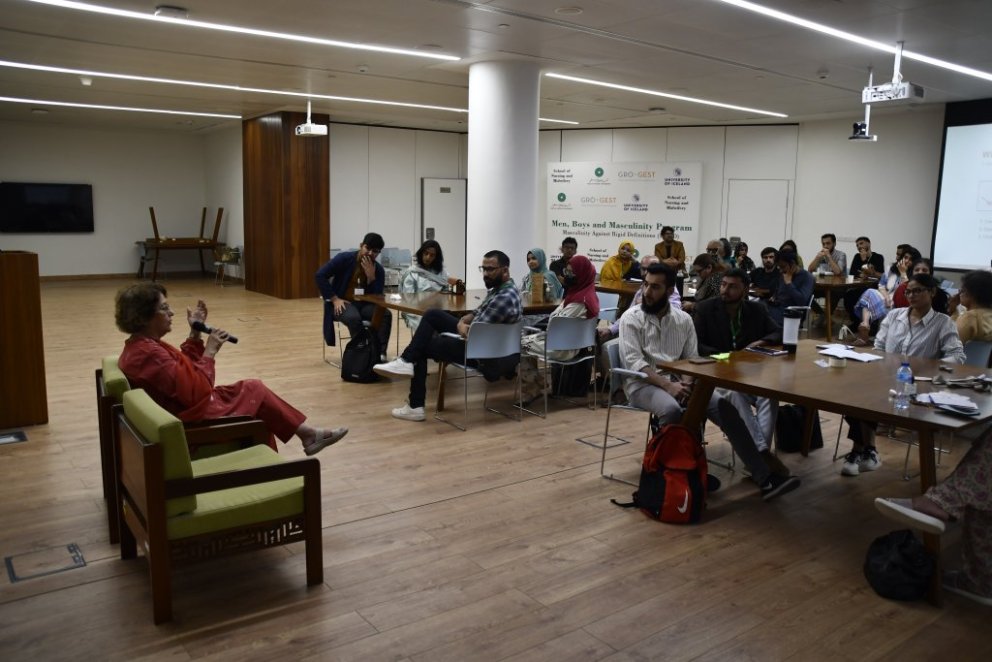
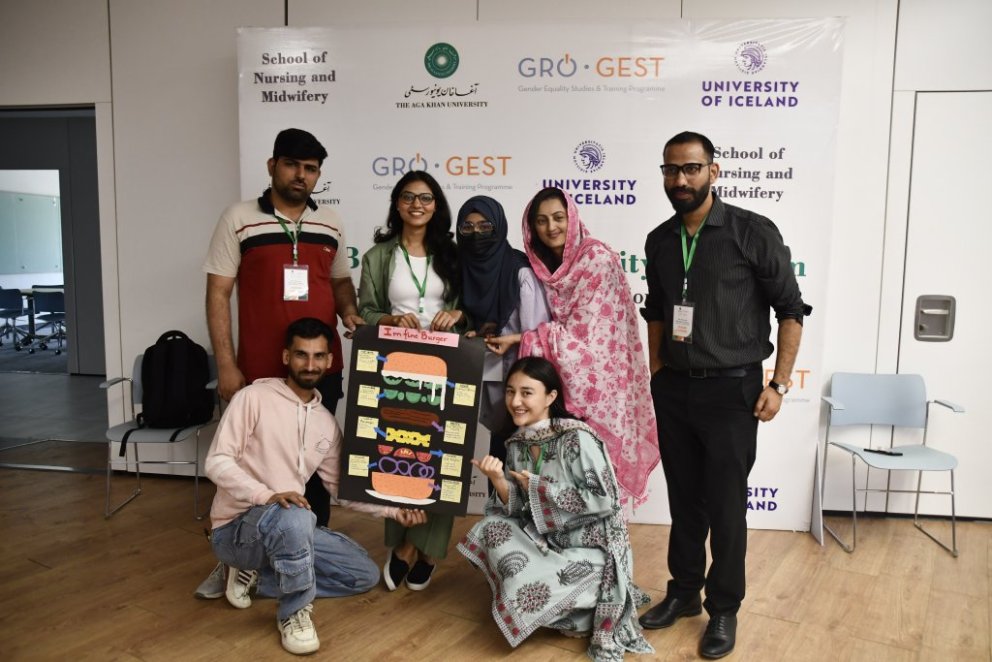
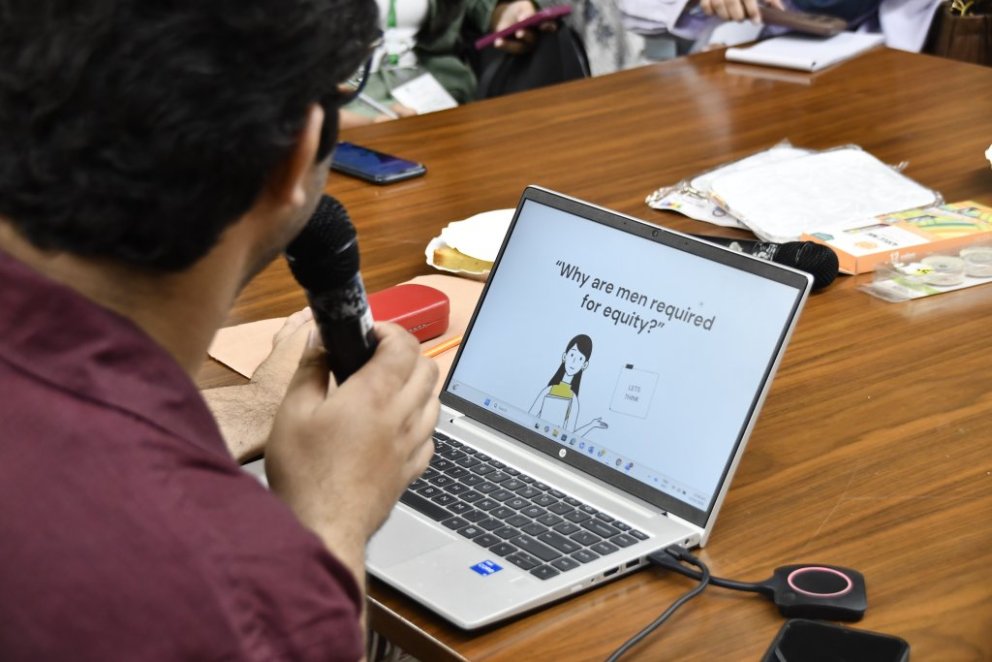
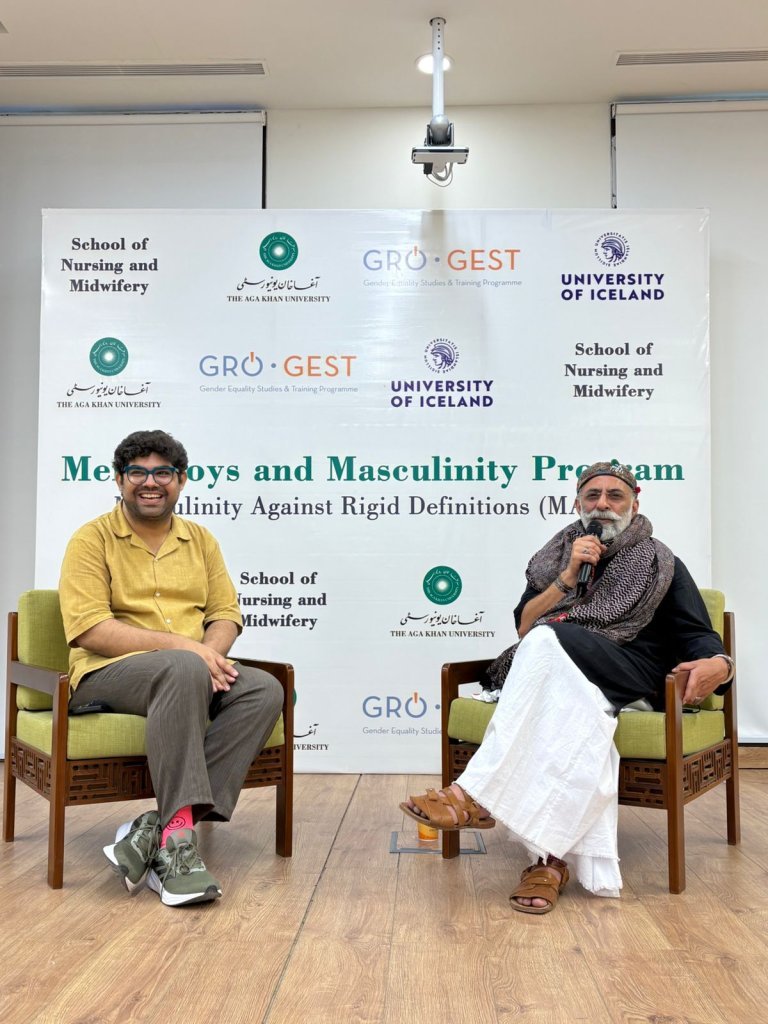
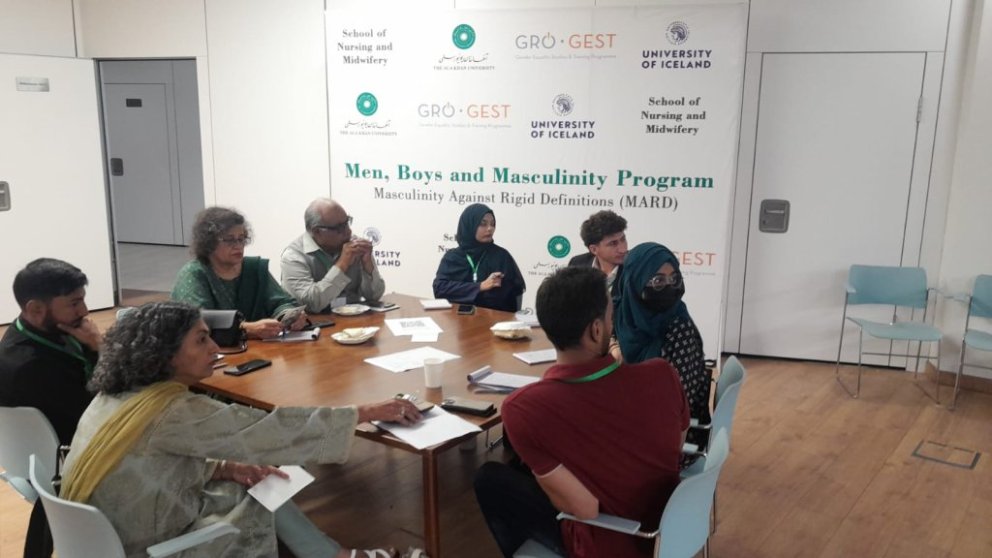
In Pakistan, GRÓ GEST alumnus Sarmad M. Soomar led the Masculinities Against Rigid Definitions (MARD) training in collaboration with the Aga Khan University School of Nursing and Midwifery in Karachi. The initiative built on GRÓ GEST’s Men, Boys and Masculinities MOOC and focused on masculinities, gender equality, leadership and social change.
Participants came from a wide range of professional and educational backgrounds, including school education, higher education, healthcare, social sciences, arts and humanities, gender studies, community organisations, youth-led initiatives and the corporate sector. This diversity created a strong basis for dialogue across sectors and experiences.
During the online phase, participants worked through the Men, Boys and Masculinities MOOC, engaging with themes such as theories of masculinities, boys and education, masculinity and media, peace, politics and environmental justice. They were supported through structured email communication and WhatsApp discussions, which helped maintain engagement and continuity between the online and in-person phases.
The in-person component translated the online learning into practical reflection and leadership development. Participants explored gendered dynamics in education and health, intersectionality and men’s lived experiences, emotional wellbeing and resilience, authority, religion and conflict, and the role of men in community advocacy. Sessions included participatory activities, group work, large-group discussions, panels, expert-led dialogues, zine-making and framework-building tasks.
One of the key lessons from the Pakistan rollout was the importance of creating safe and respectful learning environments when working with sensitive issues such as masculinities, gender norms, identity and social change. Participants brought different values, beliefs and professional experiences into the room. Rather than avoiding these differences, the training used structured facilitation to make dialogue possible across disagreement and discomfort.
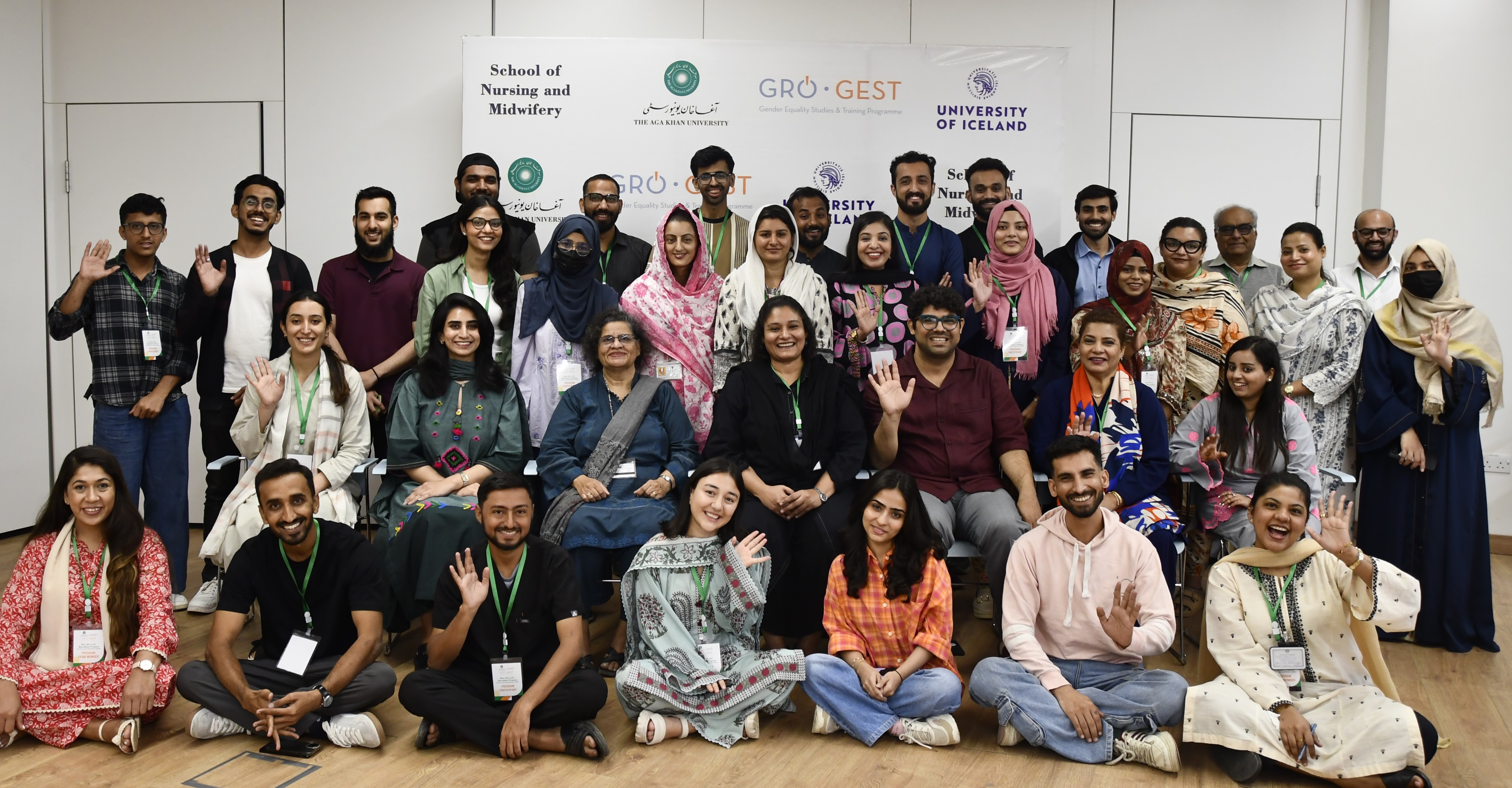
Graduating class from the MARD programme at Aga-Khan University, Pakistan.
Malawi: Pathways to Eliminating Technology-Facilitated Gender-Based Violence
In Malawi, GRÓ GEST alumna Thelma Aretha Kaliu led the training Human Rights, Law, Masculinities, and Technology: Pathways to Eliminating Technology-Facilitated Gender-Based Violence in Malawi through GenHub Malawi. The initiative used GRÓ GEST’s Men, Boys and Masculinities MOOC as a foundation for examining how masculinities are expressed and reproduced in digital spaces.
The training focused on technology-facilitated gender-based violence (TFGBV), harmful masculinities, gendered power relations, online abuse, human rights, legal frameworks and digital safety. Participants included representatives from civil society organisations, youth leadership, women’s rights organisations, technology and developer communities, government stakeholders and young professionals.
During the online phase, participants completed the Men, Boys and Masculinities MOOC, supported by structured follow-ups, weekly check-ins, WhatsApp engagement and peer accountability mechanisms. GenHub Malawi also introduced reflection sessions that connected the global course material to current Malawian digital realities, including online narratives around relationships, ownership, status, control and gendered power.
The in-person component focused on turning learning into practical action. Participants explored Malawi’s legal and policy frameworks related to GBV and cyber safety, examined masculinities in digital spaces, and worked in groups to co-create practical responses to TFGBV.
A central outcome of the Malawi rollout was the development of four integrated roadmaps: research and policy influence on TFGBV in Malawi; legal and policy reform, including advocacy for a dedicated TFGBV legal framework; development of Umodzi, a survivor-centred digital platform for reporting and support; and community initiatives focused on prevention, digital literacy and transformation of harmful masculinities.
The training also included alliance-building activities that brought participants into conversation with organisations and actors working on gender equality, human rights, GBV prevention and digital safety. At the same time, implementation was affected by economic instability, rising costs and electricity disruptions, which created challenges for planning and online participation. These difficulties reinforced the importance of realistic budgeting, flexible planning and local knowledge in blended learning design.
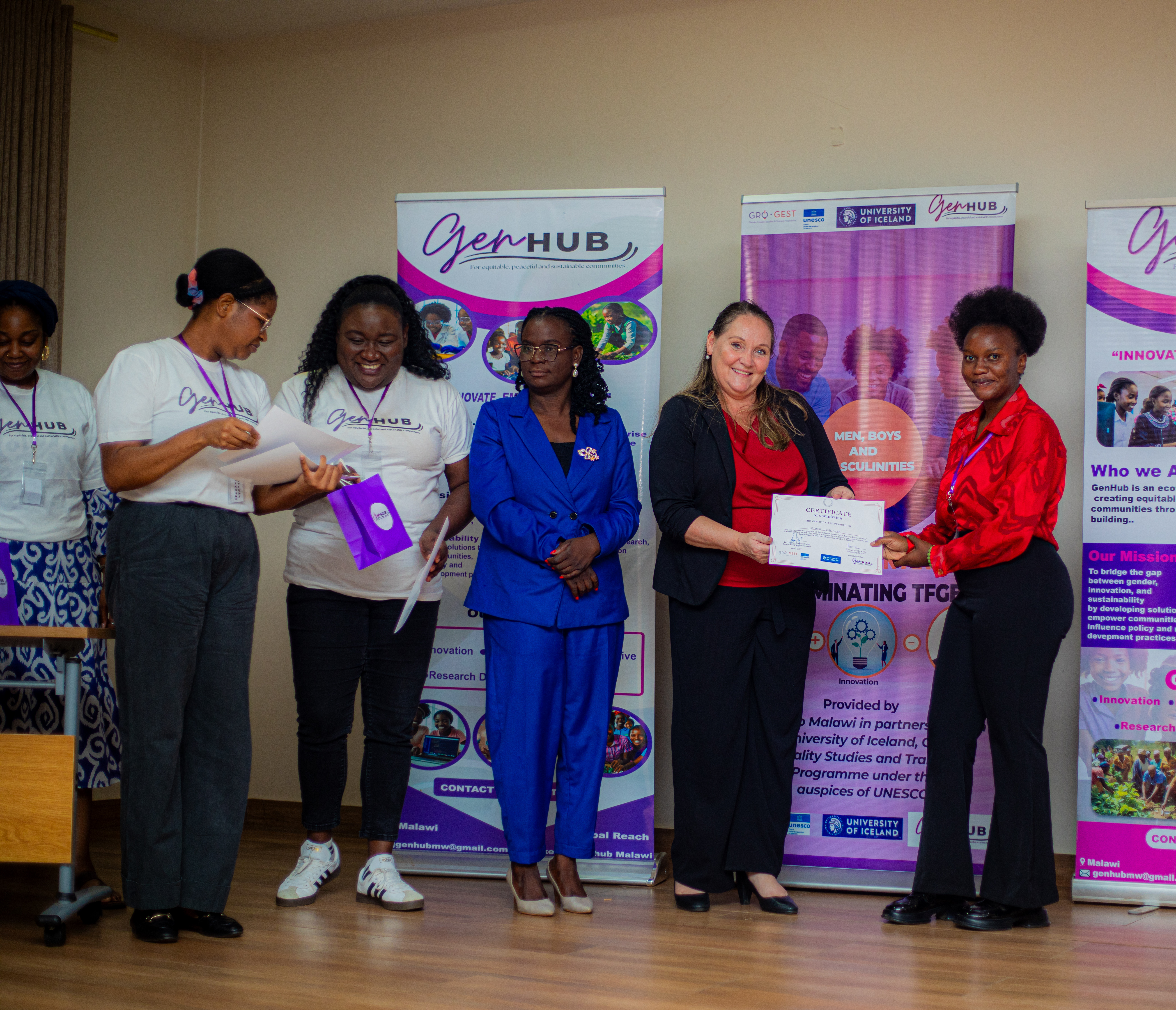
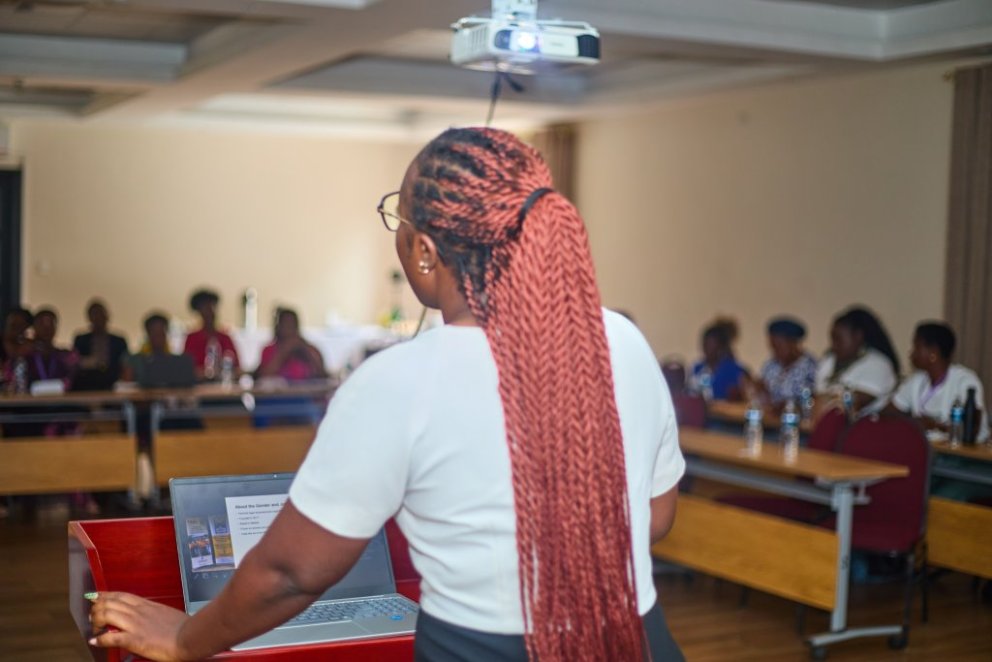
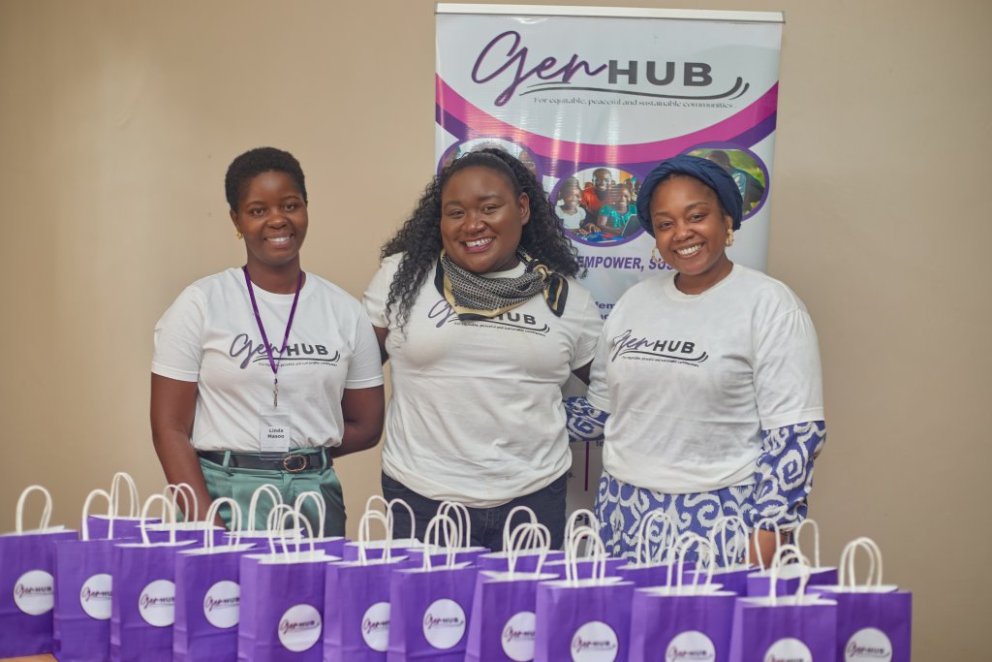
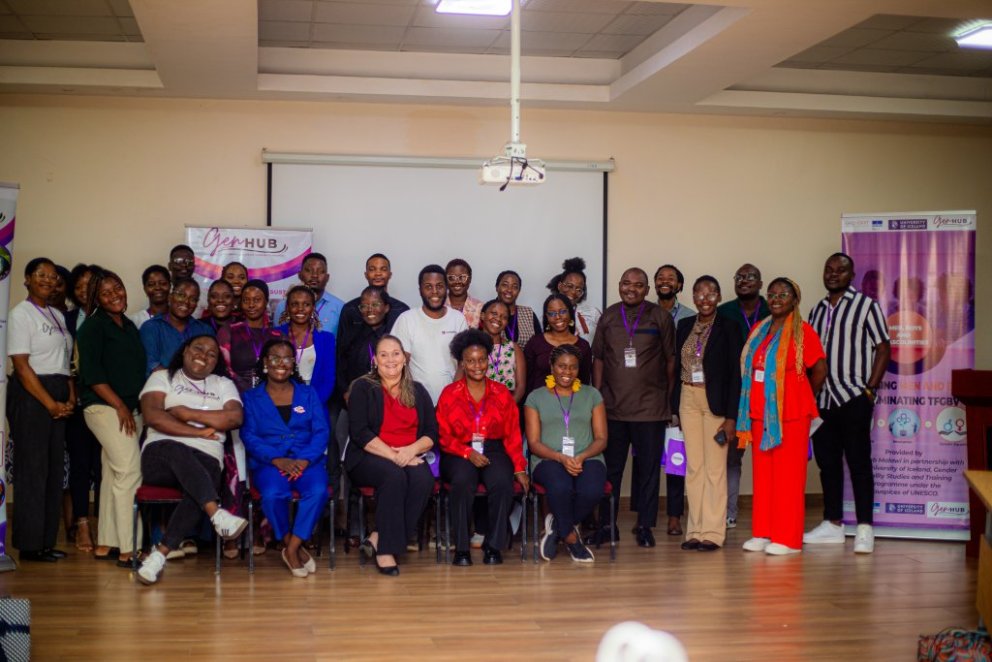
Graduation cermony hosted by GENHUB with participation by Erla Hlín Hjálmarsdóttir of the Embassy of Iceland, Lilongwe
Nepal: Gender, Violence and Post-Conflict States
In Nepal, GRÓ GEST alumna Swechhya Rajbhandary and Nepal Communiversity implemented the Gender, Violence and Post-Conflict States hybrid short course in Kathmandu. The course used GRÓ GEST learning materials on gender, violence and post-conflict states, adapting them to Nepal’s post-conflict context and current social and political realities.
The course examined the gendered dimensions of violence and justice in Nepal’s post-conflict context. It explored how patriarchy, caste, class, ableism, political centralisation and geographic marginalisation shape experiences of violence and access to justice. Participants came from diverse professional backgrounds, including civil society, government, law, education, journalism, health and social services, psychosocial counselling, the arts, private sector work and student communities.
The programme combined self-paced online study with mentor-led discussions, guest lectures, documentary screening, case studies, interactive exercises and action planning. Weekly mentor groups were facilitated by GRÓ GEST alumni and the Nepal Communiversity team, creating structured spaces for participants to process course content and connect it to their own professional and organisational contexts.
The in-person sessions included work on intersectional identities, self-advocacy, social movements in Nepal, dominant and counter-narratives, digital violence in post-conflict contexts, victim-centred approaches, and the functioning and limitations of transitional justice processes. A screening of the documentary Devi and discussion with filmmaker Subina Shrestha provided a powerful entry point for reflecting on conflict, memory, sexual violence and justice.
The key tangible outcome was the development of individual organisational commitment action plans. Each participant designed a practical initiative that could be implemented within their organisation, movement or professional setting. The process also strengthened networks among people working across civil society, academia, governance, legal and psychosocial services, and social justice movements.
As in the other rollouts, challenges were part of the learning process. Many participants were working professionals, students or both, which made full attendance and timely assignment submission difficult. The team responded by allowing limited absence, using mentor groups to sustain engagement, and simplifying the final output from both personal and group plans to individual action plans. This adjustment made the final work more manageable while preserving the applied focus of the course.
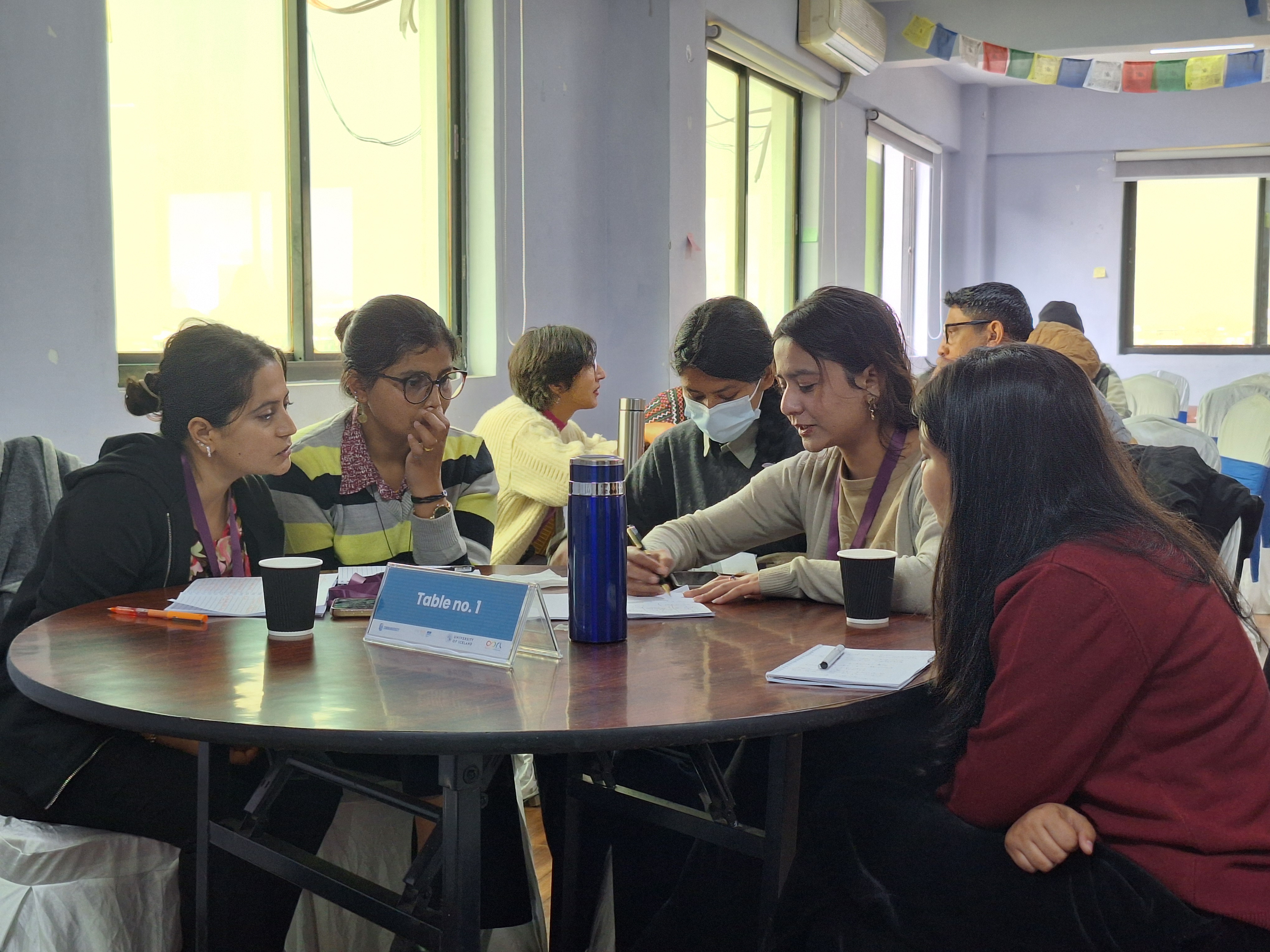
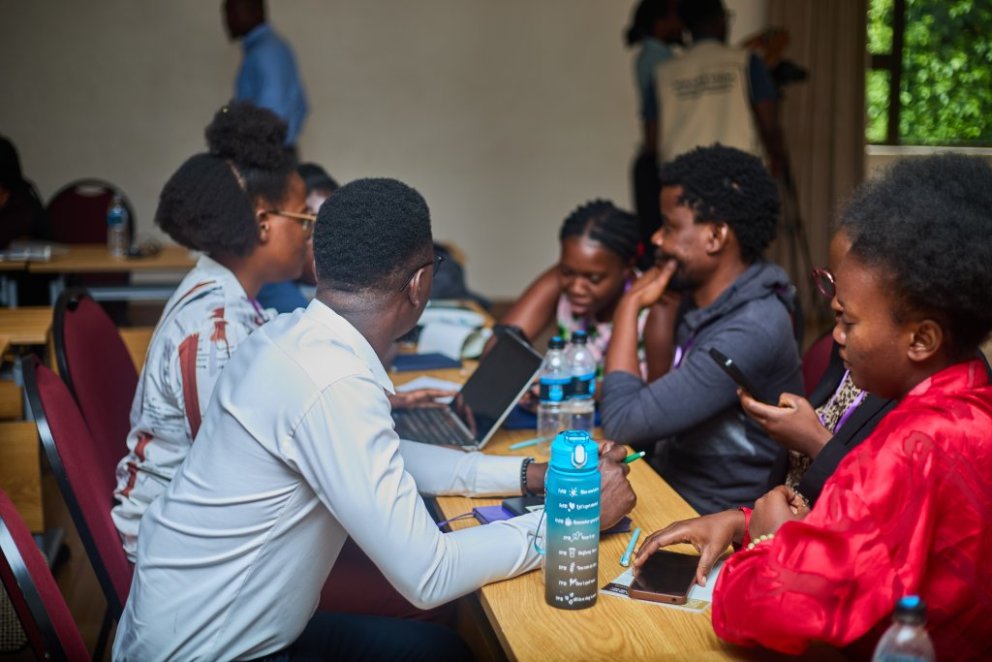
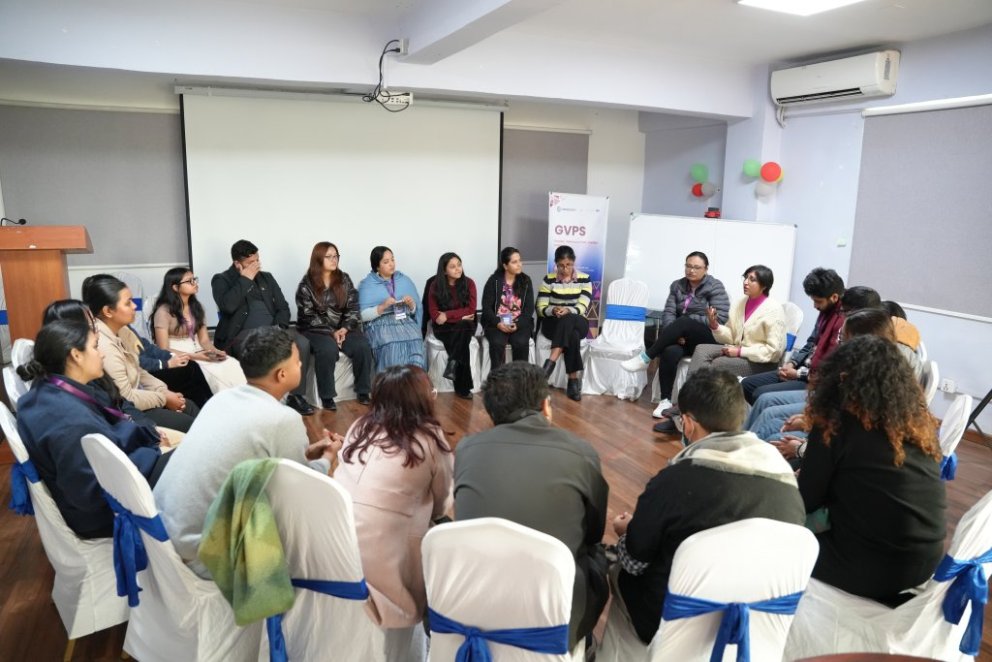
A group work session at Communiversity, Nepal
Strong learner engagement and constructive feedback
Across the four countries, anonymous self-assessment survey responses from 88 learners indicate that participants experienced the blended learning rollouts as highly relevant, engaging and useful. Learners highlighted the value of interactive discussions, locally grounded examples, peer learning, group work and the opportunity to connect online course concepts to their own professional and community contexts.
Participants also reported increased confidence in applying what they had learned. Many emphasised that the combination of online learning and in-person reflection helped them move from theoretical understanding to practical action. This was visible in the concrete outputs produced across the four rollouts: capstone posters in Uganda, action plans in Nepal, leadership and advocacy reflections in Pakistan, and integrated roadmaps for responding to TFGBV in Malawi.
At the same time, the survey responses and final reports point to areas for continued improvement. Participants noted the need for careful pacing of online learning, more time for discussion and practical exercises, accessible course navigation, and continued attention to local case studies and examples. These reflections are important for GRÓ GEST as the blended learning model continues to develop. They show that the model is working, while also identifying how future rollouts can be made even stronger.
A strategic model for future capacity development
The 2026 blended learning rollouts show how GRÓ GEST’s digital learning materials can become tools for locally led, contextually grounded capacity development. By combining MOOCs with alumni leadership and in-person engagement, the model reaches new target groups without relying on international travel or short-term external experts. It is cost-effective, environmentally more sustainable, and strongly aligned with GRÓ GEST’s Theory of Change and alumni strategy.
The initiative also strengthens institutional partnerships. In 2026, GRÓ GEST worked through alumni and partner organisations including Michigan Fellows Africa Initiatives and Makerere University in Uganda, Aga Khan University School of Nursing and Midwifery in Pakistan, GenHub Malawi, and Nepal Communiversity. Each organisation brought local credibility, networks and contextual knowledge, while GRÓ GEST contributed academic content, coordination and certification.
Just as importantly, the rollouts gave alumni agency. Rather than positioning alumni only as former fellows, the blended learning model recognises them as educators, organisers, facilitators and institutional bridge-builders. Their leadership is what made it possible to adapt GRÓ GEST courses to urgent issues in their own countries: youth and gender-responsive development in Uganda; masculinities and social change in Pakistan; technology-facilitated gender-based violence in Malawi; and gender justice in post-conflict Nepal.
GRÓ GEST extends its sincere congratulations to all 117 graduates across Uganda, Pakistan, Malawi and Nepal. GRÓ GEST also thanks Dorcus Asiimwe, Sarmad M. Soomar, Thelma Aretha Kaliu and Swechhya Rajbhandary for their leadership, and expresses its appreciation to Michigan Fellows Africa Initiatives, Makerere University, Aga Khan University School of Nursing and Midwifery, GenHub Malawi and Nepal Communiversity for their partnership.
Building on the success of the 2026 rollouts, GRÓ GEST will continue to develop alumni-led blended learning as a strategic model for future capacity development. The experience from Uganda, Pakistan, Malawi and Nepal demonstrates that online courses can do much more than deliver knowledge at a distance. When placed in the hands of committed alumni and grounded in local partnerships, they can become platforms for dialogue, leadership, collaboration and social change.