
March 8 Fund supports intersex people in Kenya
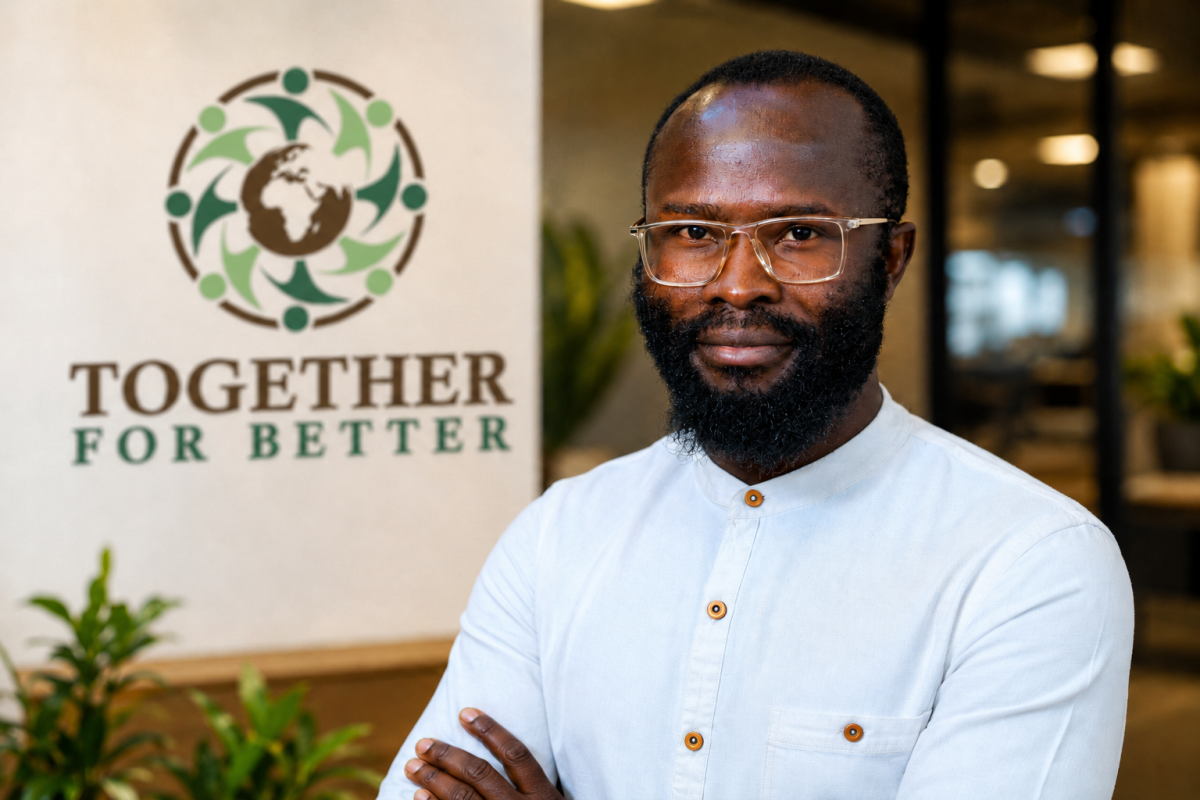
The GRÓ Gender Equality Studies and Training Programme is pleased to announce that the 2026 March 8 Fund has been awarded to Linus Odhiambo, GRÓ GEST alumnus of 2024, for the project Be.SEEN — Visible, Safe, Counted. The project will be implemented by Together for Better Foundation in partnership with IPSK — Intersex Persons Society of Kenya, KELIN, KNCHR, and GALCK+.
Be.SEEN will run from September 2026 to February 2027 in Nairobi and Kiambu Counties, Kenya. The total project budget is €14,300, of which €10,000 will be provided through the March 8 Fund.
The project responds to a timely and urgent moment for intersex rights in Kenya. Kenya has an estimated 1.5 million intersex people, yet many continue to face barriers to legal recognition, healthcare, education, employment, and protection from discrimination. In February 2025, Kenya officially acknowledged intersex individuals within its birth registration process. At the same time, the Intersex Persons Bill 2024 is before Parliament, opening an important window for advancing legal recognition, bodily autonomy, and access to services.
“Be.SEEN is about ensuring that intersex people are not only recognised in law, but supported in practice. Legal reform matters, but it must be accompanied by safe spaces, trusted referral pathways, and community-led evidence that reflects the realities intersex people and their families live with every day. Through this project, we hope to strengthen both immediate support and long-term advocacy for dignity, recognition, and rights.” - Linus Odhiambo
Be.SEEN is designed to help turn this policy moment into lived protection. The project will train 20 intersex peer facilitators and establish 10 confidential peer support circles for 100 intersex people and families in Nairobi and Kiambu. Participants will include adults, youth aged 15–24, and parents or primary caregivers of intersex children. Through structured referral pathways, participants will be connected to legal aid, sexual and reproductive health services, and civil registration support.
The project is built around four operational pillars: Support, Embrace, Educate, and Network. These pillars reflect the project’s core logic: safe, peer-led spaces make disclosure and trust possible; trust enables referral to legal, health, and civil registration services; and anonymised community testimony can strengthen evidence for national human rights and legislative processes.
A central output of the project will be Voices of the Uncounted, a structured community evidence report based on disaggregated testimony from intersex adults, youth, and families. The report will be submitted to the Kenya National Commission on Human Rights and to the committee working on the Intersex Persons Bill, strengthening the connection between grassroots experience and national policy processes.
The Selection Process
The 2026 March 8 Fund received nine applications, of which seven advanced to the second round. Applications were reviewed through a two-stage process by an internal GRÓ GEST review committee. In the first stage, applications were assessed for applicant credibility, organisational anchoring, financial capacity, and alignment with the applicant’s current role and responsibilities. In the second stage, eligible applications were reviewed by two reviewers independently and scored on feasibility, impact, project rationale and contextual grounding, value for money, and cross-country collaboration, for a combined total of 100 possible points.
Be.SEEN received the highest score in the 2026 selection process. The review committee highlighted the project’s clear implementation plan, focused scope, strong contextual grounding, and credible pathway from community-level intervention to institutional and policy influence. The project was also assessed as particularly strong because it centres intersex people, an under-resourced and frequently overlooked group in gender equality and human rights programming, while linking immediate support services to longer-term structural change.
The March 8 Fund
The March 8 Fund was established by GRÓ GEST to support alumni-led projects that advance gender equality and social justice in low- and middle-income countries. It carries forward the true spirit of International Women’s Day as a day rooted in radical demands for social justice and systemic change, not merely symbolic celebration. At a time when feminist work, LGBTQI+ rights, and grassroots organising face increasing backlash, funding cuts, and shrinking civic space, the Fund provides fast, flexible, trust-based support to locally driven initiatives.
Since its pilot in 2020, the March 8 Fund has allocated €65,103 to seven alumni-led projects. By mid-2026, these initiatives will have delivered gender equality training to more than 600 people and reached nearly 8,500 people across multiple communities. Previous projects have supported women energy entrepreneurs in Nigeria, survivors of intimate partner violence in Mexico, minority women’s digital and financial inclusion in Pakistan, disability-inclusive healthcare in Uganda, menstrual health education for deaf schoolgirls in Pakistan, and menstrual-friendly workplaces in India.
An independent evaluation by GOPA Consultants in 2024 praised the March 8 Fund as a relevant, effective, and efficient model for supporting grassroots gender equality work. The evaluation found that small-scale, trust-based funding can strengthen alumni leadership, support locally grounded action, and contribute to tangible social justice outcomes.
Through Be.SEEN, the March 8 Fund will support a project that is practical, timely, and politically significant: a locally led intervention that combines peer support, service access, rights literacy, and evidence-based advocacy at a critical moment for intersex rights in Kenya.