2026 GRÓ GEST cohort visits President Halla Tómasdóttir at Bessastaðir
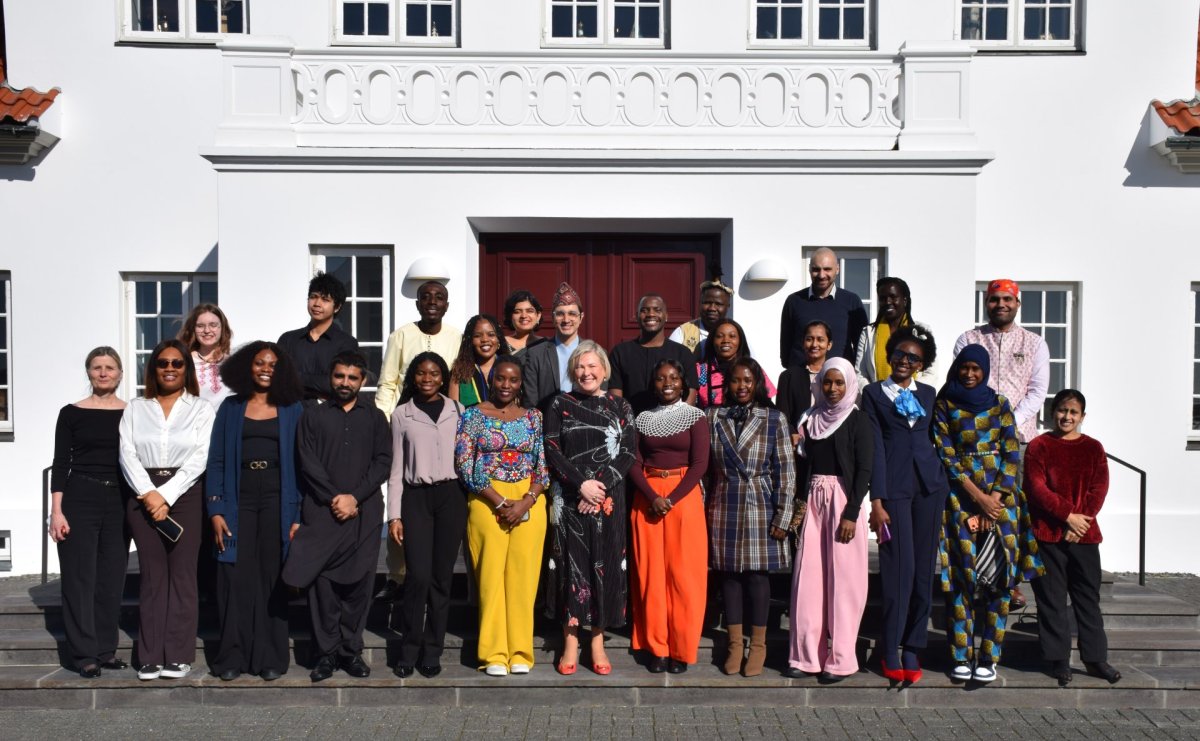
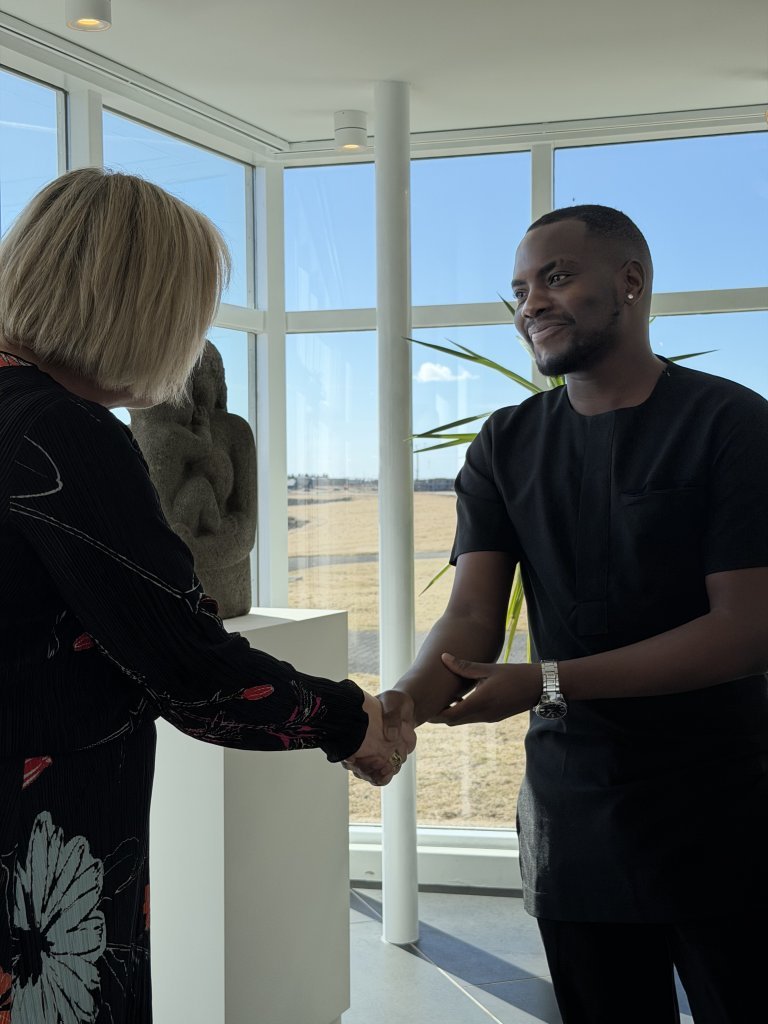
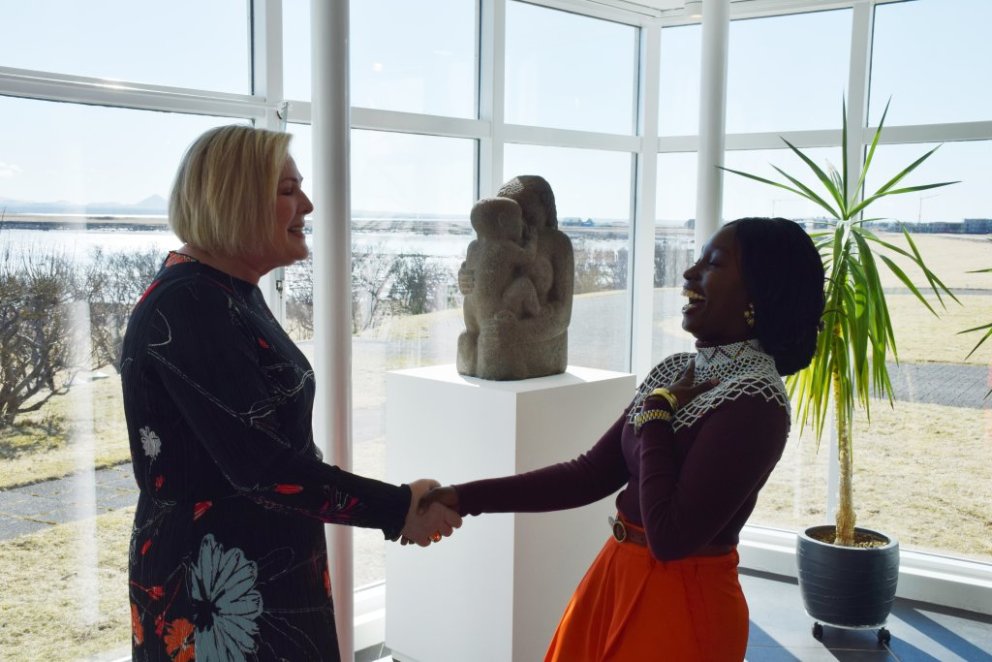
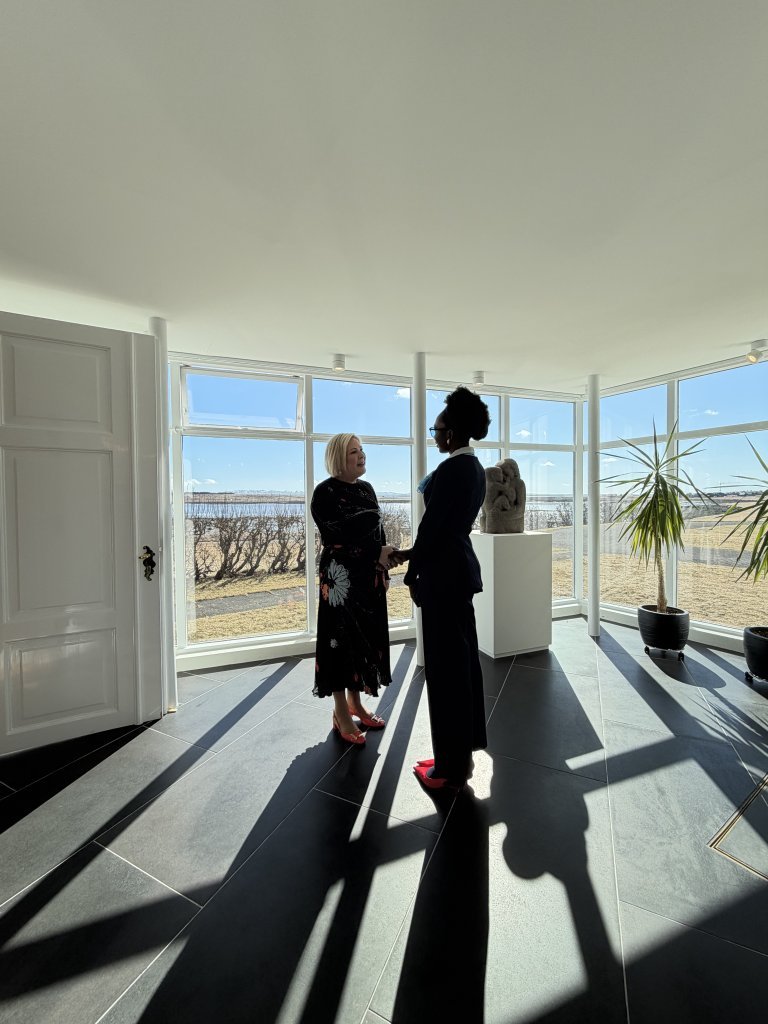
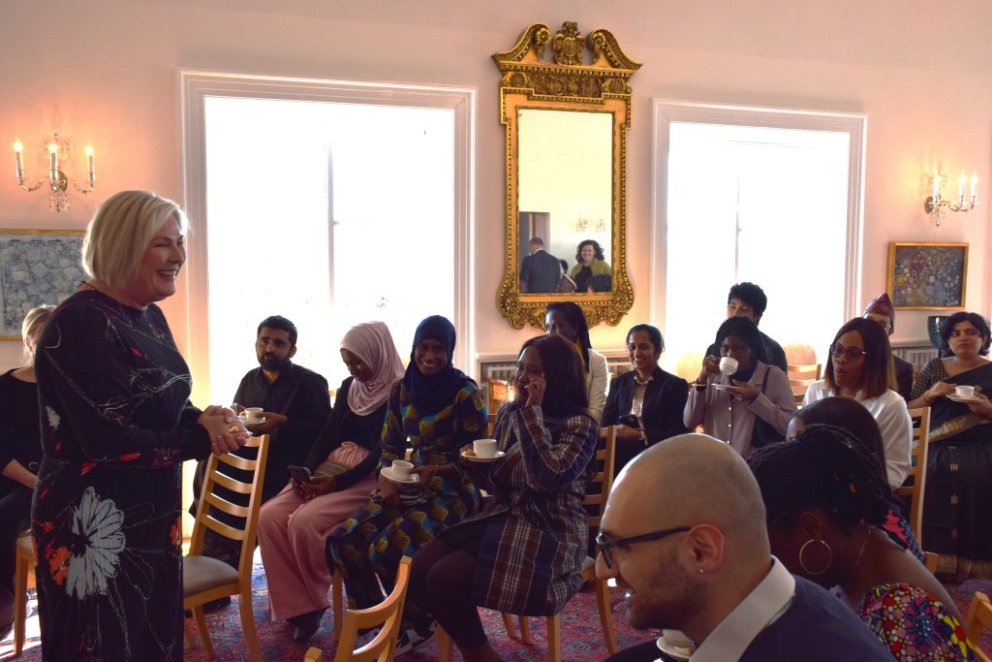
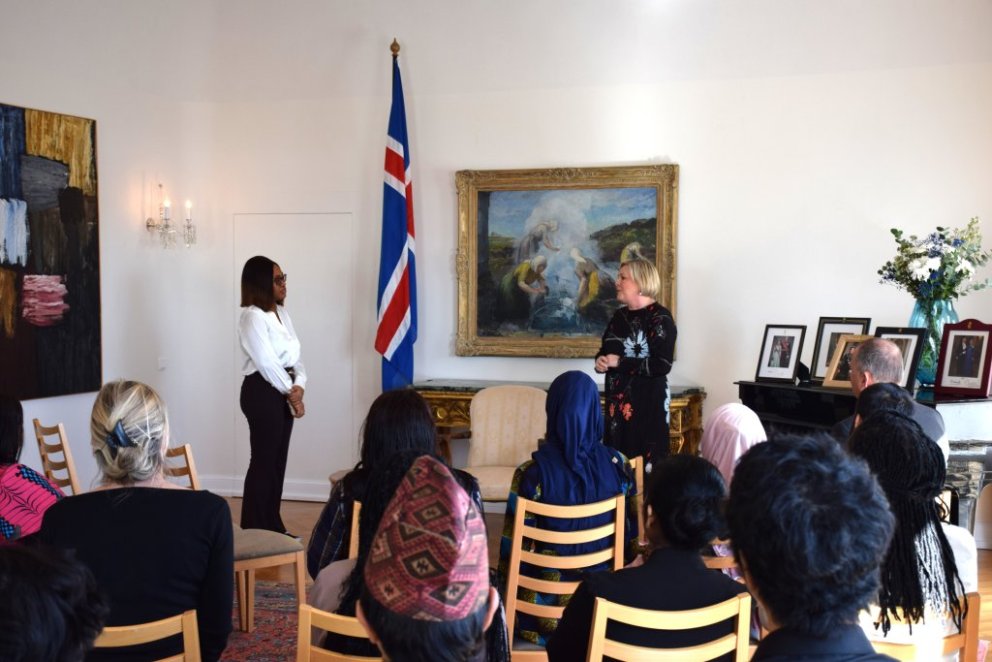
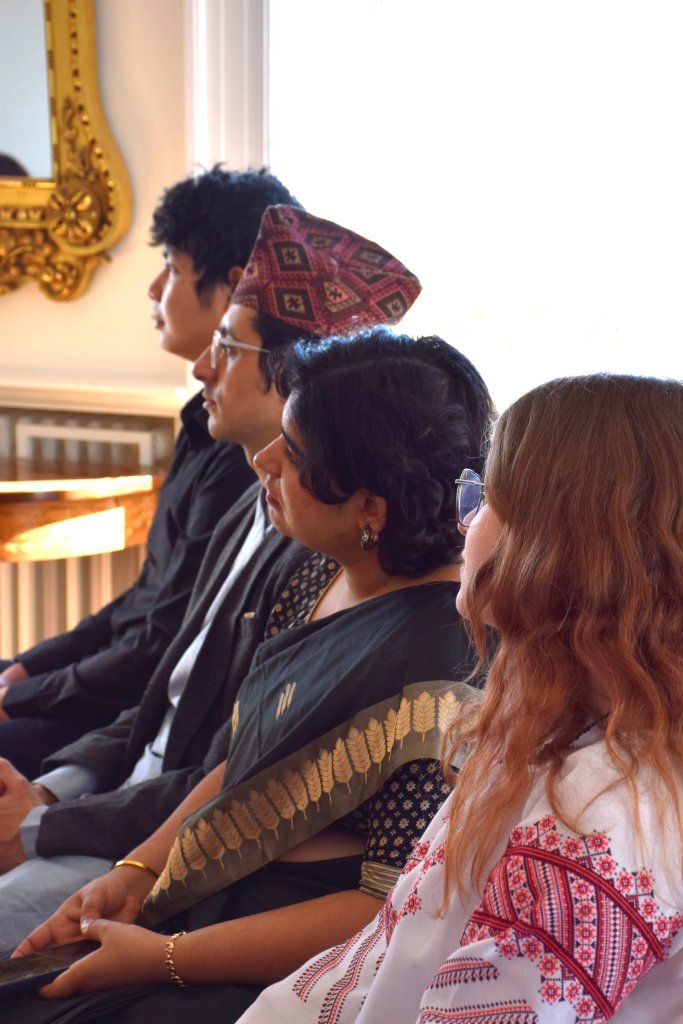
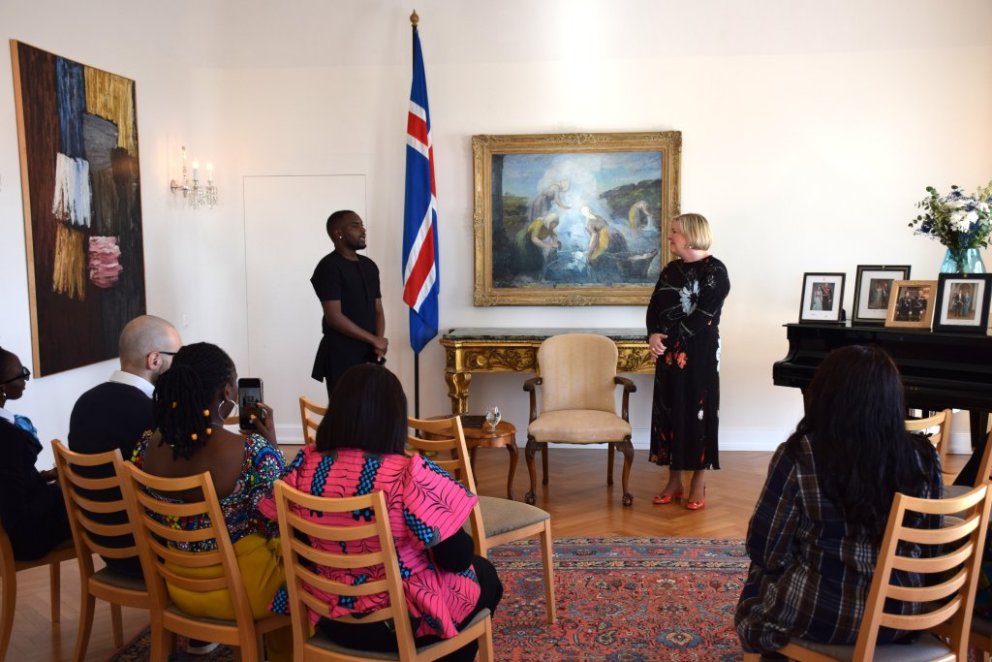
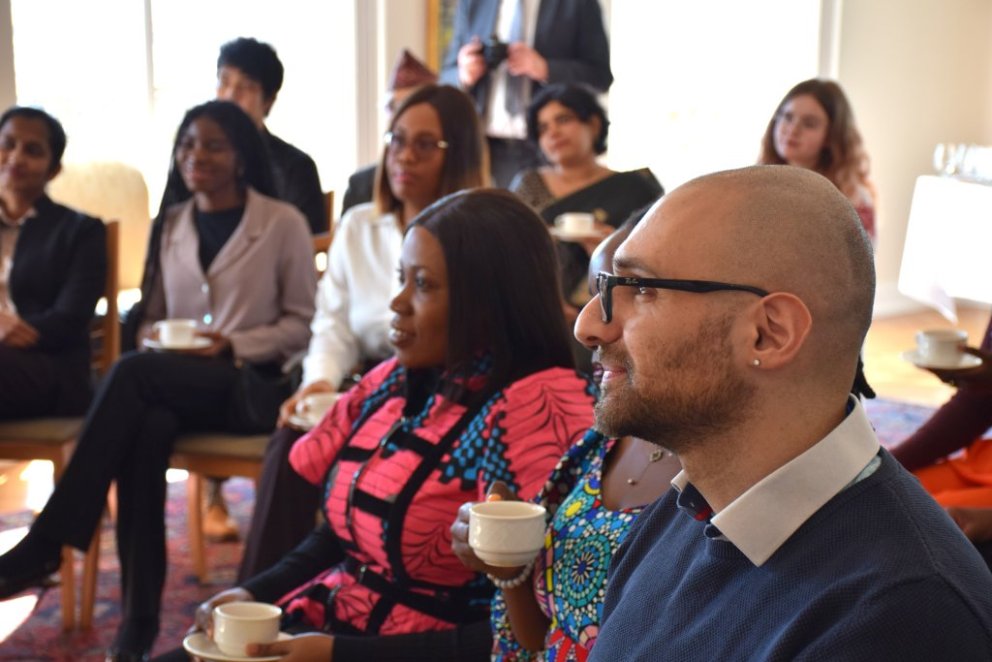
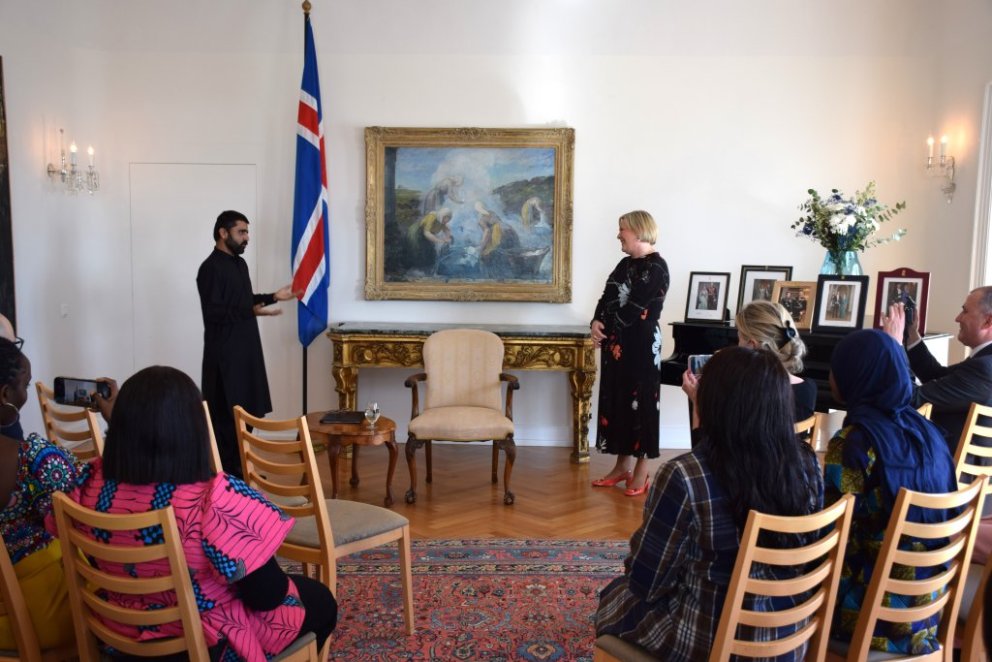
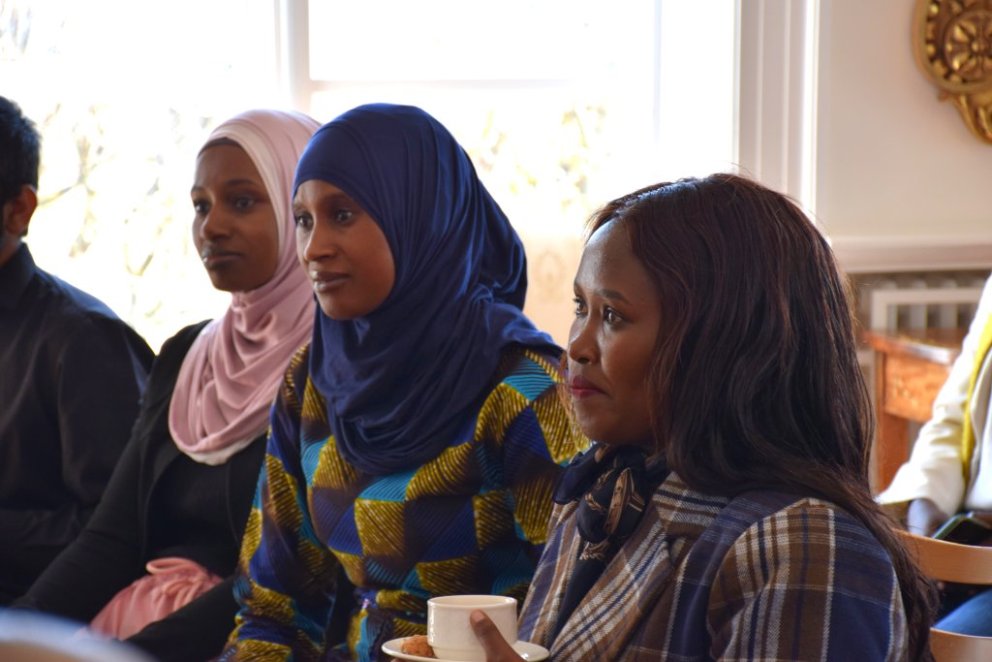
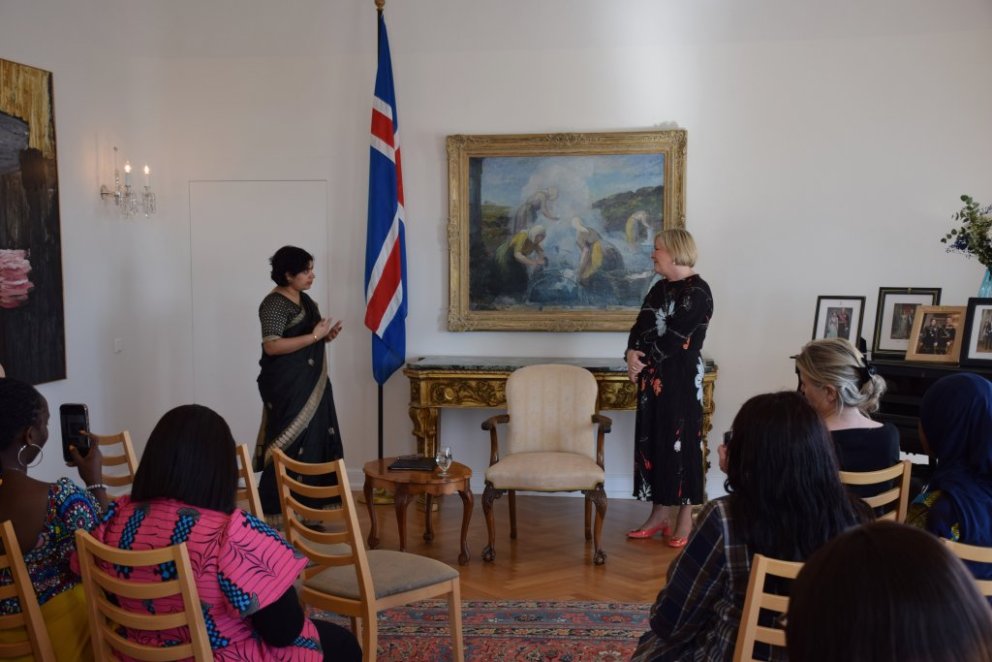
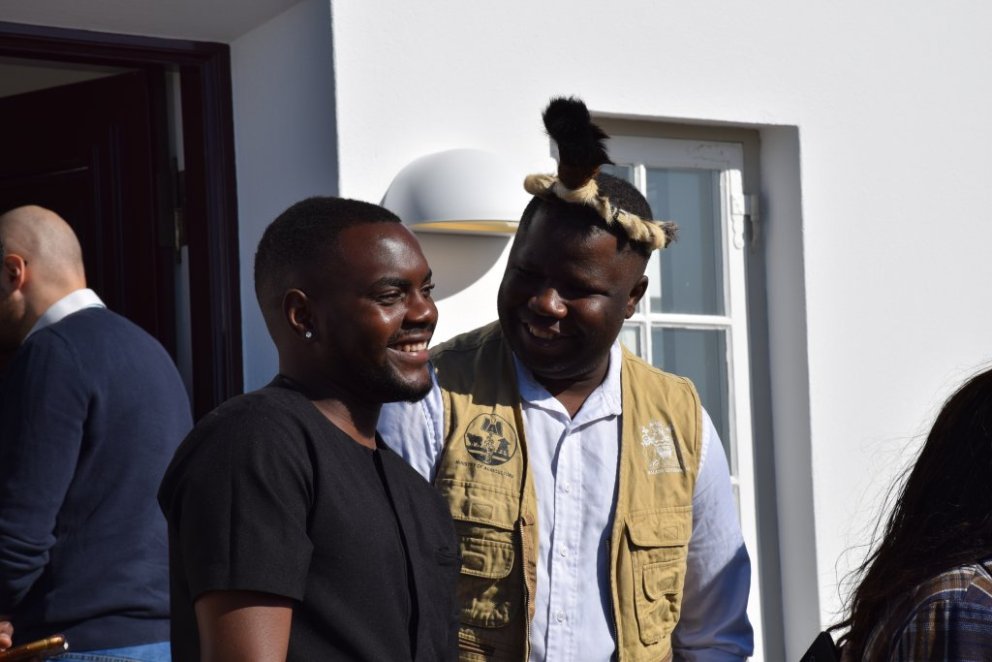
Yesterday, the 20th of April, the 2026 GRÓ GEST cohort visited Bessastaðir, the official residence of the President of Iceland, and were warmly welcomed by the President, Halla Tómasdóttir. A visit with the president at Bessastaðir has become an annual event at GRÓ GEST and marks a significant moment in the fellowship's calendar year. The visit highlights the importance of advancing gender equality globally and Iceland´s continued commitment to that cause.
In her remarks, President Halla spoke candidly about Iceland’s position in global gender equality. While often recognised as a leader, she emphasised that progress is neither complete nor guaranteed. Challenges remain, including persistent inequalities and the risk of complacency. She stressed that gender equality is not something any country achieves in isolation, it requires constant effort, collaboration, and a willingness to learn across contexts. Much of her reflection centred on the importance of working together, across borders and experiences. President Halla also emphasied responsibility: countries like Iceland have a role to play, not only in advancing equality at home, but in contributing thoughtfully and responsibly to global conversations, including in emerging areas such as AI, technology and shifting social dynamics.
The exchange that followed was shaped by a series of thoughtful and grounded interventions from the fellows, each bringing in perspectives from their own contexts.
Godfrey Malongo, from Malawi, opened a discussion on masculinities and their role in shaping gender equality outcomes. Drawing on his work on male engagement, he asked whether even in countries like Iceland, subtle forms of harmful masculinities continue to hold back progress, and how these manifest in everyday life. He also raised the growing global backlash against gender equality, asking how boys and young men can be meaningfully engaged in ways that strengthen, rather than undermine, these efforts.
Suricia Yatiana Esther Conteh, from Sierra Leone, brought attention to barriers faced by survivors of sexual and gender-based violence. She highlighted how stigma, mistrust in institutions, and fear of community reactions often prevent survivors from seeking justice. Her questions focused on what barriers still exist in Iceland, what has been effective in addressing them, and what lessons could be adapted to strengthen survivor-centred justice systems in Sierra Leone, particularly in ways that avoid retraumatisation and build trust.
Aftab Ahmed raised the issue of the gender digital divide in the context of rapidly advancing AI. Referencing challenges in regions such as Balochistan, he questioned what responsibility countries like Iceland hold in shaping ethical AI systems that do not reinforce existing inequalities. He also pushed further on what concrete steps can ensure that women and girls are not only included, but actively involved in designing and leading technological development.
Priyansha Jain reflected on trust in public systems, drawing inspiration from Iceland’s community spaces such as libraries and swimming pools. Her question explored the underlying values that support these models and asked to what extent they are transferable to contexts where trust in public institutions is significantly lower, and what conditions are necessary for such models to work in practice.
In responding to each student's intervention, President Halla reflected on both Iceland’s progress and its limitations. She acknowledged that issues such as harmful gender norms, gaps between legislation and lived realities, and emerging challenges like ethical AI are not unique to any one context. Her response emphasised the importance of humility in global leadership on gender equality, recognising that even countries seen as frontrunners still have work to do. She also highlighted the need to actively include men and boys in ways that strengthen gender equality efforts, to prioritise trust and dignity in institutional responses, and to ensure that innovation, particularly in technology, does not outpace ethical considerations. Throughout, she returned to the idea that advancing gender equality globally depends on sustained collaboration, mutual learning, and adapting approaches to local realities.
The GRÓ GEST Programme, hosted by the University of Iceland and funded by the Ministry for Foreign Affairs, continues to cultivate a global network of gender equality professionals. The annual presidential visit is both a symbolic and practical affirmation of Iceland's investment in transformative leadership and global feminist solidarity and we extend our sincere thanks to President Halla for her time, openness, and for engaging so thoughtfully with the cohort.