
AYE Summer Camp 2026
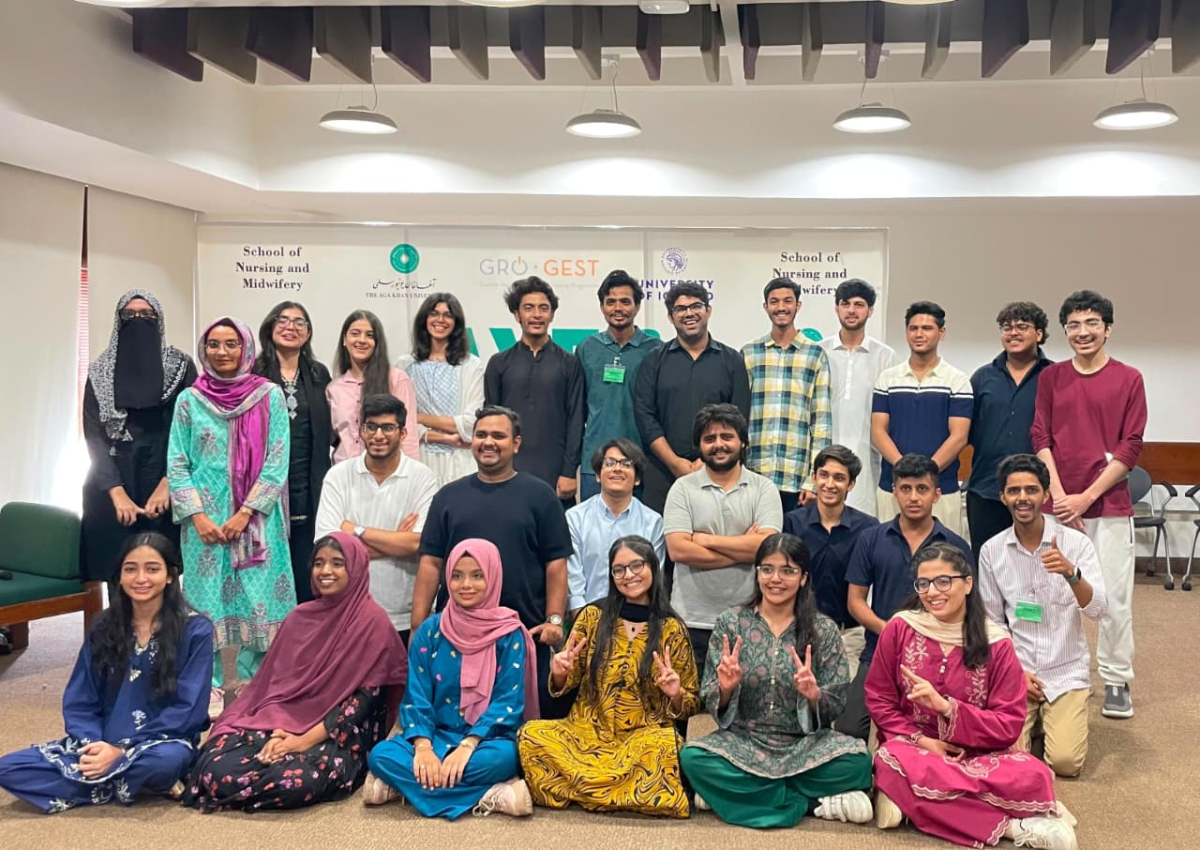
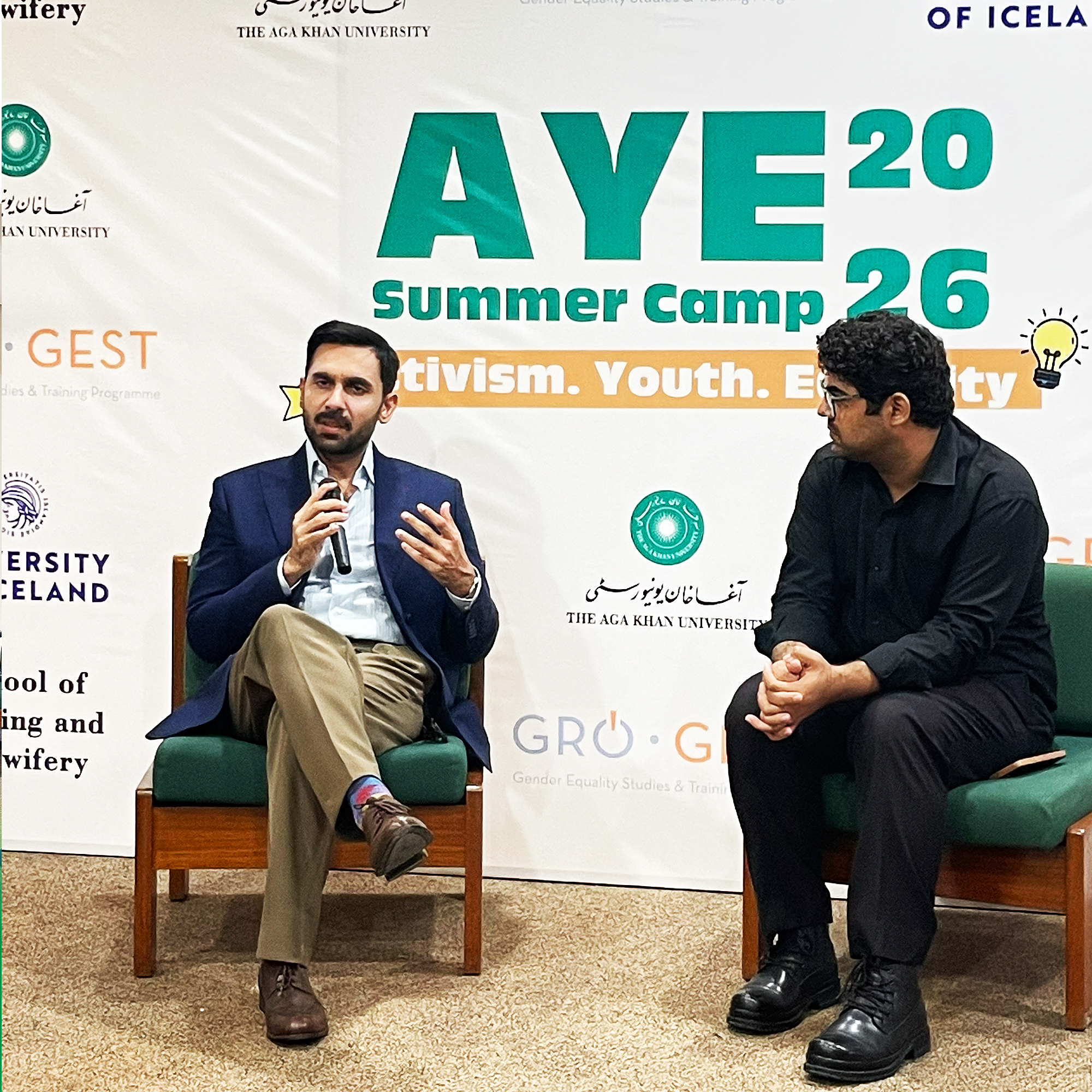
GRÓ GEST alumnus Sarmad M. Soomar organised the Activism, Youth and Equality (AYE) Summer Camp 2026 in Karachi, Pakistan, on 11–12 June 2026. The two-day camp brought together 25 young people aged 16–24 for an intensive programme on activism, leadership, gender equality, masculinities, social justice and community engagement.
The camp was hosted at the School of Nursing and Midwifery, Aga Khan University (AKU), and built on GRÓ GEST’s ongoing collaboration with Sarmad and AKU following the 2026 Pakistan blended learning rollout on masculinities, gender equality and social change. Supported through GRÓ GEST’s Learning in Action initiative, the summer camp demonstrates how alumni-led activities can extend the reach of GRÓ GEST learning beyond formal course settings and into youth spaces, community engagement and local leadership development.
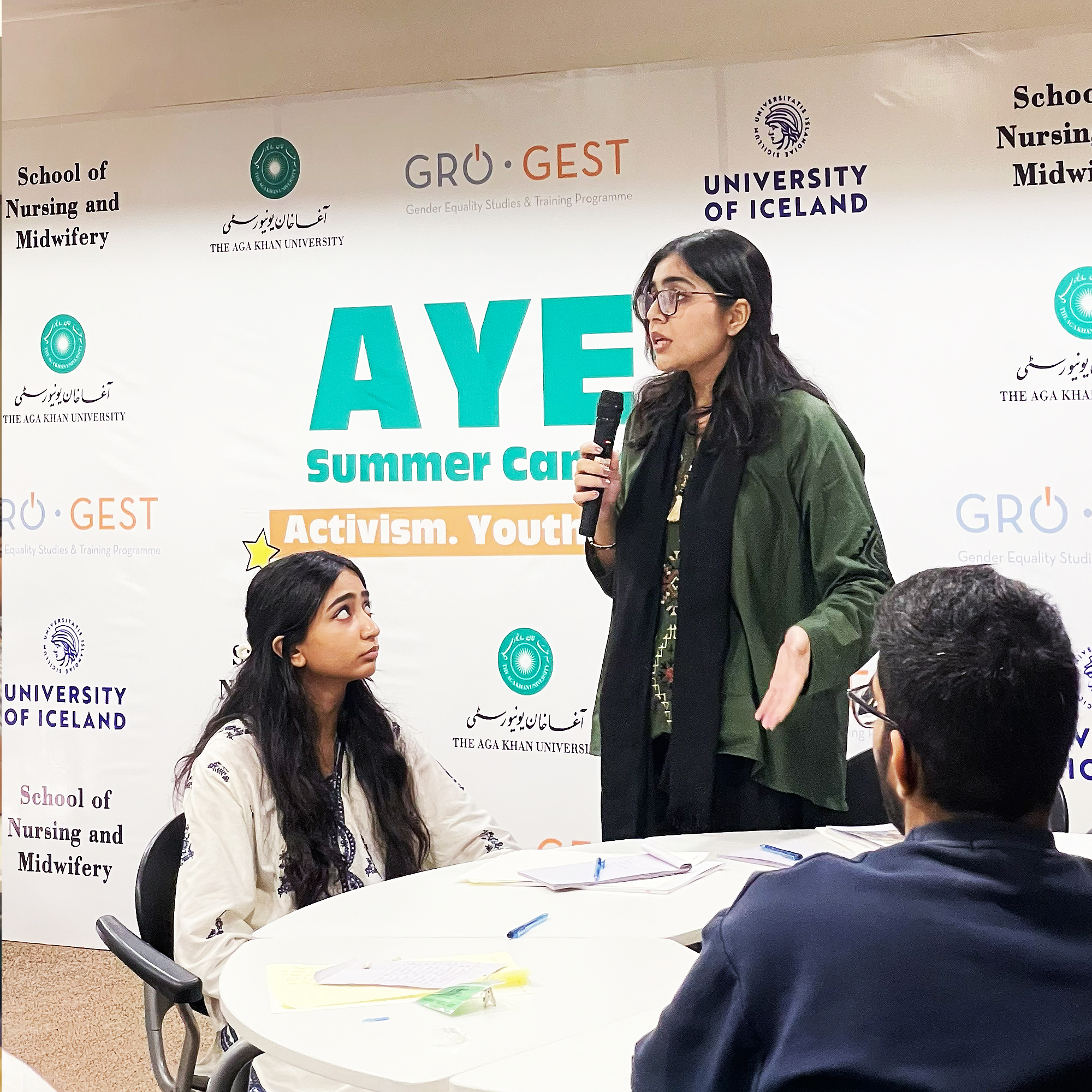
Interest in the camp was high. A total of 650 young people applied, from which 25 participants were selected based on the strength of their applications and their demonstrated commitment to equality and social change.
The AYE Summer Camp was designed to strengthen participants’ understanding of activism and leadership while creating opportunities for networking, reflection and collaborative learning. The programme combined interactive exercises, leadership seminars, creative dialogue, presentations, peer feedback and guest sessions with professionals working across media, education, law, health, arts and community engagement.
The camp opened with participant introductions and networking activities aimed at creating a supportive learning environment. An interactive word-comparison exercise invited participants to reflect critically on concepts such as equality, equity and advocacy. This was followed by an “Activist Toolkit” rotation, where participants worked through practical exercises focused on advocacy, community action and gender equality.
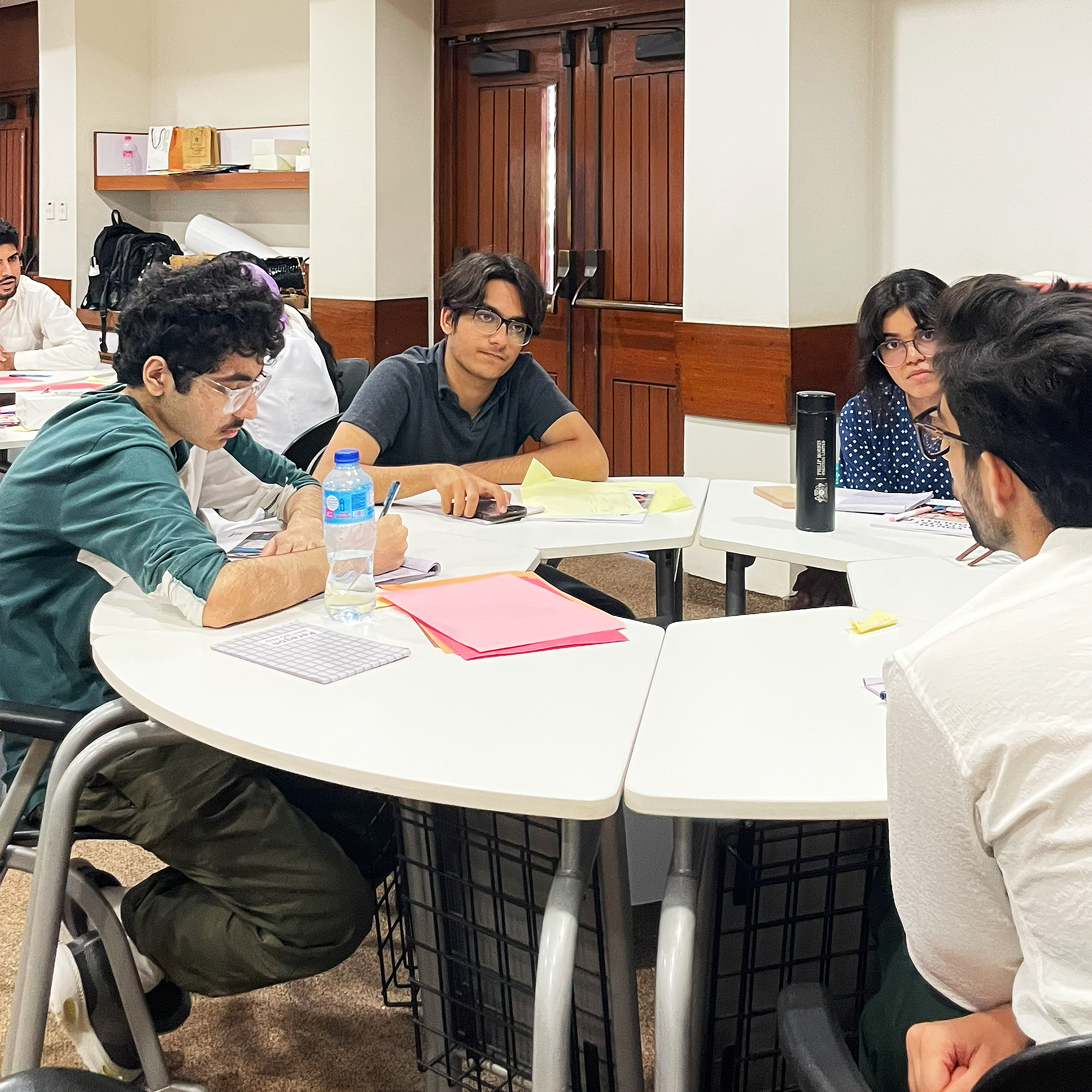
A central part of the first day was the Community Leadership Seminar series, facilitated by Sarmad. The first session, on systems thinking and adaptive leadership, introduced participants to ways of understanding complex social problems and leading change in dynamic environments. The second session, on community organising and movement building, focused on collective action and strategies for mobilising communities around shared goals.
Throughout the camp, participants were encouraged to connect questions of gender equality and masculinities to their own communities, schools, colleges and future professional lives. Afternoon sessions focused on presentation development and leadership application through a gender-transformative lens. Participants worked in teams to develop ideas and responses to contemporary gender and social challenges.
The first day also included a session on social impact, entrepreneurship and economy, facilitated by Daniyal Sheikh, which explored how entrepreneurial approaches can contribute to sustainable social development and positive community change. The day concluded with rehearsals, peer feedback, networking and reflection.
The second day opened with remarks by Dean Dr Salima Walani, who spoke about the importance of young people’s voices in advancing gender equality, particularly in low- and middle-income countries and post-conflict contexts. Participants then presented their group work, demonstrating creativity, critical thinking and strong engagement with the themes of the camp.
The second day also featured a range of sessions led by guest speakers and facilitators. Mehmood Bhatti led a session titled “T for Taboo, T for Transformative!”, co-designed with Sarmad, which used theatre, art and movement to explore gender, power dynamics and advocacy. Sarmad also facilitated a session on legal rights and digital rights for youth in Pakistan, focusing on citizenship, digital safety, legal protections and responsible engagement in online spaces.
A session by Hijaz Naqvi, titled “Love, Life, Poetry and Beyond,” used literature, storytelling and personal reflection to encourage creativity, empathy and self-expression as tools for personal growth and social change. Participants then took part in a structured reflection session, where they consolidated their learning and identified possible future actions in their communities.
The camp concluded with a closing address on youth in media by Abdullah Sultan from Geo TV. He reflected on the role of media in shaping public discourse on gender, masculinities and social change, and on the importance of creating platforms where young people can make their voices heard. The programme ended with a certificate distribution ceremony, group photographs and networking among participants, speakers and organisers.
For GRÓ GEST, the AYE Summer Camp is an example of the multiplier effect of alumni-led learning. Investment in fellows, online education and local partnerships can continue to generate new educational opportunities beyond the original training activity. By taking GRÓ GEST learning into new spaces, alumni such as Sarmad help adapt global gender equality knowledge to local contexts and new generations of learners.
The camp also introduced participants to GRÓ GEST courses available through edX, encouraging them to continue learning about gender equality, leadership and social justice beyond the two-day programme.
One participant described the camp as “an inspiring and transformative experience,” highlighting how the sessions helped them better understand leadership, activism and the importance of creating inclusive communities. The participant also noted that learning about GRÓ GEST courses on edX provided valuable opportunities for continued learning during the holidays.
“The camp strengthened my confidence, expanded my knowledge, and motivated me to become a more active advocate for positive social change in my community,” the participant wrote after the programme.
GRÓ GEST congratulates Sarmad M. Soomar, the organising team, facilitators, speakers and all participants in the AYE Summer Camp 2026. The initiative shows how alumni leadership can create new platforms for youth engagement, dialogue and social change, while extending the reach of GRÓ GEST’s learning resources through local ownership and partnership.