Cryophilia
In May 2026, fellows from the GRÓ GEST programme travelled along Iceland’s south and southeast coast for the programme’s annual field trip. This is an important part of the fellowship that brings together environmental learning, cultural history, and reflection on the relationship between people, nature, and social change.
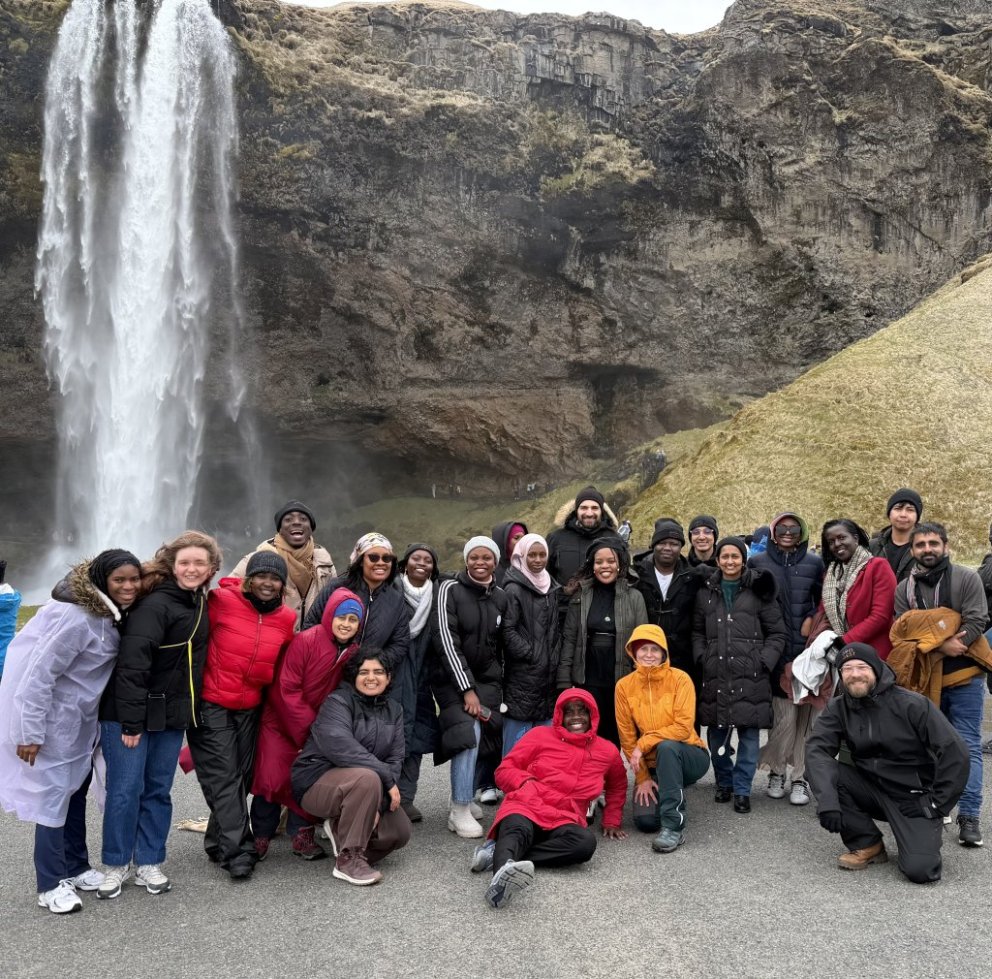
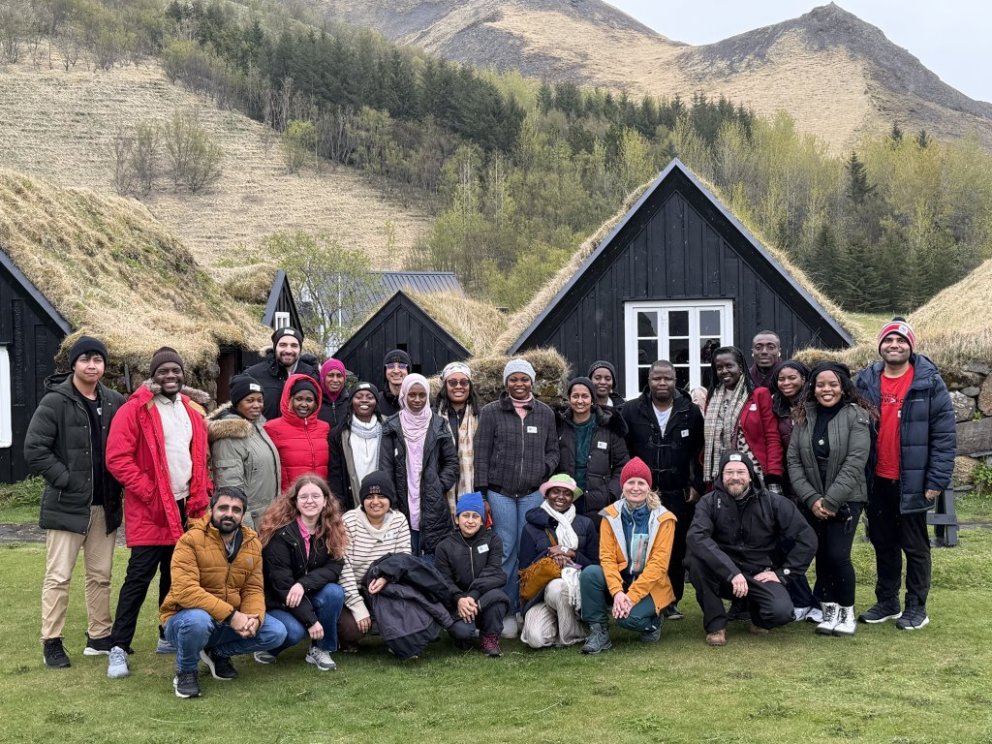
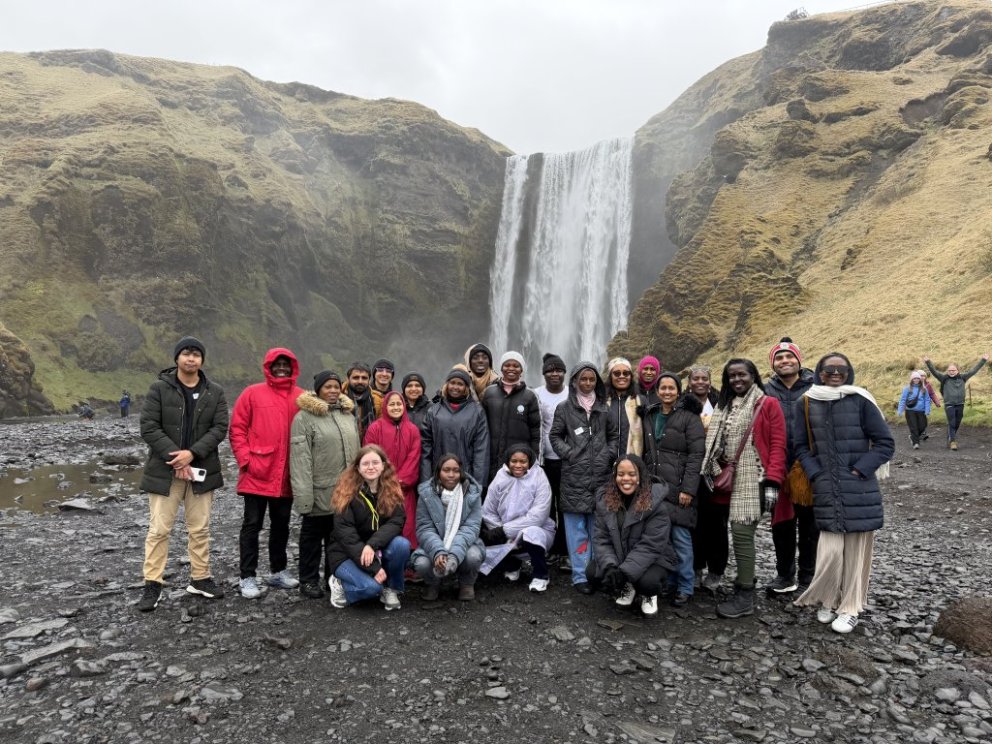
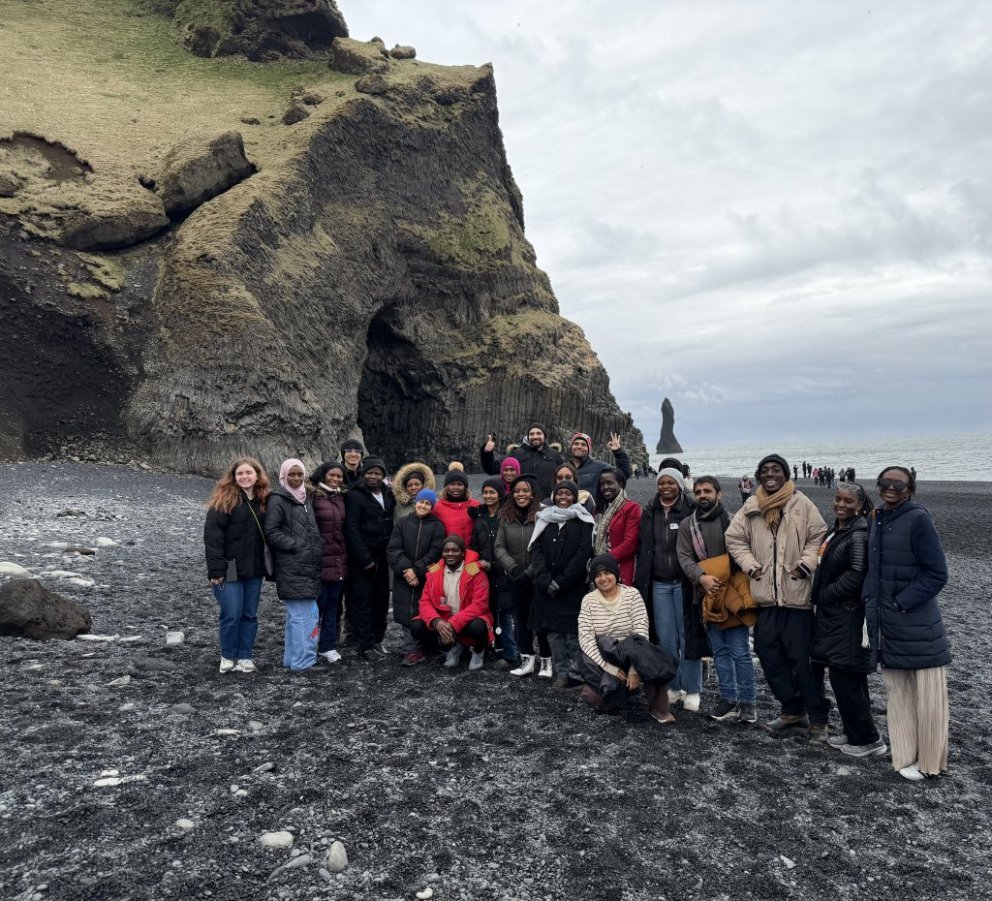
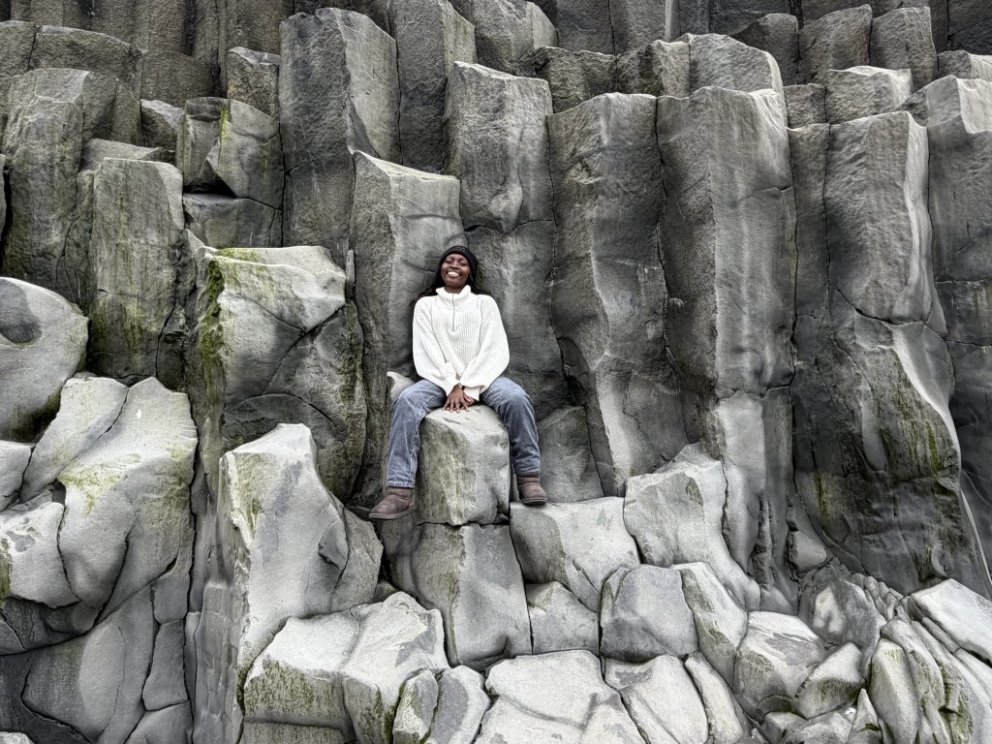
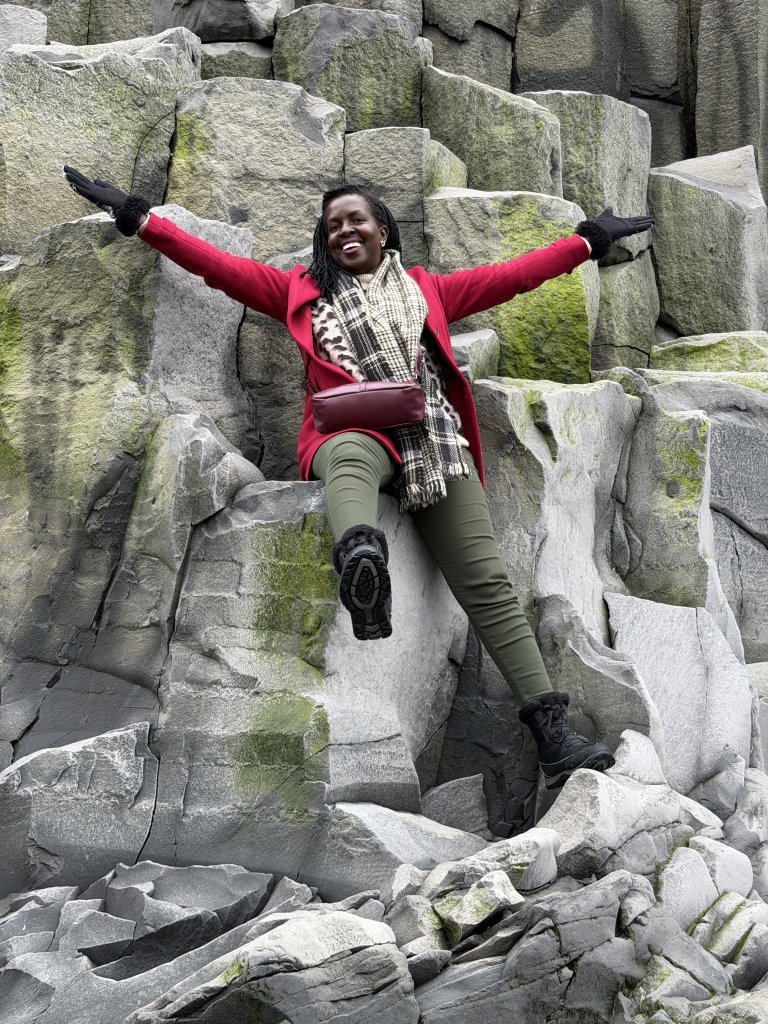
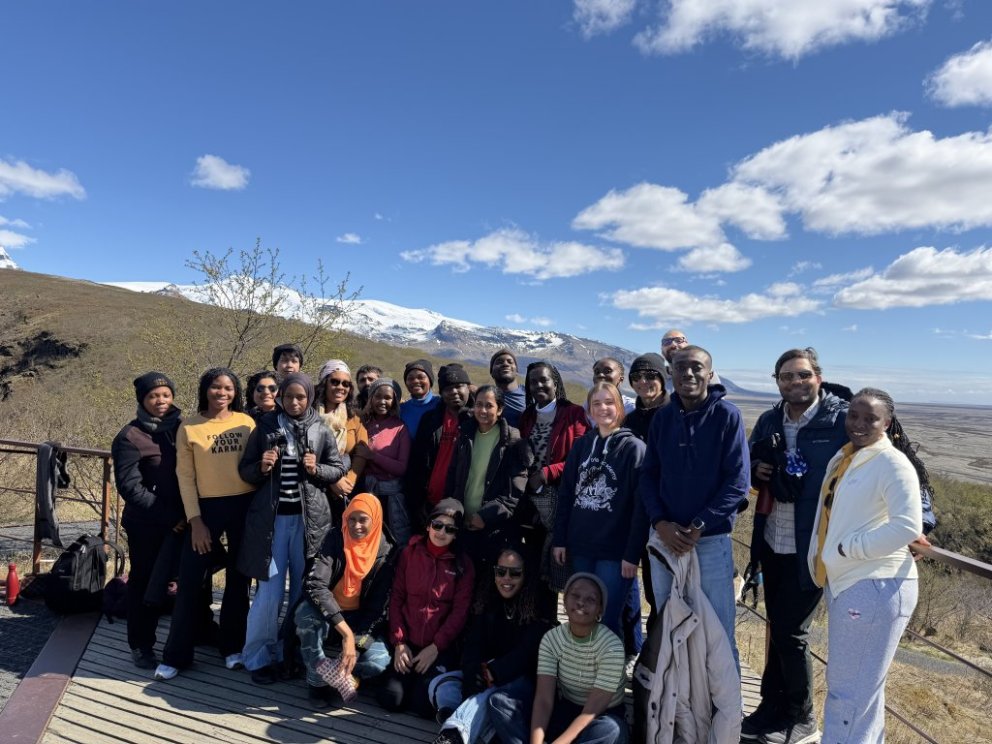
The journey began with visits to some of Iceland’s iconic natural sites, including waterfalls and the black sand beaches of the south coast. The group also visited the Skógar Folk Museum, where fellows were introduced to the ways Icelanders lived in earlier centuries. Through the museum’s turf houses, traditional buildings, tools, and everyday objects, fellows gained insight into how communities adapted to harsh environmental conditions with limited resources, and how social life and survival were deeply connected to the natural environment. The group also stopped at the National Park Service Centre in Kirkjubæjarklaustur, where fellows received an introduction to Vatnajökull National Park and the surrounding landscape.
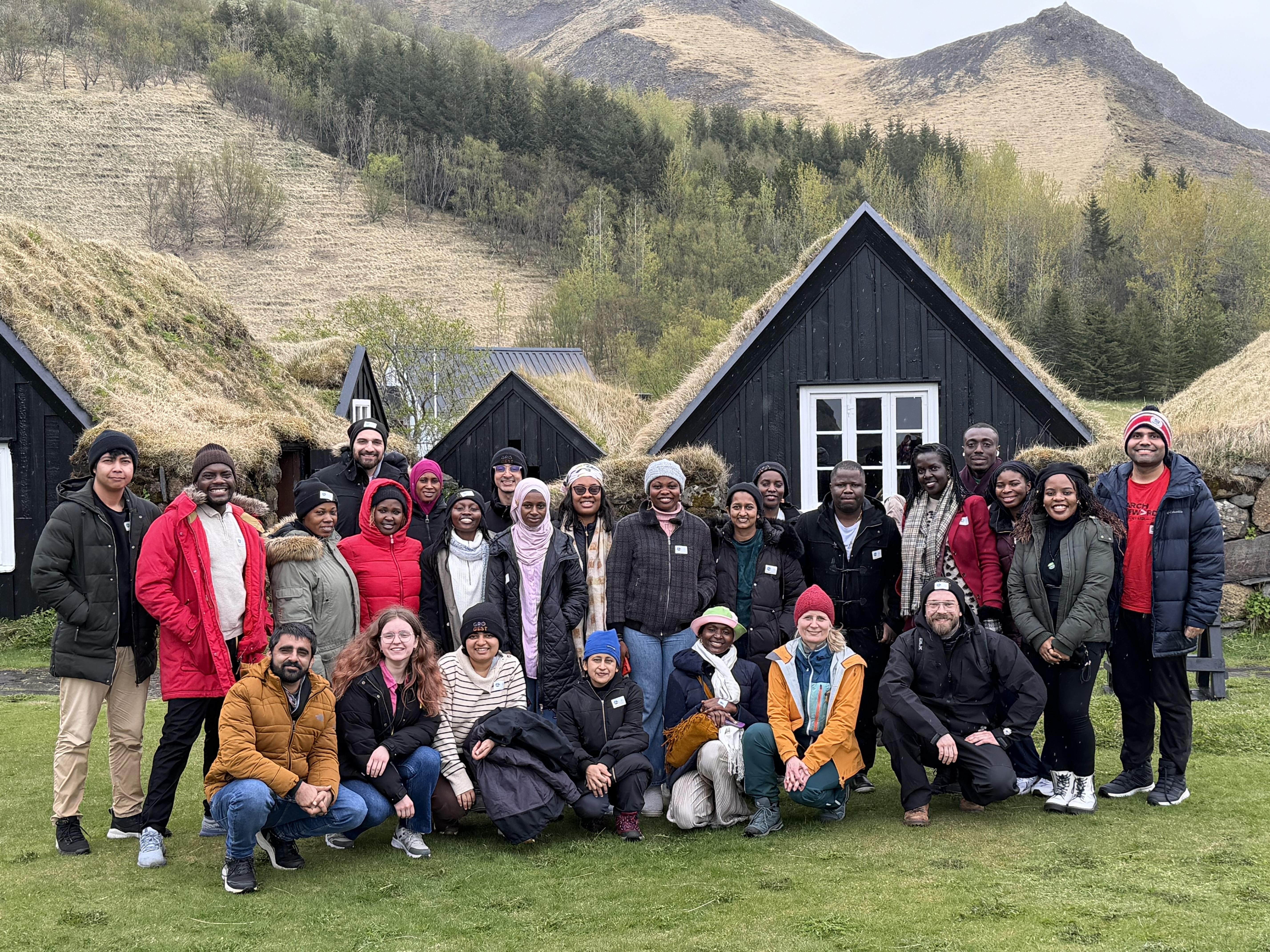
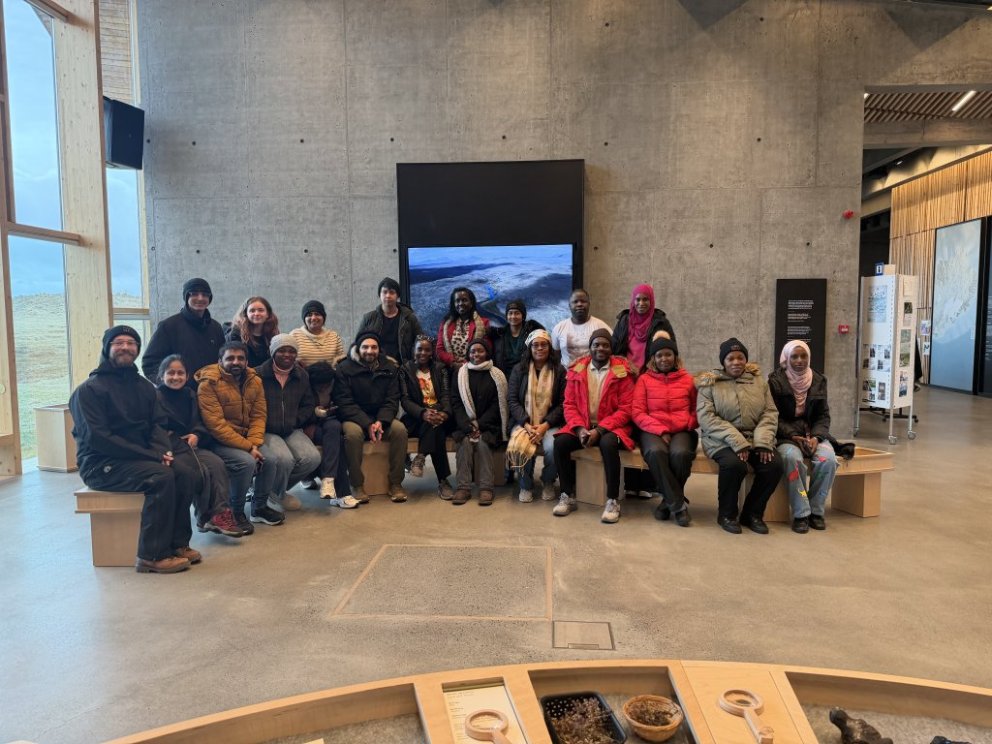
The 2026 GRÓ GEST Fellows at the Skógar Folk Museum
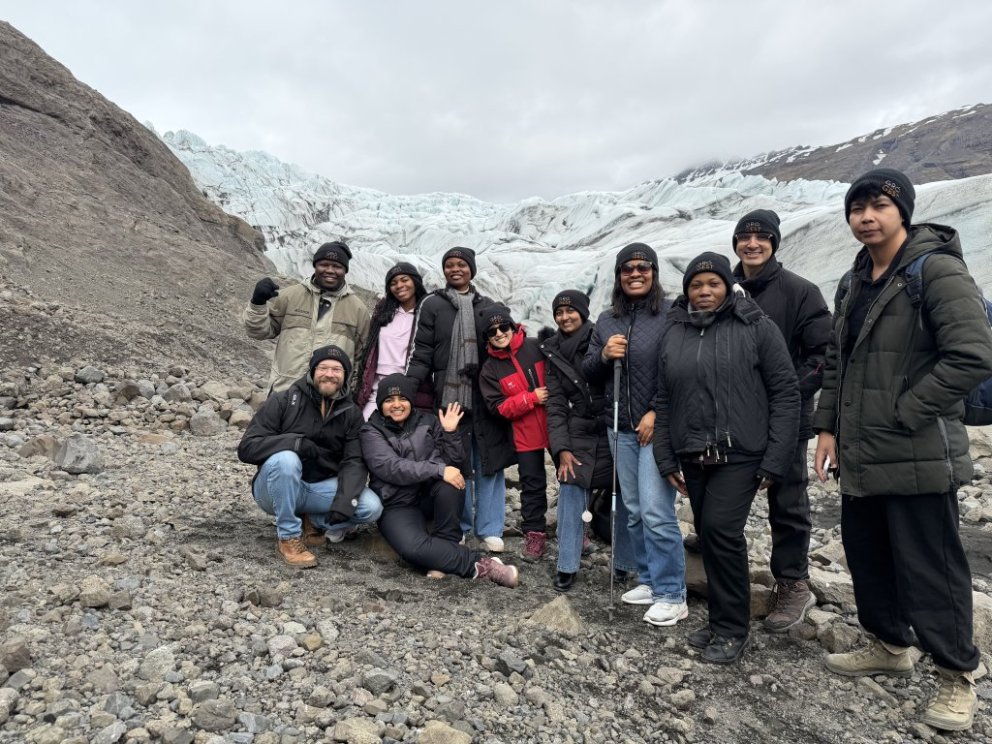
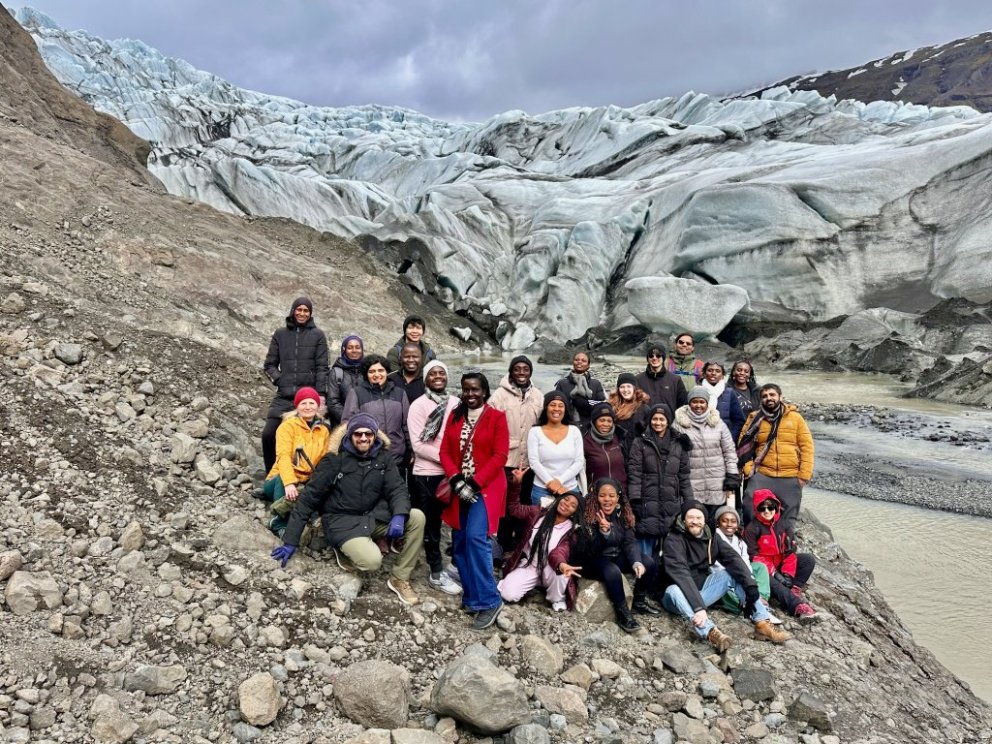
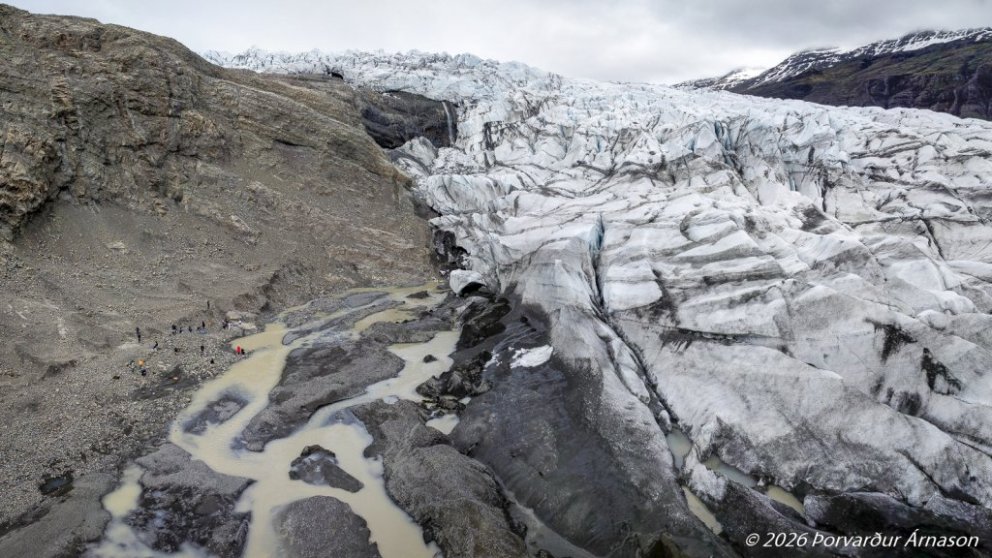
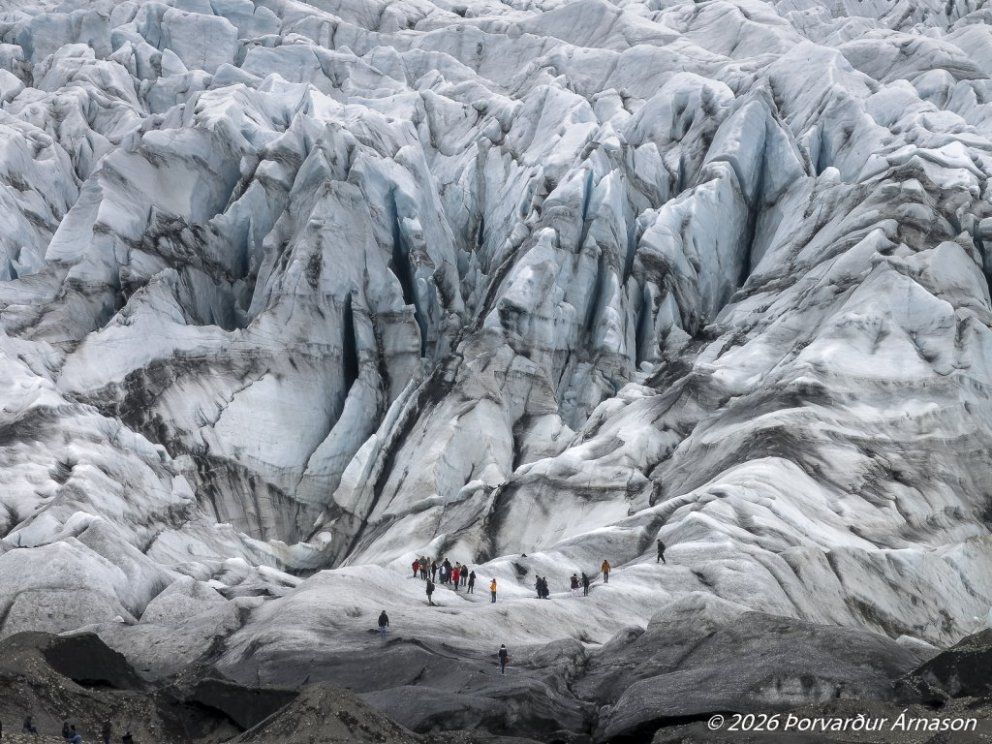
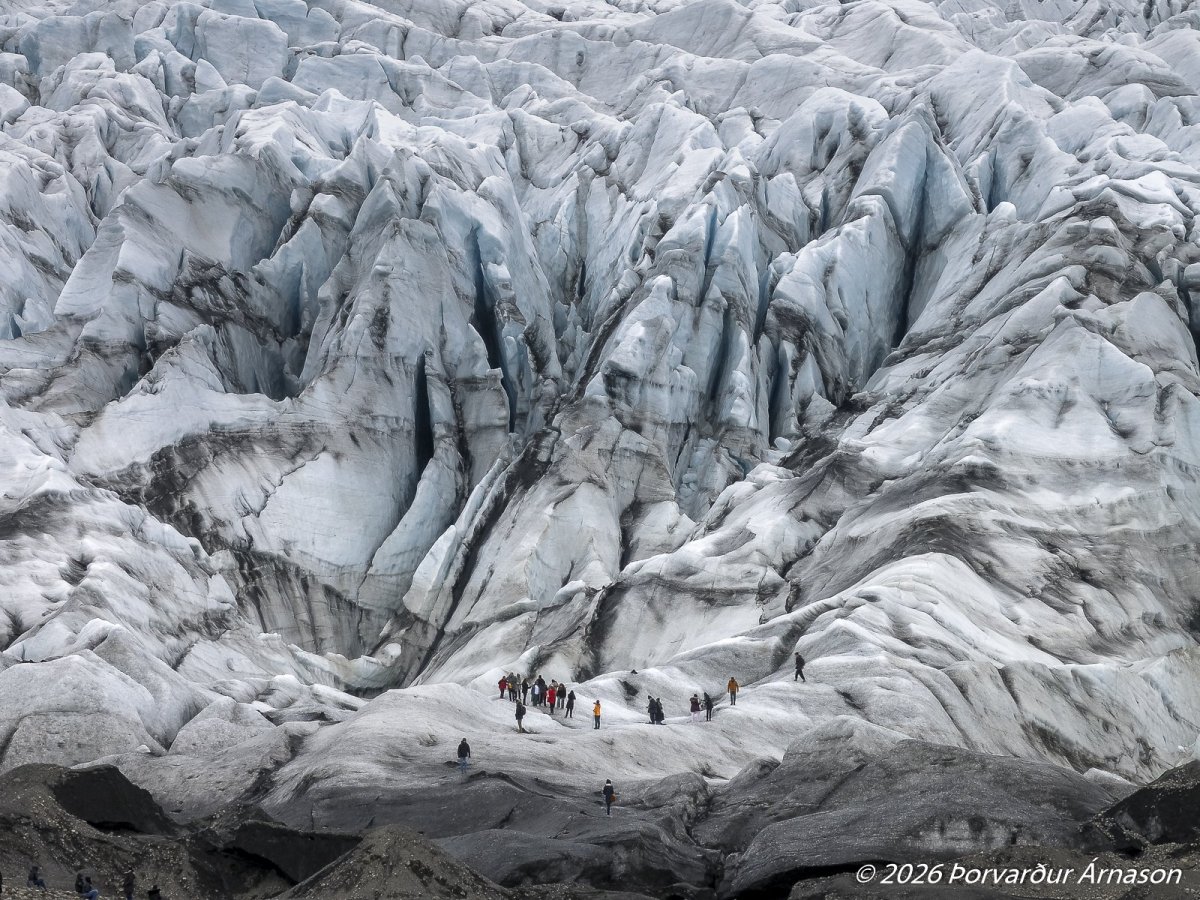
The following day, fellows undertook a glacier hike on Fláajökull together with Dr. Þorvarður Árnason, Director of the University of Iceland Research Center in Höfn. The hike offered a powerful opportunity to witness the effects of climate change firsthand while learning about glaciers, landscapes, and environmental transformation in Iceland. The experience also inspired conversations about cryophilia (or jöklaást in Icelandic) a deep fascination with and emotional connection to glaciers. Reflecting on the visit after spending time with the fellows, Þorvarður Árnason noted:
“It is always a pleasure to receive a group from the Gender Equality Studies and Training Programme and especially to take them to a glacier. It is quite exceptional if someone in the group has experienced a glacier before, and therefore very interesting to observe the reactions of people coming from many different countries, most geographically very distant from Iceland. In short, it seems quite clear to me that cryophilia — jöklaást — is a universal human quality. And of course, that is something to celebrate.”
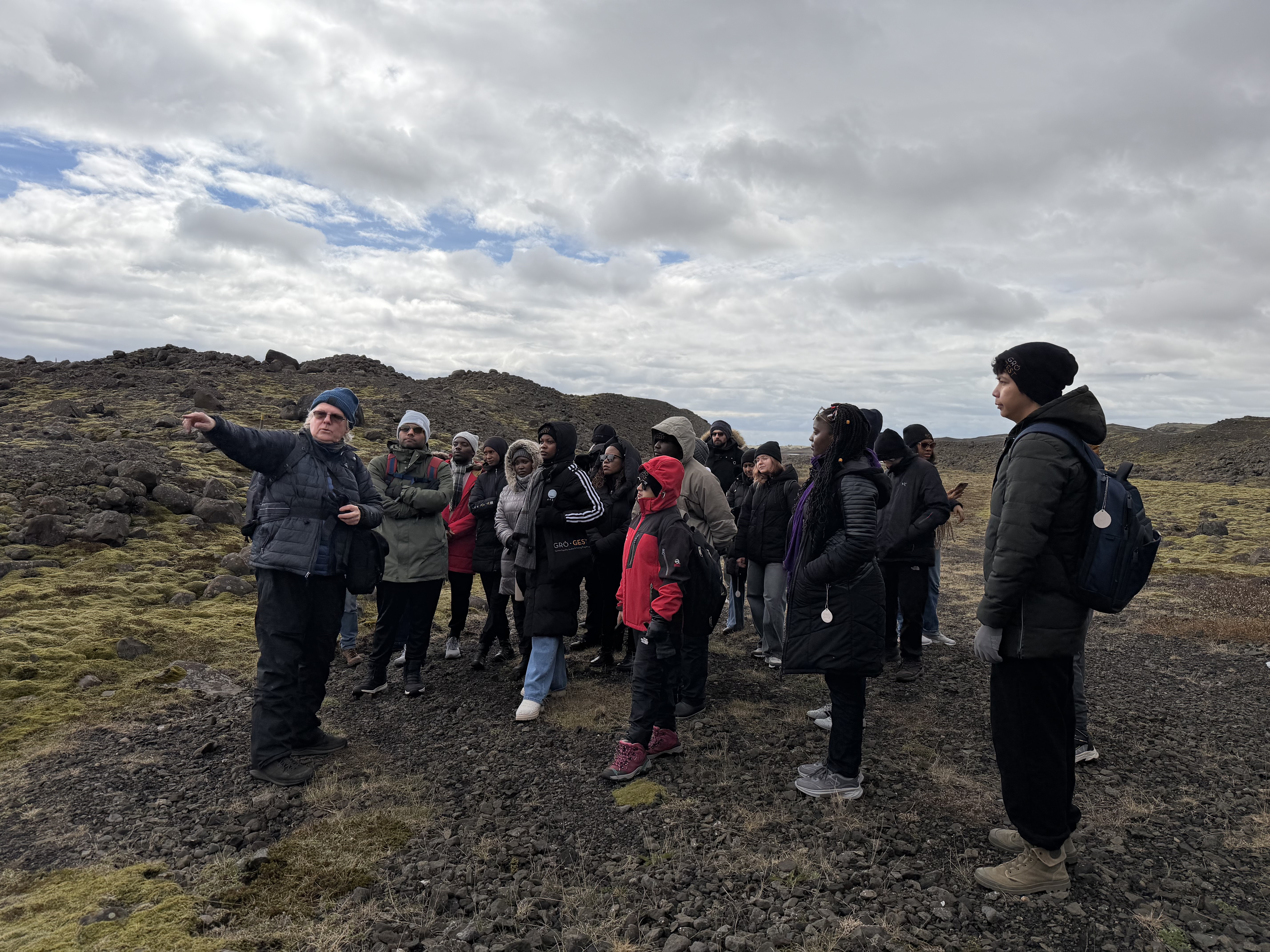
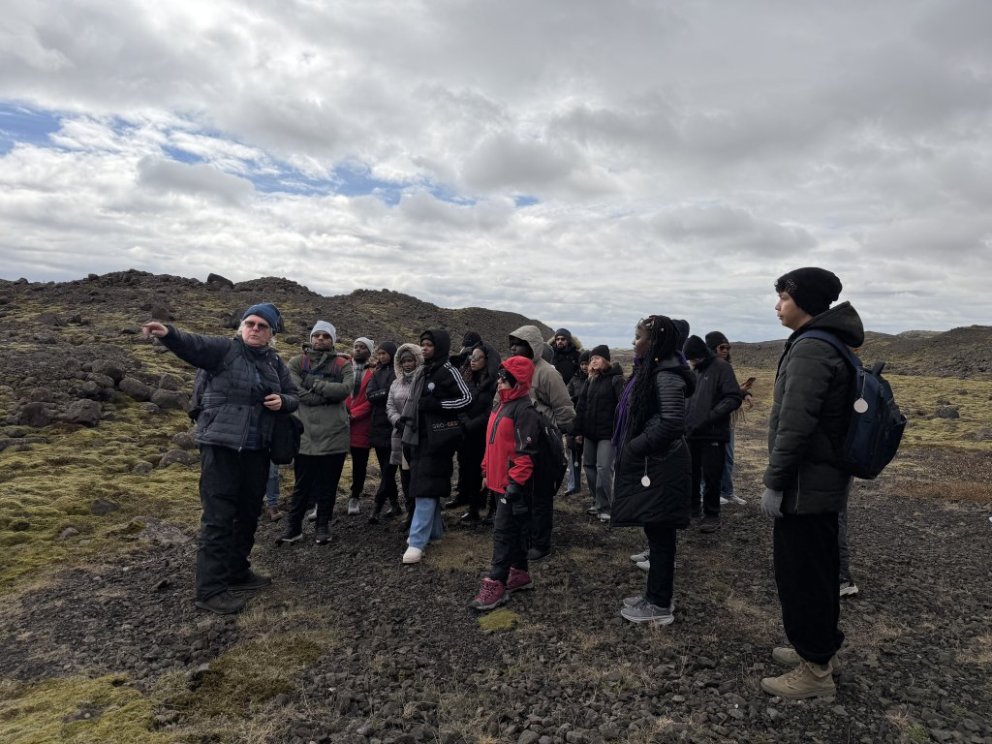
The Fellows at Fláajökull glacier with Dr. Þorvarður Árnason
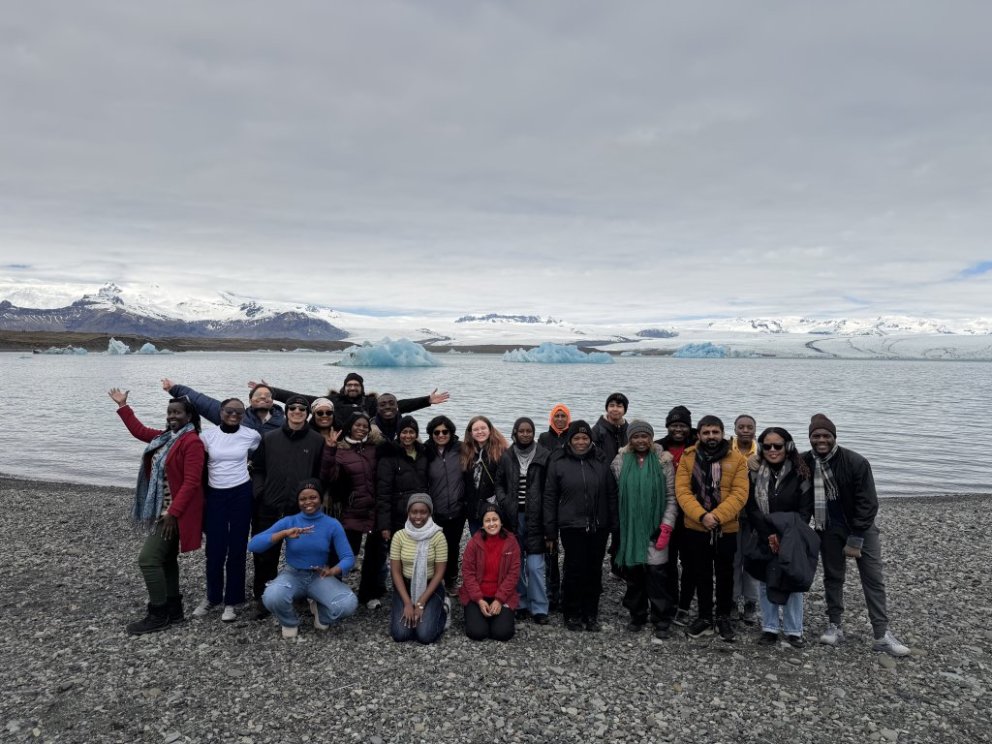
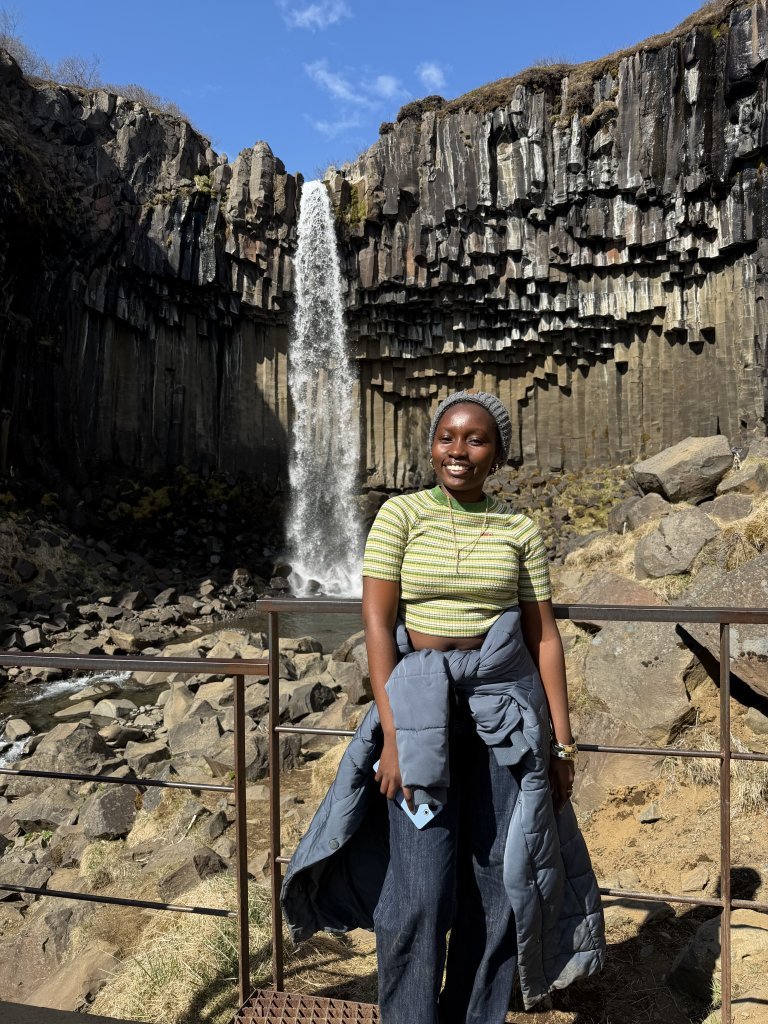
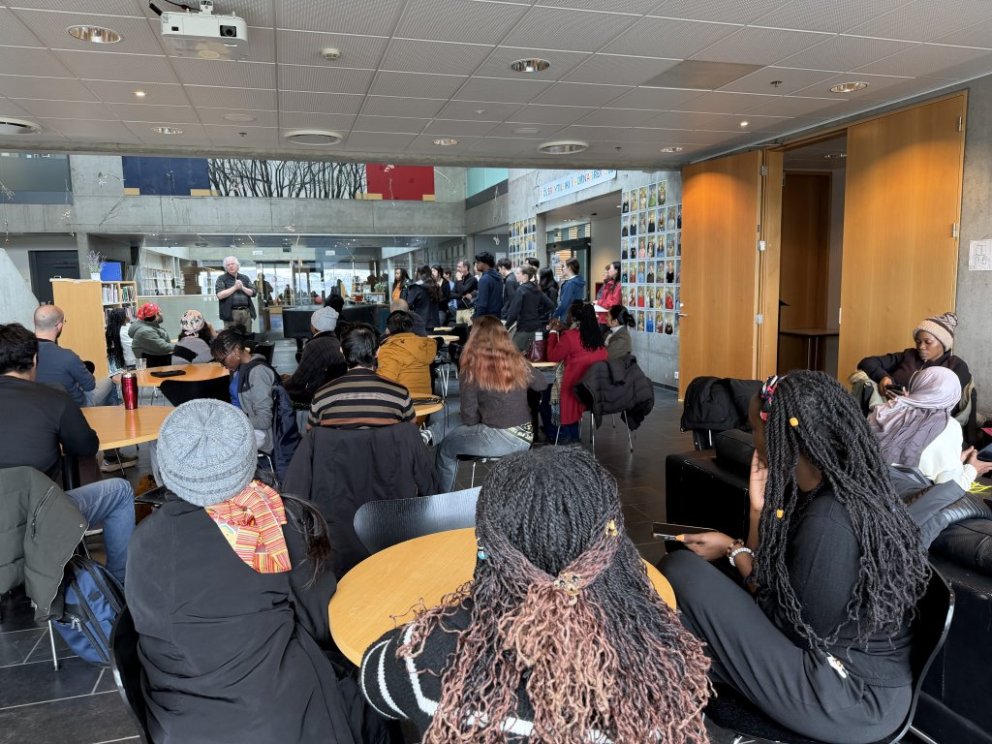
At Hoffell, fellows viewed a documentary co-directed by Þorvarður Árnason and experienced the unique landscape of the area, including sightings of Icelandic reindeer roaming nearby. The journey continued to Jökulsárlón Glacier Lagoon and Diamond Beach, where fellows reflected on the changing glacial environment, before hiking to Svartifoss in Skaftafell, surrounded by the area’s striking basalt columns.On the final day of the trip, fellows attended a series of lectures at Nýheimar in Höfn organised by the University of Iceland Research Center and the South East Iceland Nature Research Center. The programme explored glaciers and glacial landscapes, Vatnajökull National Park, climate change communication, and artistic and sensory approaches to listening to glaciers and understanding environmental change.
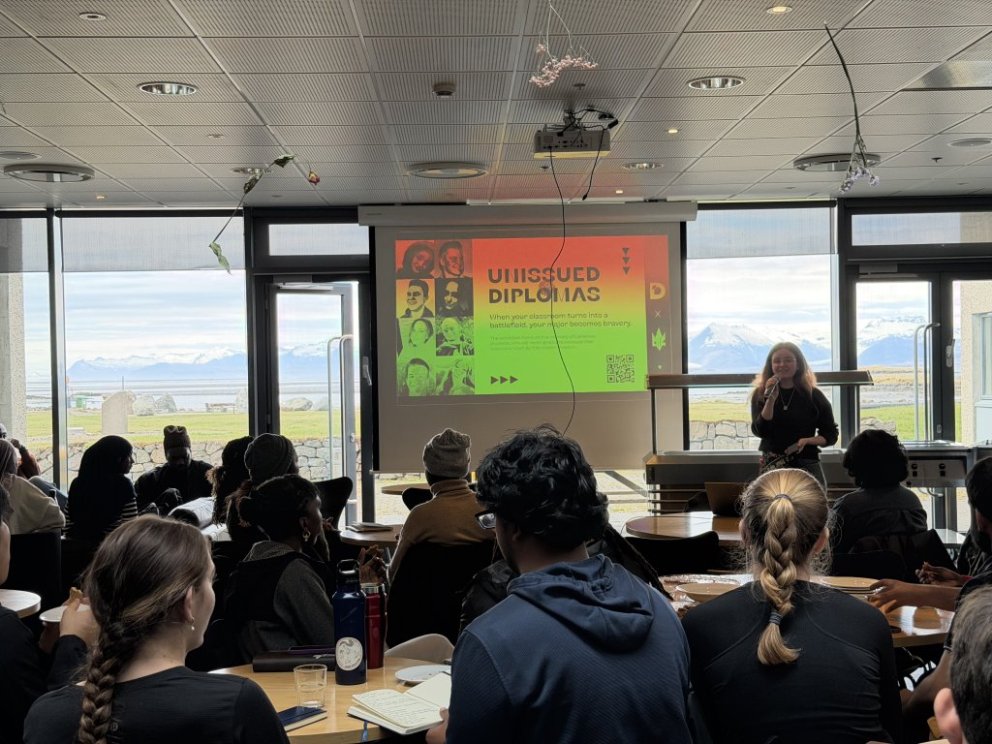
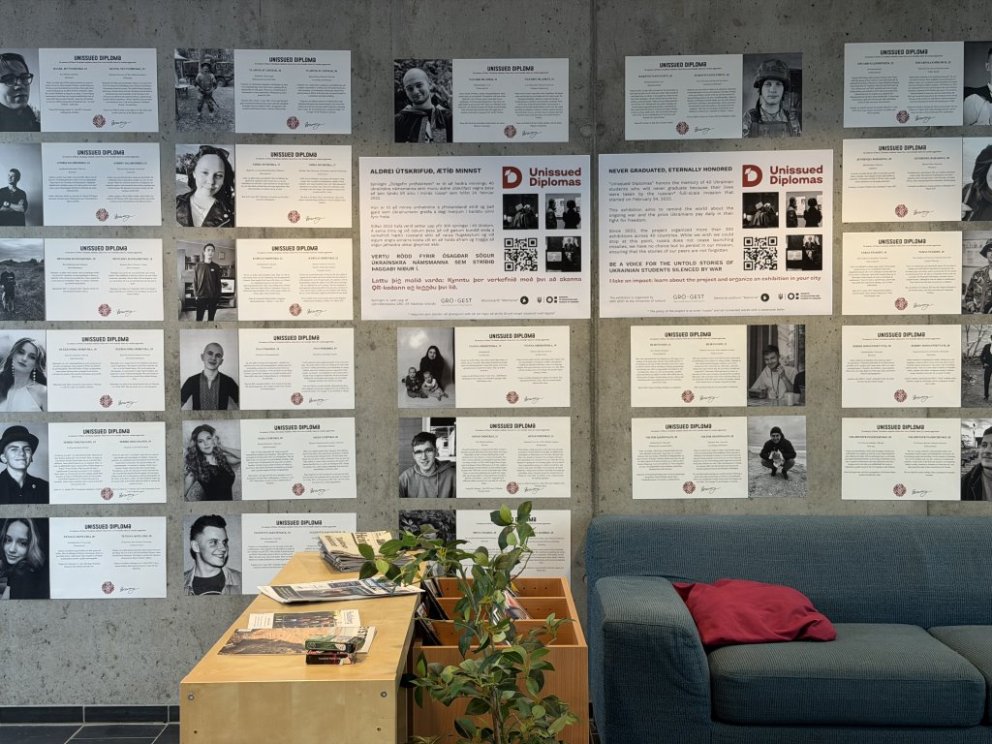
The visit concluded with the opening of the exhibition Unissued Diplomas at the Cultural Center in Höfn. The exhibition commemorates Ukrainian students whose studies were interrupted by war. Daryna Zavhorodnia, a GRÓ GEST fellow from Ukraine, delivered a moving opening speech, creating a powerful conclusion to a journey marked by learning, dialogue, and reflection on climate, environment, and human resilience.