
Flow at Work
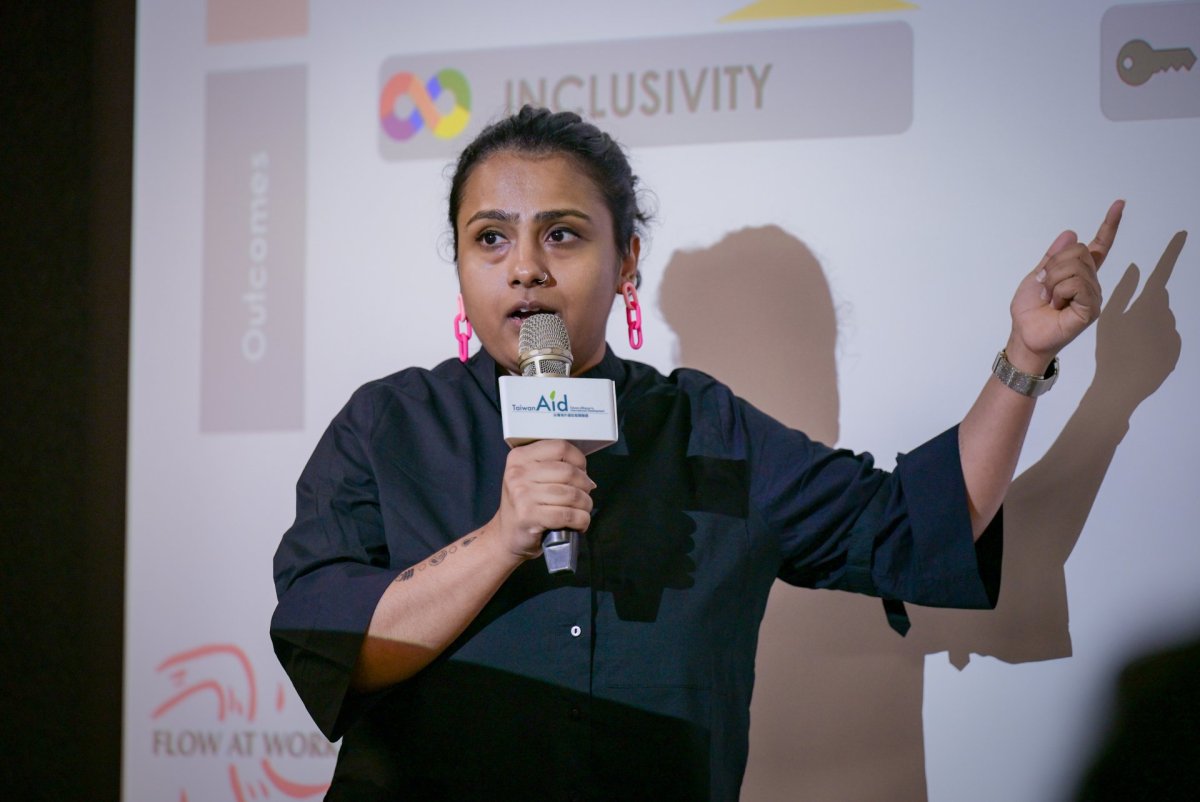
In 2025, GRÓ Gender Equality Studies and Training (GRÓ GEST) awarded March 8 Fund support to Radhika Modi and her organisation Flow at Work to pilot an innovative project addressing menstrual stigma and inequality in professional environments in India. Now at the project’s six-month midpoint, early results point to strong progress and meaningful change in how workplaces engage with menstruation as a collective equity issue rather than an individual concern.
From silence to shared responsibility
Despite growing attention to diversity, equity, and inclusion in corporate settings, menstruation often remains invisible at work. Many women, transgender, and non-binary employees continue to manage menstrual needs in silence, without adequate facilities, policies, or space for dialogue. This silence reinforces stigma, affects dignity and productivity, and places the burden of adjustment squarely on individuals rather than organisations.
Flow at Work was designed to challenge this dynamic. Rather than treating menstruation as a private or medical issue, the project frames it as a workplace equity concern—one that requires collective awareness, shared responsibility, and institutional change.
Progress at the halfway point
According to the interim report, the project has completed its first full implementation cycle and is progressing in line with its original timeline. To date, Flow at Work has partnered with organisations in New Delhi and Mumbai and delivered six structured workplace sessions.
So far, the project has reached:
-
220 menstruating individuals
-
60 students in mixed-gender learning spaces
-
57 men and other non-menstruating stakeholders
-
A total of 337 participants engaged
With over half of the target group already reached, the project remains on track to engage between 400 and 600 menstruating employees by the end of the project period.
A notable development has been the intentional inclusion of men, non-menstruators, and individuals who no longer menstruate. This expansion has helped shift conversations away from individual coping strategies toward collective workplace responsibility. Mixed participation has been shown to reduce stigma, foster empathy, and make conversations about menstruation more sustainable within organisations.
Building institutional capacity
Beyond individual sessions, the project has strengthened its organisational foundation to support quality and scalability. This includes hiring a project coordinator and communications intern, engaging a senior curriculum expert, and working with an independent facilitator in Mumbai. Each session is accompanied by structured feedback and reflection, with participants reporting increased comfort discussing menstruation at work and greater awareness of how stigma affects dignity, participation, and productivity.
Host organisations have also provided written feedback, noting that the sessions opened conversations that had previously been avoided or considered inappropriate in professional settings.
Looking ahead
The next phase of Flow at Work will focus on expanding partnerships with additional workplaces, conducting further sessions, and reaching another 200–300 menstruating employees. Ongoing curriculum refinement and monitoring will continue to ensure that the project remains responsive, inclusive, and grounded in participant experiences.
Supporting alumni-led change
Flow at Work exemplifies the purpose of the GRÓ GEST March 8 Fund, which was established to support alumni in translating feminist knowledge into locally grounded action. By providing seed funding to alumni-led initiatives, the fund strengthens long-term capacity for gender equality work in diverse contexts.
By addressing menstrual stigma in professional environments—spaces central to economic participation and empowerment—Flow at Work contributes to broader efforts to dismantle structural gender inequalities. GRÓ GEST is pleased to see the project progressing so strongly and looks forward to sharing further updates as the work continues.