
Gender Equality: A Prerequisite for Development and Progress
In recent years the world has seen human rights being called into question that once were considered secure and undisputed. The fight for equality is facing growing opposition in many parts of the world; women’s fundamental rights are under attack and LGBTQ+ people face increasing discrimination and persecution. We have seen just how fragile progress toward gender equality over recent decades can be. Rights achieved after decades of struggle, in some cases centuries, can be undone with a single stroke of the pen.
In today’s increasingly polarized and unstable world, it is more urgent than ever to safeguard equality and establish it as the foundation of progress and sustainable development.
Advancing gender equality and the empowerment of women are cornerstones of the Icelandic Government’s policy, both at home and internationally. We use our voice and our vote and engage actively within the United Nations and other international institutions, including through our membership of the UN Human Rights Council, to uphold states’ commitments to human rights and gender equality.
Equality is also a guiding principle of Iceland’s international development cooperation, as it is a prerequisite for progress and sustainable development.
GRÓ – Icelandic Knowledge in Support of Sustainable Development
Ever since Iceland took its first step as a donor country in development cooperation, in the late 1970s, we have emphasised the sharing of expertise in areas that laid the foundation for the wellbeing we enjoy today. It is remarkable to think back to how recently we ourselves were recipients of development assistance. This year marks 50 years since Iceland last received such assistance, in 1976.
GRÓ—Centre for Capacity Development, Sustainability and Societal Change, which operates under the auspices of UNESCO, operates four training programmes in areas that form the basis of Iceland’s own developmental history. This past winter, we focused on the impact of the training programmes, and how fellows of the programmes have been able to apply their knowledge for good after returning to their places of origin. Now, we turn our attention to the GRÓ Gender Equality Studies and Training Programme (GRÓ GEST). GRÓ GEST is the youngest of the four training programmes, founded in 2009, but the other three focus on fisheries, geothermal energy and land restoration. Every year, around 100 experts from developing countries are invited to Iceland to deepen their knowledge and strengthen their skills as leaders in their relevant fields. The GRÓ training programmes have trained close to 2.000 experts and close to 300 of them have graduated from GRÓ GEST, where they have broadened their knowledge on equality, gender and human rights, as well as developed practical projects aimed at implementing real reforms at home.
Knowledge Drives Change
Highlighting how best to put learning into practice, one GRÓ GEST fellow from Malawi worked, for instance, on a project that revealed child marriages as one of the leading causes of young girls dropping out of school. After returning home, he became a leading advocate for raising awareness of this issue, helping to bring about a constitutional amendment that set the legal age for marriage at 18. Another GRÓ GEST fellow, this one from Ukraine, undertook research into how Russia has used sexual violence as a weapon of war in the illegal war on Ukraine and how best to ensure that those who commit such war crimes are held accountable. A fellow from Sri Lanka has worked with the courts to develop tools aimed at improving the handling of cases involving gender-based violence and, finally, a fellow from Bosnia and Herzegovina took part in establishing the country’s first shelter for LGBTQ+ individuals.
Development Cooperation Delivers Results
In a time of shrinking development cooperation budgets it is especially important for any programme to show tangible results. By providing targeted support to professionals in these four fields, their capacity to address challenges and contribute to sustainable development is strengthened. By sharing our experience in equality, sustainable use of resources, and ecosystem restoration, and by supporting institutions in developing countries working in these areas, we are helping to build a more just and better world.
I encourage everyone with an interest in international affairs, development cooperation, and human rights to learn more about the work of the GRÓ Gender Equality Studies and Training Programme and listen to the testimonies of those that have used the knowledge they gained from their training to drive real change in their home countries. Equality is not just a goal in itself – it is a prerequisite for progress.
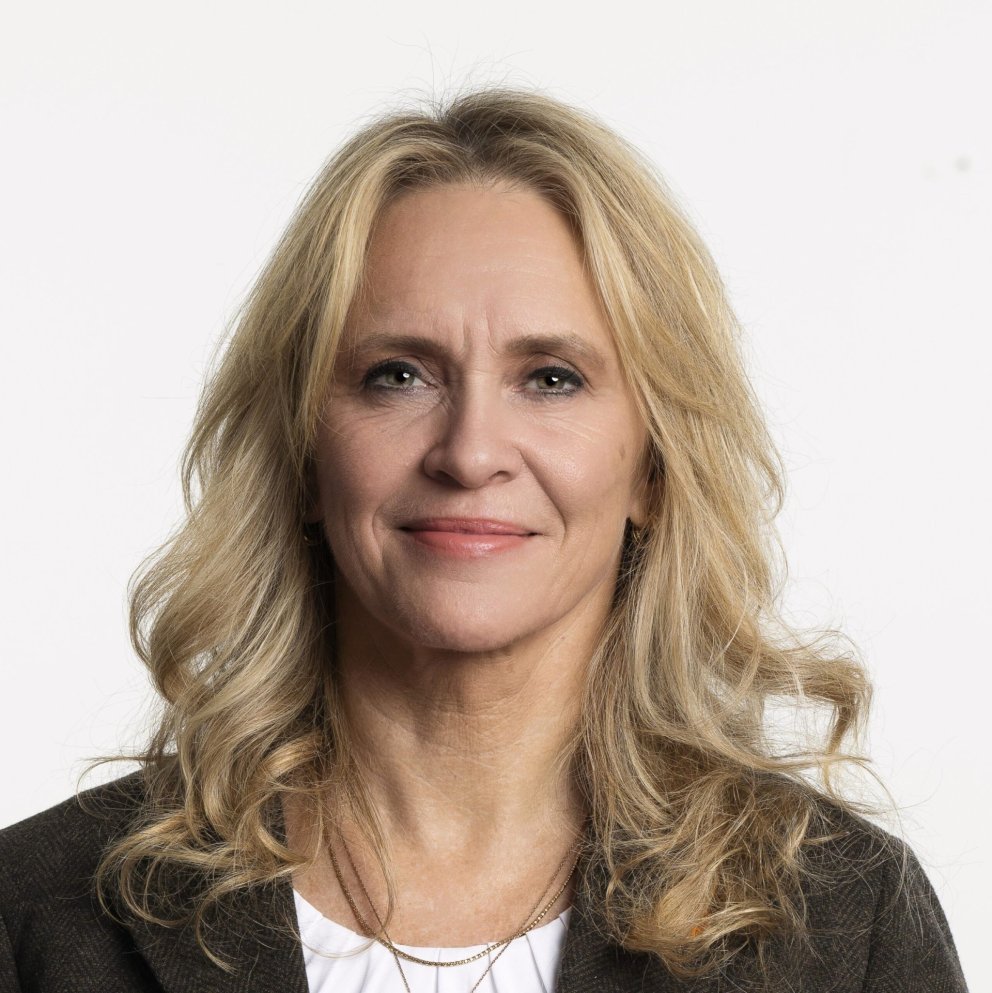
The author is the Minister for Foreign Affairs of Iceland, Ms Þorgerður Katrín Gunnarsdóttir.