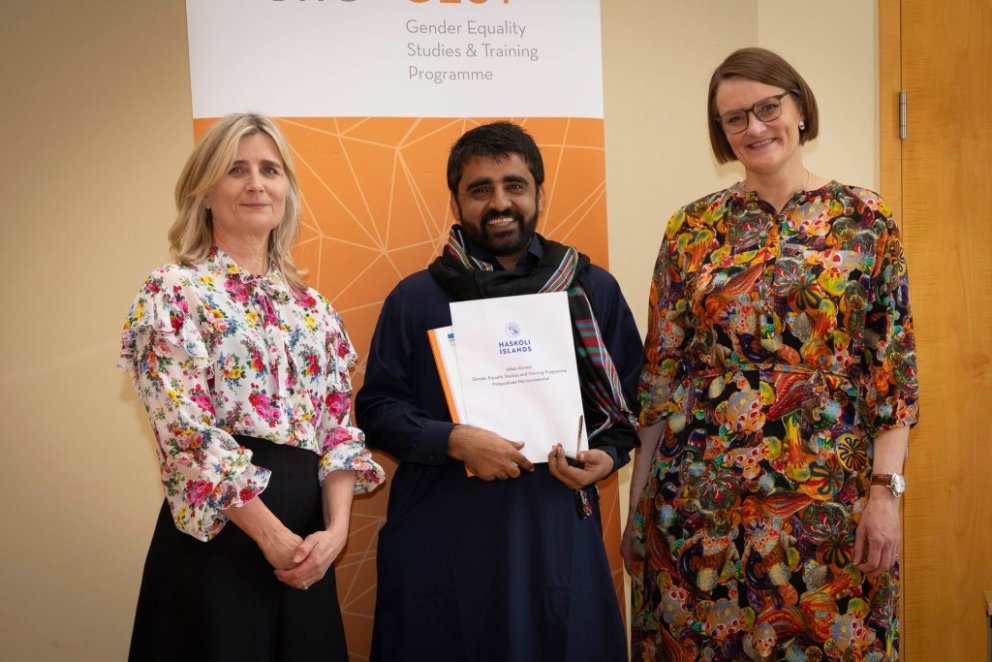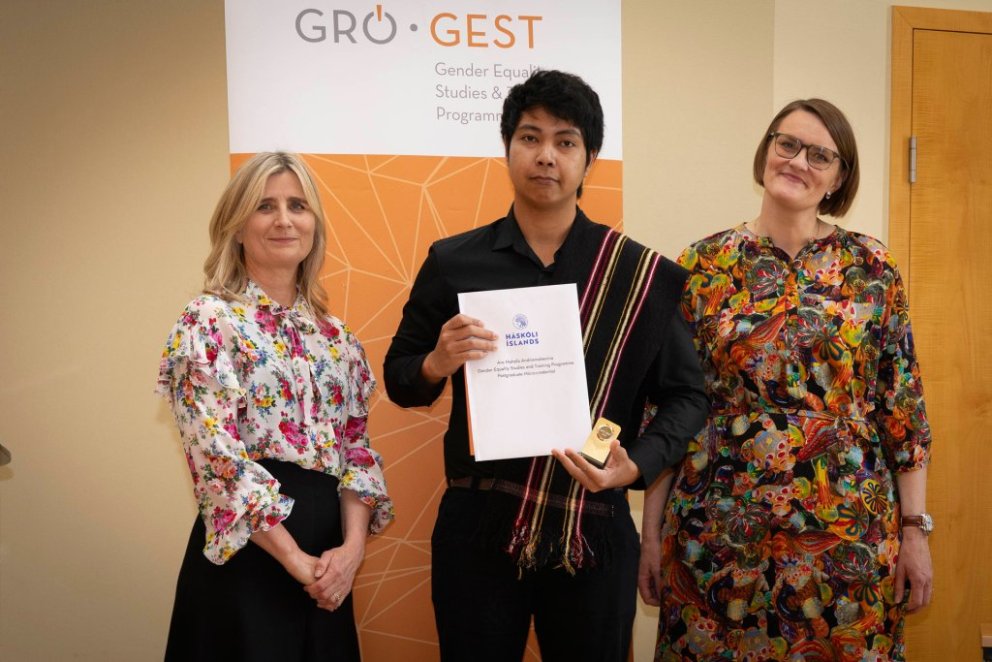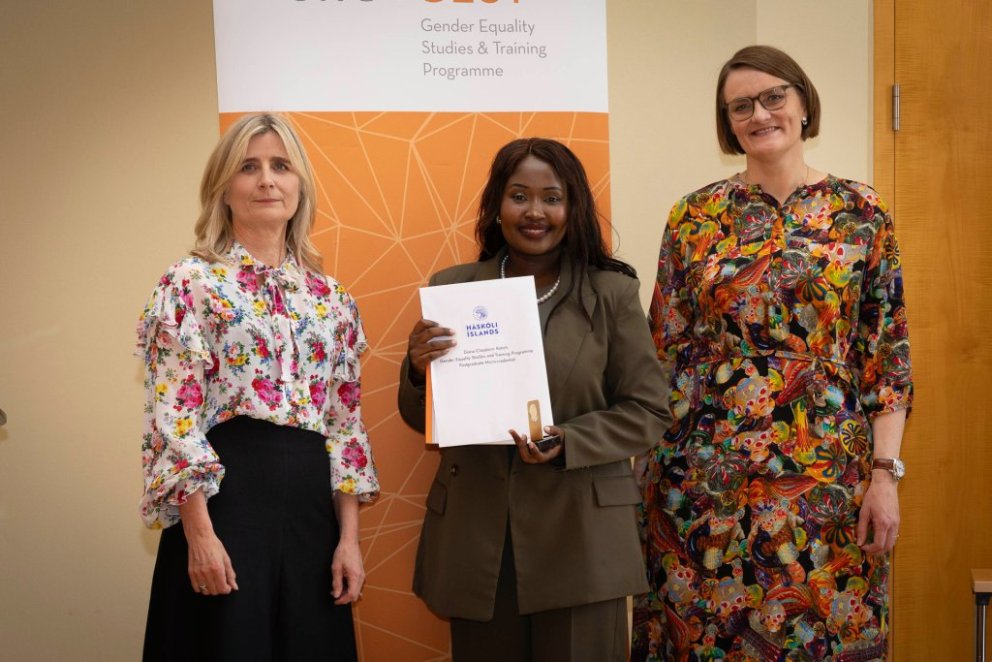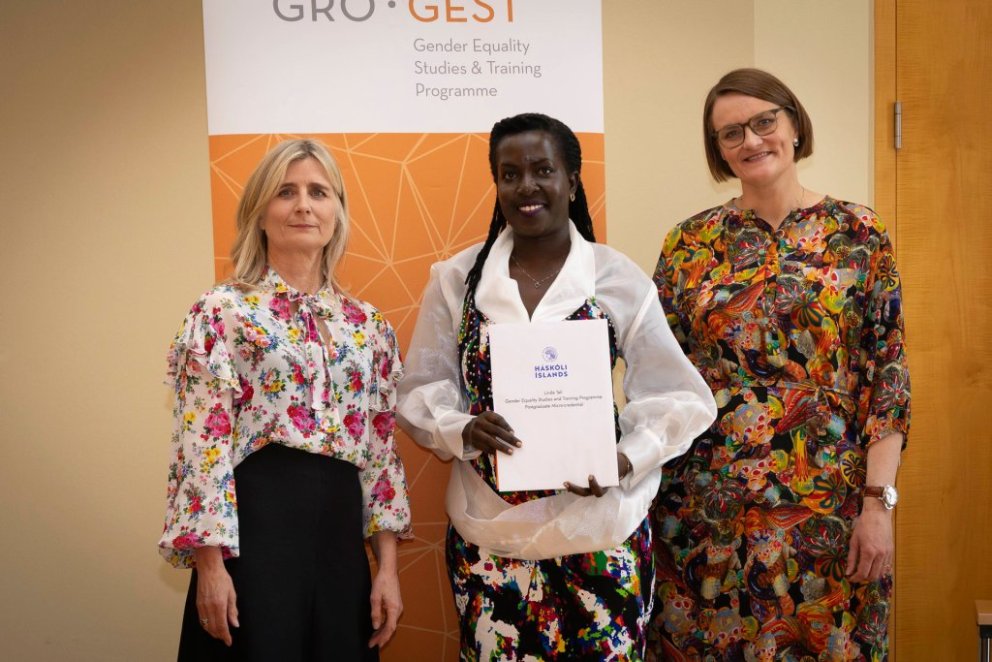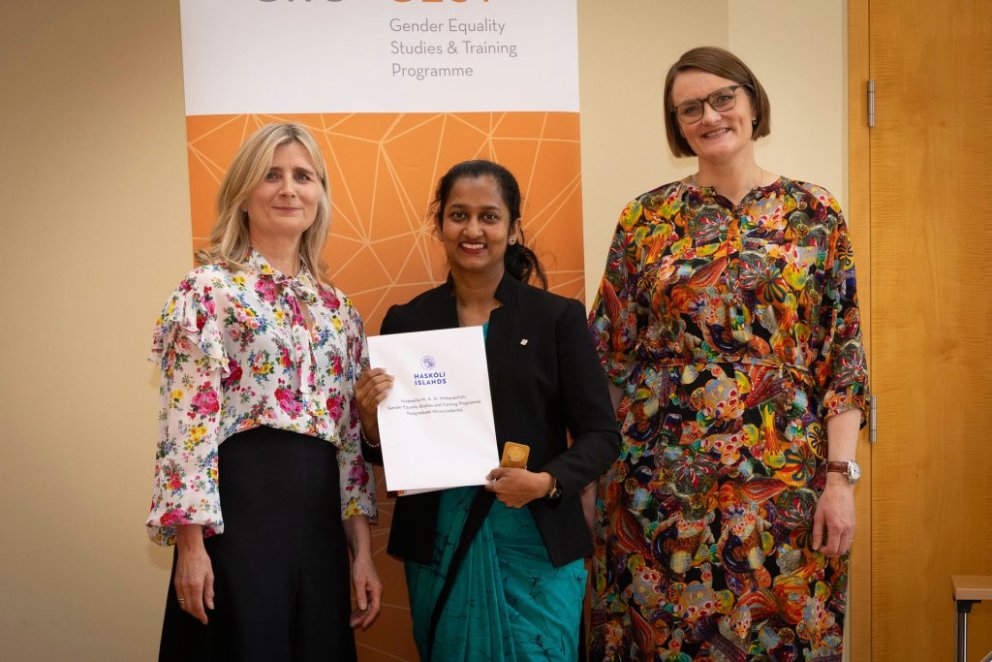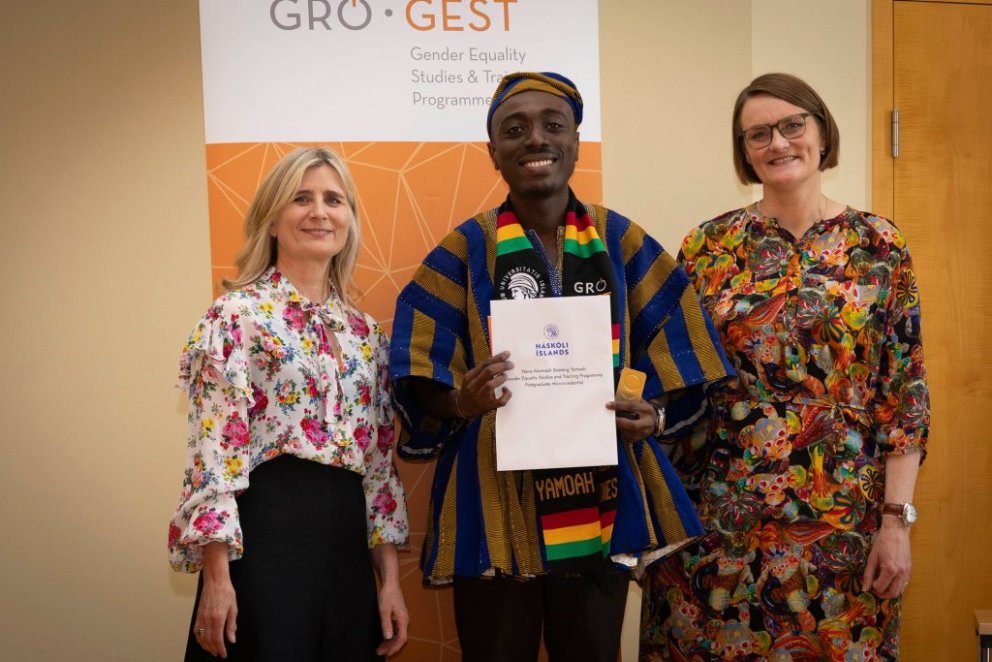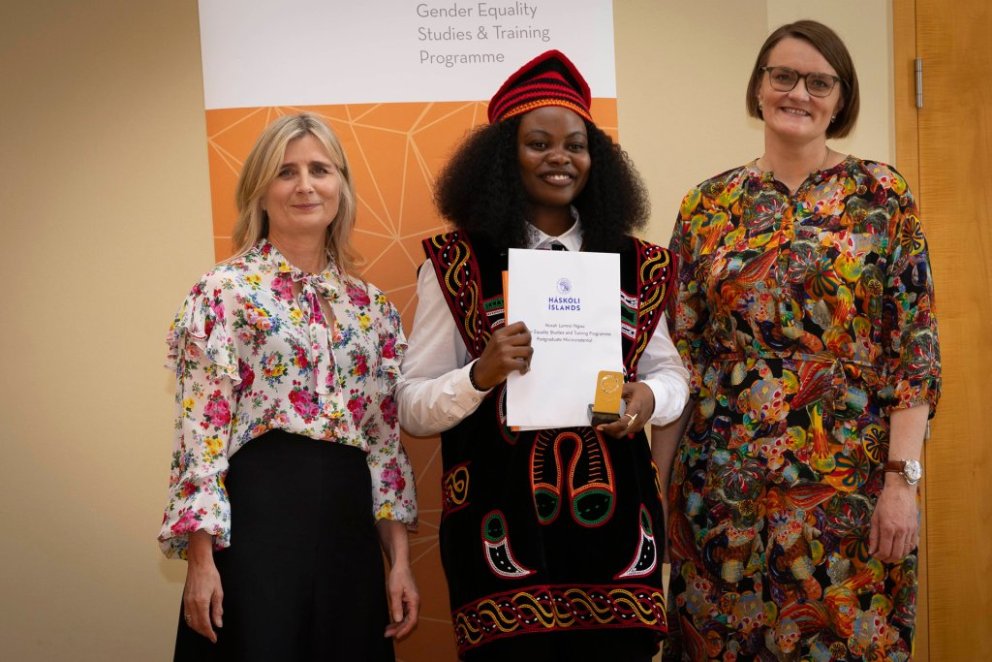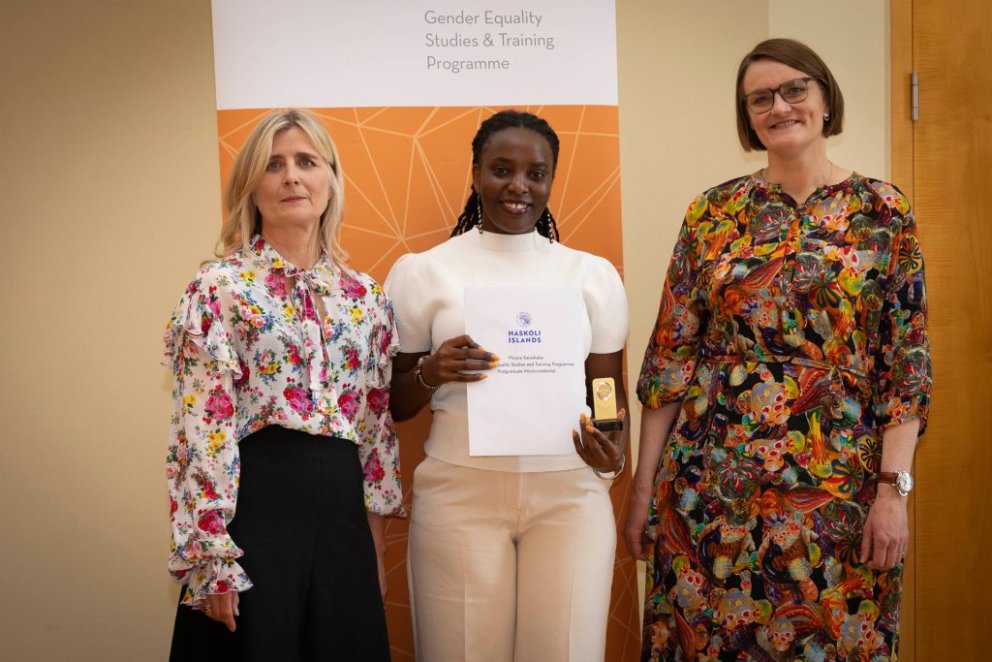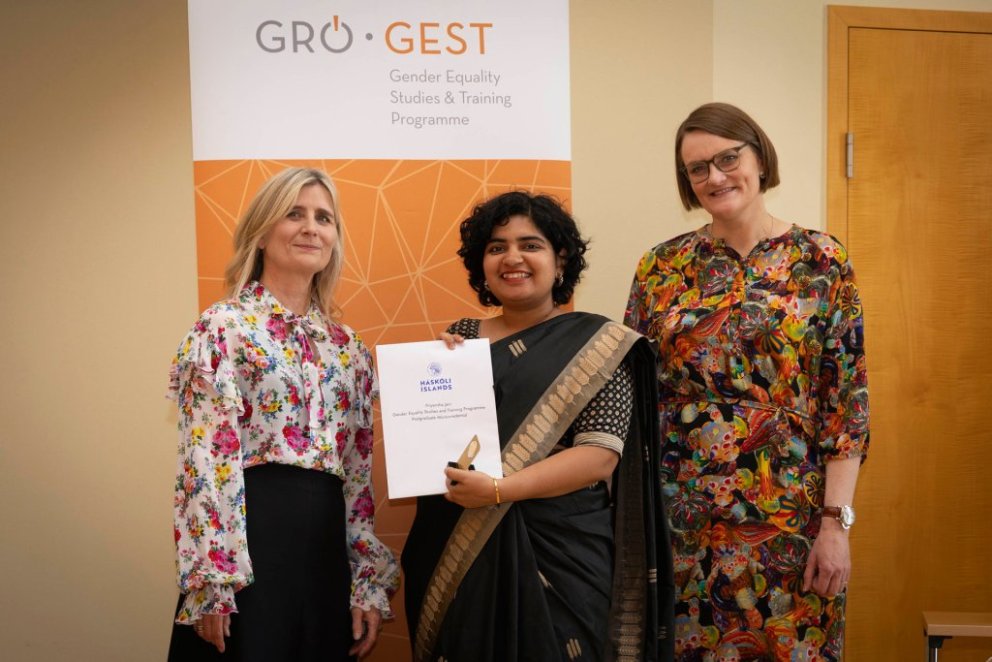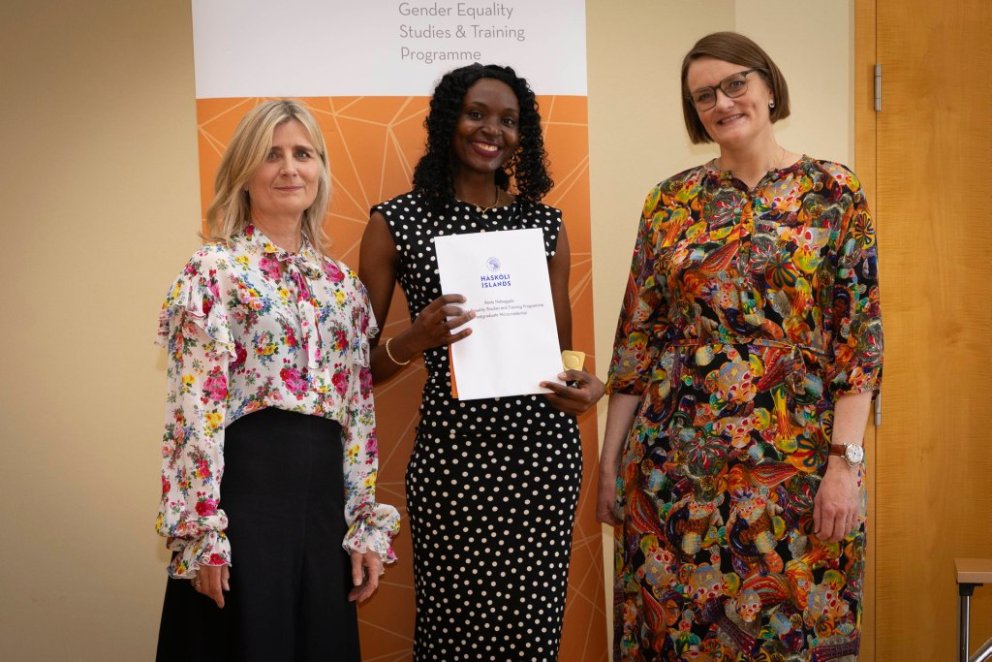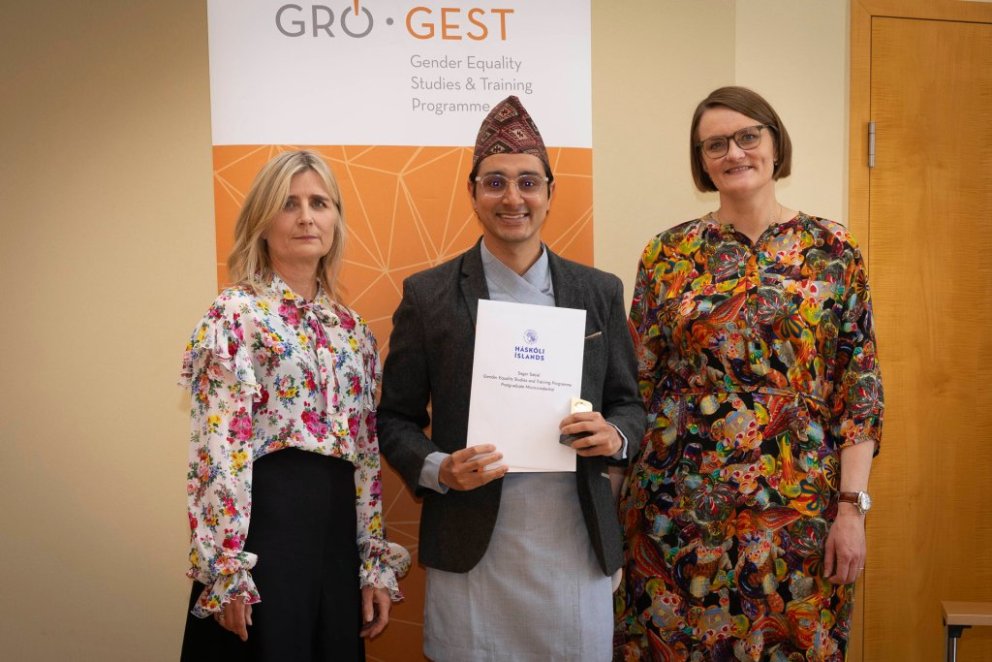
GRÓ GEST Graduation 2026
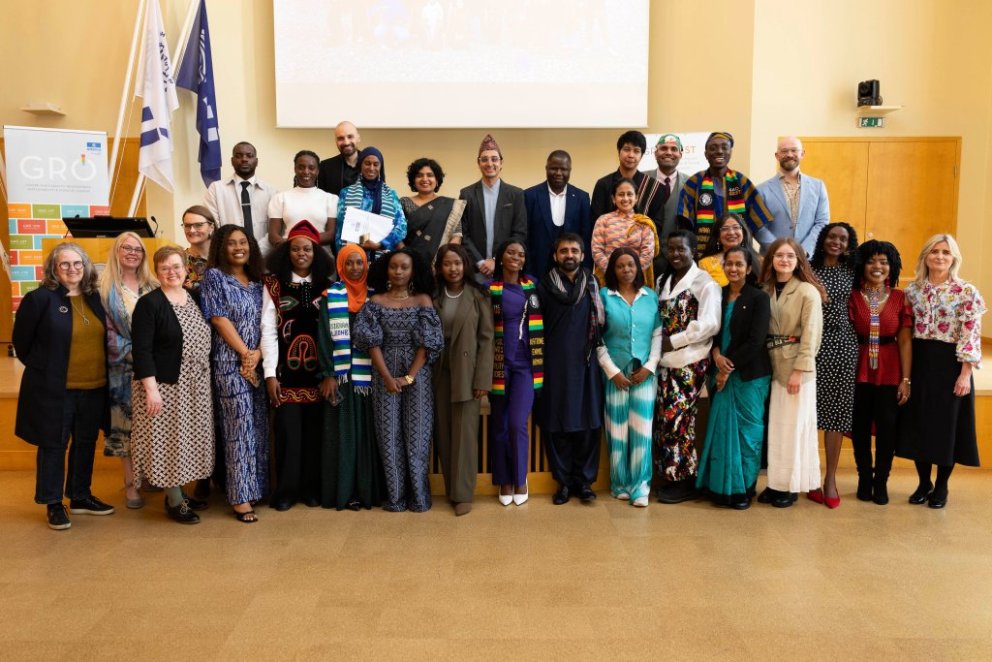
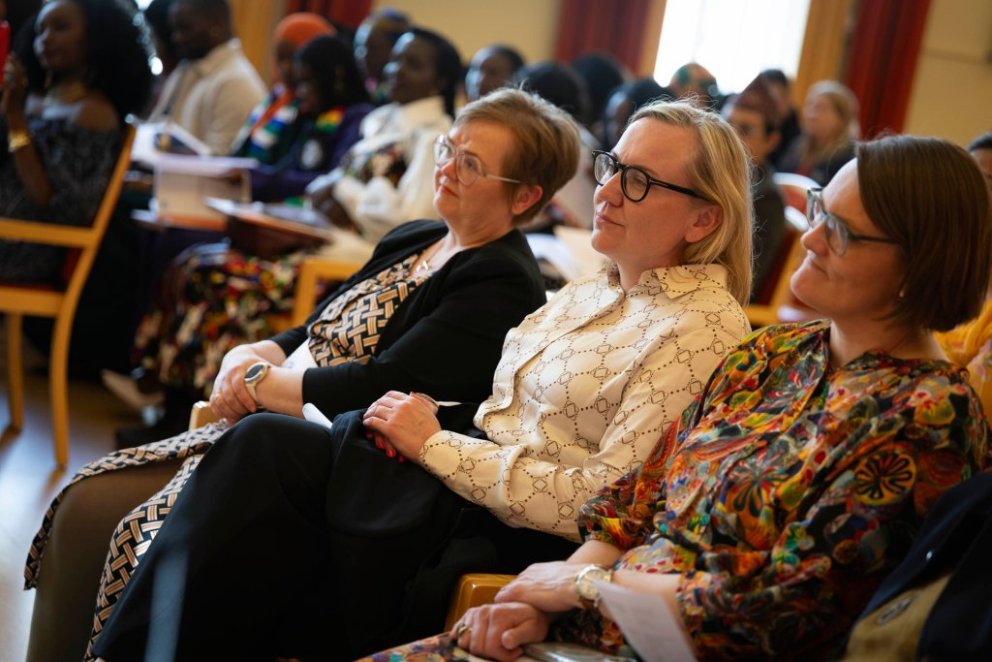
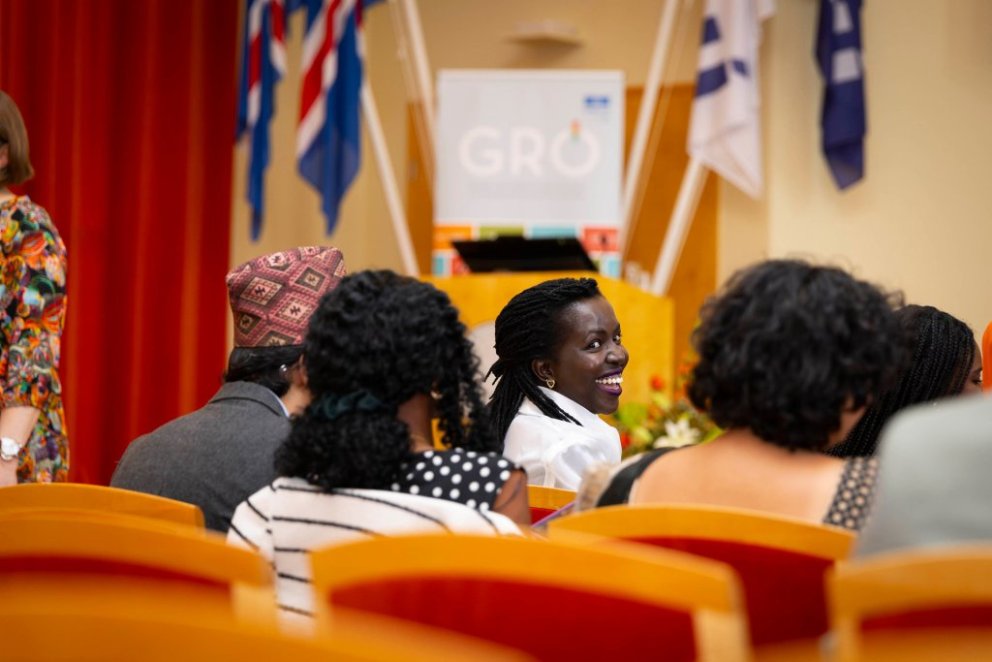
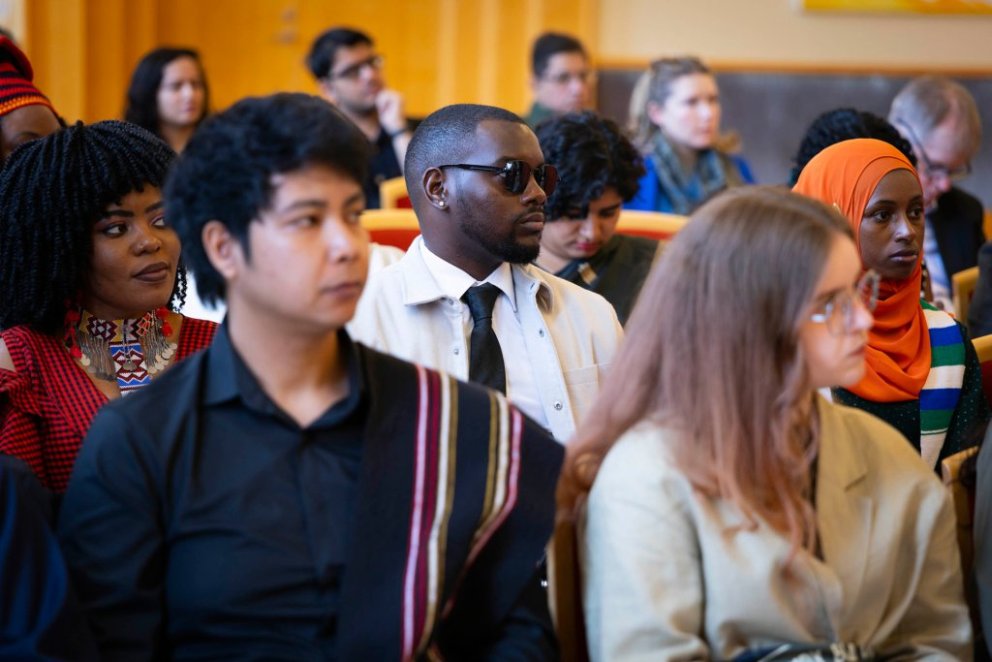
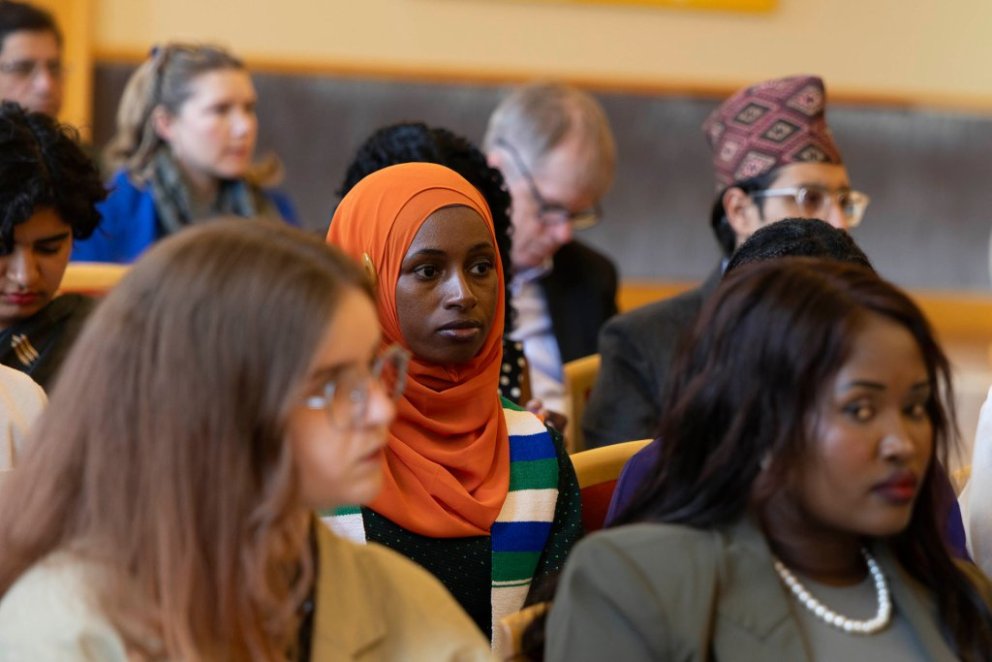
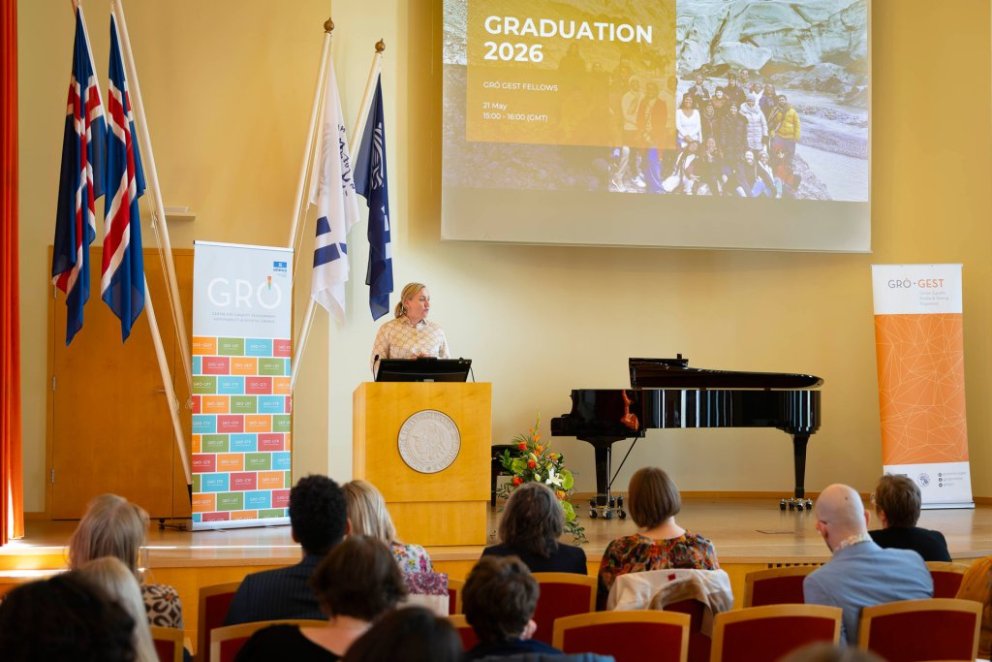
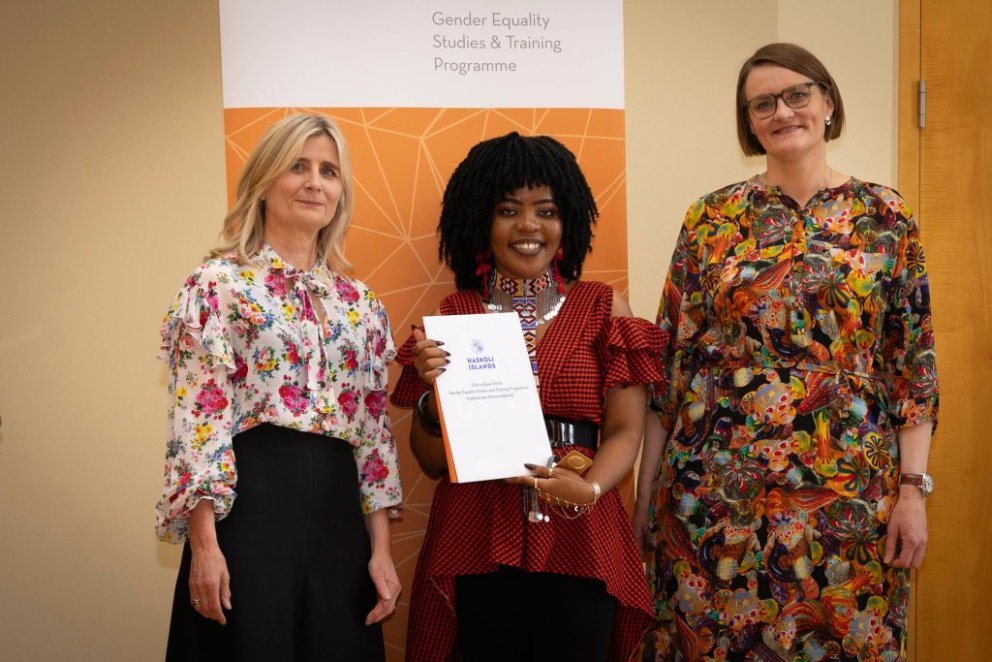
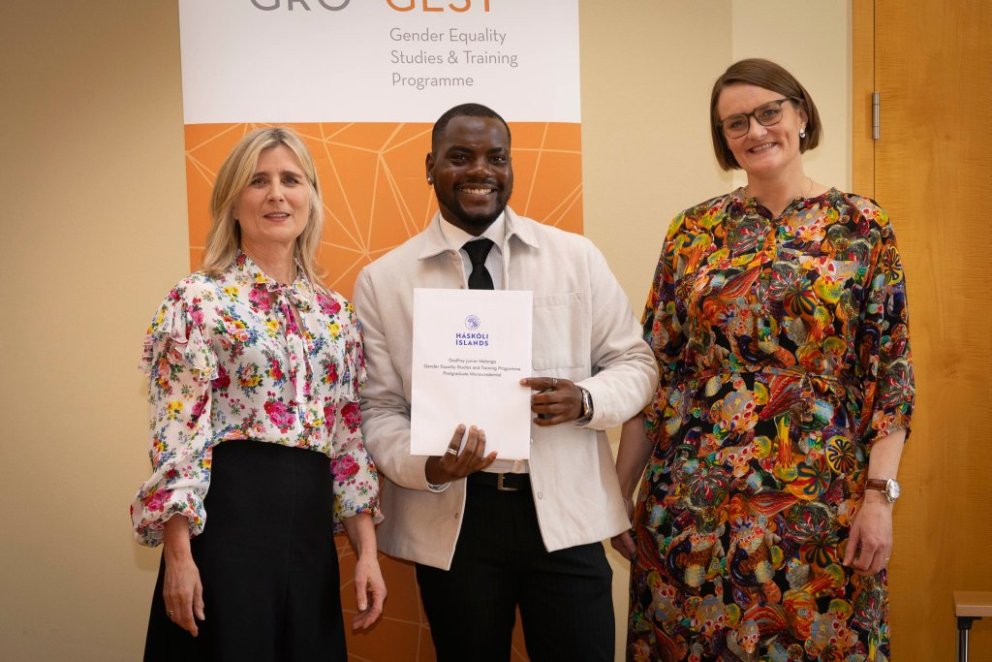
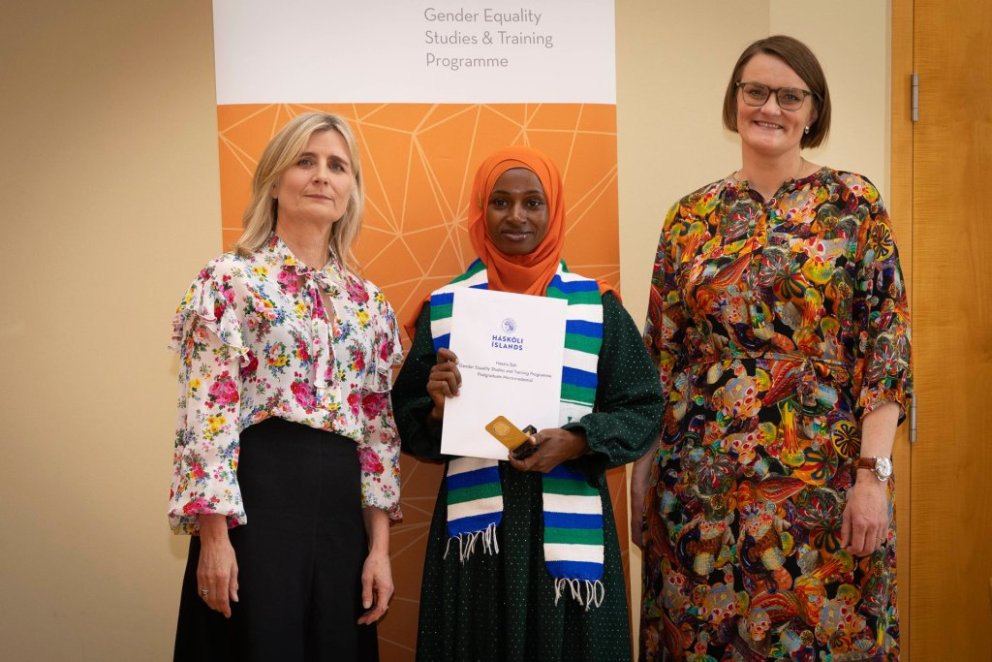
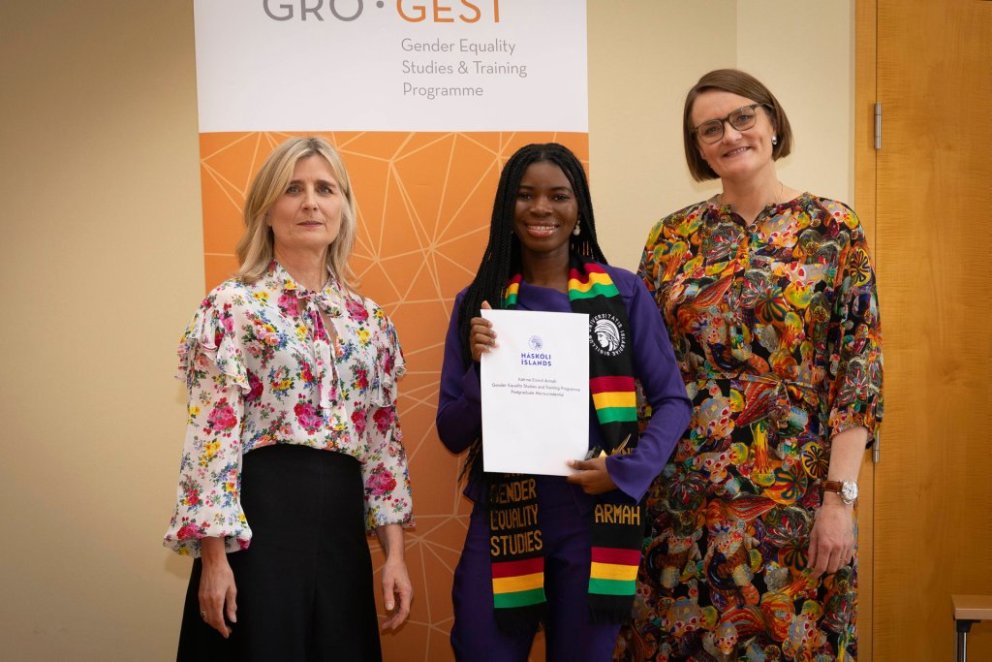
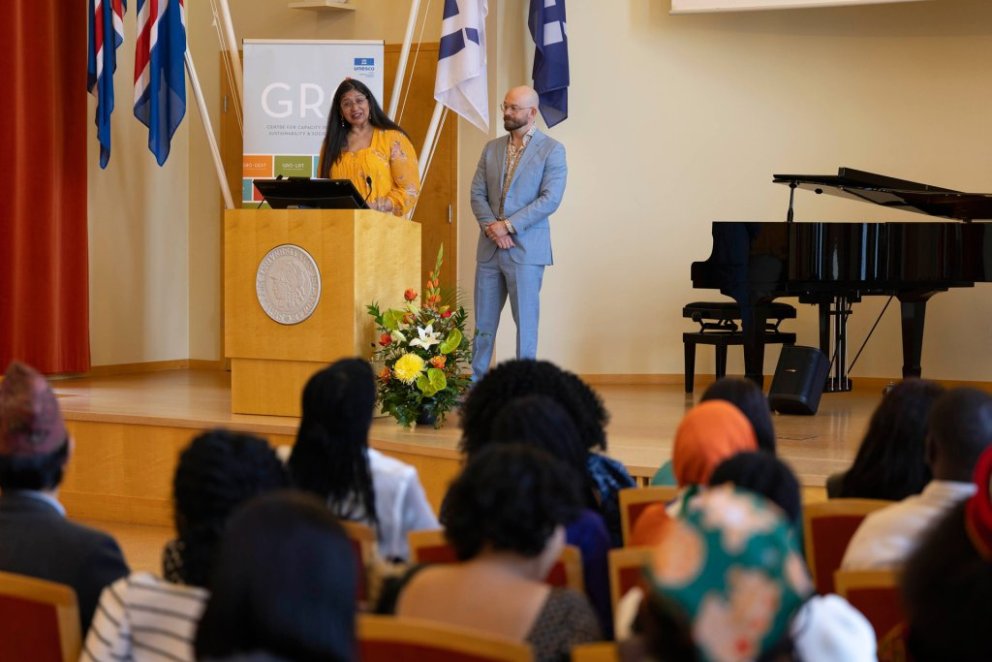
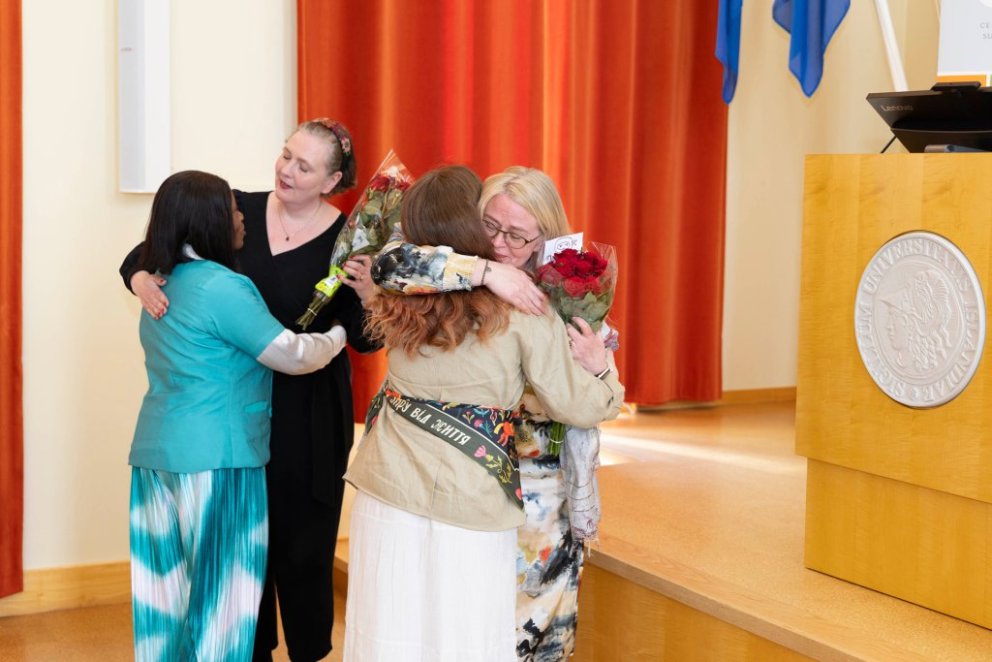
GRÓ GEST celebrated the graduation of its 18th cohort of gender equality professionals at the Main Ceremonial Hall of the University of Iceland on 21 May 2026.
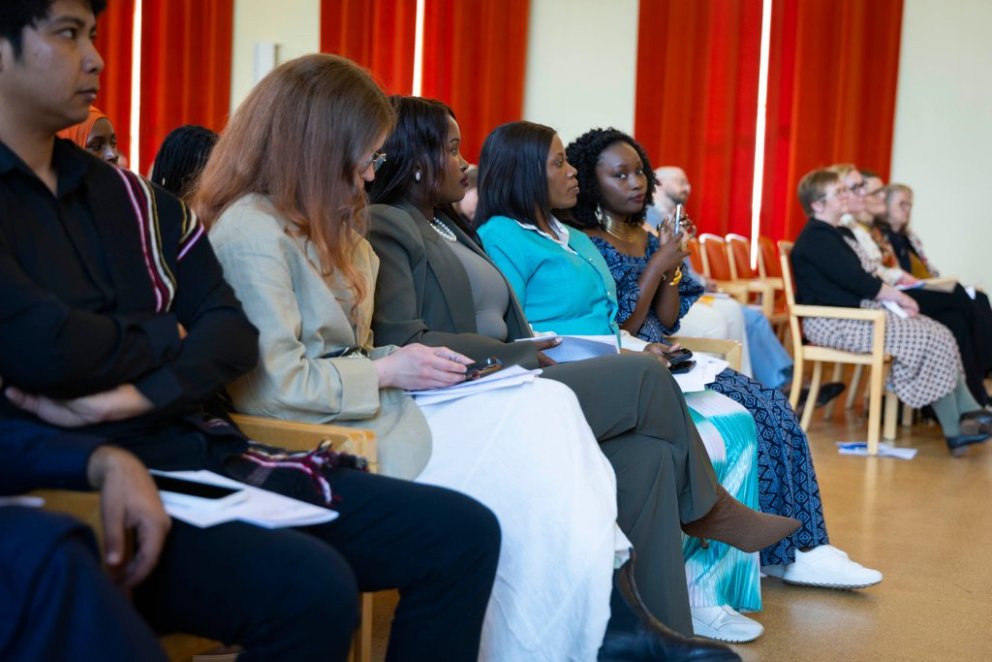
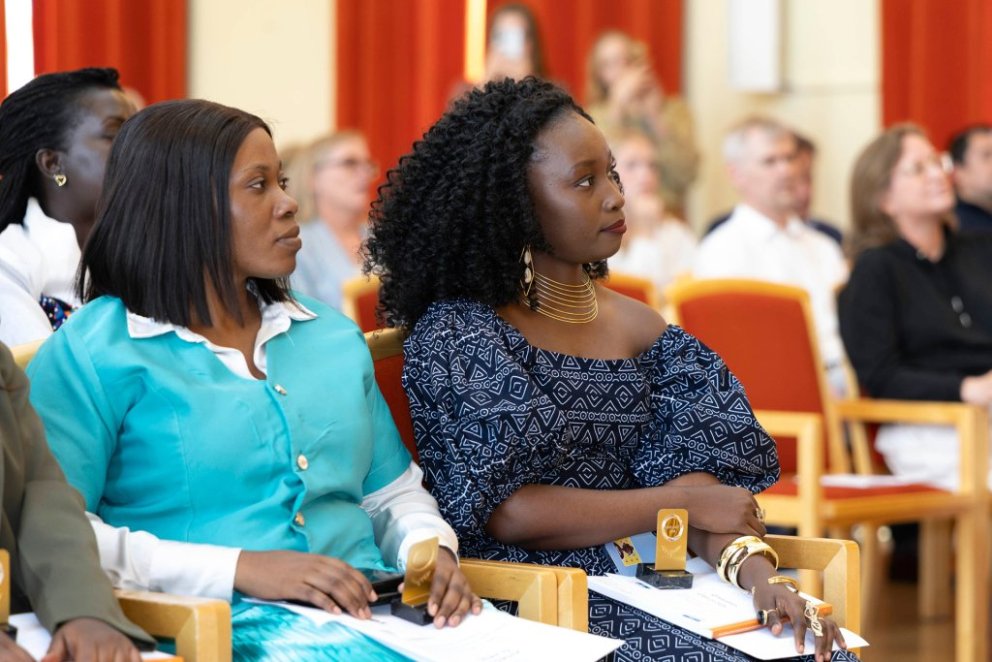
This year, 24 fellows from 15 countries completed the GRÓ Gender Equality Studies and Training Programme: Malawi, Pakistan, Madagascar, Ukraine, Kenya, Nigeria, Sierra Leone, Lebanon, Tanzania, Ghana, Uganda, Sri Lanka, Cameroon, India, and Nepal. With the graduation of the 2026 cohort, 291 fellows from 40 countries have now completed the programme since its inception.
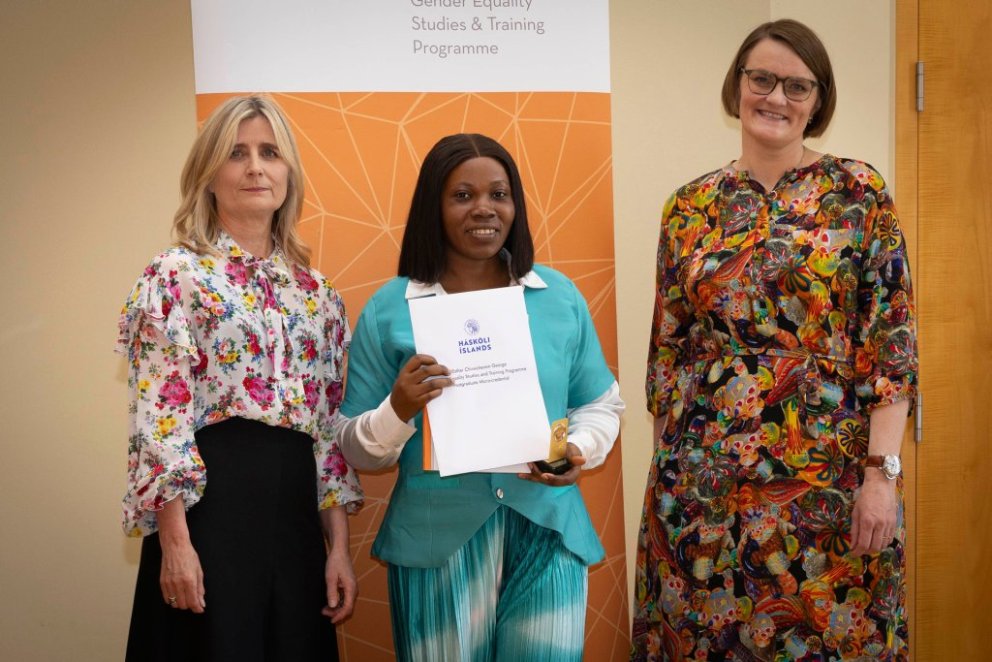
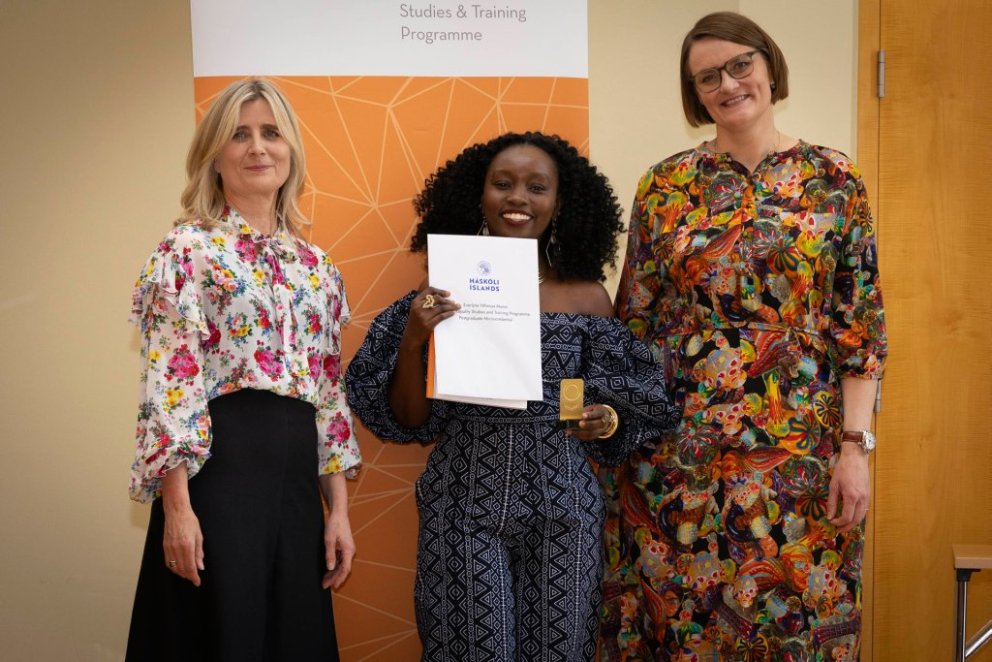
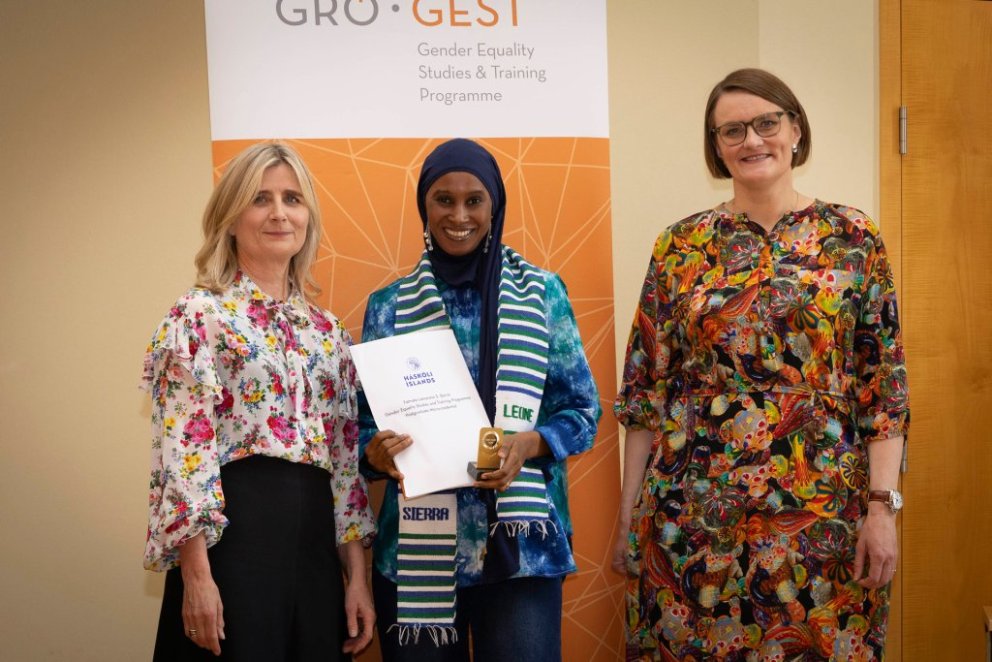
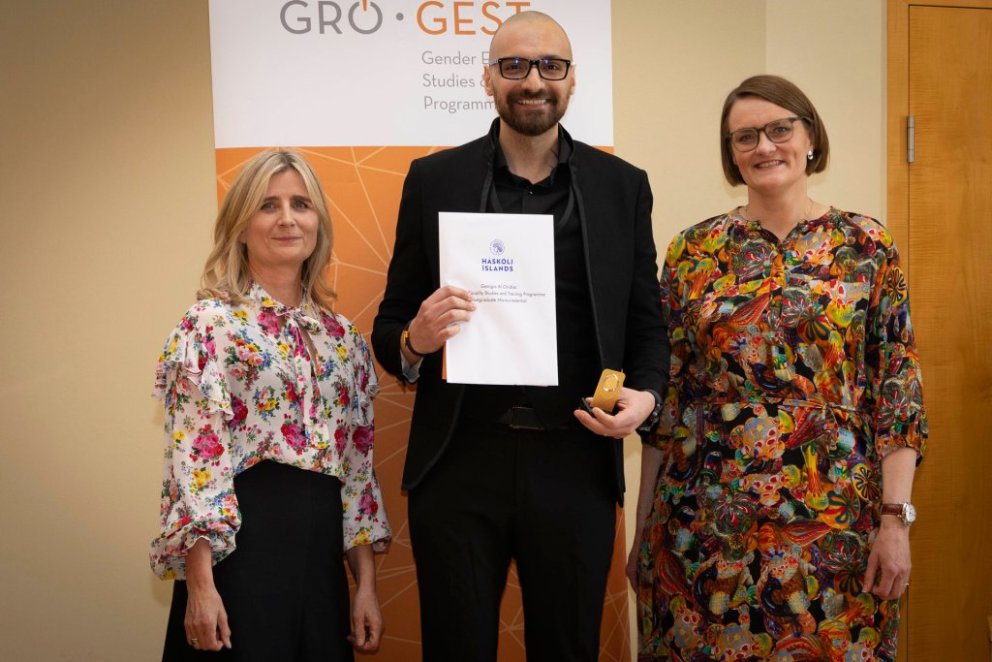
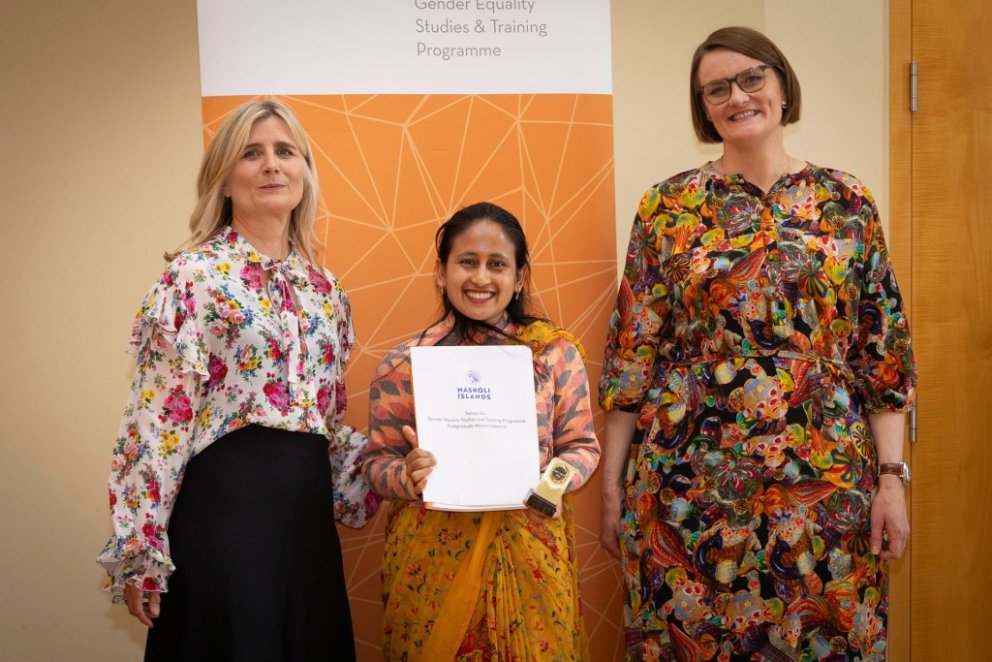
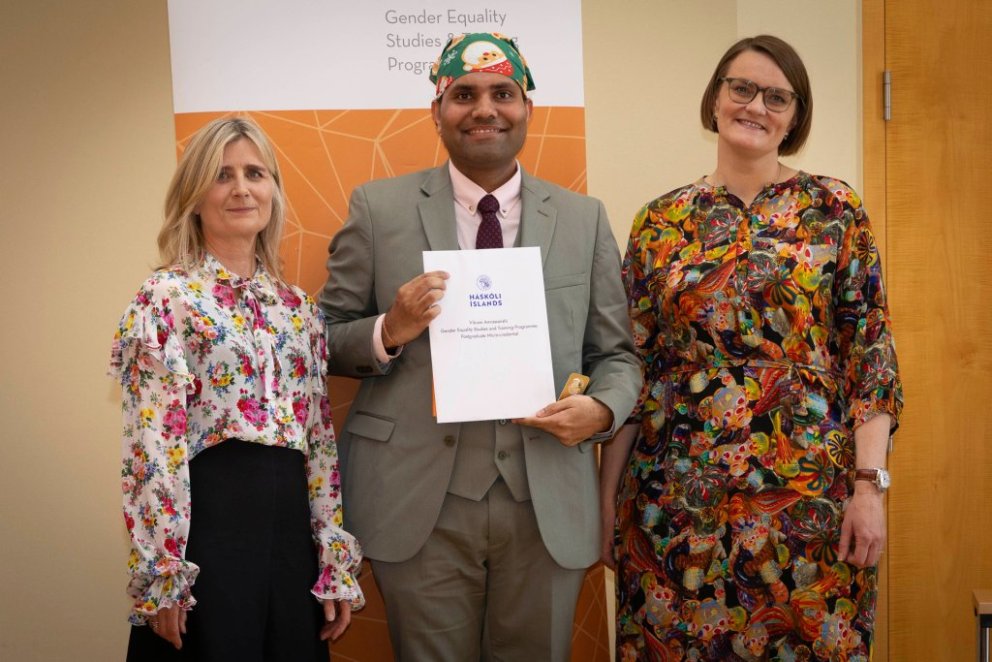
The 2026 fellows arrived in Iceland in January and spent five months in an intensive academic programme combining daily teaching, seminars, group work, supervised final assignments, institutional visits, and cultural learning. The fellows completed five teaching modules alongside their final supervised projects and were awarded a postgraduate microcredential in International Gender Equality Studies from the University of Iceland, corresponding to 30 ECTS credits, as well as a GRÓ diploma.
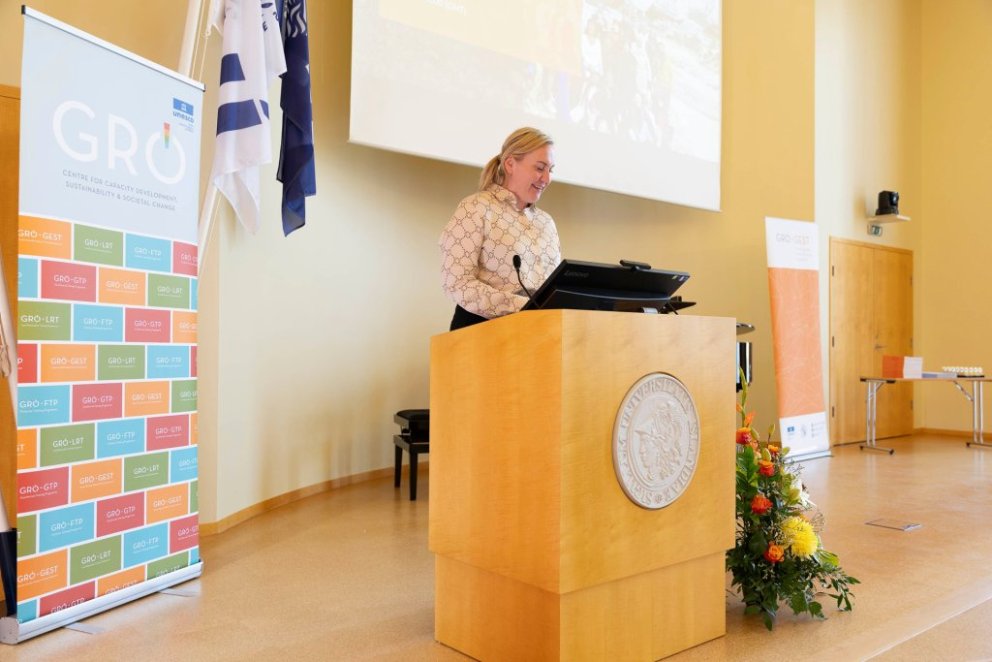
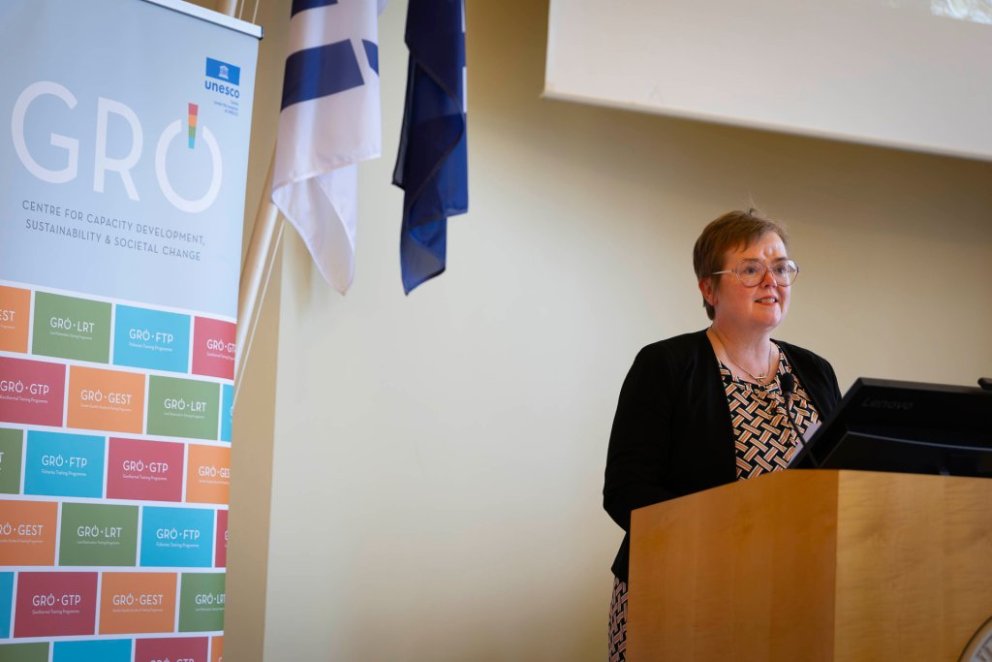
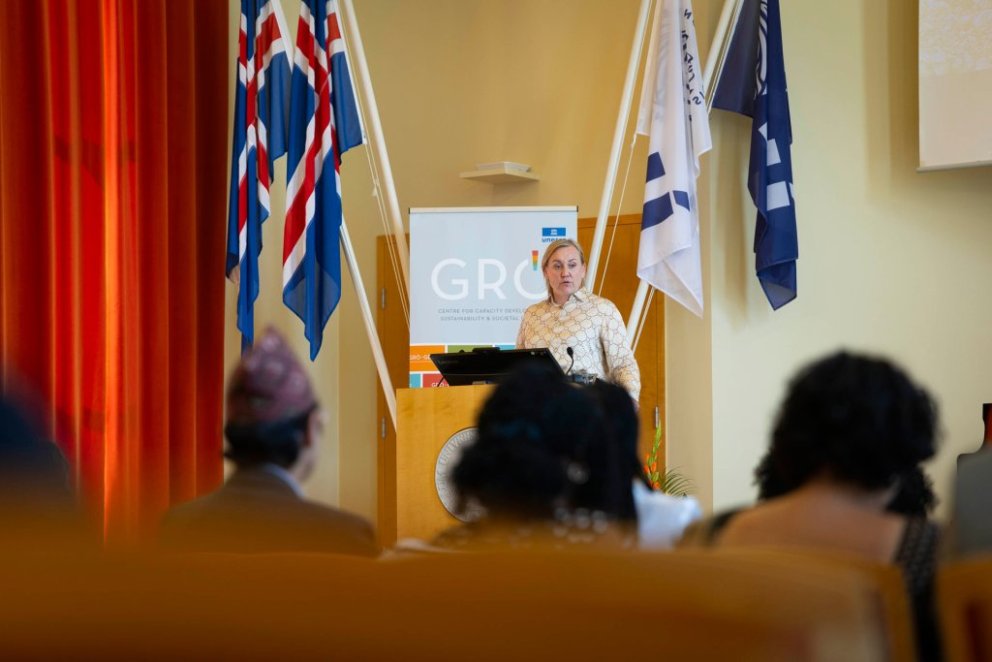
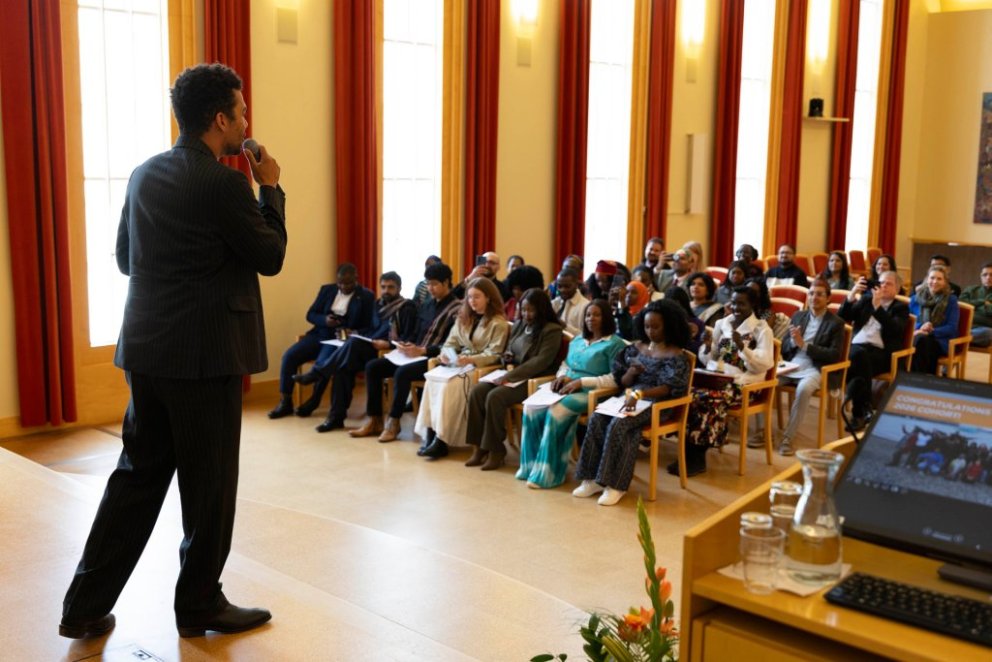
The ceremony opened with welcoming remarks by Dr. Irma Erlingsdóttir, Director of GRÓ GEST, who congratulated the fellows on completing a demanding semester and reflected on the growth of the programme as it approaches both 300 alumni and its 20th anniversary. Addresses were also delivered by Silja Bára Ómarsdóttir, Rector of the University of Iceland, and Þorbjörg Sigríður Gunnlaugsdóttir, Minister of Justice of Iceland. In her address, Ómarsdóttir emphasized the strong academic foundation and interdisciplinary nature of the GRÓ GEST programme, highlighting the importance of critical knowledge production and research in advancing gender equality. Gunnlaugsdóttir, meanwhile, focused more on the policy and governance dimensions of gender equality work, underlining the importance of human rights, international cooperation, and the role of the fellows as professionals and changemakers within their home countries and communities.
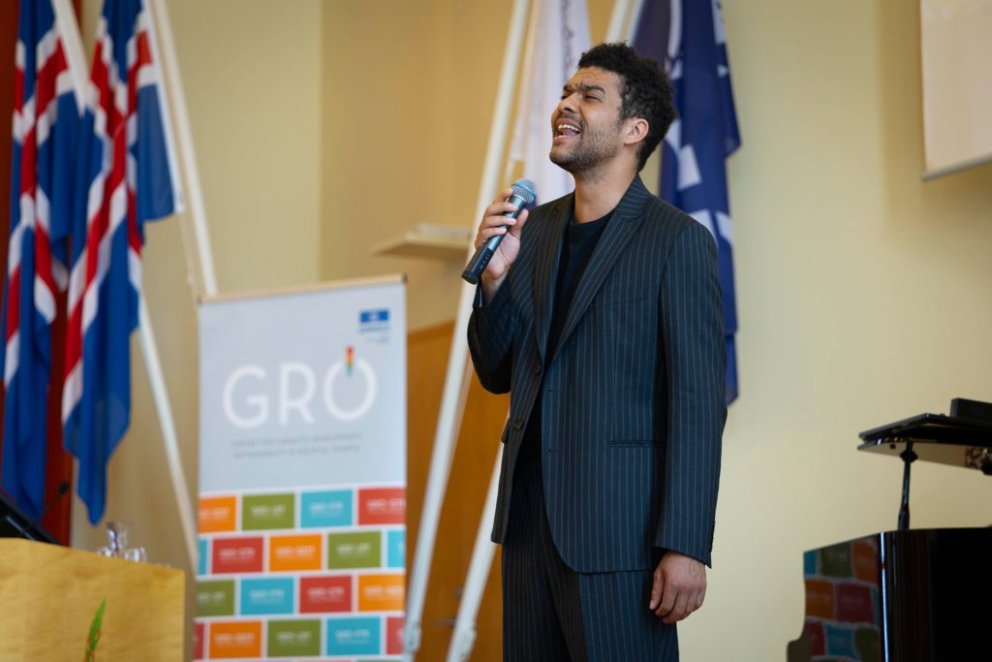
The ceremony also included musical performances by Unnsteinn Manuel Stefánsson, accompanied on piano by Tómas Jónnson, who performed the song Er þetta ást? Later in the programme, they returned to perform Glow.
A cohort shaped by mutual learning and support
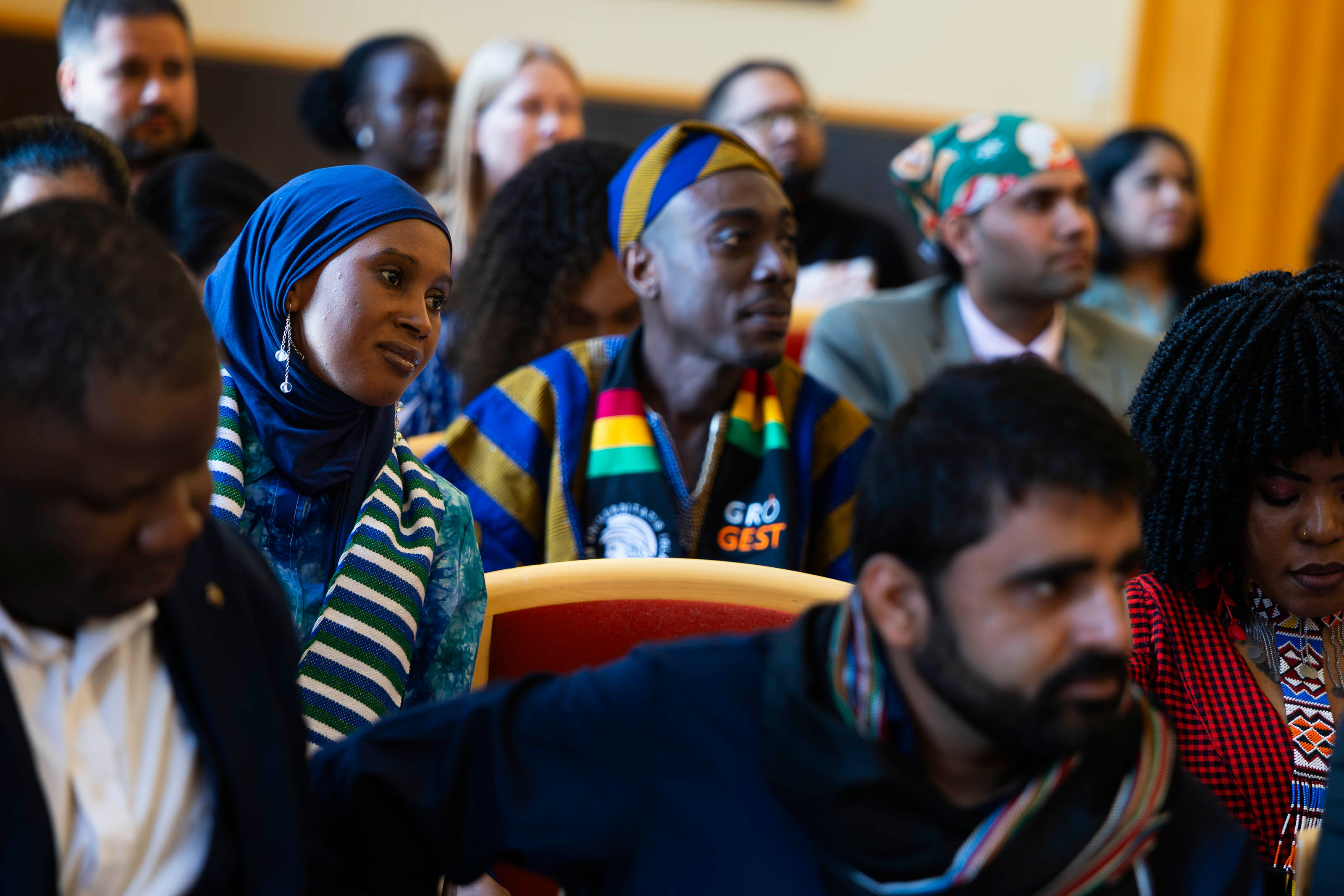
Following the distribution of diplomas, the fellows’ address was delivered by Georgio Al Chidiac from Lebanon and Norah Lumnyi Ngwa from Cameroon. Their speech offered a warm and humorous reflection on the cohort’s shared journey: arriving in the Icelandic winter, adapting to darkness and cold, navigating buses, facing demanding assignments, and gradually becoming a close and supportive community.
Norah described how group work became one of the first places where fellows built strong connections beyond the classroom. She recalled how, on a day of black ice, her group members held hands to make their way across slippery roads, while other groups celebrated one another’s birthdays and supported each other through the pressures of the semester.
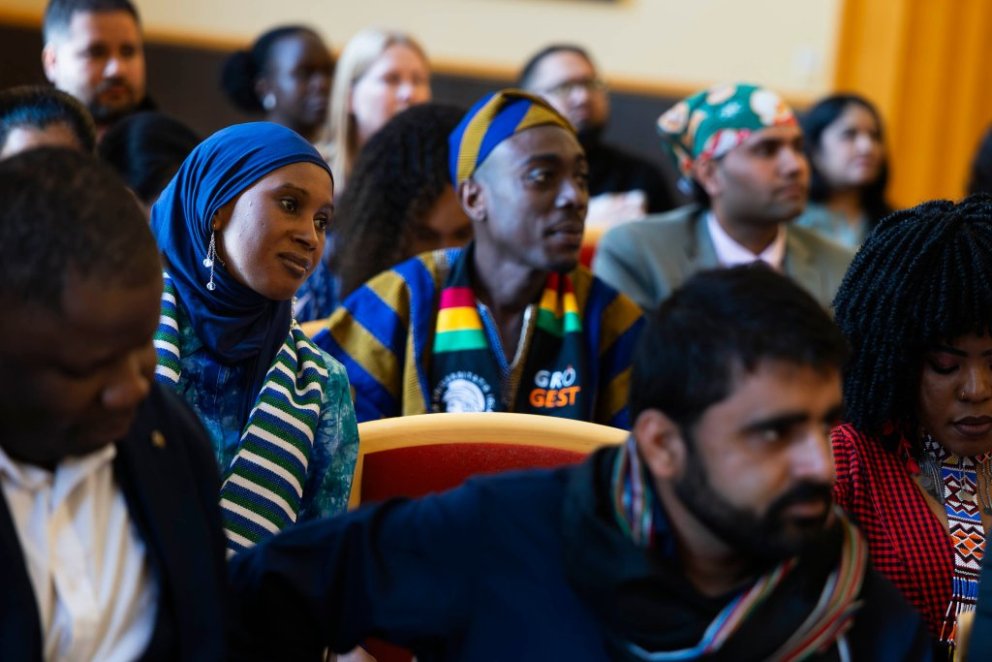
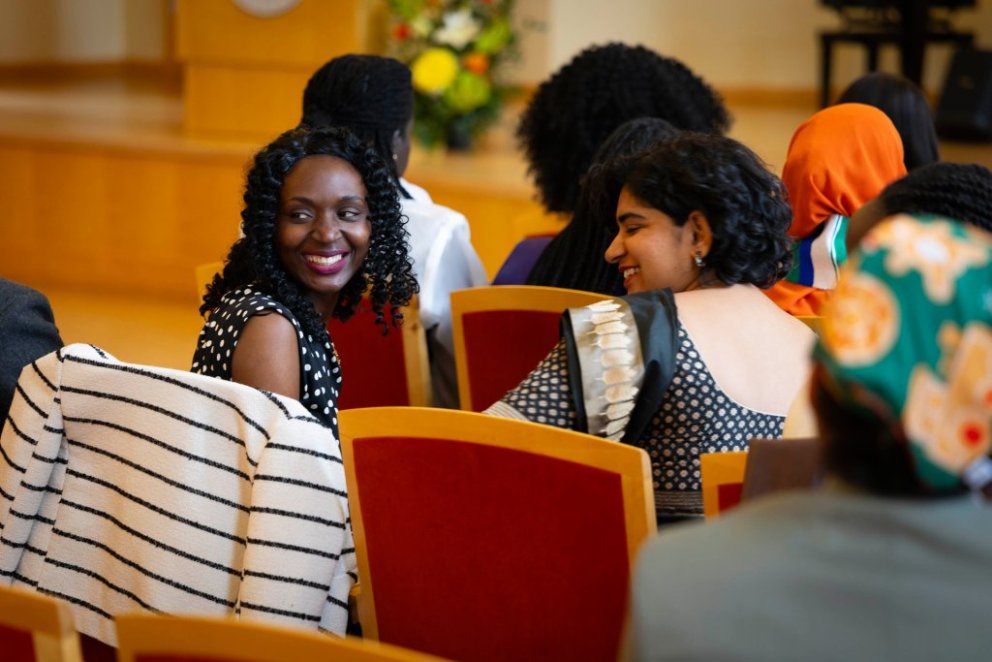
Reflecting on the strength of the cohort, Norah described how the fellows became “each other’s keeper,” supporting one another through disagreement, homesickness, illness, assignments, and the everyday challenges of adjusting to life in Iceland. “Never have I seen 24 people from 15 countries meet and bond so well,” she said. “We did not always agree, but we were respectful in our disagreements.”
The fellows also spoke about one of the cohort’s most meaningful collective initiatives: supporting Daryna-Mariia Zavhorodnia from Ukraine in organising the first Unissued Diplomas exhibition in Iceland, commemorating Ukrainian students whose lives were cut short by Russia’s war before they were able to graduate.
Georgio reflected on how the programme had expanded the fellows’ understanding of gender and strengthened their sense of activism and responsibility. He described the experience as one that gave the fellows “a more humble mindset, one where we learned to value what we do not know as much as what we know.”
Georgio also reflected on how visits to the President of Iceland and the Icelandic Parliament helped the fellows see public authority from a different perspective. The experience, he said, “made us realize how small the distance can be between citizens and authority.”
The fellows ended their address by looking toward the work ahead: “We return home not only with knowledge, but with hope, motivation, and most importantly, a sense of responsibility to keep pushing, keep questioning, and keep striving for the changes we believe in.”
The Vigdís Finnbogadóttir Awards
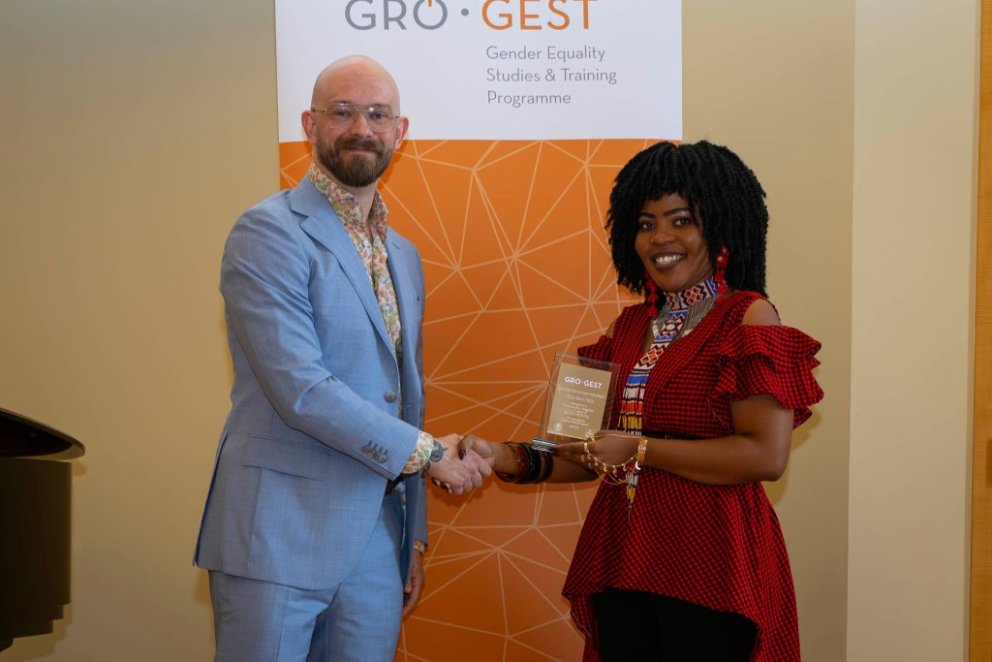
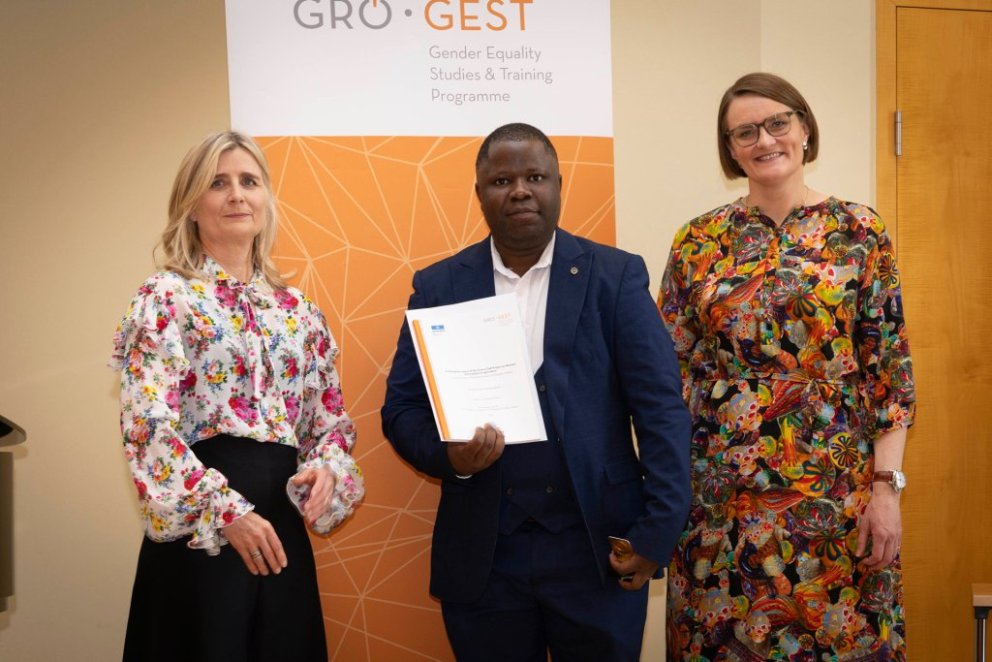
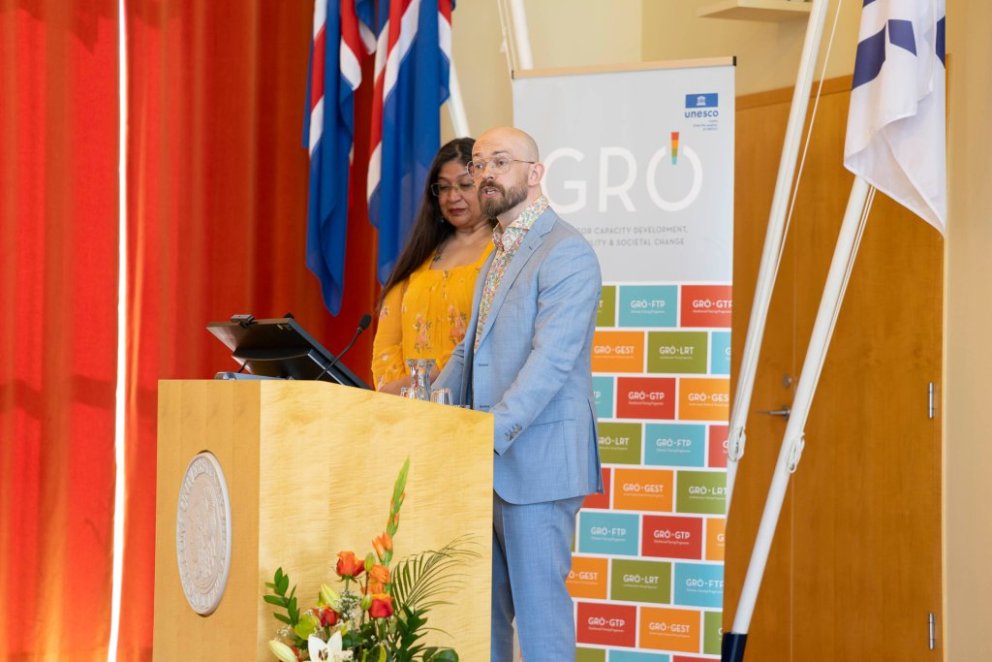
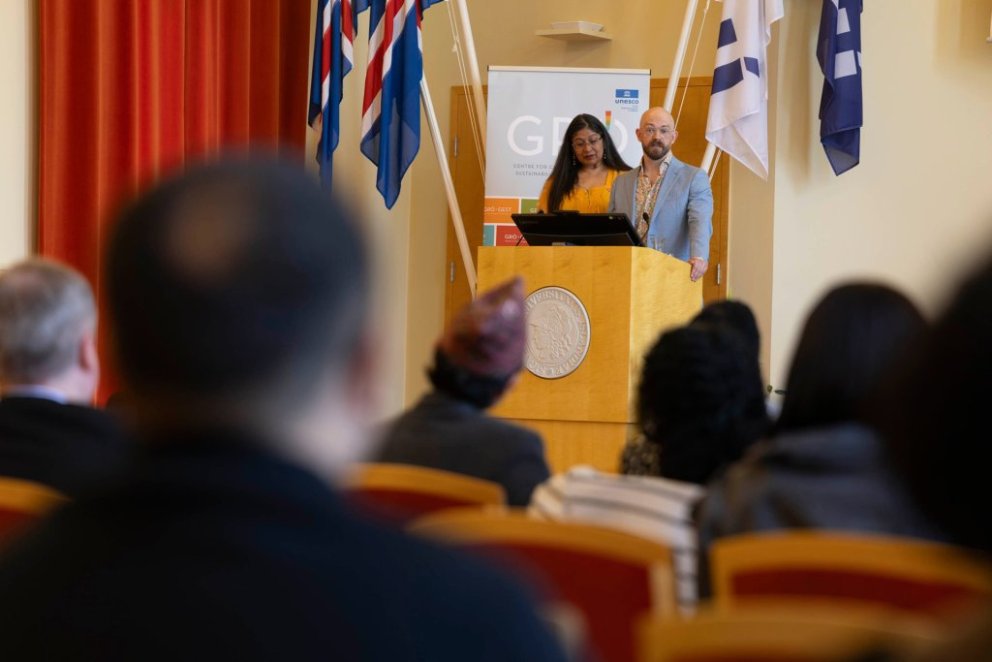
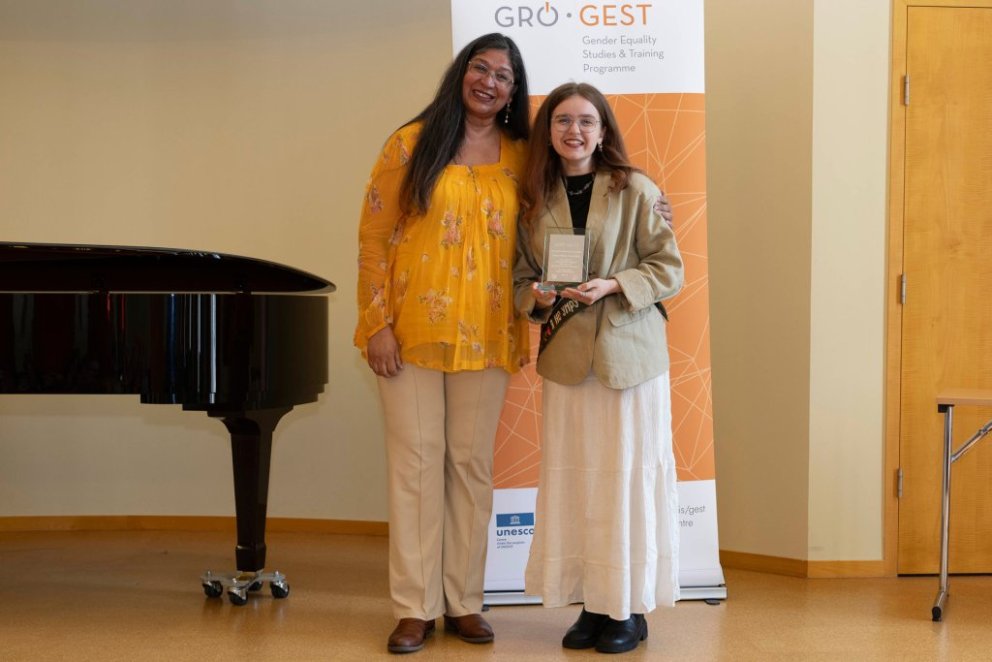
A central part of the graduation ceremony was the presentation of the Vigdís Finnbogadóttir Awards for the best final assignments. The awards were presented by Dr. Thomas Brorsen Smidt, Senior Programme Manager at GRÓ GEST, and Dr. Giti Chandra, Research Specialist at GRÓ GEST.
The award is named in honour of Vigdís Finnbogadóttir, former President of Iceland, patron and long-time supporter of the GEST programme, and the first woman in the world to be democratically elected as head of state. The award recognises outstanding final assignments in two categories: applied project proposals and research assignments.
This year’s cohort produced a wide range of strong final assignments addressing urgent questions related to public health, political participation, education, migration, violence prevention, masculinities, care work, institutional change, community transformation, and the everyday ways in which gendered power shapes people’s lives.
The Vigdís Finnbogadóttir Award in the category of applied projects was awarded to Dr. Gloria E. Swilla from Tanzania for her project Addressing Gender Disparities in Antimicrobial Resistance: Empowering Women and Engaging Men in Shinyanga Region, Tanzania.
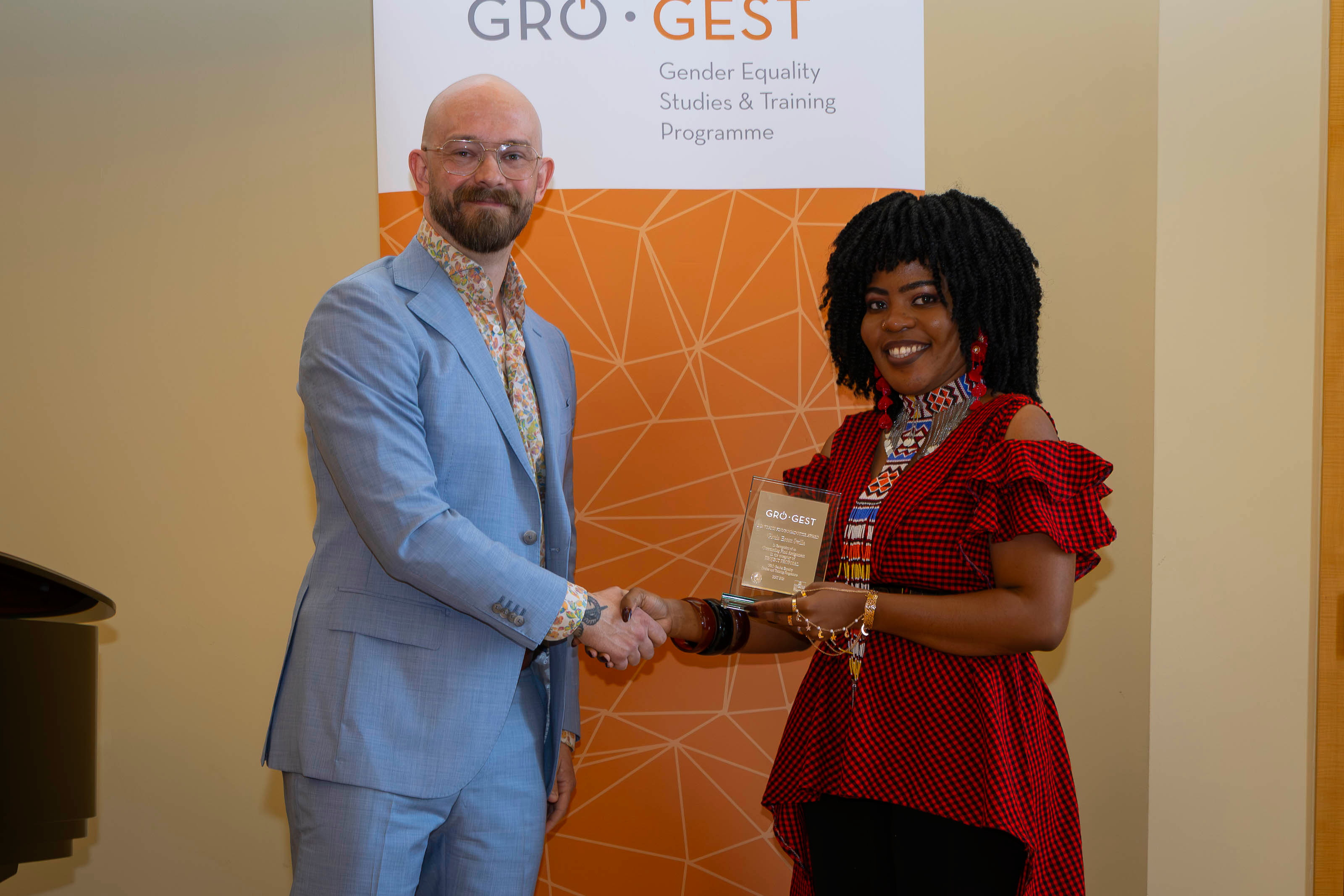
Dr Gloria E. Swilla from Tanzania receives the Vigdís Finnbogadóttir Award for her project
The project addresses antimicrobial resistance through a gender-responsive and community-based approach. It shows how AMR is shaped not only by prescriptions, health systems, and technical expertise, but also by everyday patterns of care, access, hygiene, treatment, and household decision-making. The proposed project focuses on Shinyanga Region in Tanzania, where it aims to empower women and girls as AMR champions while engaging men and boys as partners in transforming household health practices.
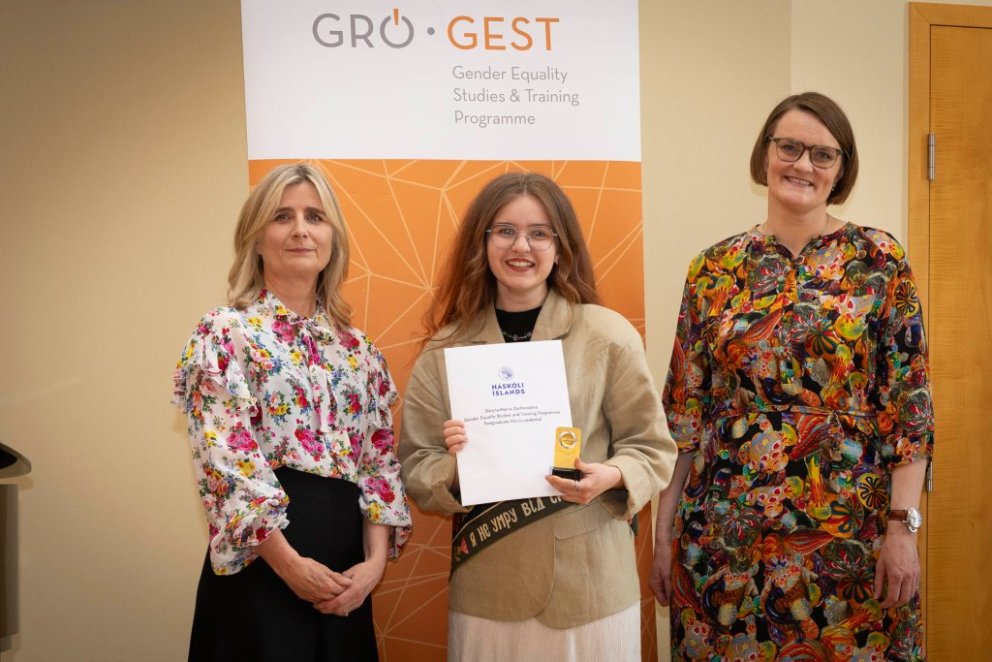
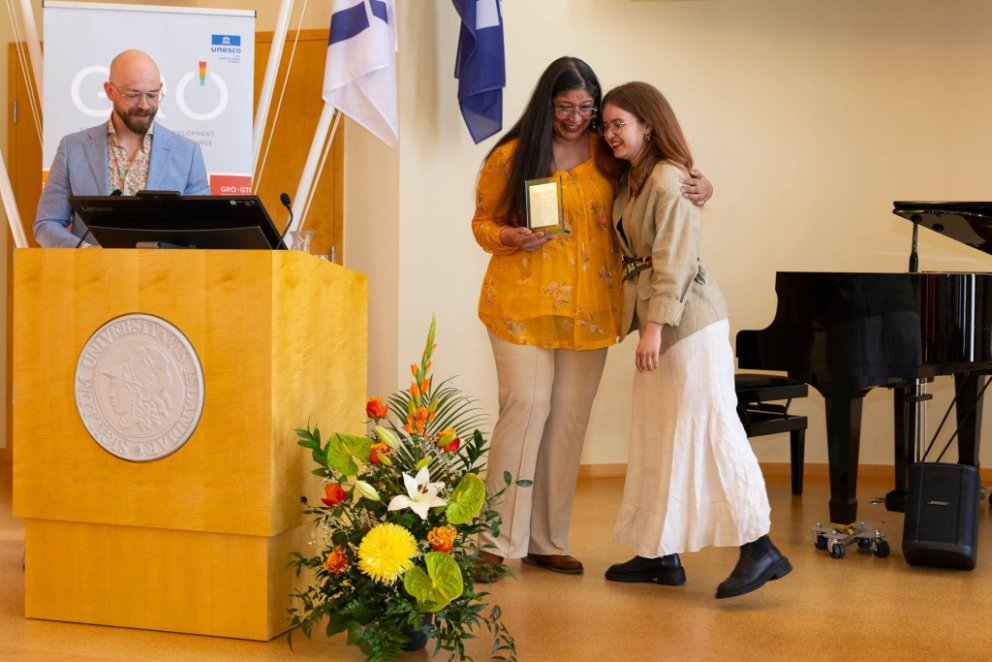
The Vigdís Finnbogadóttir Award in the category of research was awarded to Daryna-Mariia Zavhorodnia from Ukraine for her research assignment The Impact of Russia’s Full-Scale War on Women’s Political Participation in Ukraine.
Her research examines women local deputies in Ukraine who resigned after Russia’s full-scale invasion and asks whether these resignations should be understood only as withdrawal from politics, or also as a relocation of political agency into other forms of civic and professional engagement. Drawing on quantitative data and nine semi-structured interviews, the assignment explores how war, mobility restrictions, political pressure, military administrations, economic precarity, and exhaustion have shaped women’s political participation. It also shows how many women continued to act politically through civil society, volunteering, charitable foundations, NGOs, and other informal forms of participation.
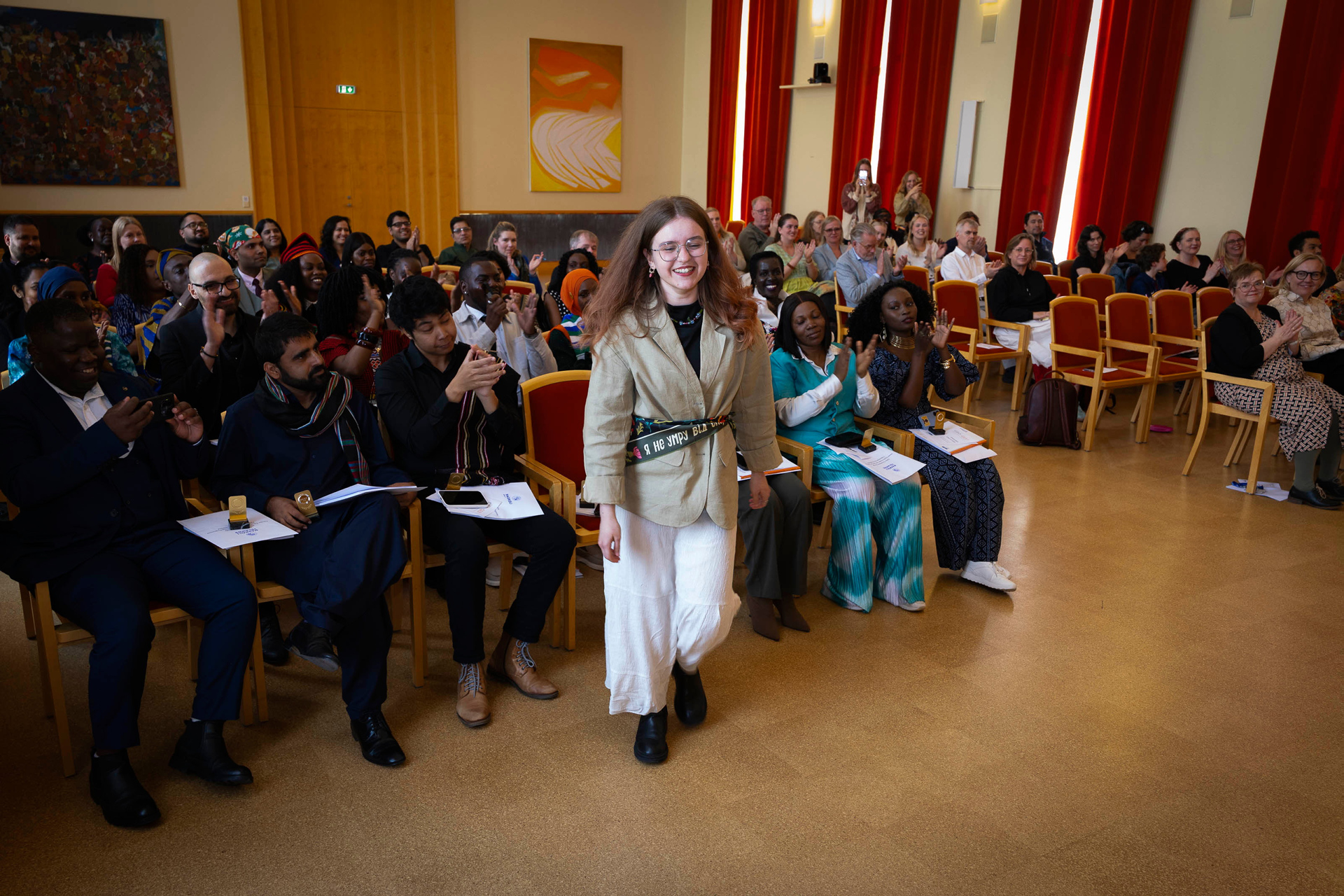
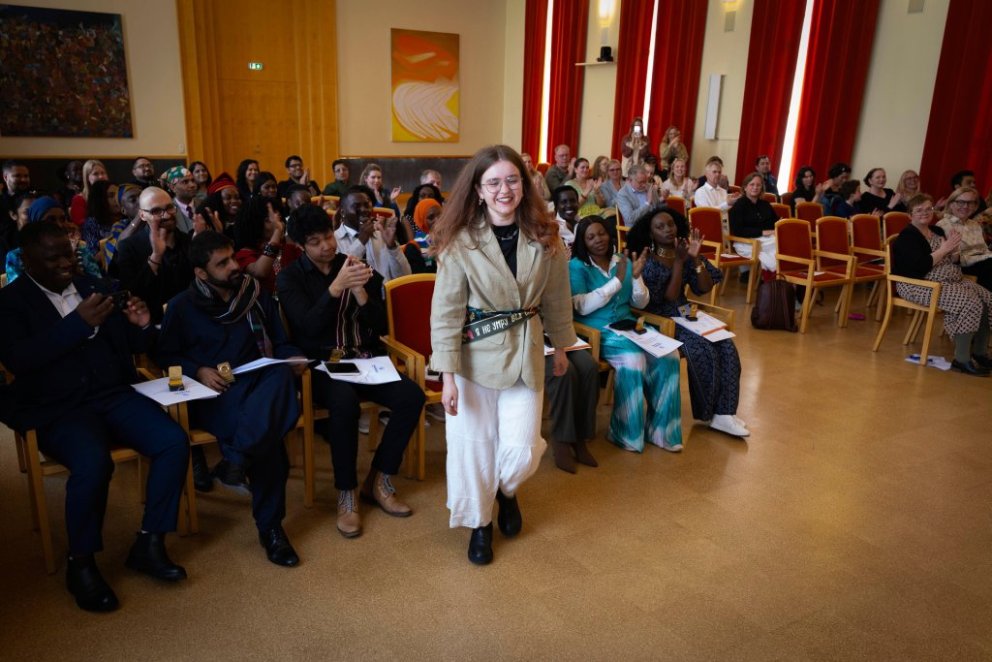
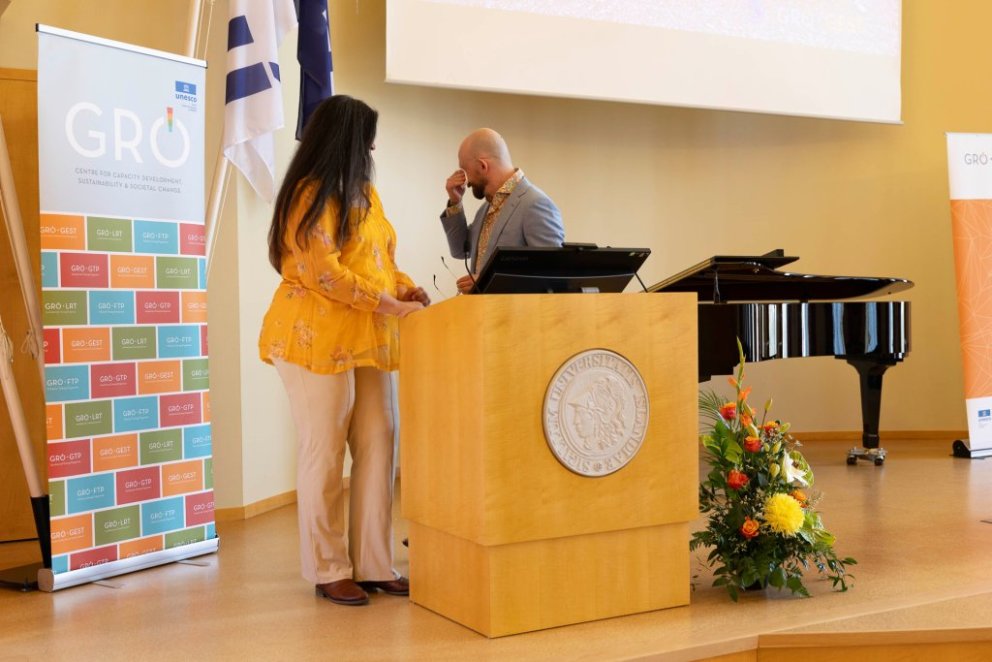
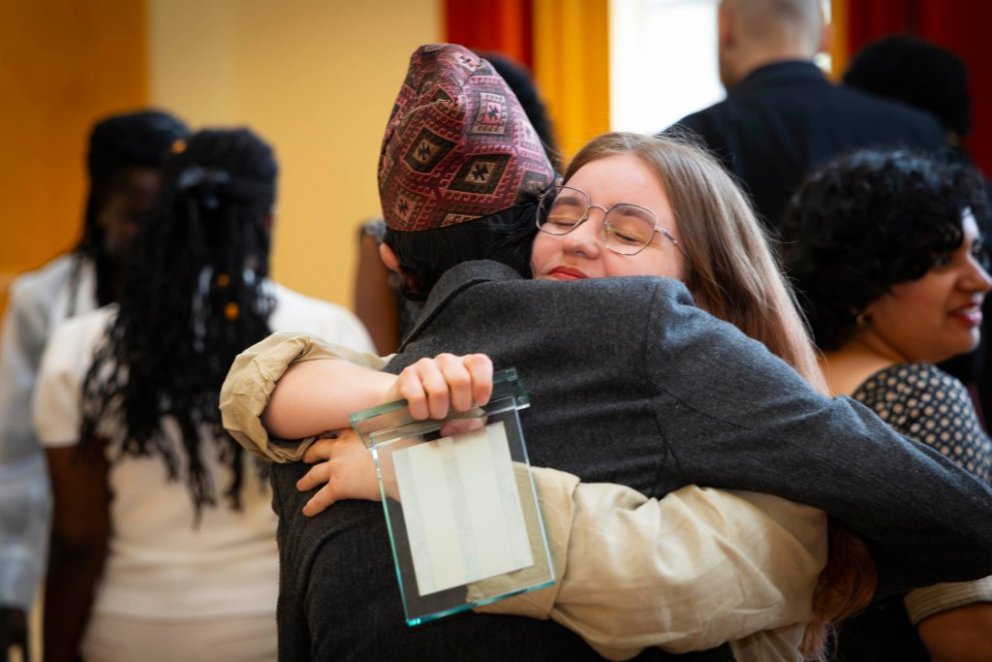
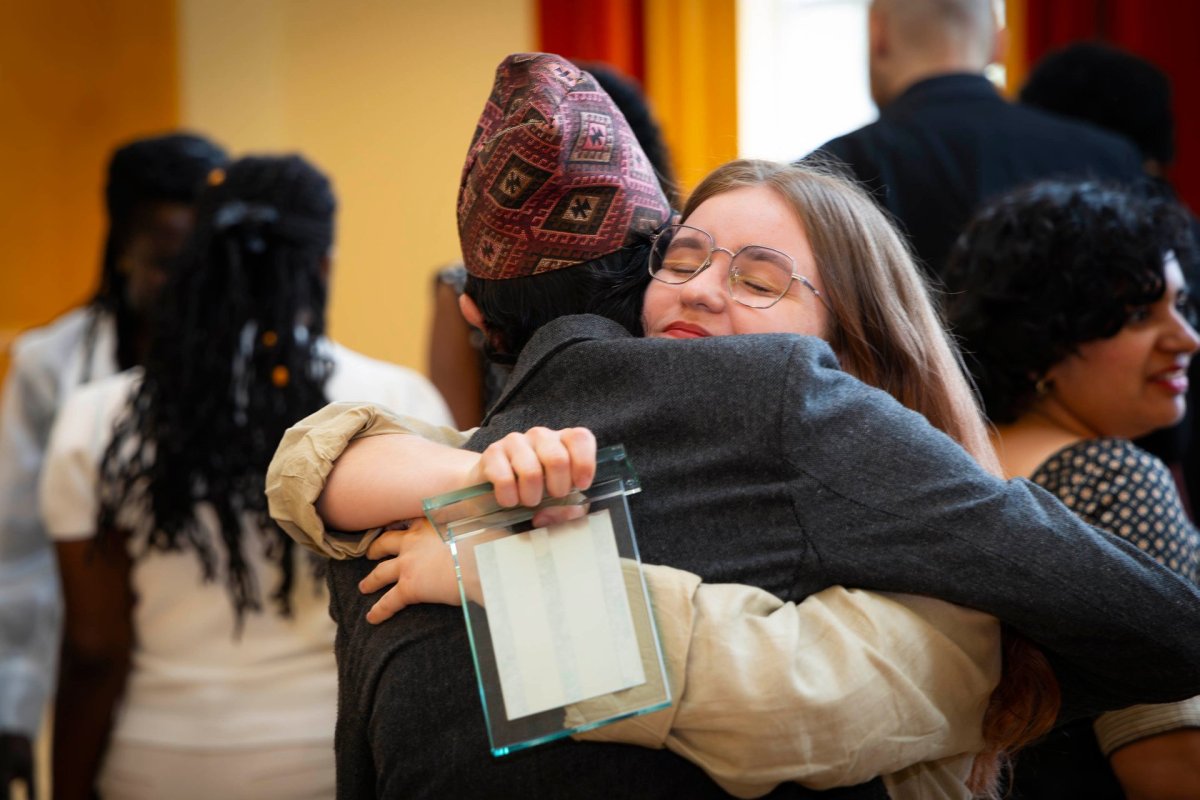
Daryna Zavhorodnia the moment she was announced the award recipient for best research
A growing global alumni network
The graduation of the 2026 cohort marks another milestone in the history of GRÓ GEST. The fellows now join a growing international alumni network working across government institutions, universities, civil society organisations, media, advocacy spaces, grassroots movements, and local communities around the world.
GRÓ GEST warmly congratulates the 2026 fellows on their graduation and thanks them for the knowledge, experience, generosity, and commitment they brought to the programme. We wish them strength, solidarity, and care in the important work ahead.