
GRÓ GEST Alumni Thematic Seminar 2026
GRÓ GEST Alumni Thematic Seminar 2026
Epistemic Justice in Practice: Gendered Knowledge in Global North–South Development Partnerships
21–22 October 2026
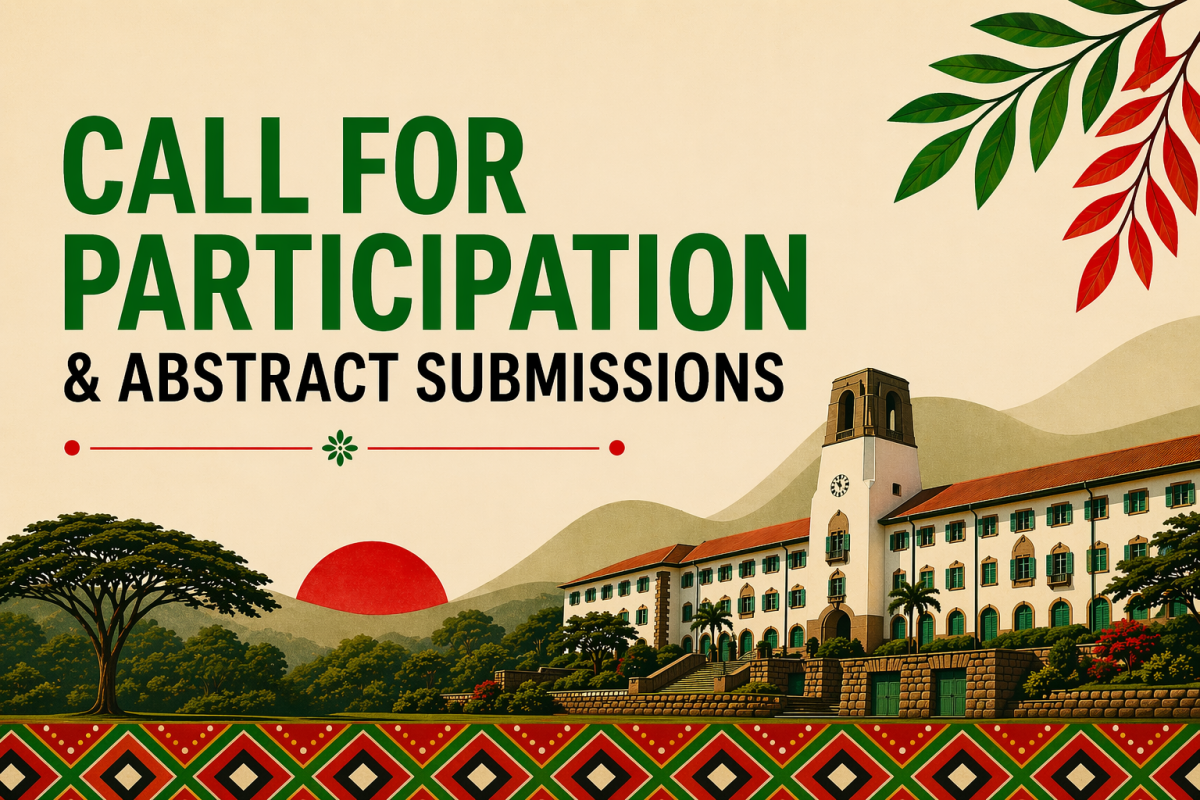
Makerere University, Kampala, Uganda
Go to abstract submission form - Deadline: 1 June 2026
Make sure you read the full call below before applying!!!
Makerere University and the GRÓ Gender Equality Studies and Training (GEST) Programme at the University of Iceland invites GRÓ GEST alumni to participate in a two-day thematic seminar to be held in Kampala on 21–22 October 2026.
The seminar is conceived as a focused, in-person convening of alumni based in Uganda, complemented by selected participation from across East Africa. It forms part of GRÓ GEST’s broader alumni engagement strategy, which seeks to position alumni not only as practitioners, but as knowledge producers who shape development agendas within their respective contexts.
The thematic focus, Epistemic Justice in Practice, is approached through a gender lens. The seminar will examine how knowledge in gender equality work is produced and whose perspectives are treated as authoritative within Global North–South development partnerships. GEST alumni work across sectors such as gender-based violence prevention, climate change, sexual and reproductive health and rights, disability inclusion, education, and public policy; all at the intersection of international frameworks and locally grounded realities. This often requires adapting global agendas to specific contexts while navigating institutional constraints and donor expectations.
Within this setting, epistemic justice raises questions about how gendered knowledge is recognised, whose expertise informs programme design, and how locally grounded or feminist perspectives are taken up, reshaped, or sidelined. The seminar will provide a space to reflect on these dynamics through concrete cases and professional experience, and to consider how alumni exercise agency within them.
The programme will include alumni presentations alongside moderated sessions and guest lectures, with an emphasis on discussion and exchange.
Participation
All GRÓ GEST alumni based in Uganda are warmly invited to attend the seminar, regardless of whether they submit an abstract, though this is strongly encouraged. The intention is to create a shared space for alumni engagement at the national level. If you are based in Uganda and wish to attend the seminar without submitting and abstract, send an email to tbs@hi.is.
A smaller number of alumni from the East African region will be invited to join the seminar to support regional exchange. Up to ten participants will be selected from countries where GRÓ GEST has an alumni presence, including Malawi, Kenya, Mozambique, Ethiopia, Tanzania, Madagascar, Rwanda and Somalia.
Submissions and Publication Pathway
The seminar is directly linked to the forthcoming Makerere Gender and Development Journal, and one of its core aims is to identify contributions that can be developed into full-length articles for the journal’s inaugural issue. Applicants are therefore encouraged to submit abstracts that show potential for further development beyond the seminar.
Submissions should take the form of an extended abstract of 300–500 words. The abstract should situate the contribution within the applicant’s professional context and outline the case, intervention, or experience under consideration. It should also identify the central question or tension related to epistemic justice in gender equality work and indicate the analytical direction of the contribution. Applicants are asked to state whether they intend to develop their contribution into a journal article following the seminar.
Submissions may take different forms. Some may present emerging arguments grounded in research, policy, or programme work. Others may focus on a specific intervention or institutional process. Contributions may also take the form of critical reflection based on professional positioning within Global North–South partnerships. In all cases, priority will be given to submissions that move beyond description and demonstrate a clear analytical intent.
The organisers also welcome a limited number of panel or thematic session proposals, particularly where these bring together contributors from more than one country in the East African region. Such proposals should include a short rationale and indicate how the contributions are connected.
Indicative Themes and Questions
Applicants are encouraged to ground their submissions in concrete issues or dilemmas arising from their own work in gender equality. Relevant contributions might engage with questions such as:
- How donor frameworks shape or constrain locally grounded gender work
- Tensions between global gender equality frameworks and local realities
- The role of practitioners in translating international gender norms into practice
- How professionals assert intellectual agency in externally funded settings
- How authority and expertise are negotiated between international and local actors
- Examples of context-specific approaches that challenge standardised models
- Barriers to recognising locally produced knowledge in policy or programme design
These examples are indicative rather than exhaustive. What matters is that the submission engages directly with how gendered knowledge is produced and applied in practice.
Practical Information
The seminar will take place in person at Makerere University. GRÓ GEST will cover transport for Uganda based participants traveling from outside Kampala, and travel and accommodation for selected participants from the East Africa region.
Submission
Abstracts must be submitted via this form. The deadline for abstract submission is 1 June 2026. Applicants will be notified of the outcome by 20 June 2026.