GRÓ Strengthens Partnerships and Explores New Collaboration Opportunities in Malawi
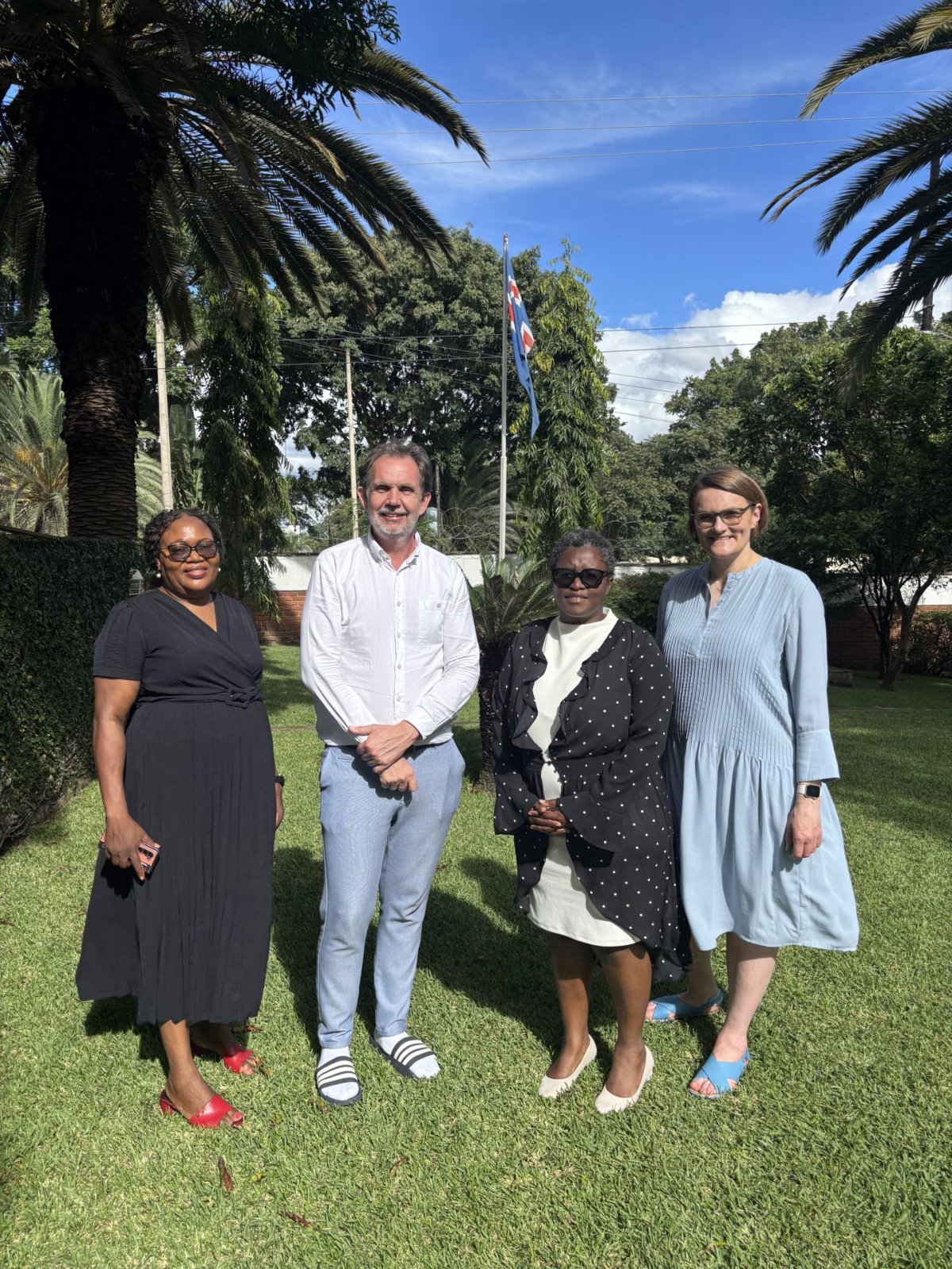
The Director General of the GRÓ Centre for Capacity Development, Sustainability and Societal Change, Ms Nína Björk Jónsdóttir, met with key partner institutions and alumni during a visit to Malawi last week, together with the Embassy of Iceland in Lilongwe.
Malawi is GRÓ’s fourth largest partner country, with 84 fellows having completed training across GRÓ’s four programmes on gender equality, land restoration, fisheries and geothermal energy. Discussions throughout the visit focused on the long-term impact of the programmes, strengthening alumni networks, and identifying new opportunities for collaboration.
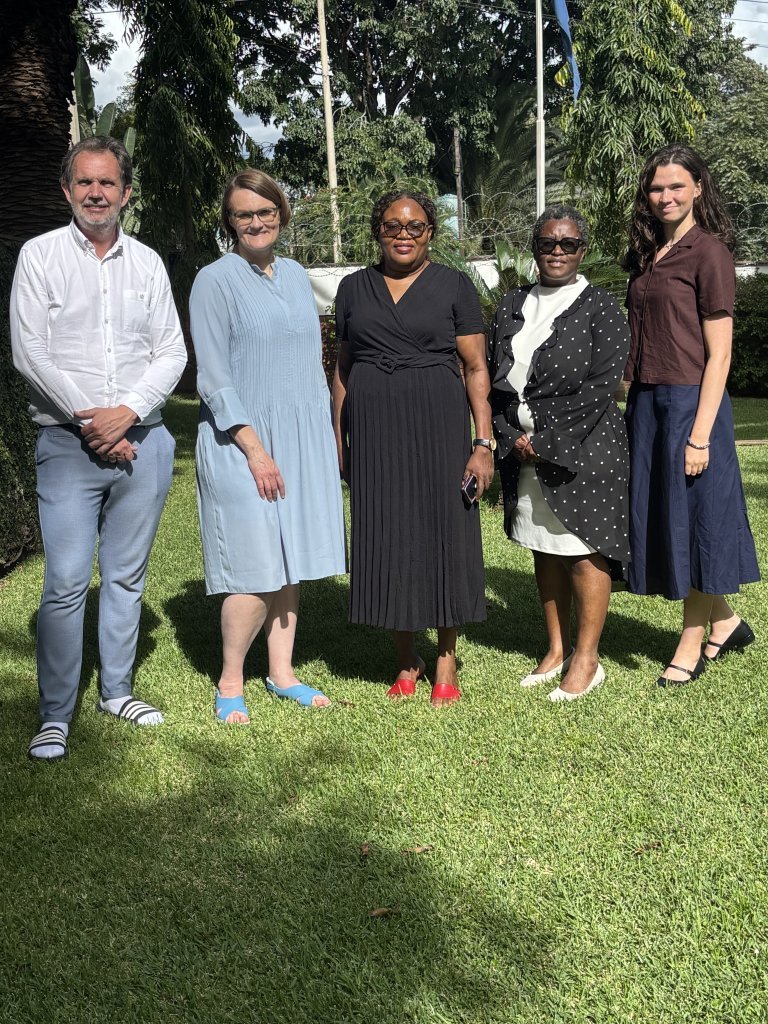
At a lunch hosted by Mr Davíð Bjarnason, Head of Mission at the Embassy of Iceland in Lilongwe, Dr Tasokwa Kakota Chibowa, Associate Professor at LUANAR University and director of the Centre for Continuing Education and Professional Development, and Ms Yananda Madhlopa, Lecturer at LUANAR University and GRÓ GEST 2014 alumna, discussed education and research in the field of gender at LUANAR. The bachelor’s degree offered at LUANAR was developed based on Ms Madhlopa‘s final project at GRÓ GEST. Currently the department offers a diploma, a BA and an MA programme.
The short courses on gender and climate change, which GRÓ GEST and LUANAR have held together in four sessions carried out in 2023 and 2024 were also discussed. The objective of this course is to contribute to gender responsive climate policies at a district level in Malawi through an increased awareness of the gender dimension of climate change.
Expanding cooperation with UNESCO
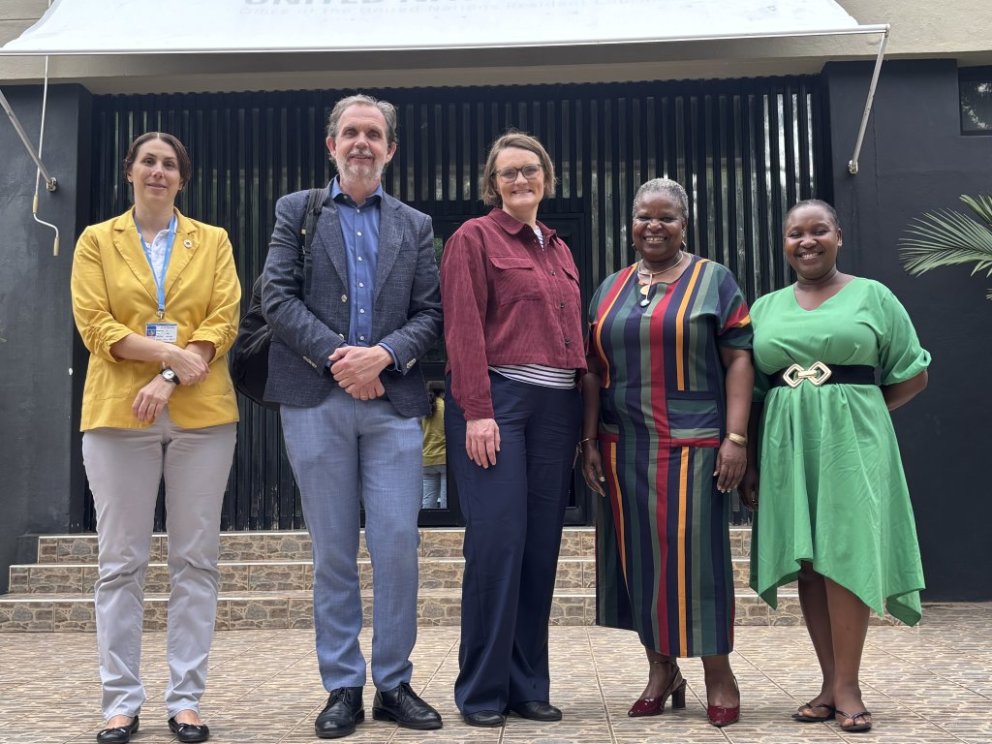
A meeting was held with the National Commission of Malawi to UNESCO. Christopher J. Magomelo, Senior Assistant Executive Secretary for culture informed about the work of the National Commission and how it is working to advance the priorities of UNESCO in Malawi. Ms Lucia Victoria Chigamane, Senior Programme Officer, and GRÓ LRT 2025 alumna who came to the training on the basis of GRÓ‘s cooperation with the UNESCO Man and the Biosphere Reserves Programme, also explained the work of the NATCOM in Malawi. Davíð Bjarnason and Nína Björk Jónsdóttir informed the Malawi NATCOM about the development cooperation projects of the Embassy of Iceland in Malawi, that now span close to four decades, as well as the cooperation through the GRÓ Programmes and the expertise of the alumni.
A separate meeting was also held with representatives of the UN and UNESCO in Malawi, Ms Simone Heri-Terrence, Senior Human Rights Advisor, UN Malawi and Ms Naomi Mnthali, Project Officer, Education for Health and Wellbeing at UNESCO, where information about GRÓ‘s work in Malawi and the vast network of GRÓ alumni in the country was introduced, underscoring the strong alignment between GRÓ’s work and UNESCO’s priorities.
Building capacity in environmental management
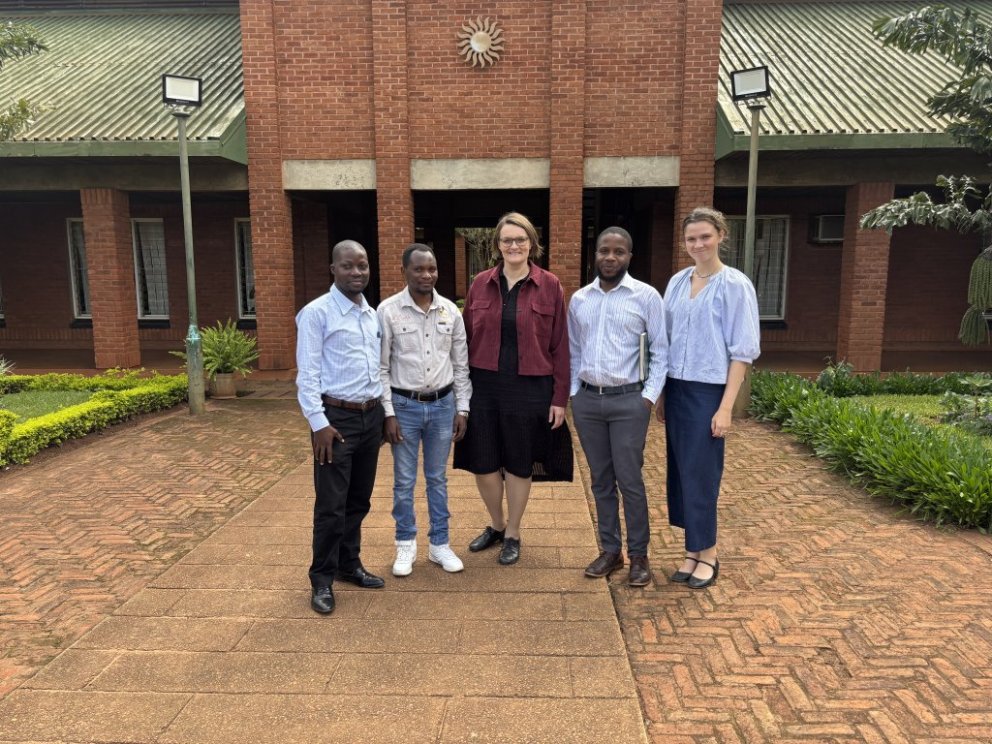
At LUANAR’s NRC campus, GRÓ LRT alumni now teaching and conducting research in environmental management and restoration ecology emphasised the value of their training and its direct application in their work. Nína Björk and Katla Ýr Sebastíansdóttir Peters, from the Embassy of Iceland, met Dr Principal Mdolo, Dr Kennedy Adamson and Mr Kennedy Nazombe, all GRÓ LRT alumni who explained how the training at GRÓ LRT has been useful for them in their work. Currently they are working with the GRÓ LRT on developing an international Masters Degree in Restoration Ecology.
Fisheries sector cooperation shows lasting impact
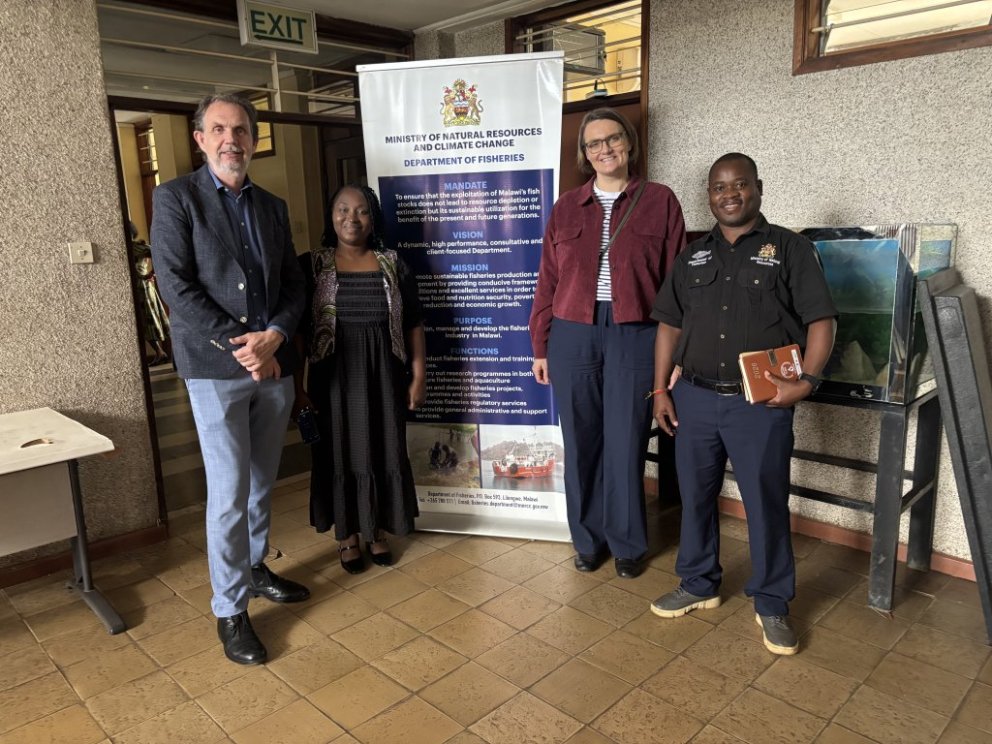
A meeting with Ms Jacqueline Kazembe, Deputy Director of Fisheries at the Department of Fisheries and Dr Maxon Ngochera, Chief Fisheries Officer, reaffirmed the long-standing and impactful cooperation between Malawi and Iceland. GRÓ trained specialists are playing a key role in strengthening sustainability of the fisheries sector.
Looking ahead, Malawi is aiming to scale up aquaculture production which brings new demands for training, in areas such as regulatory frameworks, biosecurity and quality control, as well as for ensuring quality along the value chain.
The visit to Malawi was highly productive, highlighting the important role of the GRÓ programmes in Malawi and the strong contributions of its alumni, as also reflected in an alumni gathering held during the visit.