International Symposium Marked the 25th Anniversary of UNSCR 1325 on Women, Peace and Security
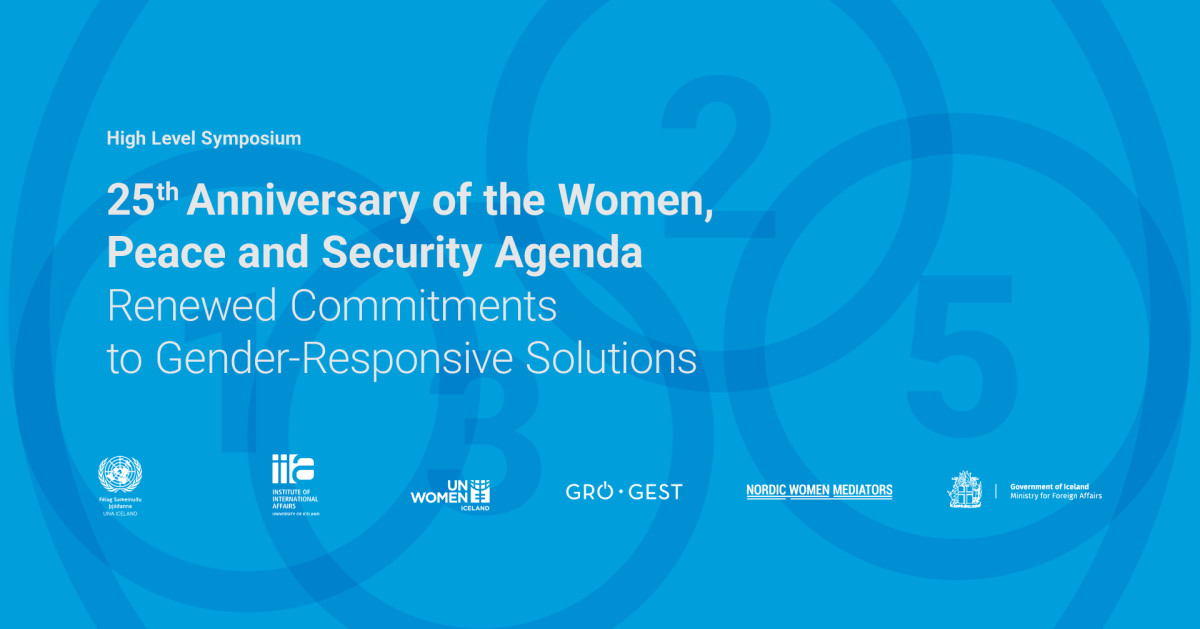
On Monday, 10 November 2025, an international high-level symposium marking the 25th anniversary of United Nations Security Council Resolution 1325 on Women, Peace and Security was held at the Aula of the University of Iceland. The symposium took place alongside the Reykjavik Global Forum – Women Leaders (10–12 November 2025). The seminar was organised jointly by the Ministry for Foreign Affairs of Iceland, the Icelandic chapter of the Nordic Women Mediators Network, GRÓ–GEST – the Gender Equality Studies and Training Programme, the Institute of International Affairs at the University of Iceland, UN Women Iceland and UNA Iceland bringing together international decision-makers, scholars, and practitioners working at the intersection of peace, security, and gender equality.
United Nations Security Council Resolution 1325 on Women, Peace, and Security
Resolution 1325 was a landmark moment, as it was the first to emphasise the protection of women in conflict, recognise the importance of their participation in peace processes, and advocate a gender-responsive approach to security. Despite increasing recognition of the critical role of women in peace and security, the proportion of support to women’s organizations in conflict-affected regions has declined in recent years. This regression undermines the ability to meet the goals and commitments of Resolution 1325.
Focus and Themes
The event provided a platform to reflect on both the achievements and ongoing challenges in implementing UNSCR 1325, with particular emphasis on the lived realities of women in conflict and post-conflict settings. Discussions centred on women’s leadership in peacebuilding, their participation in conflict prevention and peace negotiations, and renewed commitments to gender-responsive approaches to international security.
Opening Remarks
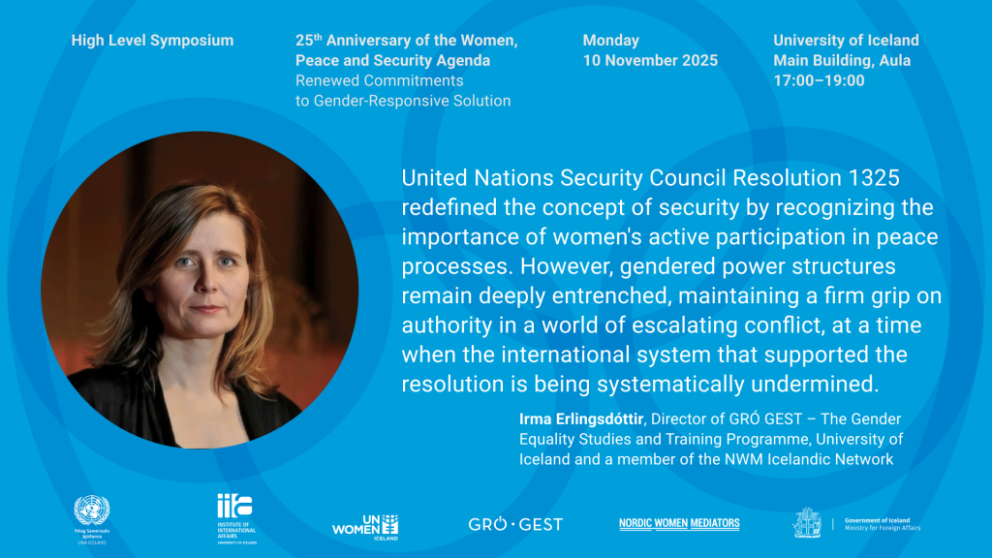
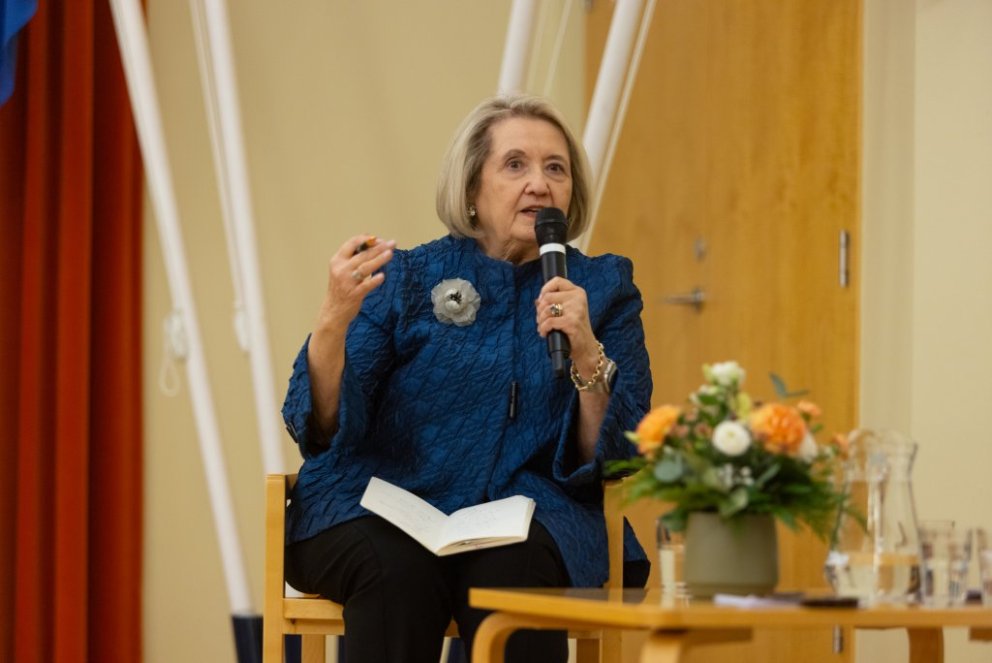
The symposium opened with remarks by Irma Erlingsdóttir, Director of GRÓ GEST, who underscored the transformative promise of UNSCR 1325 while cautioning against complacency. Reflecting on the past 25 years, she posed a critical challenge to the international community:
“Yet, twenty-five years later, we must ask: have we truly transformed that narrative? Have we imagined peace in a way that includes all voices, all bodies, all experiences?
We continue to struggle against the gendered hierarchies that sustain power in conflict and post-conflict settings. And now, as the international order itself faces a profound crisis, the risk is greater than ever: the erosion of multilateralism could undermine the very norms of cooperation and rights-based governance that make peace possible.”
Her remarks framed the symposium’s central concern: the gap between the normative ambitions of the Women, Peace and Security agenda and its uneven implementation in practice, particularly in a global context marked by armed conflict, democratic backsliding, and declining support for multilateral cooperation.
Speakers and Programme
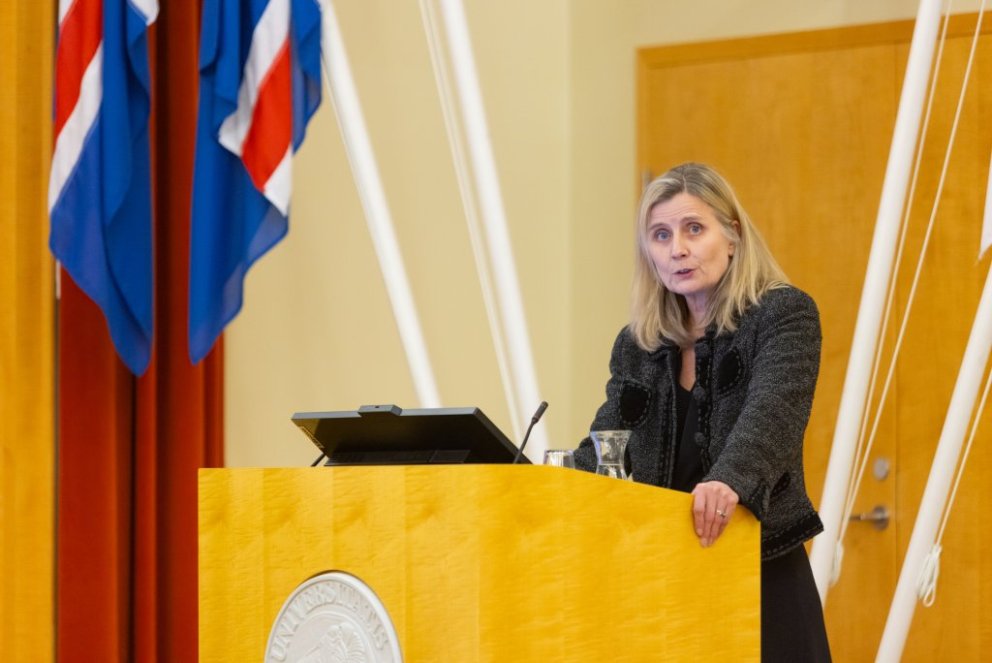
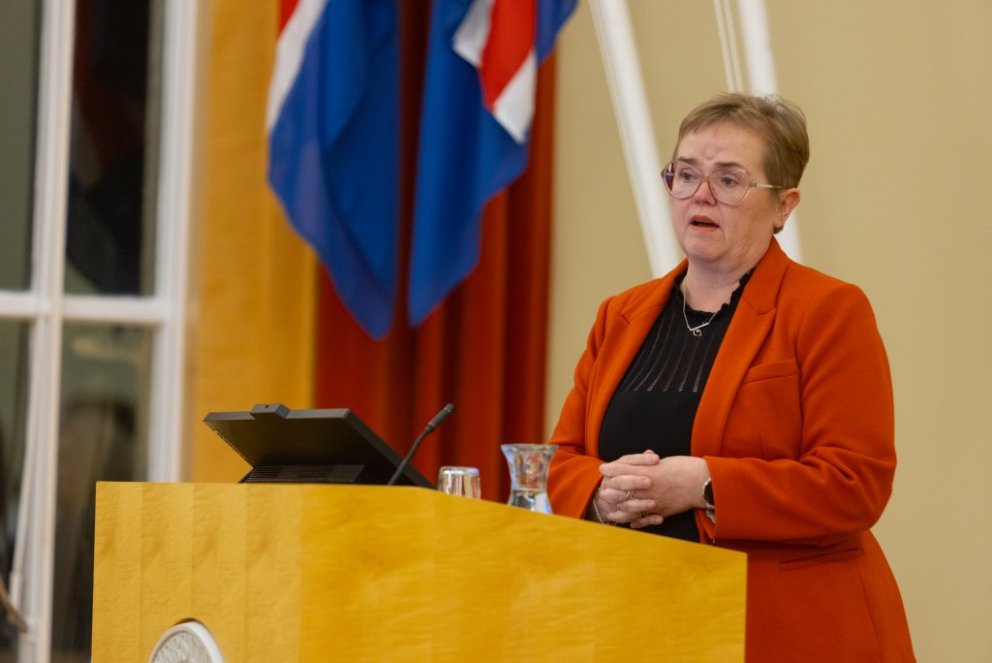
The opening remarks were followed by an address by Þorgerður Katrín Gunnarsdóttir, Minister for Foreign Affairs of Iceland, who highlighted Iceland’s long-standing commitment to the Women, Peace and Security agenda and presented key pillars of Iceland’s new National Action Plan on WPS (2025–2030).
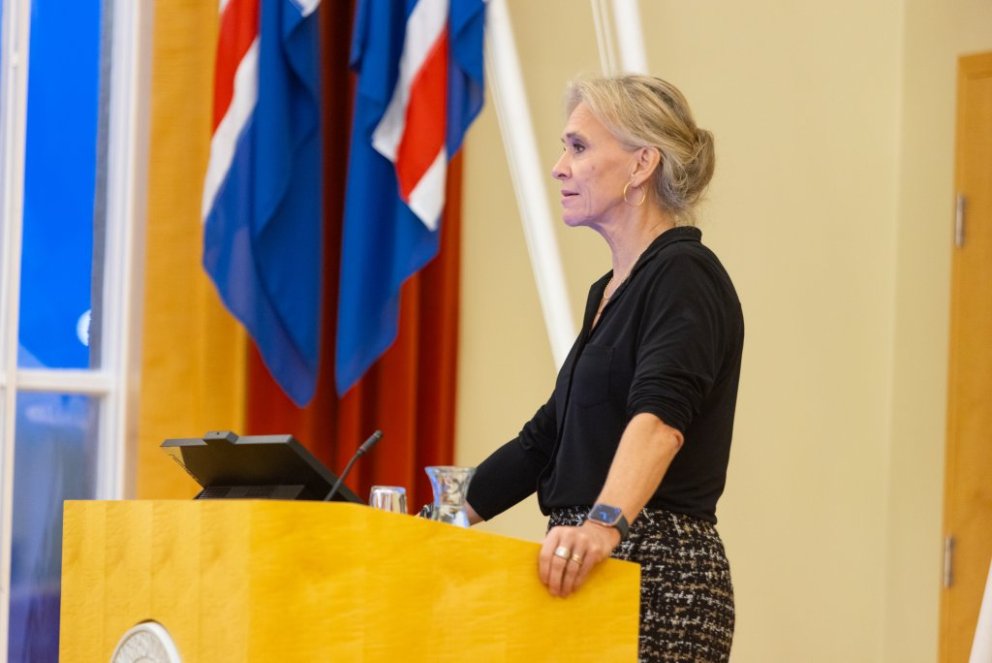
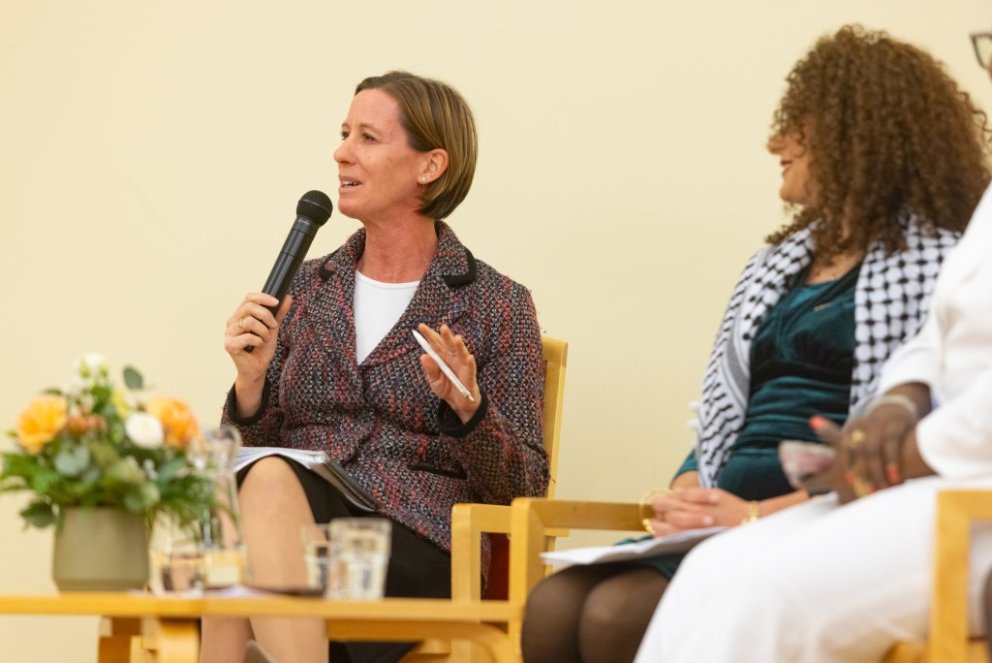
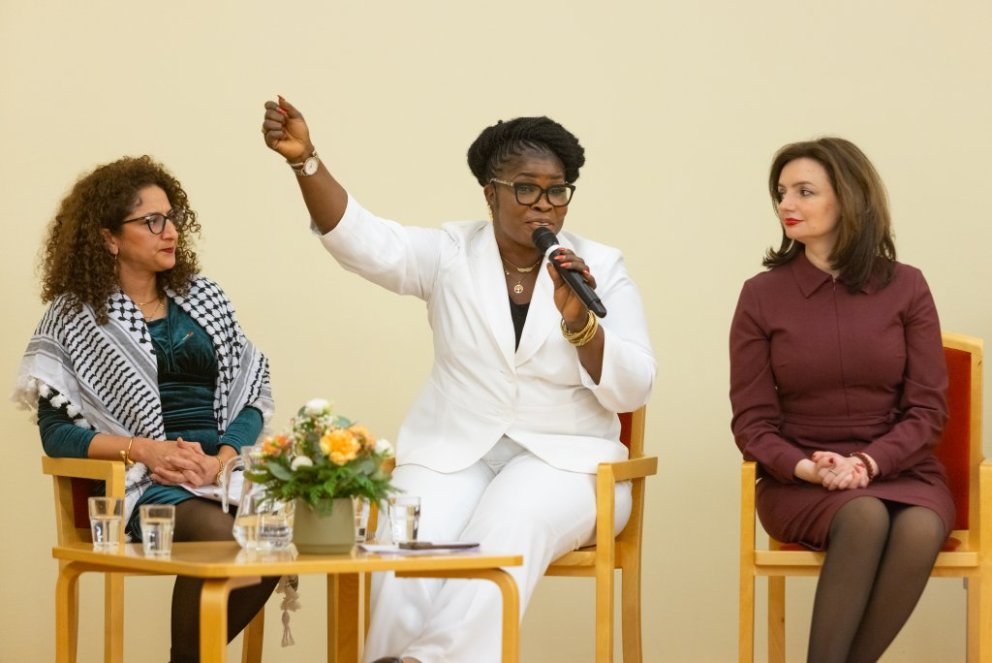
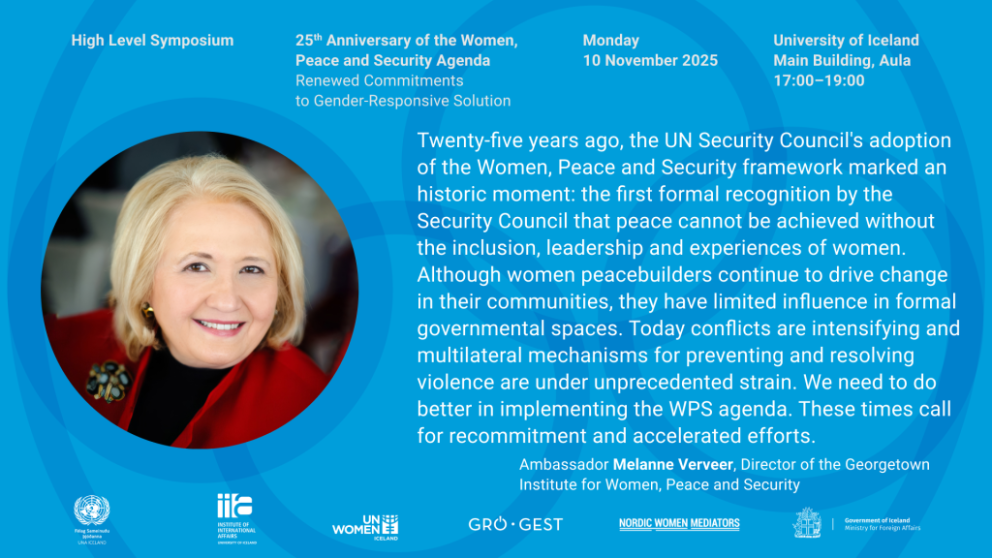
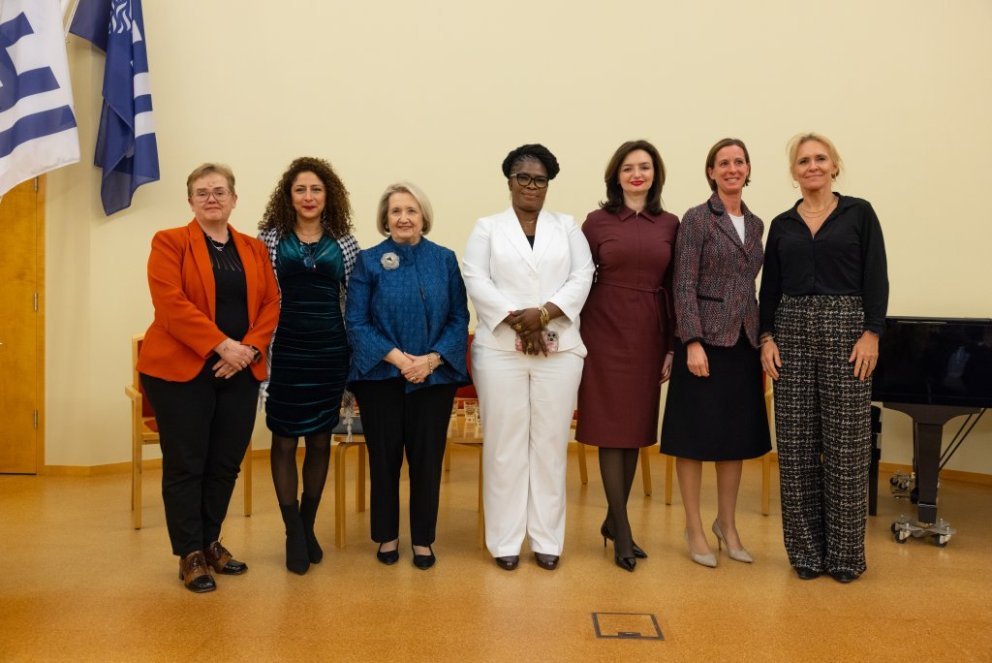
The panel discussion was moderated by Melanne Verveer, Executive Director of the Georgetown Institute for Women, Peace and Security, and featured the following panellists:
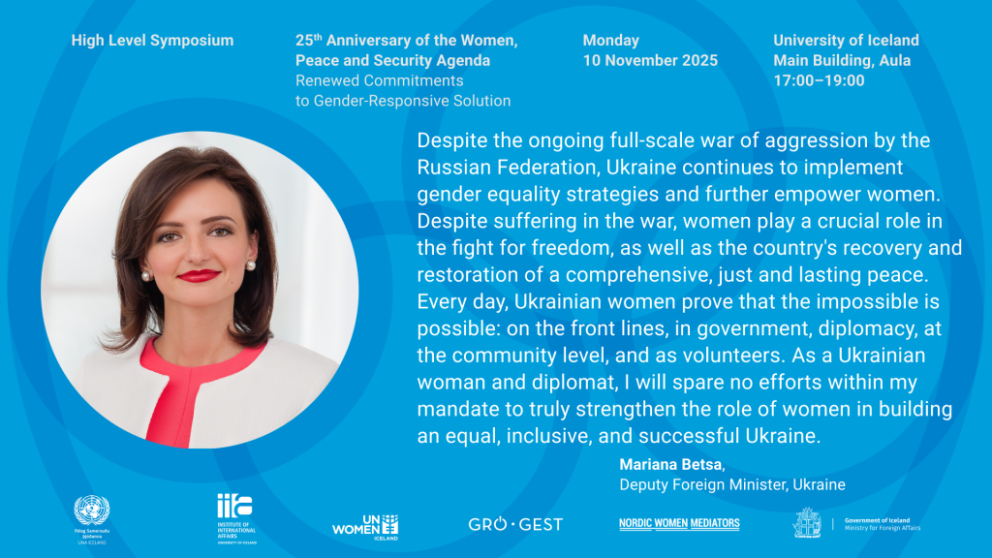
- Mariana Betsa, Deputy Minister of Foreign Affairs of Ukraine
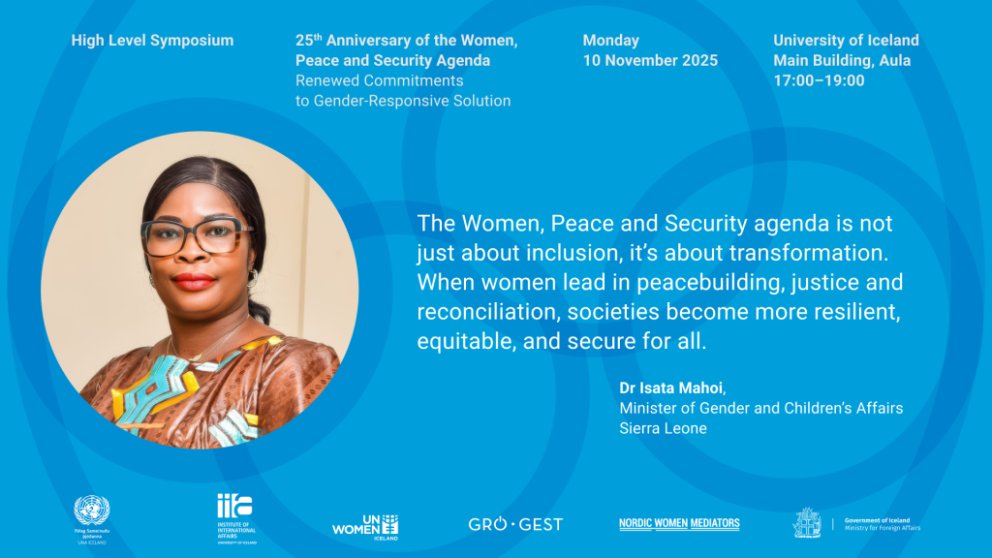
- Dr Isata Mahoi, Minister of Gender and Children’s Affairs, Sierra Leone
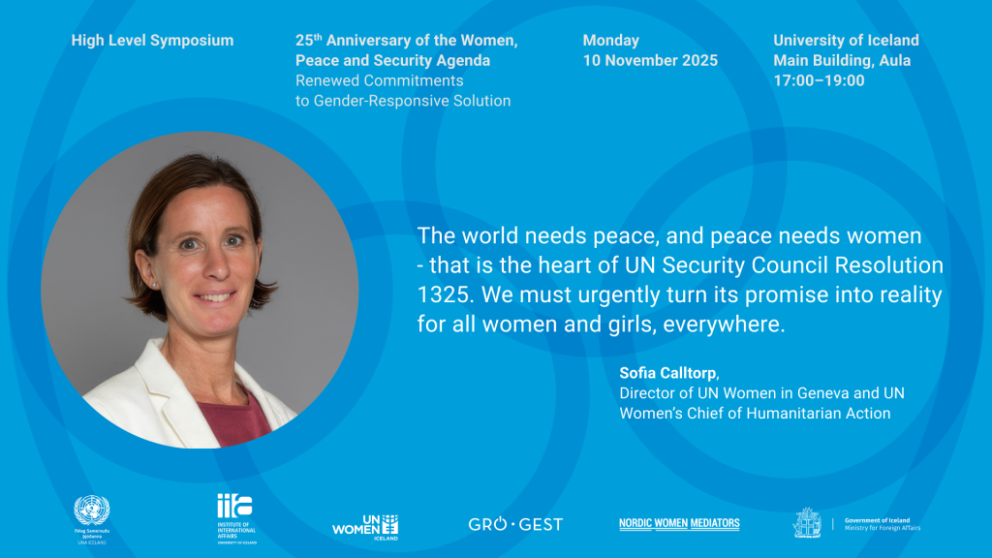
- Sofia Calltorp, Director of the UN Women Office in Geneva and Head of Humanitarian Action
- Summer Abu Mughli, International Affairs Specialist, An-Najah National University, Palestine
Drawing on experiences from Ukraine, Palestine, and Sierra Leone, the panellists discussed the persistent barriers to women’s participation in formal peace processes, the central role of women’s organisations at the grassroots level, and the urgent need to close the gap between political commitments and concrete action.
The symposium concluded with closing remarks by Silja Bára Ómarsdóttir, Rector of the University of Iceland.
Participation and outcomes
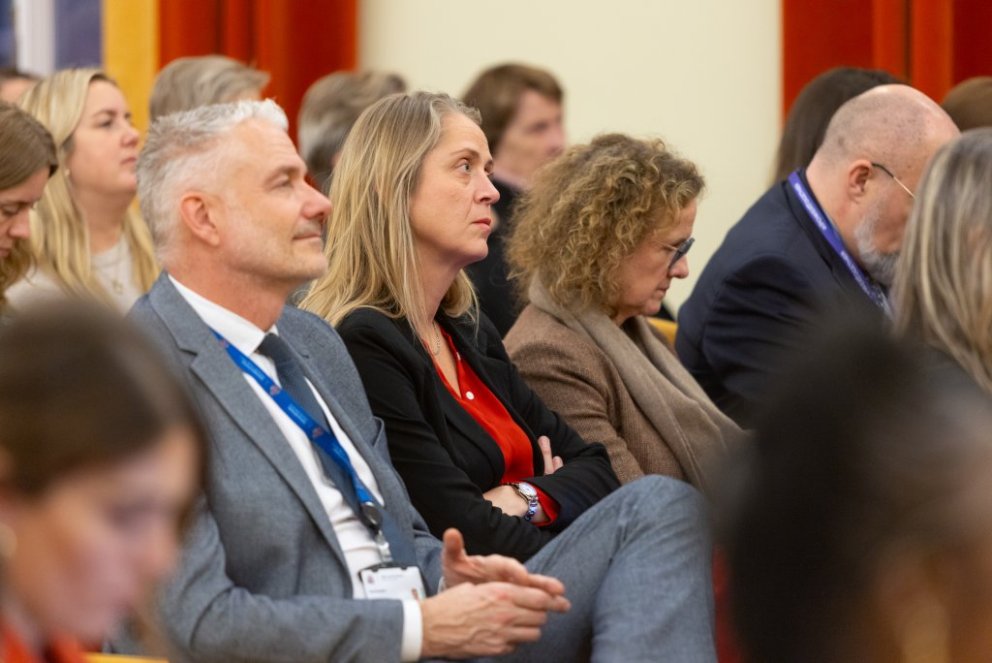
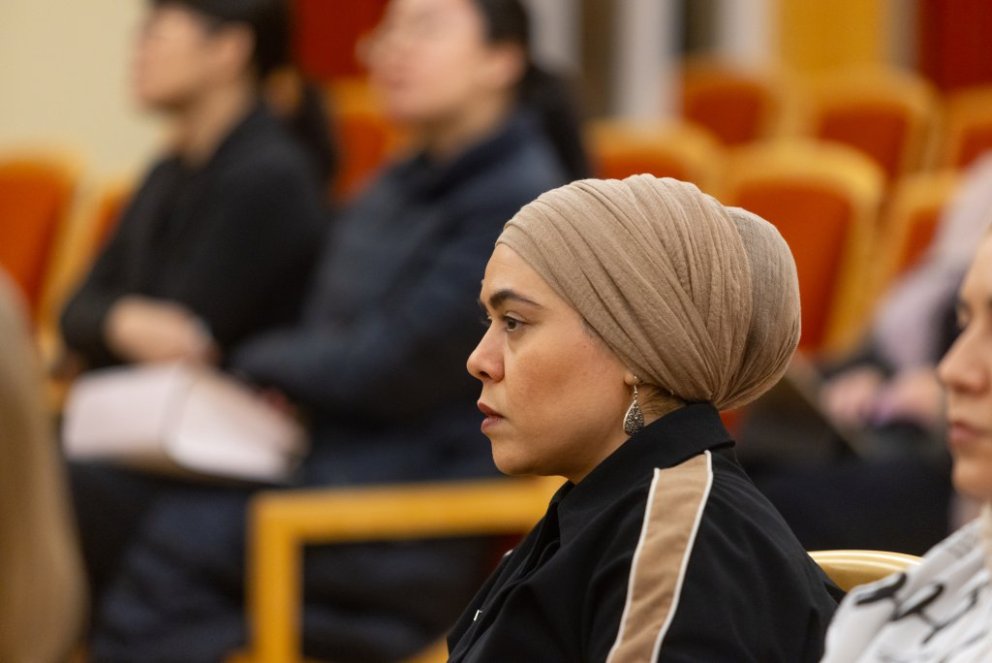
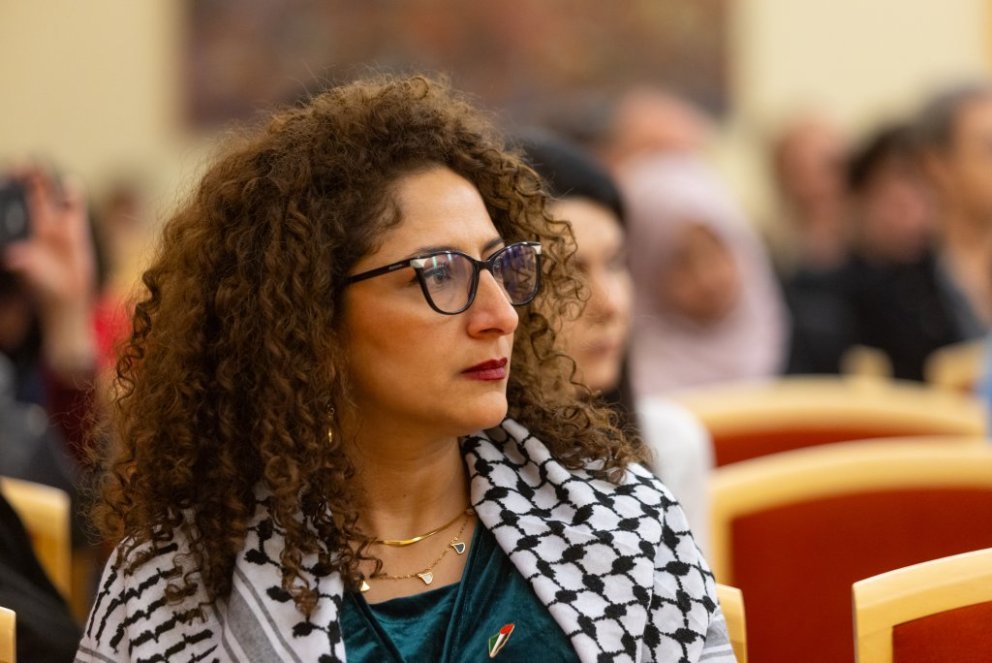
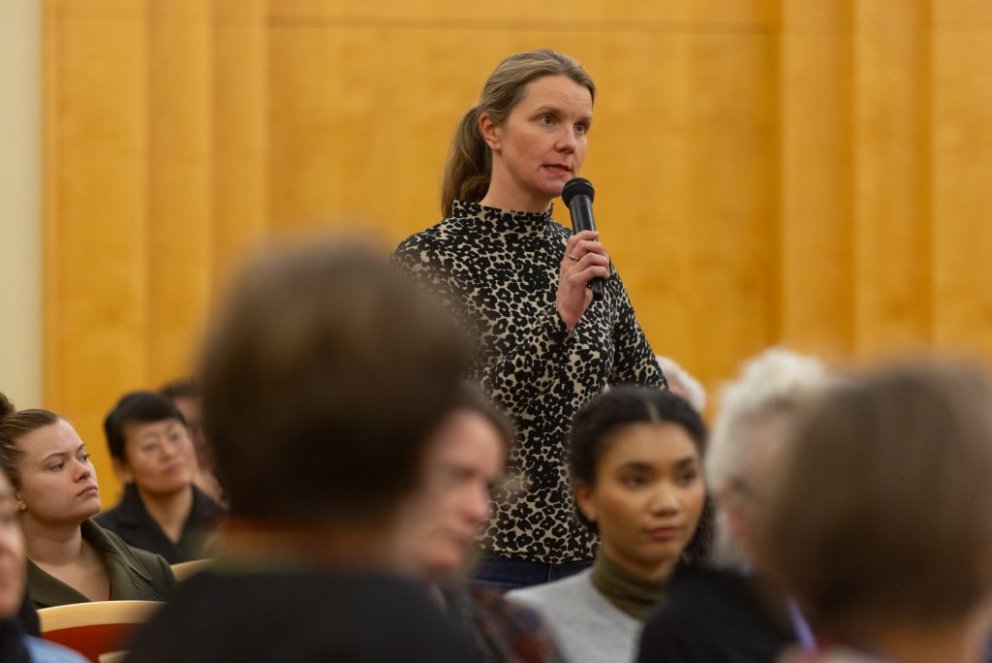
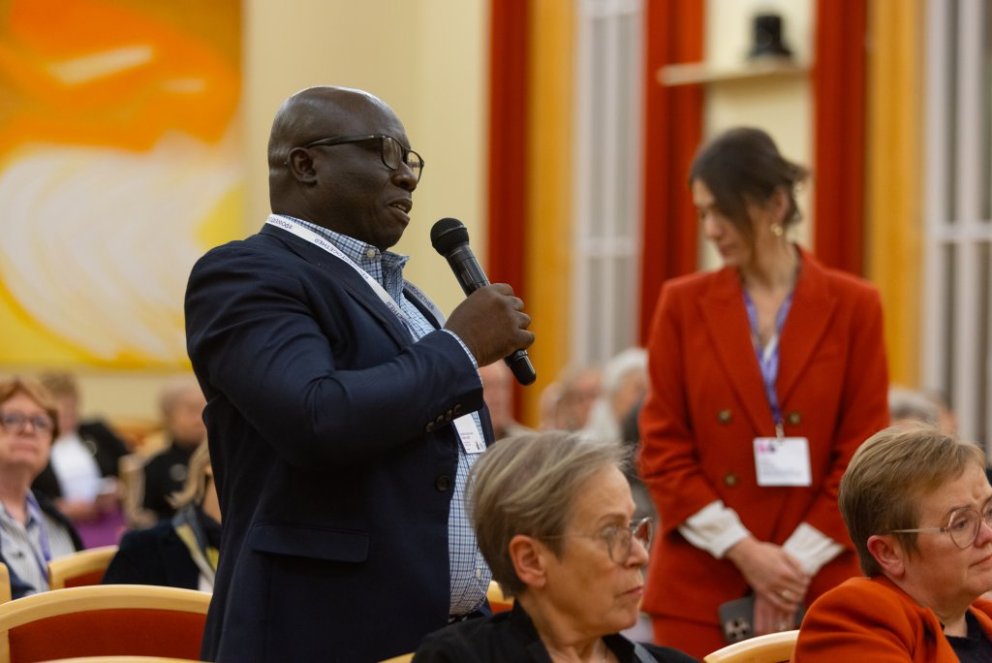
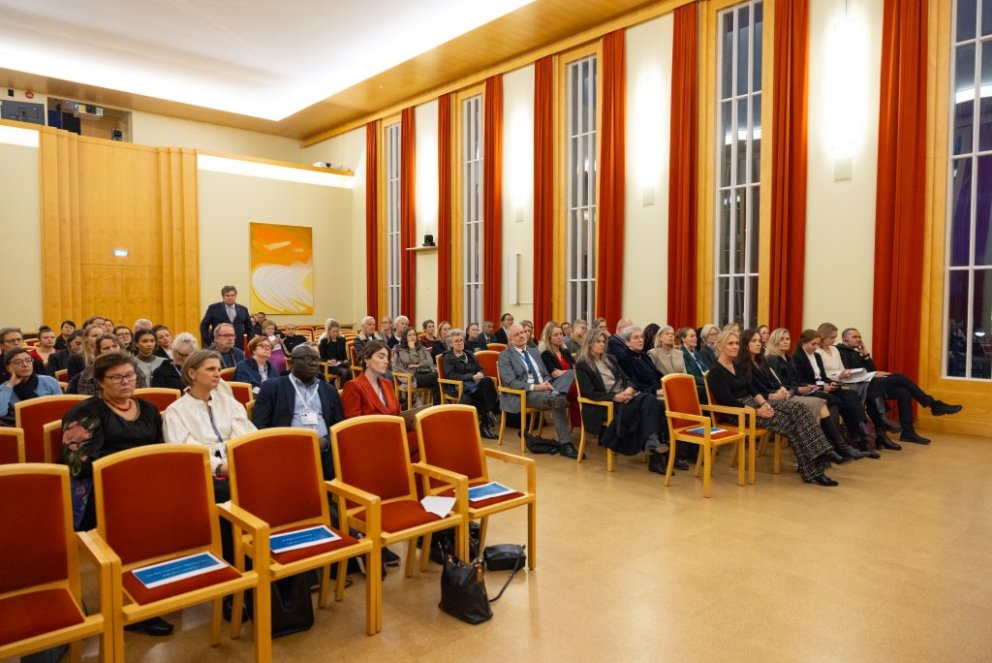
The symposium was well attended, with a strong international presence including diplomats, participants of the Reykjavik Global Forum – Women Leaders, representatives of international organisations, policymakers, academics, and civil society. The event was also livestreamed, and a recording is available online here.
Across the discussions, speakers stressed that while UNSCR 1325 remains a cornerstone of the global Women, Peace and Security framework, its promise can only be realised if commitments are translated into sustained action, adequate funding, and accountability. Ensuring women’s full, equal, and meaningful participation in peace and security processes was repeatedly identified as a prerequisite for sustainable peace.