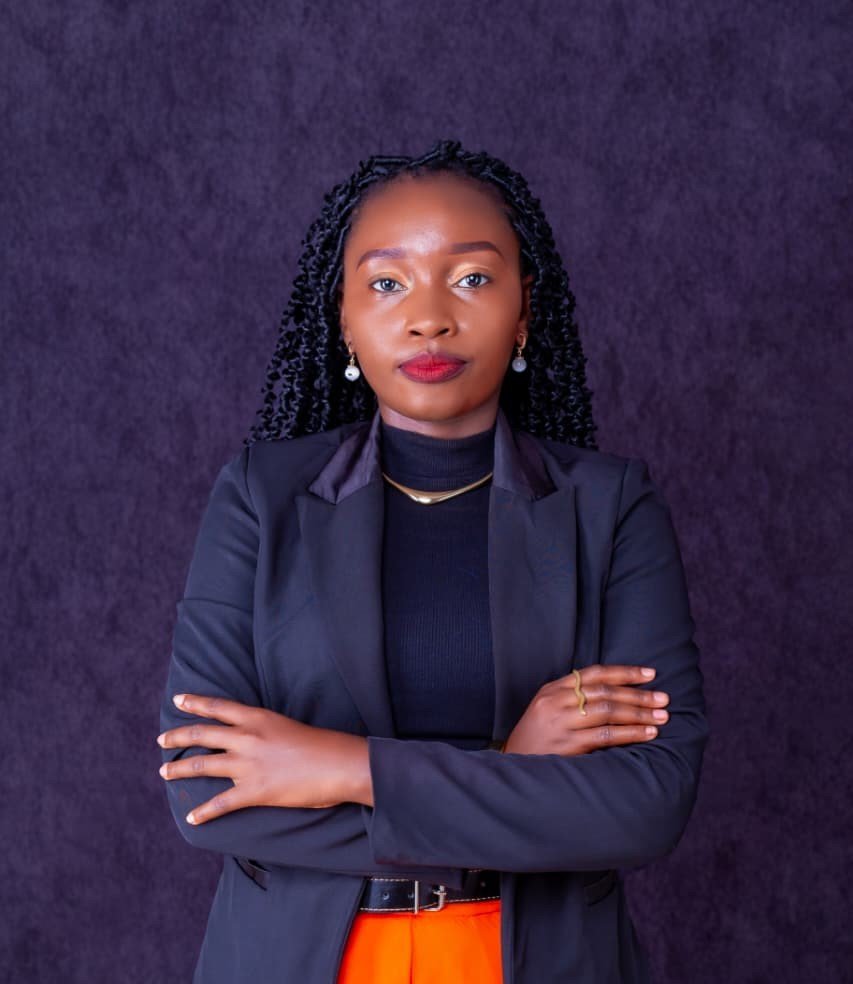
Meet GRÓ GEST 2026 Fellow Everlyne Nthenya Mumo
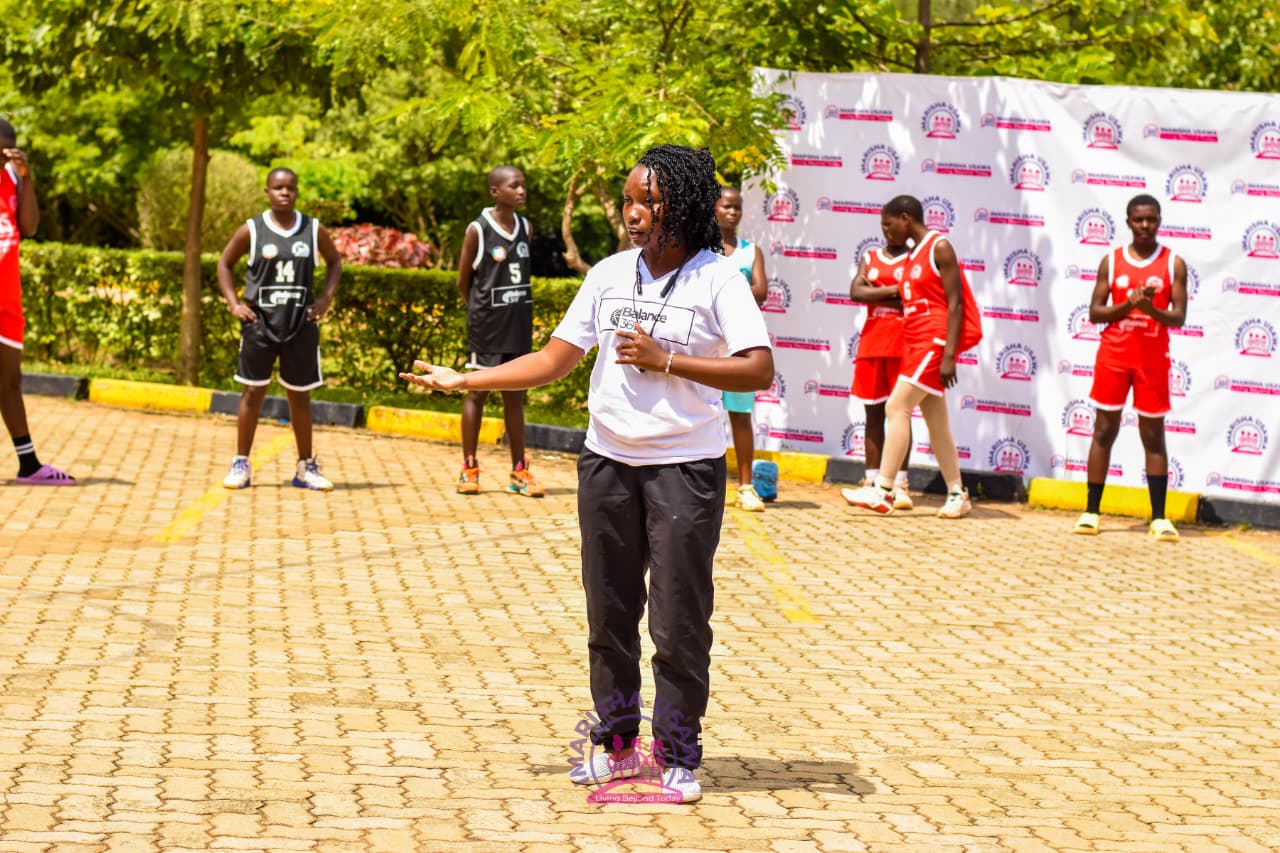
I began voluntary work in 2019, at a time when the COVID-19 pandemic had disrupted routines and forced many of us to confront stillness and uncertainty. What began as a way to “do something” quickly became life-shaping. I met a group of adolescent girls and young women whose realities challenged everything I thought I understood about opportunity, safety, and choice. Their lives were shaped by early marriage, interrupted education, limited financial autonomy, gender-based violence, and restricted access to sexual and reproductive health rights and services.
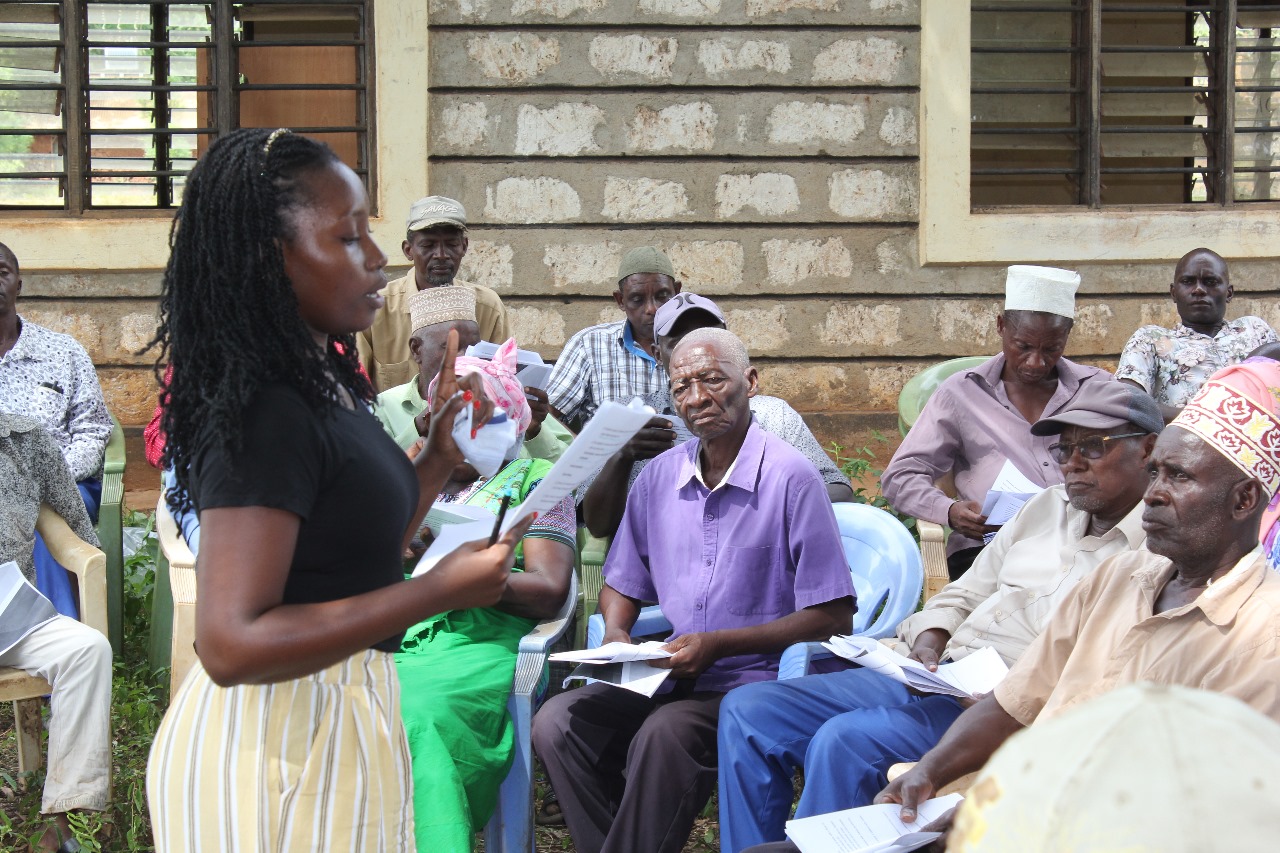
In some ways, our experiences overlapped. But through them, I also came to recognize my own privileges; access to education, mobility, and voice. That realization stayed with me. Over time, my work grew into educating more than 2000 adolescents and youth and mentoring more than 200 adolescent girls and young women, supporting them as they navigated education, identity, relationships, challenging norms and survival. I was driven by the awareness that between the ages of 10 and 24, I had needed that same kind of mentorship myself. I wanted them to be able to say "I’m glad I had someone in my corner."
Empowering girls and young women and leading gender-responsive and advocacy projects in my community has been deeply fulfilling, but for a long time I would often just implement interventions without tools to critique them.
I knew my work mattered, but I also knew that passion alone is not enough to dismantle structural inequality. That’s why I applied for the GRÓ GEST programme. It offered me the opportunity to situate my lived experience and community work within gender equality studies. To strengthen my practice with theory, analysis, and critical tools.
While there may be no single blueprint for teaching gender equality, I believe deeply in the need for such knowledge to create meaningful, lasting change. Applying to GRÓ GEST felt like a chance to strengthen my foundation.
Receiving the selection was a bittersweet moment. It was affirming to have six years of gender equality and advocacy work recognized, exciting to be around a network of people that understood and saw the importance of what we do, but it also served as a reminder of how much remains undone in my country. The validation did not feel like an endpoint; it felt like a responsibility. More often than not, people don’t see how one can dedicate their life, skills, and work to gender equality because gender equality work is too often dismissed as activism rather than recognized as a legitimate career.
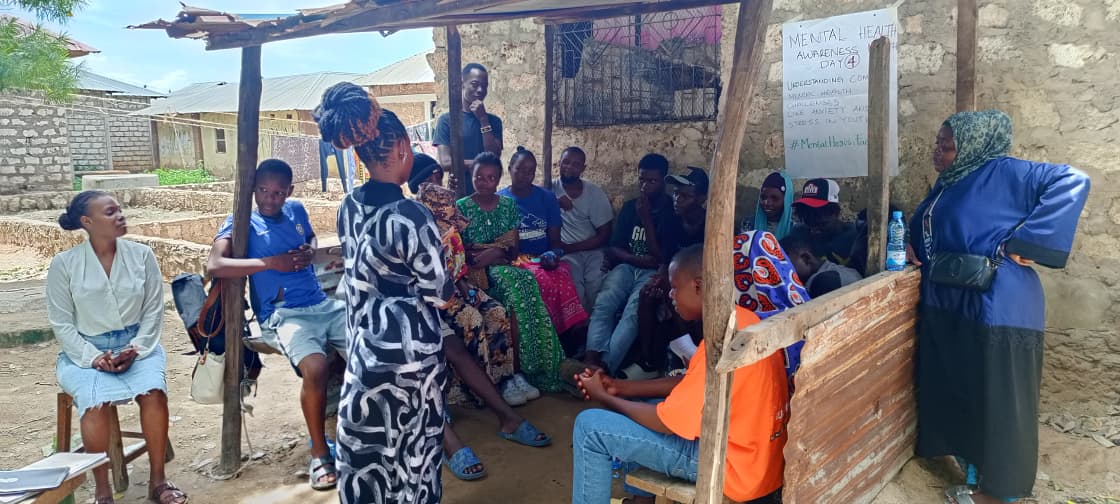
My GRÓ GEST project, Street Safe Space Culture, focuses on the lived experiences and unmet needs of street-connected and homeless adolescents and youth. In my community, these young people are often reduced to stereotypes; labeled unruly, violent, or beyond help. As a result, they are sidelined as though they were undeserving of dignity or human rights. Their access to basic services is minimal, and their everyday lives are marked by constant exposure to discrimination, sexual exploitation, police brutality, and gender-based violence. Despite this, most interventions either overlook them entirely or engage them only superficially.
Street Safe Space Culture responds to some of these gaps by centering their lived experiences. The project creates safe, inclusive, spaces where these adolescents and young people can access psychosocial support, mentorship, creative therapy, and gender-transformative learning. Mental health is placed at the center of the intervention, not only as care, but as a form of resistance against the structural violence these young people face daily. The project challenges dominant narratives that continue to position street-connected young people as passive recipients of charity. Instead, it recognizes them as active agents with knowledge, agency, and the capacity to shape their own futures. Street Safe Space Culture also seeks to act as a bridge between street-connected youth and the wider community, creating opportunities for dialogue, empathy, policy and social change.
The GRÓ GEST programme is profoundly shaping how I understand this work. Learning about the women’s movement in Iceland, and engaging with the National Queer Organization has highlighted the importance of movements, solidarity, and community-led change. Theoretical grounding in feminist epistemology, masculinity studies, queer theory, decolonial theory, and intersectionality has helped me articulate what I have long witnessed: that gender inequality is never experienced in isolation, but through intersectionalities. It is also challenging my assumptions, pushing me to sit with contradictions across contexts and helping me recognize how frameworks I once relied on can be improved.
When I return home, I carry with me more than knowledge; I carry frameworks, analytical tools, transnational perspectives, and networks built with fellow participants who are equally committed to advancing gender equality.