
New Blended Learning Initiative in Uganda
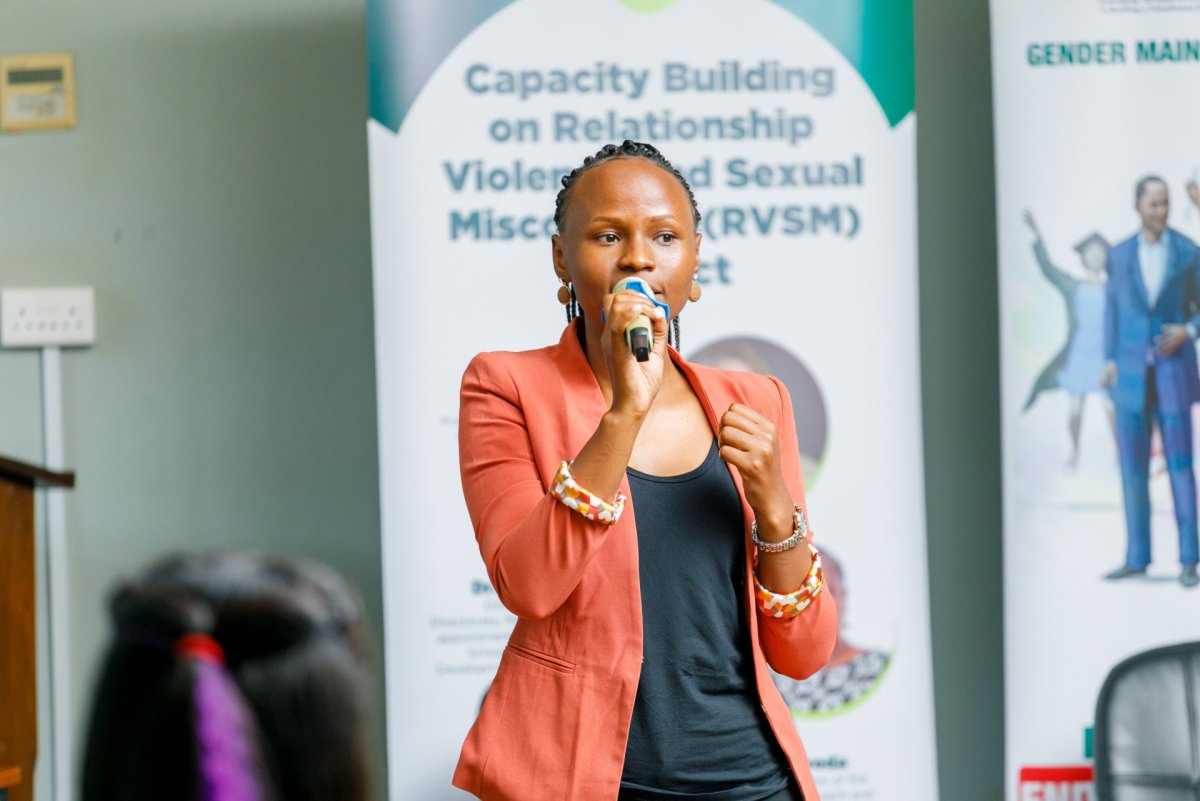
Last week, the GRÓ GEST launched a new alumni-led blended-learning initiative in Uganda in collaboration with the Michigan Fellows Africa Initiative (MFAI). The initiative marks a significant expansion of GRÓ GEST’s strategy to localise high-level gender equality education through trusted alumni partners.
The programme, Gender and Development in Contemporary Societies, is led by Dorcus Asiimwe, a 2024 GRÓ GEST alumna and Programmes Manager at MFAI. It combines structured online learning with locally grounded, in-person engagement and mentorship.
The initiative received more than 200 applications from candidates representing eight nationalities and residing across 37 districts in Uganda, reflecting both strong demand for advanced Gender and Development training and the relevance of the course themes to young leaders working across civil society, education, and community development.
Delivery takes place in close partnership with the Makerere University Directorate of Gender Mainstreaming, alongside a network of professors, practitioners, and opinion leaders from Africa, Iceland, and the United States, who will contribute as guest lecturers, panellists, and mentors. The Icelandic Embassy in Uganda is also engaged, and Icelandic diplomats are expected to attend the in-person events scheduled for February 2026, underscoring the programme’s strong institutional anchoring and international collaboration.
The course adopts GRÓ GEST’s blended-learning model, combining participation in the GRÓ GEST edX online course on Gender and Development with mentoring, applied work, and local contextualisation. A cohort of 20 selected youth leaders will complete the online component before convening for an intensive in-person symposium at Makerere University in Kampala. The curriculum centres on four core themes—state, security, peacebuilding, and decolonisation—through which participants critically examine how colonial legacies continue to shape gendered inequalities in education, labour markets, governance, and leadership across many African contexts.
Through a nuanced knowledge-to-action and contextual adaptation approach, participants are supported to engage with MOOC content while reflecting on their own professional and community-based initiatives. The programme intentionally draws on indigenous knowledge systems, Ubuntu philosophy, lived experience, and academic theory to challenge inherited development models and colonial stereotypes that have historically marginalised women and girls, including through gendered educational pathways and persistent barriers to leadership and economic participation.
Experiential learning is a central component of the in-person phase. Participants will take part in community-based activities, including an Ubuntu volunteering day with the Iceland-supported non-profit Uganda Youth Development Link (UYDEL), linking theory with practice, service, and collective reflection.
This Uganda rollout forms part of the 2026 GRÓ GEST Blended Learning Programme and exemplifies GRÓ GEST’s long-term commitment to alumni-led, locally embedded, and globally connected gender equality education. By placing programme leadership in the hands of alumni such as Dorcus Asiimwe, GRÓ GEST continues to invest in sustainable capacity development and in the creation of communities of practice that extend well beyond the classroom.