Where water flows, Equality grows!
GRÓ GEST Fellow Contributes to World Water Day Event in Iceland
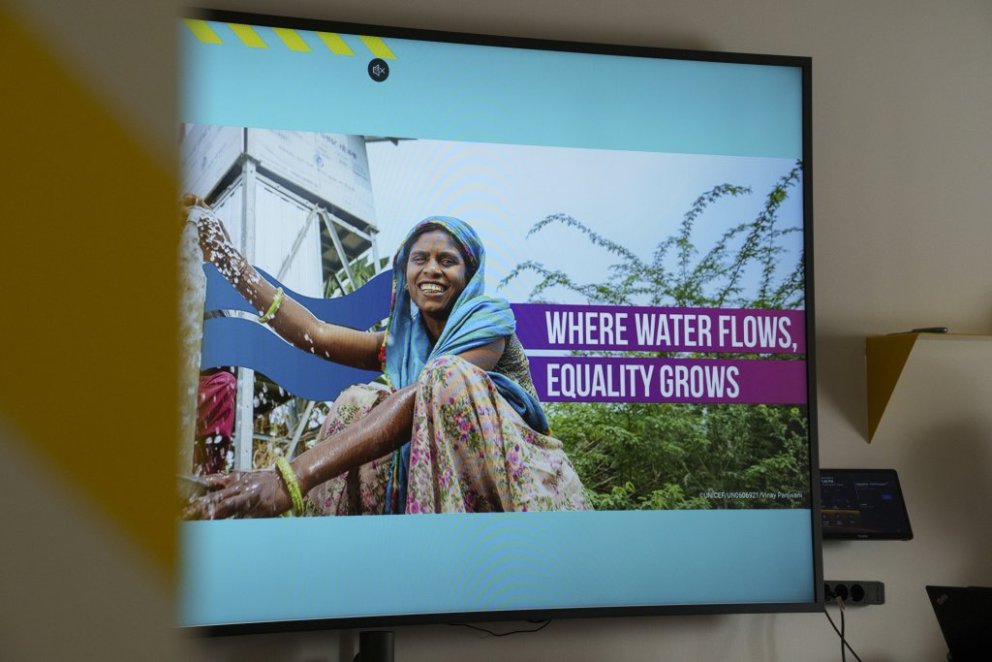
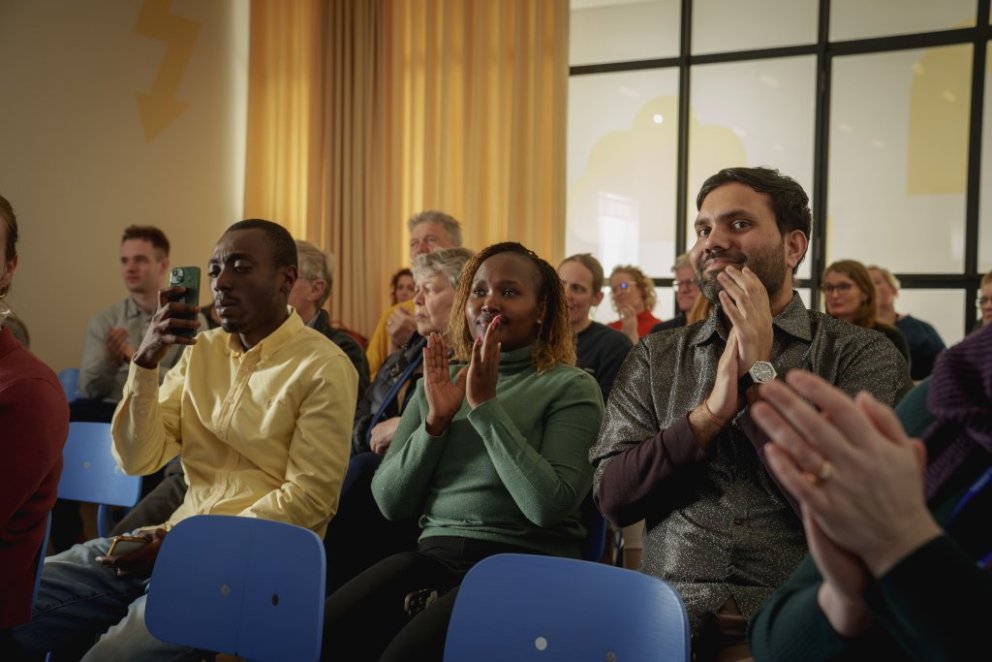
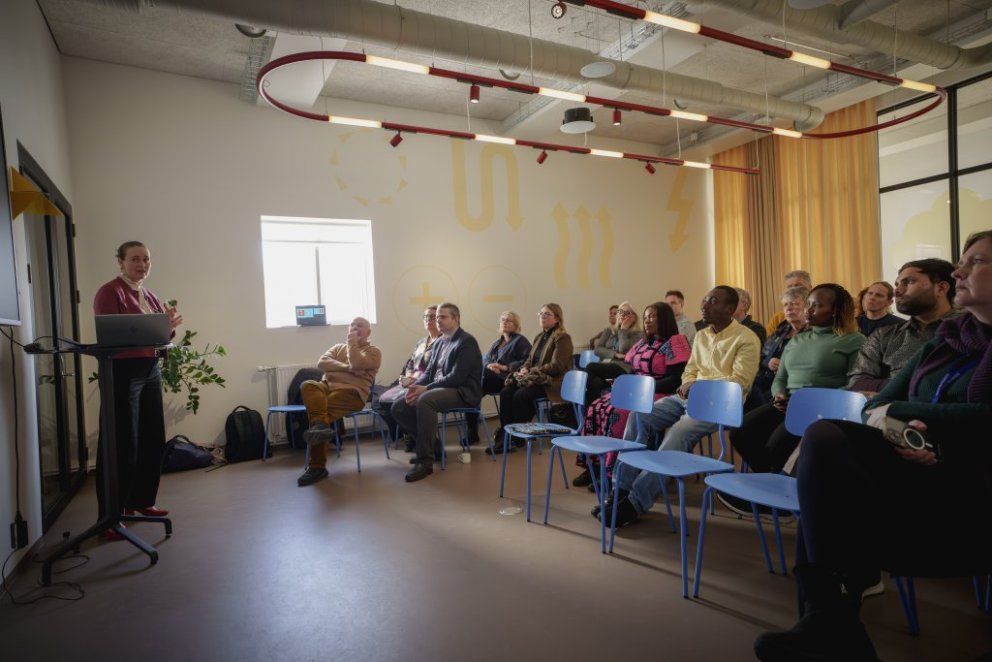
On Friday, 20 March, a special event was held at Elliðaárstöð in Reykjavík to mark World Water Day, which is celebrated each year globally. The 2026 theme highlighted the critical connections between water and gender equality. The event was organised by the Icelandic Hydrological Committee, Orkuveita Reykjavíkur (Reykjavík Energy), and the LIFE Icewater project.
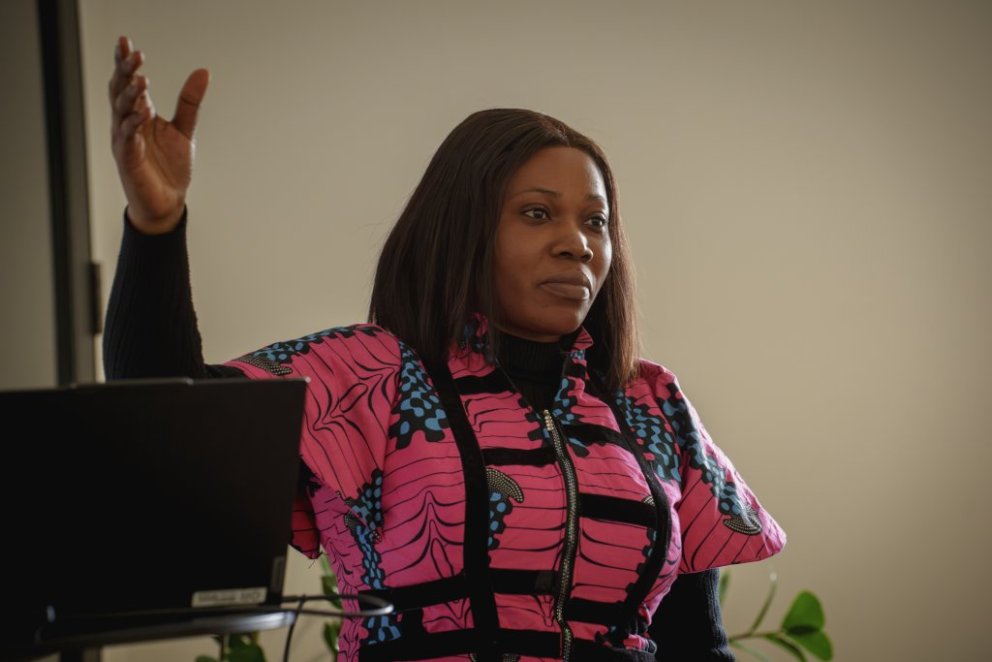
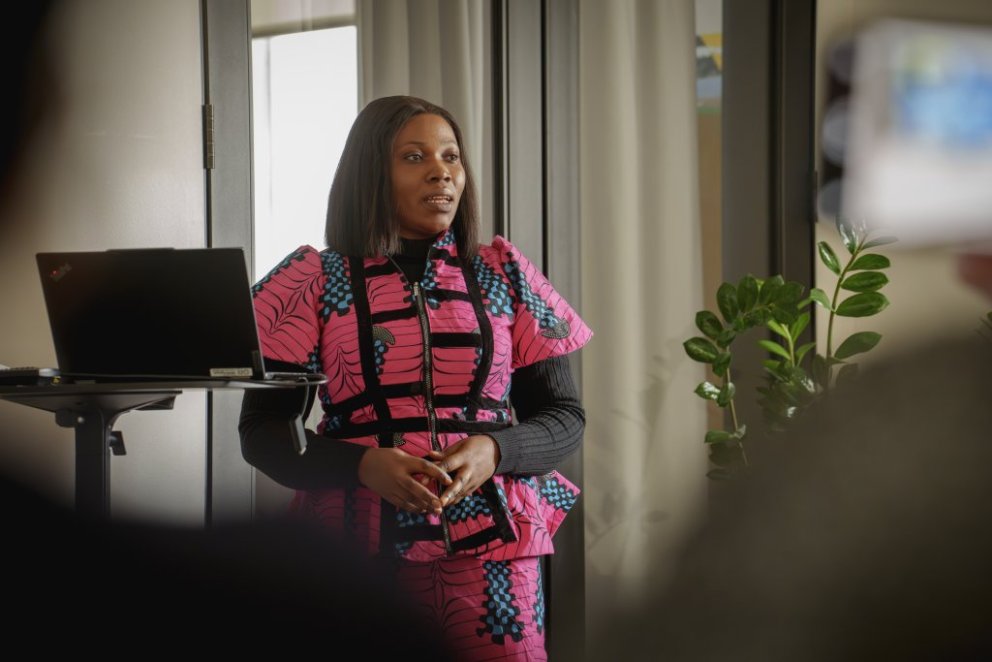
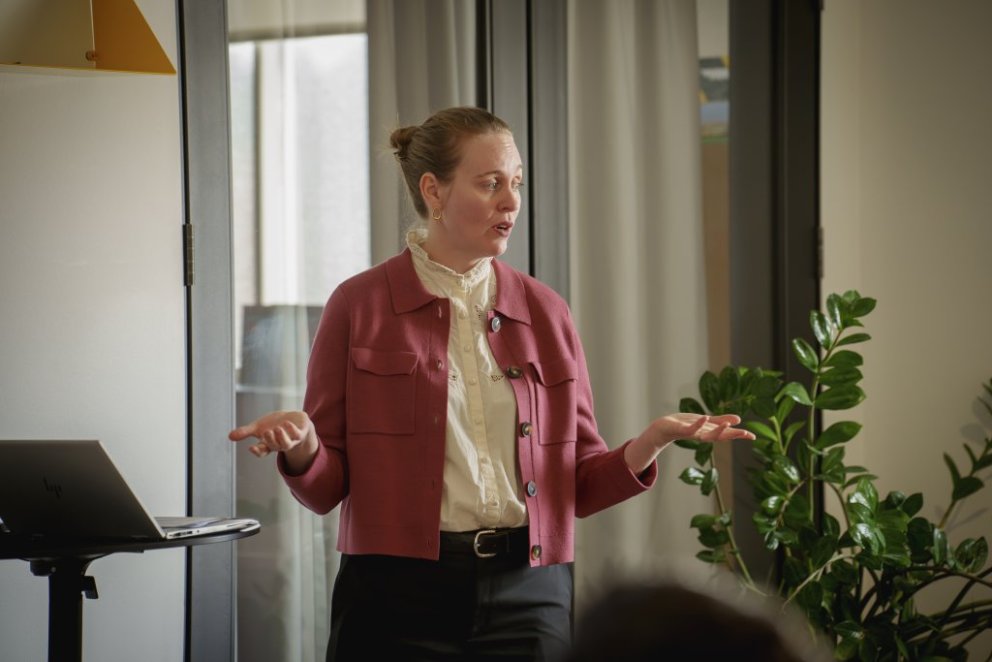
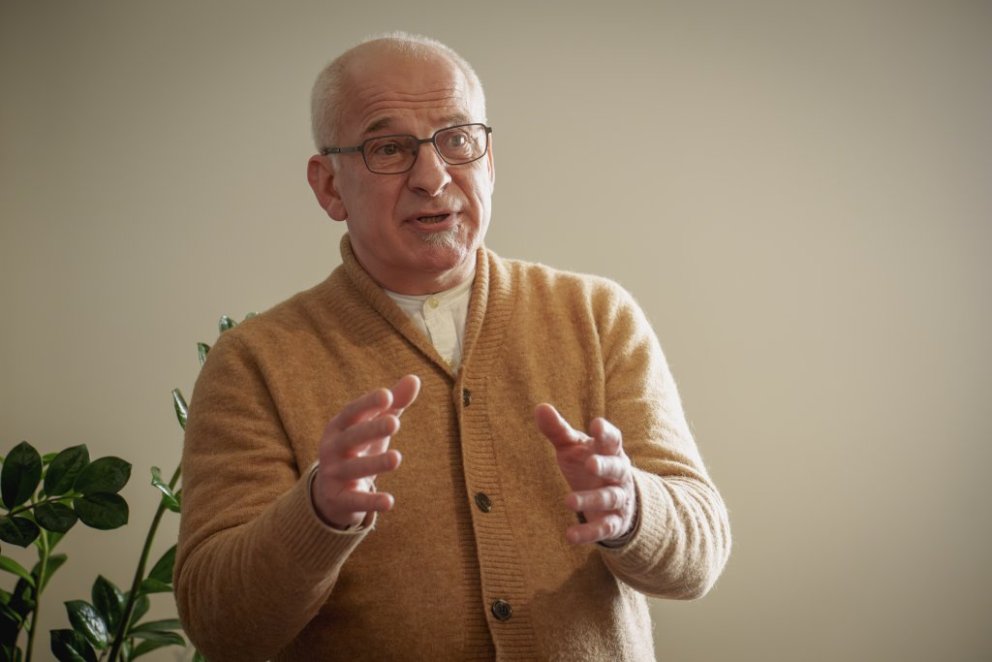
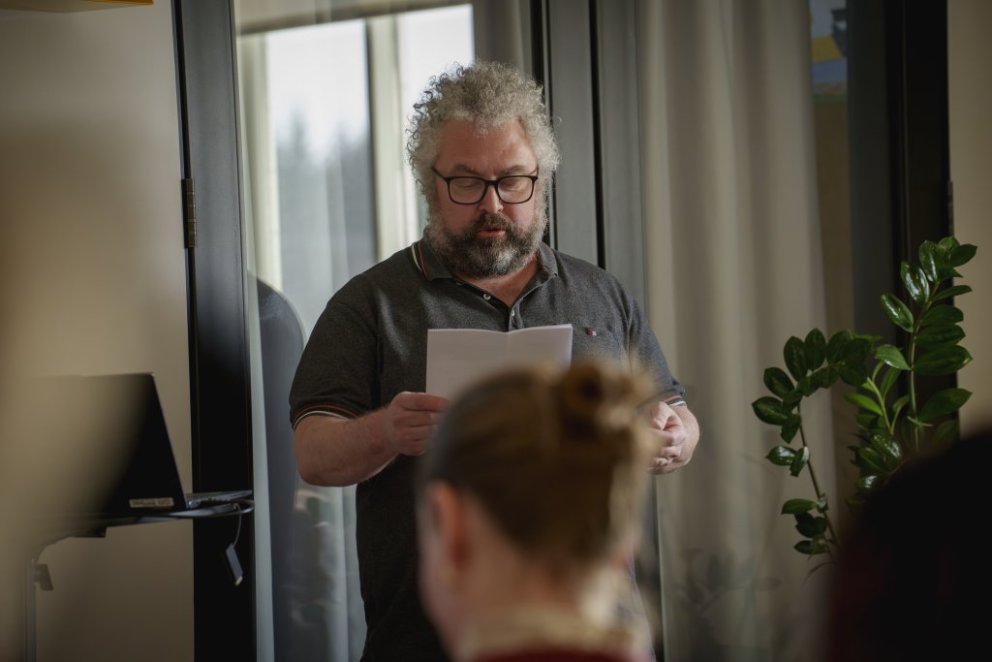
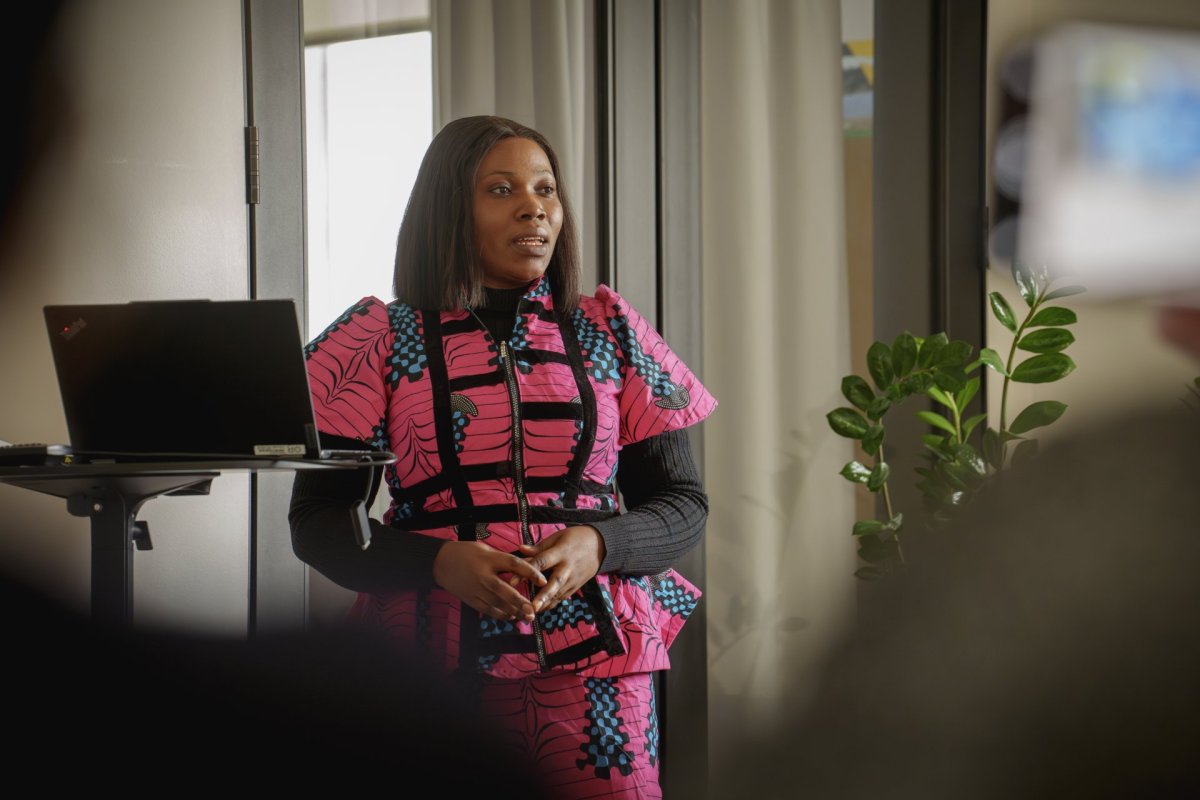
Among the speakers was GRÓ GEST fellow Esther Chinecherem George, alongside Pálína B. Matthíasdóttir, Head of Department at the Directorate for Development Cooperation at Iceland’s Ministry for Foreign Affairs, and historian Stefán Pálsson. The speakers offered diverse and insightful perspectives on the importance of water, particularly in relation to advancing gender equality worldwide. The moderator was Eiríkur Hjálmarsson, head of sustainability at Reykjavík Energy.
Addressing gender barriers in the water sector
Esther Chinecherem George is a water specialist from Nigeria, currently working with the Imo State Water and Sewerage Corporation. As part of her studies at GRÓ GEST, she is conducting a research project titled Addressing the Gender Barriers in Water Utilities in Developing Countries, with a particular focus on Nigeria.
Her research examines the structural and institutional barriers that limit women’s participation and advancement in technical roles within water utilities. Using a mixed-methods approach, including focus group discussions and survey data, her findings show that gender inequalities are reinforced throughout the employment lifecycle—from education and recruitment to retention and career advancement.
Esther highlights several key barriers, including limited encouragement for girls to pursue STEM education, a lack of access to role models, and fewer internship opportunities. In workplaces, challenges such as physically demanding roles, limited mentorship, work-life balance constraints, and gaps in institutional policies further restrict women’s participation.
Her project aims to:
- Identify key barriers faced by women in water utilities
- Develop practical recommendations to attract, retain, and support women in technical roles
- Promote greater inclusion in the water sector and contribute to the achievement of the UN Sustainable Development Goals
As part of her research, Esther has also engaged with stakeholders in Iceland, including Veitur, to focus on experiences of gender equality within Icelandic water utilities, recruitment practices, and policies that support women’s participation in technical fields.
Water, gender, and unequal realities
In her presentation, Esther emphasised the strong link between access to water and gender inequality. In Nigeria, girls in rural areas may spend up to six hours per day collecting water, and women and girls carry out the vast majority of daily water-related tasks. At the same time, around 60 million people lack access to basic drinking water services.
These realities have significant implications for education and economic participation. Time spent on water collection limits girls’ access to schooling, while persistent gender norms continue to discourage women from entering technical fields.
At the same time, Esther highlighted that increasing women’s participation in water utilities leads to tangible benefits. More inclusive institutions contribute to improved decision-making, greater innovation, and more responsive service delivery that better reflects community needs.
She concluded by stressing that achieving sustainable development requires not only recognising women’s role in household water management but also ensuring their participation in shaping the systems and institutions that govern water resources.
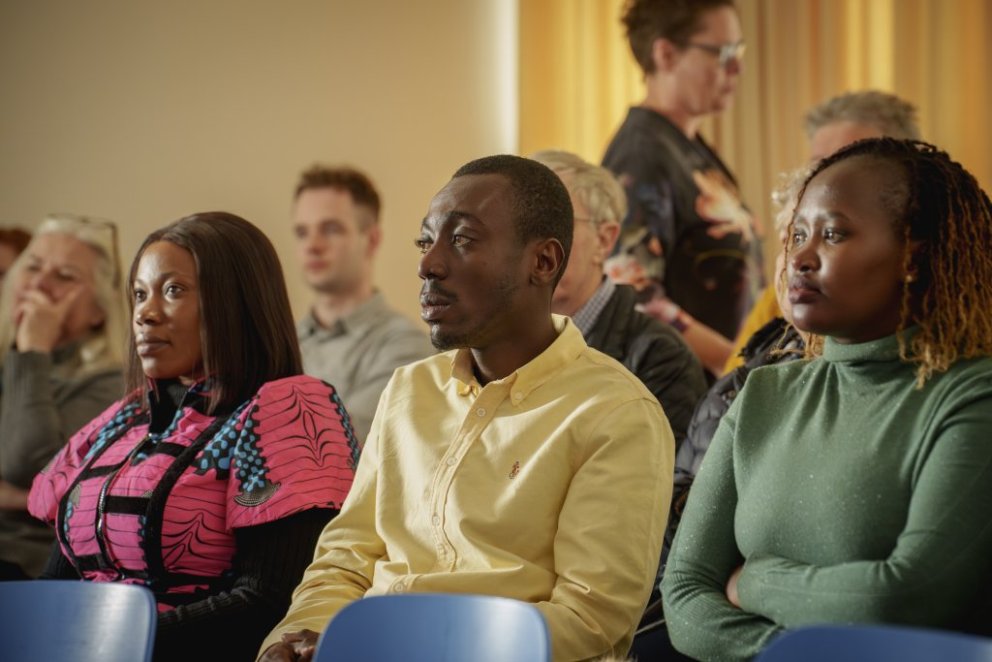
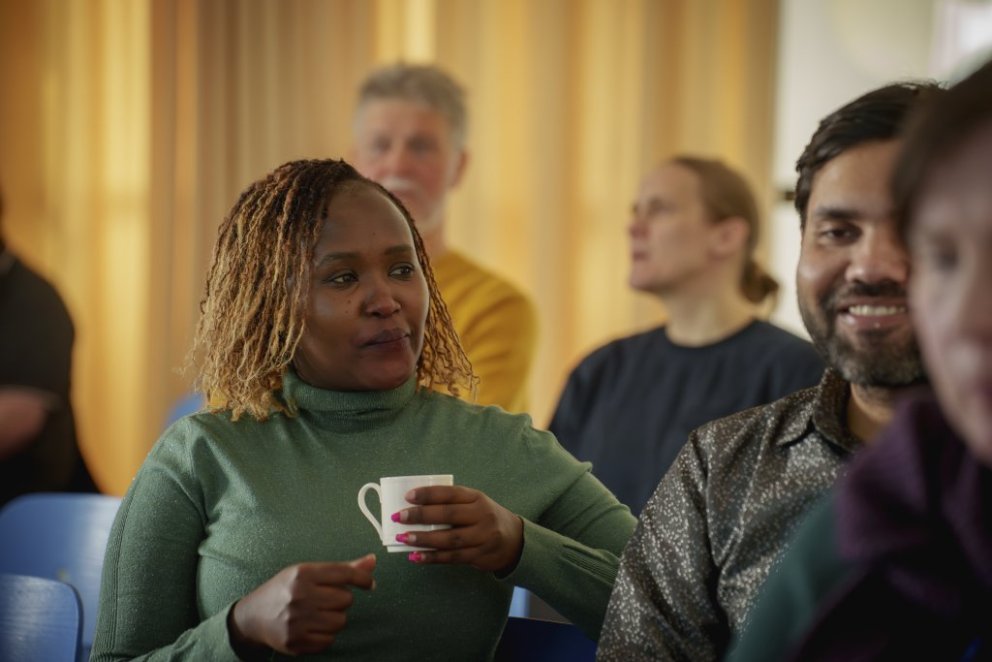
The event provided an important platform for sharing knowledge and fostering dialogue on the intersection of water and gender equality, with participants contributing to engaging discussions.