

Who gets to define knowledge?
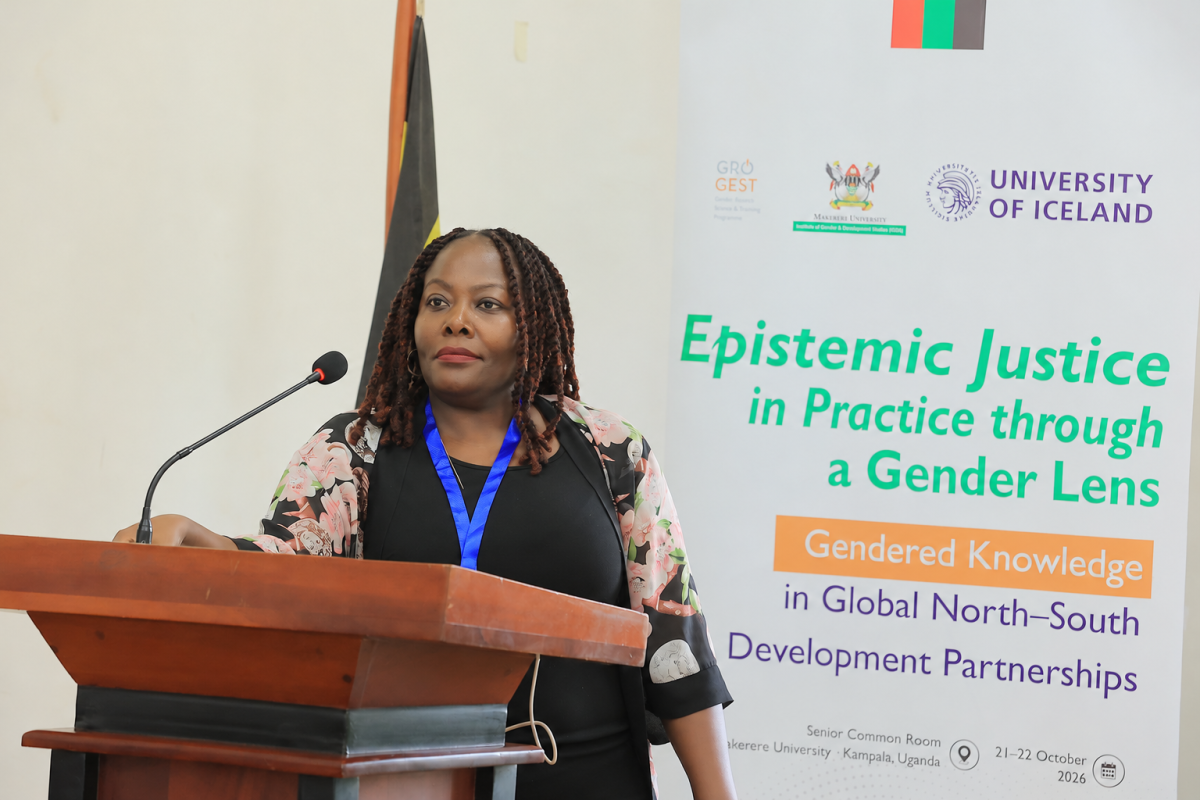
An international conference at Makerere University in Uganda brought together GRÓ GEST alumni, feminist scholars and development practitioners to examine whose knowledge counts, who gets to define expertise, and how more equitable partnerships can be built between the Global North and South.
What do a mental health consultation in Tanzania, a coffee farm in Malawi, and an HIV prevention programme in Kenya have in common? Each raises fundamental questions about whose knowledge is recognised, whose expertise carries authority, and who ultimately gets to decide how problems are understood and addressed.
These questions were at the heart of Epistemic Justice in Practice: Gendered Knowledge in Global North–South Development Partnerships, a two-day international conference held at Makerere University in Kampala, Uganda, on 21–22 October 2026.
Co-organised by the GRÓ Gender Equality Studies and Training Programme (GRÓ GEST) at the University of Iceland and Makerere University's Institute of Gender and Development Studies, the conference brought together approximately 100 participants, including GRÓ GEST alumni from Uganda, Kenya, Tanzania and Malawi, academics, postgraduate students, civil society representatives and development practitioners.
Across two days of research presentations, keynote addresses, panel discussions and plenary debates, participants examined the politics of knowledge production in international development cooperation and in the diverse professional fields where GRÓ GEST alumni work.
The underlying question was deceptively simple: Who has the authority to decide what counts as knowledge?
Recognising alumni as producers of knowledge
In her opening remarks, Dr Irma Erlingsdóttir, Director of GRÓ GEST, emphasised that the conference's purpose extended beyond showcasing the professional achievements of former fellows.
GRÓ GEST works with researchers, public servants, educators, advocates and professionals who are already engaged in advancing gender equality within their societies. While the programme provides advanced academic training and opportunities for critical reflection, the knowledge its fellows generate after returning home is equally significant.
"Our alumni return to institutions where they confront questions that no syllabus, policy framework or development manual can fully anticipate," Irma explained. "In doing so, they do not merely apply knowledge. They generate it."
This principle shaped the conference from the outset. Rather than inviting alumni to report on projects or describe successful interventions, organisers asked them to identify intellectual problems emerging from their professional experience, critically examine the assumptions underlying their work, and develop original arguments.
The resulting contributions covered donor funding, mental health, sexuality and bodily autonomy, climate adaptation, women's land rights, agricultural production, gender education and the historical legacies of colonial institutions. Together, they demonstrated how alumni contribute to the development of theory, policy and practice through research and expertise grounded in their own professional contexts.
Formally opening the conference as Acting Vice Chancellor, Professor Sarah N. Ssali, Makerere University’s Deputy Vice Chancellor (Academic Affairs), reinforced the importance of recognising GRÓ GEST alumni as intellectual leaders and knowledge producers. Describing the gathering as an important milestone in GRÓ GEST’s Alumni Strategy 2026–2030, she highlighted the role of alumni in shaping research, policy and institutional development in their countries and regions.
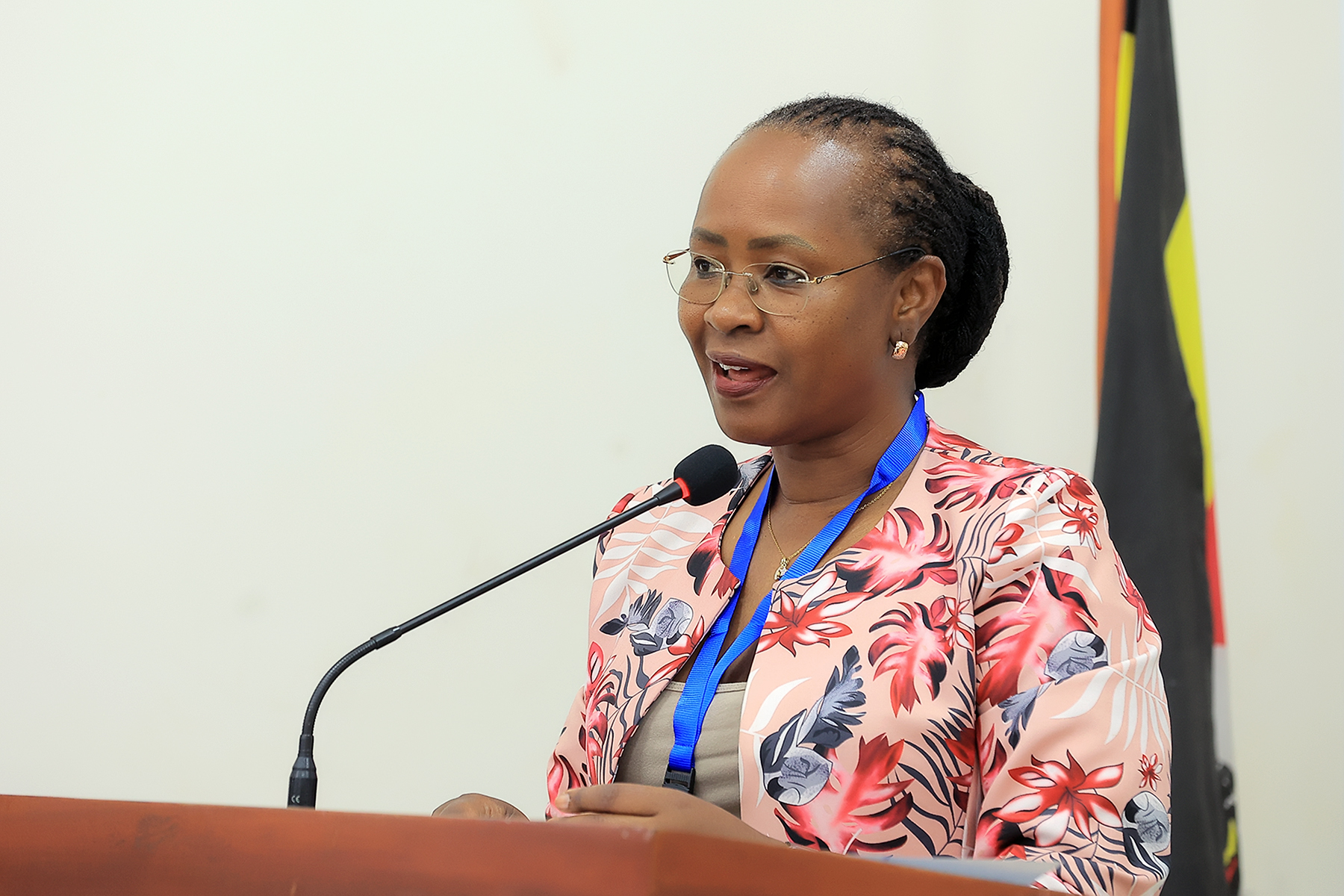 Professor Sarah Ssali, Makerere University's Deputy Vice Chancellor, during her opening remarks
She also presented the partnership between Makerere University and the University of Iceland as an example of collaboration grounded in mutual respect, shared learning and intellectual reciprocity. As she put it, “It reflects a model of engagement that recognises the contribution of all partners as co-creators of knowledge and agents of change.”
Reflecting on the first day of the conference, Dr Amon Ashaba Mwiine of Makerere University drew attention to something that had struck him even before the formal programme began: the warmth and excitement with which GRÓ GEST alumni from different cohorts reunited, recalling shared experiences in Iceland and reconnecting across professional and national boundaries. For Mwiine, these encounters revealed that the programme had created more than opportunities for academic training. It had fostered enduring relationships and a shared sense of identity. He challenged participants to consider how these alumni networks could be further harnessed to overcome the traditional divisions between the Global North and South in knowledge production.
Questioning power in development partnerships
Representing Iceland's development cooperation, Katrín Einarsdóttir, Head of Mission at the Embassy of Iceland in Kampala, reflected on the implications of epistemic justice for relationships between development partners.
While international cooperation increasingly emphasises local ownership, participation and mutual accountability, she argued that these principles must be reflected in how priorities are established, funding is structured and results are assessed.
"When local partners tell us that an approach is not working, are we able to adapt? When their understanding of success differs from the one in a project document, do we take that seriously?" she asked.
Acknowledging that development partners have legitimate responsibilities for public funding, Katrín emphasised that accountability must coexist with a willingness to recognise existing expertise and question established practices.
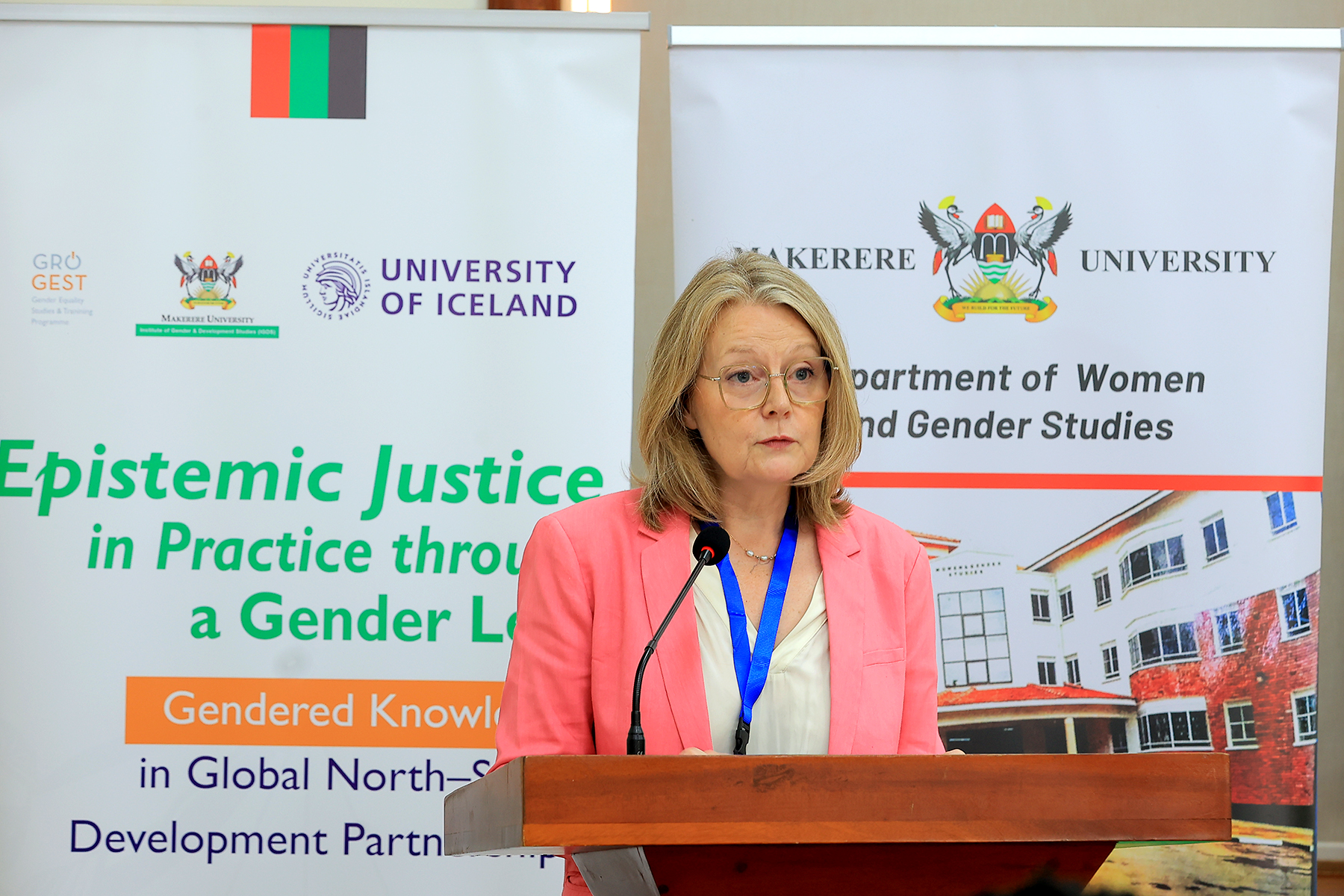 Katrín Einarsdóttir, Head of Mission at the Embassy of Iceland in Kampala
"These questions are not arguments against international cooperation. They are arguments for making cooperation better: more responsive, more accountable in both directions, and more likely to produce meaningful and lasting results."
Beyond colonialism: Professor Josephine Ahikire challenges established intellectual frameworks
The first keynote address, Living Epistemic Justice and Scratching Beyond the Surface, was delivered by Professor Josephine Ahikire of Makerere Tabitha Mulyampiti University's Institute of Gender and Development Studies.
Ahikire challenged participants to critically examine the intellectual categories through which African societies, histories and experiences are interpreted. Drawing on emerging debates in African scholarship, including Abdullah's concept of historical self-grounding, she explored the possibility of developing theoretical frameworks rooted in African historical experiences without continually making colonialism the central reference point.
The argument introduced a provocative question: if African scholarship is always organised around the experience and legacy of colonialism, does it risk continuing to define Africa primarily through its relationship with Europe?
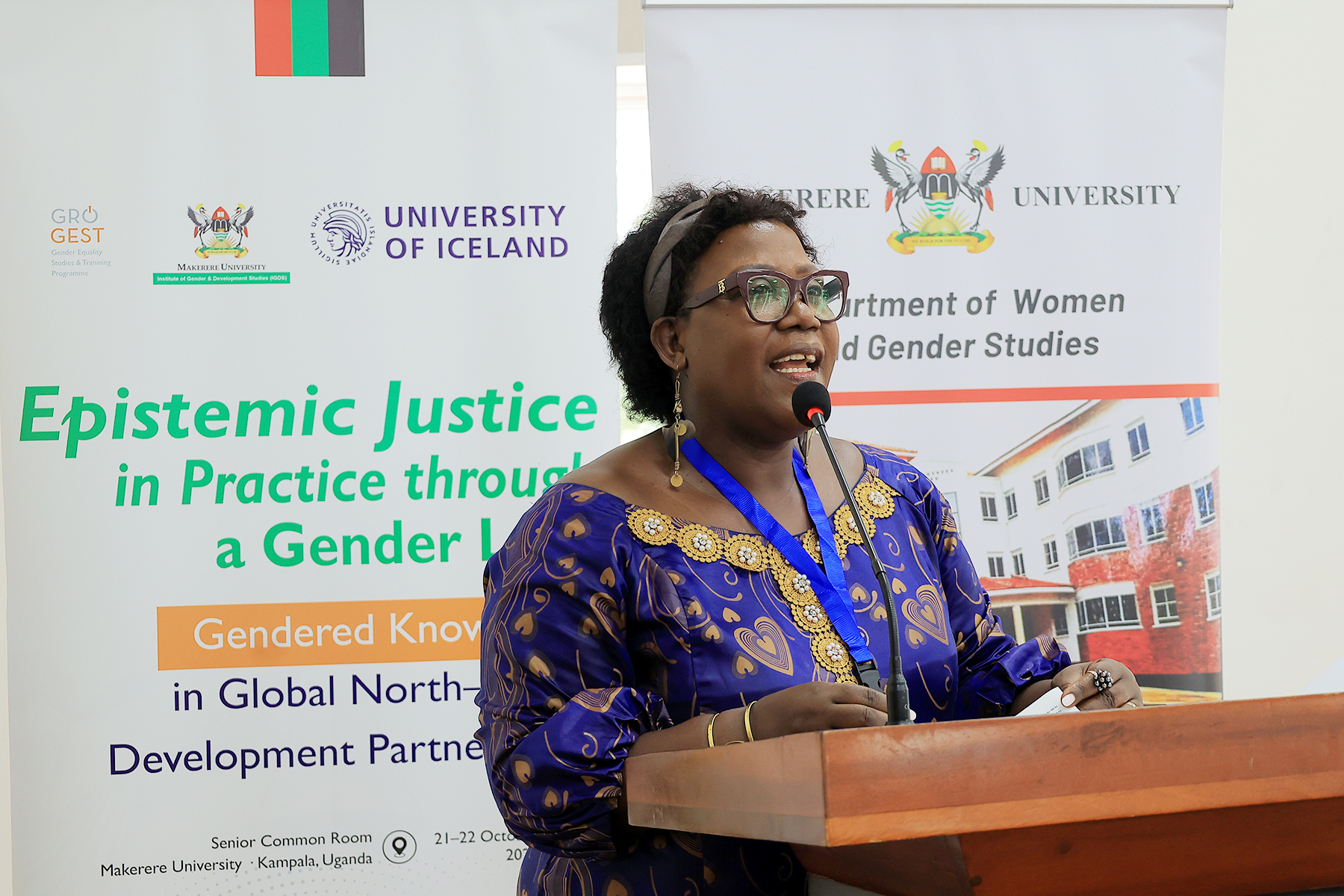
Professor Josephine Ahikire of Makerere Tabitha Mulyampiti University's Institute of Gender and Development Studies.
Ahikire further explored these questions through motherhood and the complexity of women's lived experiences, drawing attention to forms of knowledge and suffering that remain invisible within established theoretical and cultural narratives.
One particularly powerful example concerned a mother witnessing her son's circumcision. While the son's physical suffering is recognised as part of his transition into manhood, the mother's own pain and experience may remain largely unacknowledged. Through such examples, Ahikire demonstrated how attending to the ordinary complexities of lived experience can reveal relationships of power that established theoretical categories fail to capture.
Her keynote established an intellectual foundation for much of the discussion that followed.
In the subsequent panel, featuring Professor, Hilda J. Twongyeirwe and Dr Thomas Brorsen Smidt, Senior Programme Manager at GRÓ GEST, participants explored some of the tensions within contemporary debates on decoloniality and epistemic justice.
Smidt questioned the tendency among some feminist academics and development workers in the Global North to foreground colonial histories and their own positionality in an attempt to mitigate discomfort and avoid engaging with criticisms. He argued that well-intentioned efforts to demonstrate historical awareness too often become performative and end up reproducing epistemic hierarchies by imposing a particular interpretive framework.
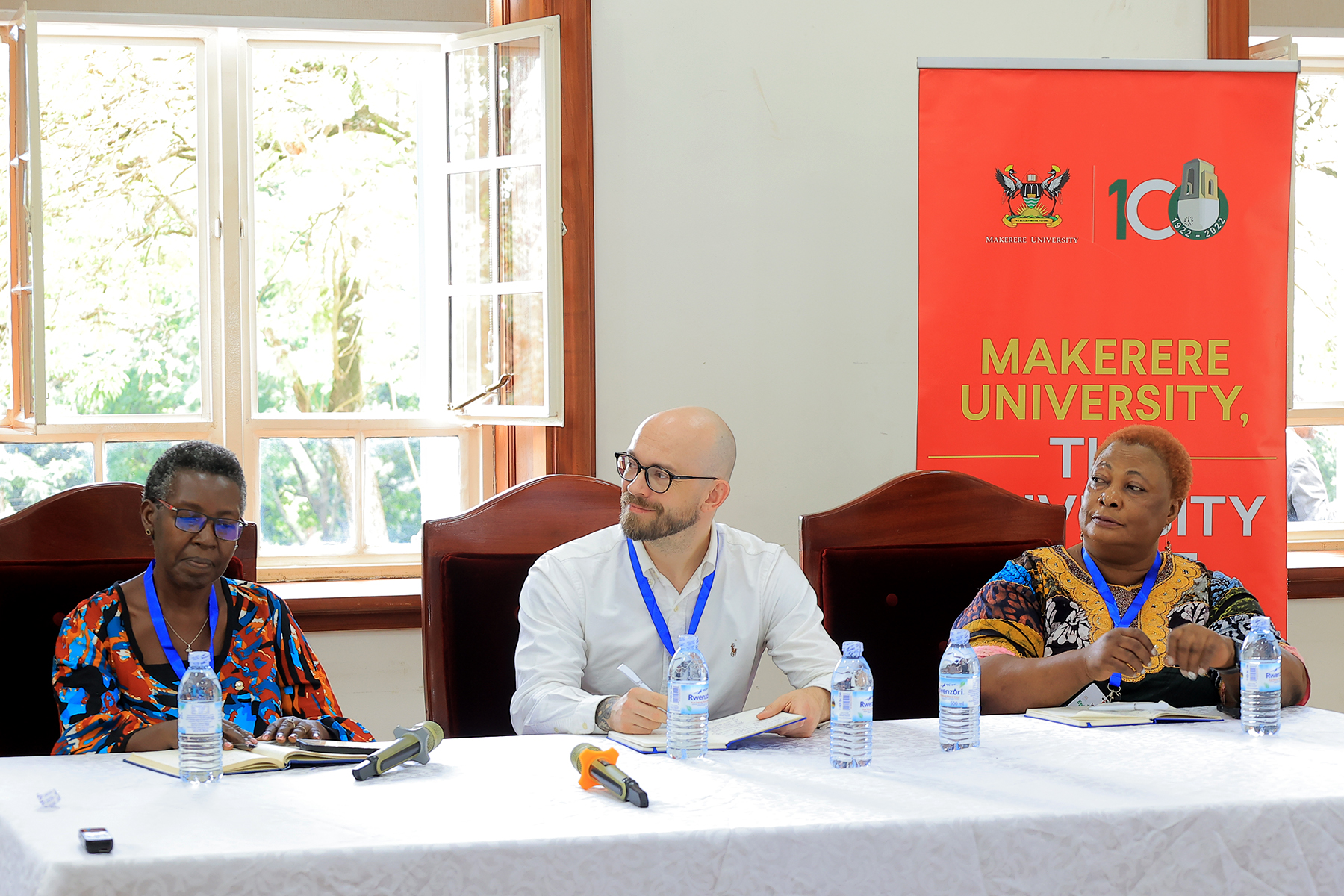
From left: Ms. Hilda J. Twongyeirwe, Dr Thomas Brorsen Smidt, and Prof. Tabitha Mulyampiti
Instead, he advocated genuine epistemic humility: approaching intellectual collaboration with openness, vulnerability and a willingness to encounter disagreement and discomfort, rather than assuming in advance which historical or theoretical perspectives should take precedence.
Mulyampiti further cautioned that decolonial theory can sometimes occupy such a privileged position within African feminist debates that it discourages critical engagement with African feminist theories themselves. Referring to motherism as an example, she argued that African intellectual traditions must remain open to scrutiny and critique.
Together, the discussion raised an important challenge: how can scholars confront historical and contemporary inequalities in knowledge production without establishing new intellectual orthodoxies or placing particular perspectives beyond criticism?
Rethinking knowledge through water: Professor Tamara Shefer's keynote
On the second day, Professor Tamara Shefer of the University of the Western Cape in South Africa offered a different, equally challenging perspective in her keynote, Watery Decolonial Feminist Thinking and Praxis towards Epistemic Justice in North–South Research.
Drawing on decades of feminist scholarship on gender, sexuality and HIV in South Africa, Shefer critically examined the ways research partnerships have historically positioned the Global South as a site of fieldwork and empirical data collection, while institutions in the Global North retain disproportionate control over theoretical interpretation and academic recognition.
She reflected on experiences in which Northern academic audiences showed significantly greater interest in research about violence and social problems in South Africa than in comparable research concerning Finland. Even well-intentioned critical scholarship, she argued, can reinforce expectations that the Global South is primarily a place of crisis, disorder and problems requiring external investigation.
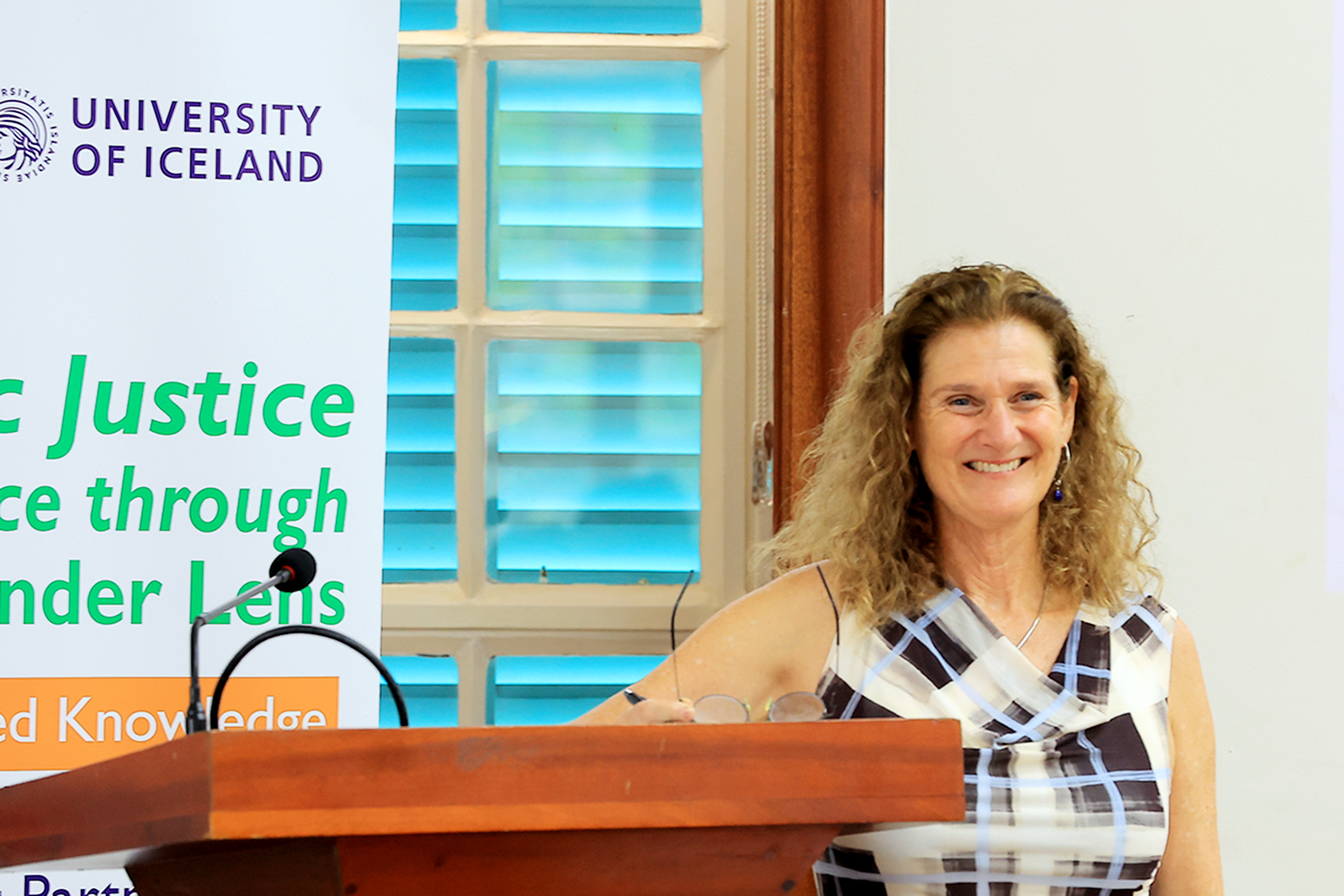
Professor Tamara Shefer of the University of the Western Cape
For Shefer, addressing these inequalities requires more than increasing the participation of Southern researchers or improving existing collaboration models.
"What is needed is a radical rethinking of the logics that underpin our knowledge practices, beyond changing the demographics of who does research and with whom," she argued.
Drawing on hydrofeminism and wider decolonial, Indigenous and posthumanist feminist scholarship, Shefer invited participants to think with water as a way of challenging conventional assumptions about knowledge, individuality and the relationship between human beings and the wider world.
Water, she explained, offers a way to conceptualise knowledge as relational, embodied and interconnected. It also carries histories of colonialism, forced displacement, exploitation and environmental destruction, while reminding us of the profound interdependence between people, communities and ecosystems.
Her presentation explored alternative approaches to research that are collaborative, situated and grounded in care and responsibility, rather than extraction and the separation of researchers from those they study.
The keynote prompted questions about how such far-reaching theoretical ideas might be translated into concrete research methods and more equitable institutional practices.
Reflecting on the two keynotes, Prof. Josephine Ahikire offered a playful observation to Shefer following her presentation: "Yesterday I destabilised them; today you washed them away!"
The remark captured the complementary character of the two contributions, which challenged participants both to rethink established intellectual foundations and to imagine different ways of producing knowledge.
From participation to authority: Lessons from alumni research
While the keynote addresses provided broad theoretical perspectives, the alumni presentations brought questions of epistemic justice into direct conversation with the practical realities of development work, public institutions and community life.
A recurring theme was the distinction between including local knowledge in a programme and granting its producers genuine authority over decisions.
In her presentation on gender-transformative HIV prevention in Mombasa, Kenya, GRÓ GEST alumna Everlyne Nthenya Mumo demonstrated how frontline practitioners frequently generate valuable knowledge when adapting internationally developed training programmes to local circumstances.
She described how a standardised training manual used an example of sexual harassment occurring at a cinema; a setting unfamiliar to many young participants. By relocating the scenario to Mombasa's beaches and the Mama Ngina waterfront, she was able to make the discussion more accessible and relevant to participants' experiences.
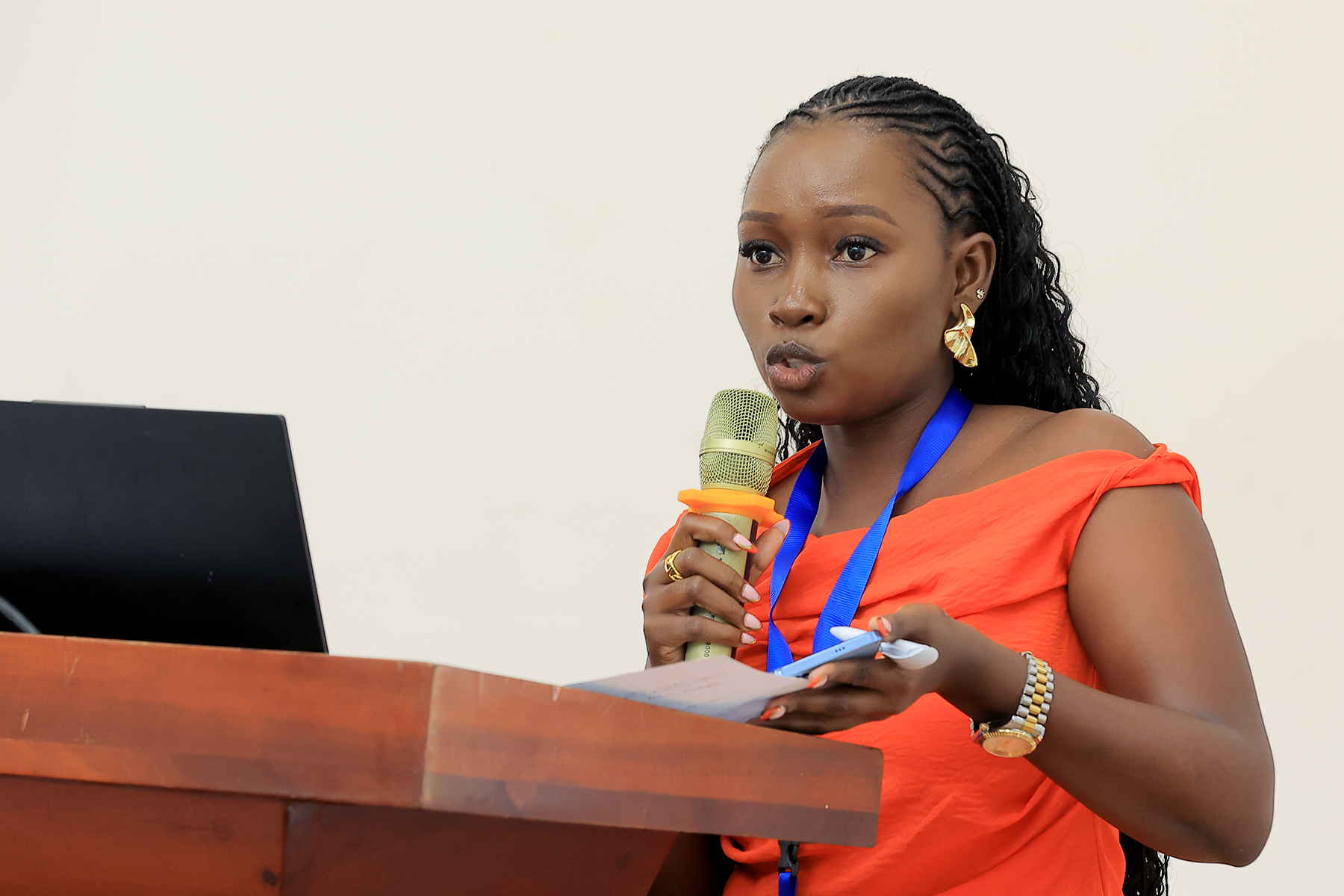
Everlyne Nthenya Mumo is a prominent Kenyan gender advocate and GRÓ GEST alumna of 2026
Such adaptations, she argued, are not simply matters of translation or implementation. They constitute knowledge production in their own right.
Yet practitioners who make these changes often have little formal authority to revise the original training materials or influence future programme design.
Her central argument—that adaptation to local contexts is not equivalent to authority over programme design—resonated strongly with the wider discussions about power in development partnerships.
A related perspective emerged from Brenda Apeta's presentation on Teaching Gender to Youth, a collaboration between GRÓ GEST and Pangea Educational Development in Uganda.
Drawing on the programme's experience between 2023 and 2025, Apeta examined how integrating local storytelling and participants' lived experiences into gender education could challenge the conventional transfer of externally developed teaching materials.
Her findings indicated that incorporating storytelling not only made the training more contextually relevant but also strengthened participants' understanding and practical application of gender concepts.
Crucially, the experience demonstrated that locally developed pedagogical approaches can do more than make externally produced knowledge accessible. They can contribute to rethinking how that knowledge is taught, understood and developed.
Who is recognised as an expert?
Other alumni challenged established assumptions about expertise in fields ranging from agriculture to mental health.
Tawonga Kwangu Msowoya of Malawi explored the gendered hierarchies underlying the global coffee industry.
While the cultural and intellectual authority associated with coffee is frequently concentrated among roasters, baristas, agronomists and market-facing professionals, the expertise of those cultivating and processing the crop—particularly women smallholder farmers—often remains largely unrecognised.
Women's knowledge of soil fertility, crop development, climate adaptation and post-harvest handling is indispensable to coffee production, yet this knowledge is frequently classified as routine labour rather than legitimate expertise.
Msowoya's contribution raised the question of who gets to define coffee knowledge, and how the distinction between recognised expertise and supposedly informal experience reproduces inequalities throughout the value chain.
In a different field, Dr Gloria E. Swilla of Tanzania examined how formal psychiatric frameworks can overlook the social and gendered dimensions of mental distress.
Drawing on clinical and community mental health practice, she described how local expressions such as kufikiria sana—roughly translated as "thinking too much"—can convey experiences of economic hardship, family responsibilities and social pressure that are not adequately captured by standardised diagnostic categories.
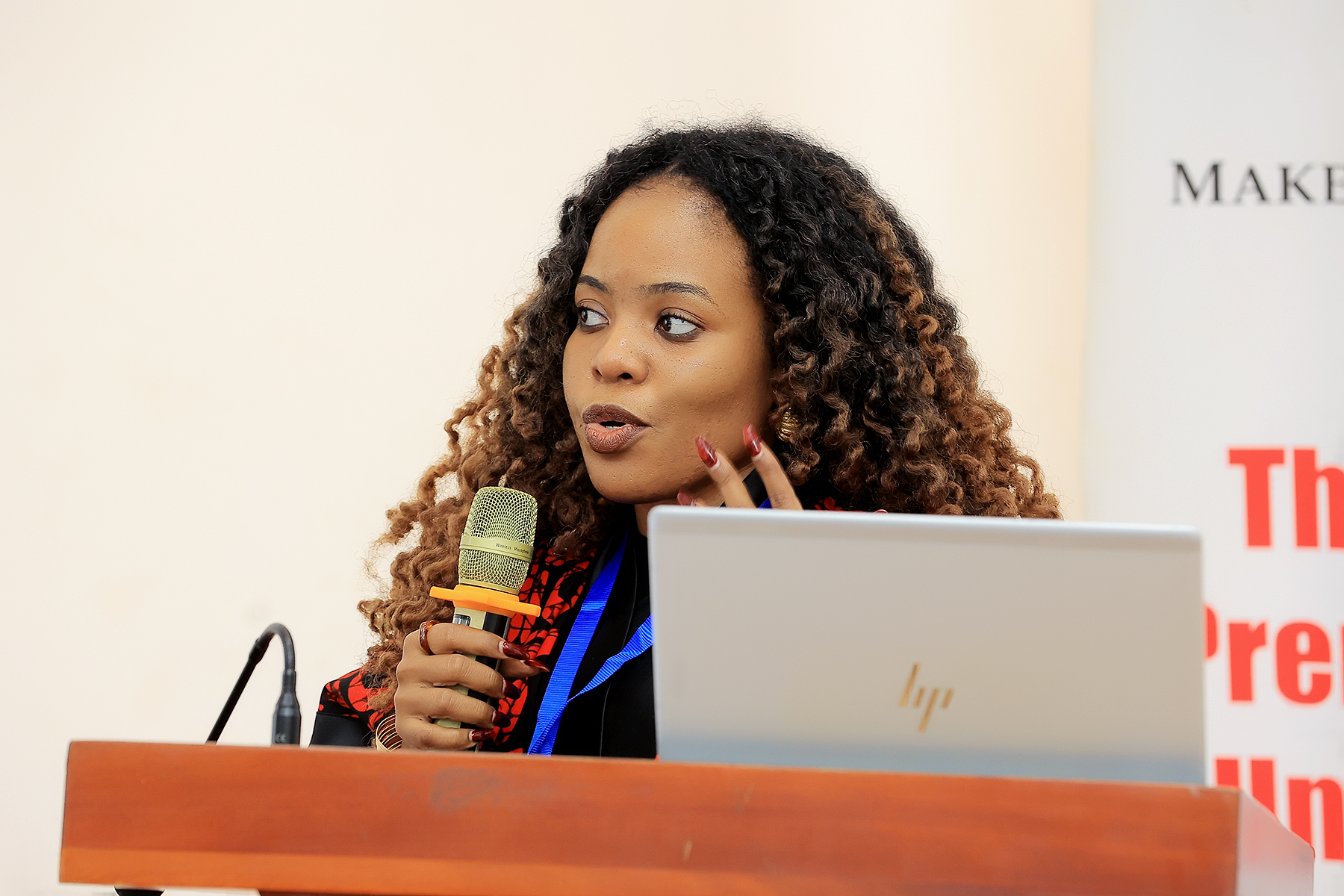
Dr Gloria E. Swilla is a Tanzanian medical doctor and a GRÓ GEST alumna of 2026
Her argument was not to abandon scientific or clinical expertise, but to recognise that patients' lived experiences also constitute knowledge essential to effective assessment and treatment.
Other contributions explored the knowledge of women farmers responding to drought in Uganda, young women navigating the aftermath of Cyclone Freddy in Malawi, and women negotiating land and inheritance rights across formal and customary justice systems.
Across these different contexts, alumni demonstrated how established categories—whether vulnerability, expertise, autonomy or evidence—can fail to capture the complexity of people's actual experiences.
Their research also highlighted that recognising people's knowledge is only part of the challenge. Without access to resources, institutional influence or decision-making authority, even highly valued knowledge may have limited practical effect.
The rapporteurs also offered a critical reflection on the presentations themselves. While many alumni had identified practical recommendations for addressing epistemic injustices in their respective fields, Dr Amon Ashaba Mwiine questioned whether the emphasis on solutions and immediate policy relevance might itself reflect the institutional expectations that the conference sought to challenge. Rather than simply adapting existing approaches, he encouraged participants to interrogate the deeper assumptions through which knowledge is produced and legitimised. The challenge was not only to improve established systems, but also to question the intellectual foundations on which they rest.
Can funding relationships become genuinely more equal?
Questions of funding and institutional authority generated some of the conference's most practically significant discussions.
Laureen Karayi's presentation on flexible funding for women-led organisations in conflict-affected settings offered a concrete example of how more equitable partnerships might be developed.
Drawing on Saferworld's Resourcing Change programme and experiences from countries including Yemen, South Sudan, Somalia and Nigeria, she examined how flexible, adaptive funding can enable local organisations to establish their own priorities, respond to changing circumstances and invest in their long-term institutional development.
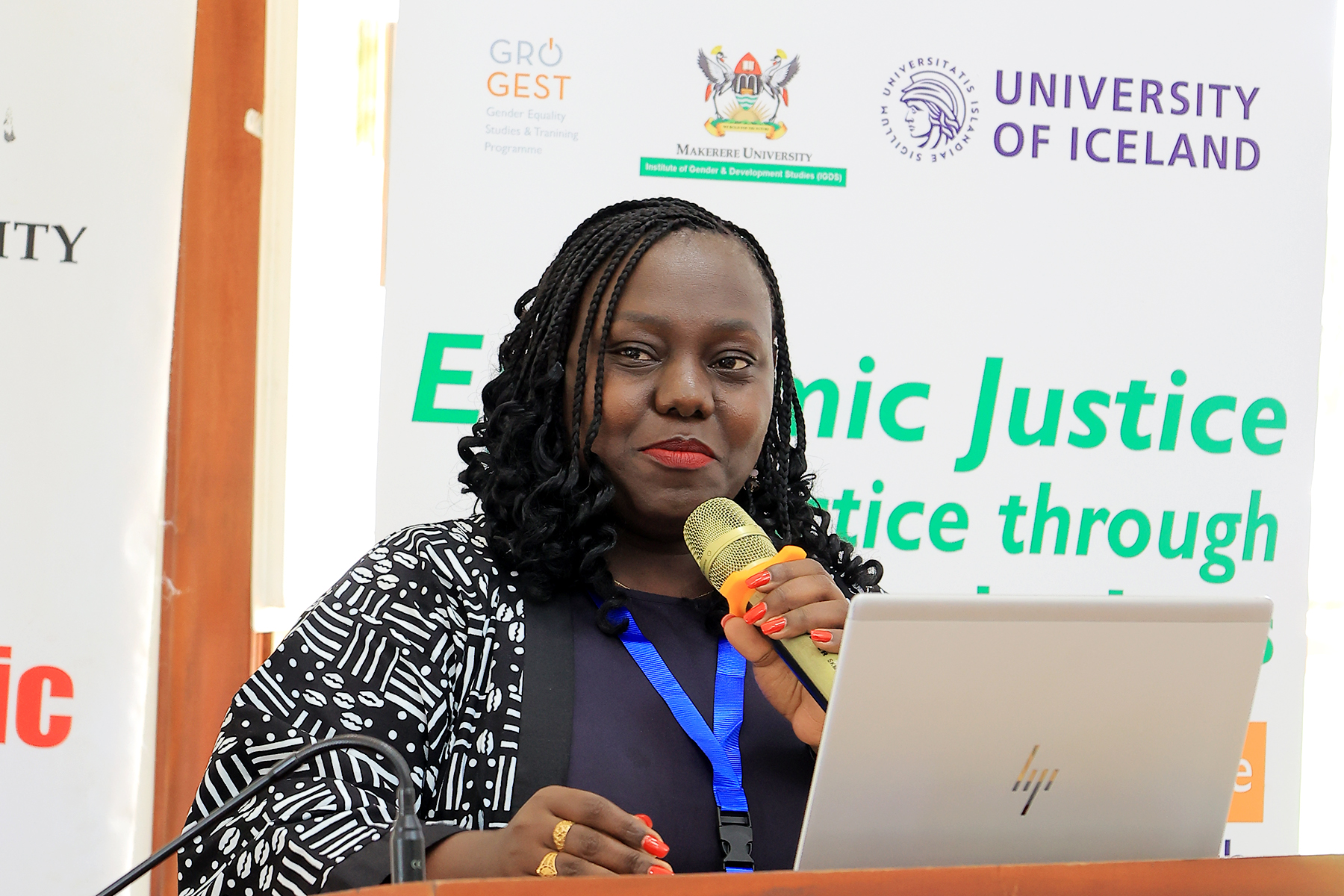
Laureen Karayi is the Senior Gender Advisor at Saferworld and GRÓ GEST alumna of 2014
Rather than treating local organisations primarily as implementers of predetermined activities, such approaches recognise their capacity to exercise professional judgement and determine how resources can generate the greatest impact.
Her contribution connected closely with an unresolved question that emerged throughout the conference: can development partnerships meaningfully redistribute authority when financial resources, contractual obligations and ultimate accountability remain concentrated in the hands of funding institutions?
Participants acknowledged that the structural asymmetries inherent in funding relationships cannot simply be wished away. Greater flexibility and consultation may improve partnerships, but they do not necessarily transfer formal decision-making authority.
The distinction is significant. A partner may have considerable freedom to adapt the implementation of a project while remaining excluded from defining its objectives, underlying assumptions or measures of success.
The discussions also questioned the tendency to treat locally produced knowledge as inherently more legitimate.
Communities are not homogeneous, and locally established institutions and traditions may reproduce their own gendered, social and economic hierarchies. Traditional authorities, professional elites and community representatives do not necessarily speak for everyone whose lives are affected by development interventions.
Equally, professionals educated in international institutions, including GRÓ GEST alumni themselves, occupy particular positions of expertise and influence that must remain open to critical examination.
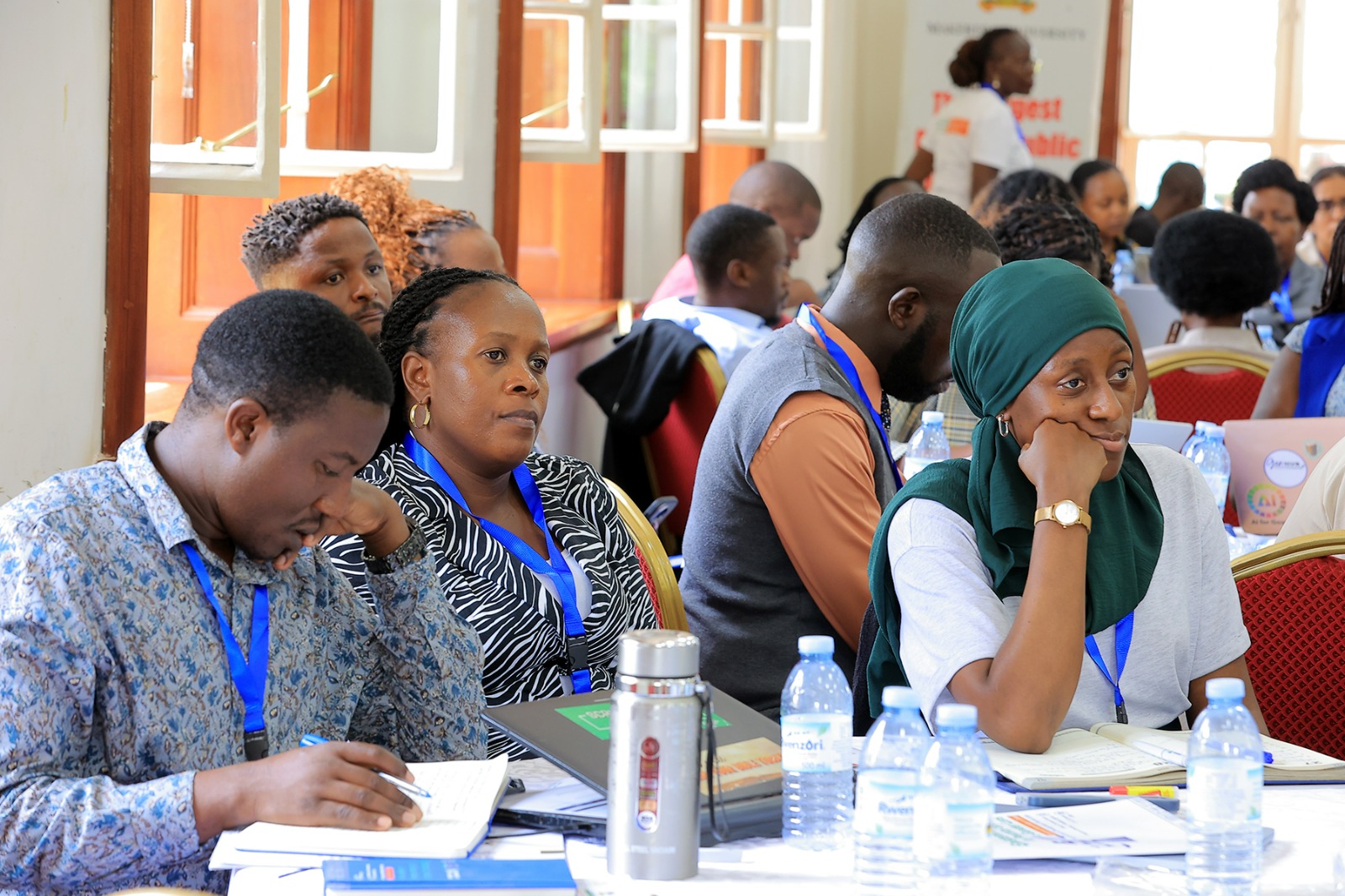
Epistemic justice, participants argued, therefore cannot be reduced to transferring authority from international institutions to another supposedly more authentic group of knowledge holders.
These questions were also reflected in written contributions from the audience, collected by rapporteurs Dr Amon Ashaba Mwiine and Ms Elizabeth Atuheire at the beginning of the second day. Participants asked what precisely constitutes local knowledge, how its legitimacy should be established, and whether it was possible to imagine a third space beyond conventional distinctions between local and global knowledge, or between funders and recipients. The responses illustrated how the conference had opened questions that resisted simple or definitive answers.
The more difficult task is to create relationships and institutions in which knowledge claims can be critically examined, competing perspectives can be heard, and people affected by decisions have meaningful opportunities to influence them.
What does epistemic justice mean for GRÓ GEST itself?
The conference also provided an opportunity for GRÓ GEST to critically reflect on its own practices and responsibilities as an internationally funded academic programme working within development cooperation.
GRÓ GEST has increasingly experimented with funding arrangements and partnerships designed to strengthen alumni leadership, including small-scale, trust-based support for initiatives developed by former fellows.
The discussions at Makerere reinforced the importance of these approaches while highlighting questions that require further consideration.
For example, what does it mean to recognise alumni as knowledge producers if the fundamental priorities of a project are still determined by the funding institution? How can professional expertise acquired through international academic training be brought into dialogue with other forms of knowledge without establishing new hierarchies? Should these considerations inform the selection of future fellows and the design of alumni support?
One particularly important insight concerned the value of initiatives originating with alumni themselves.
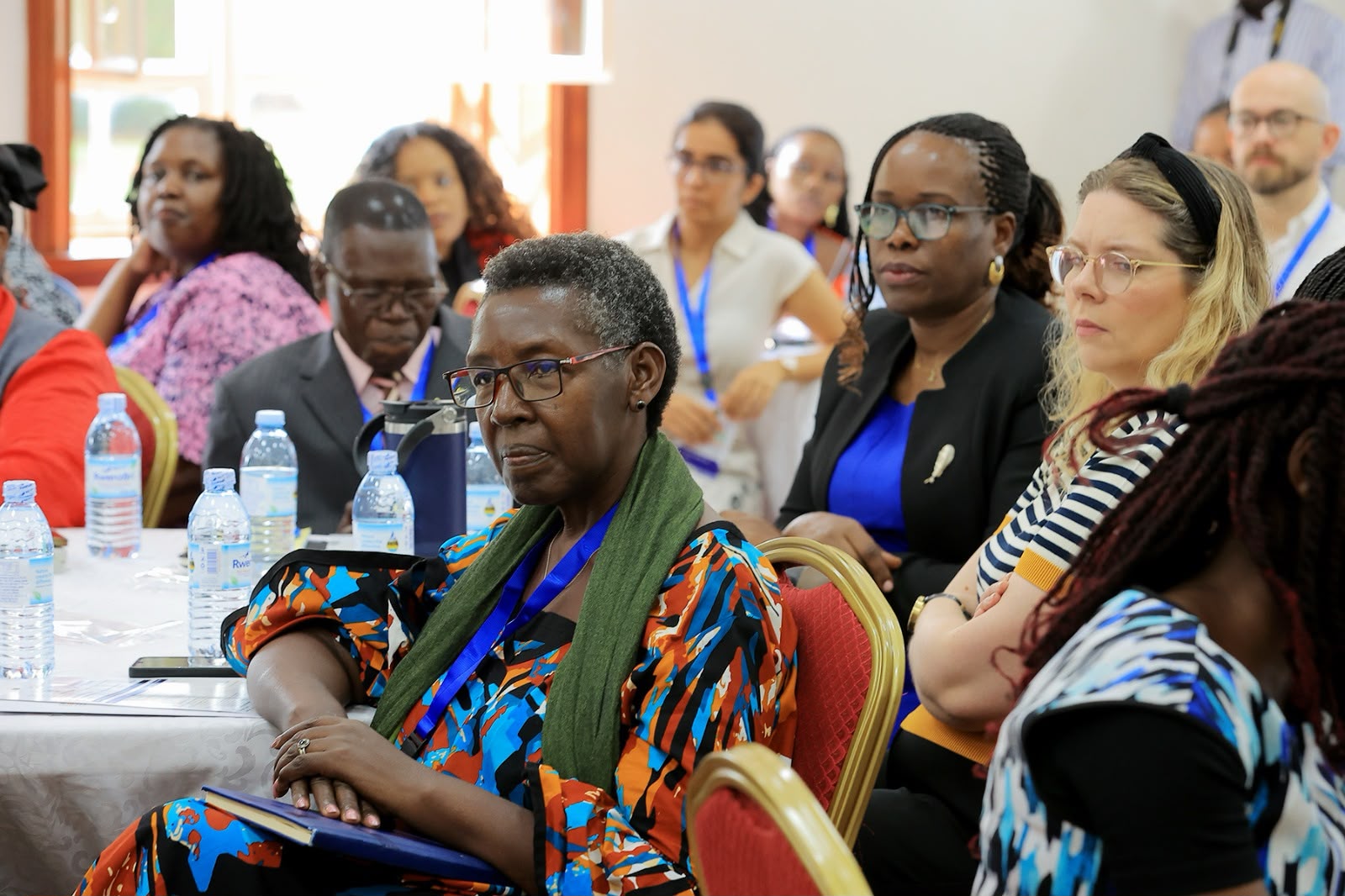
GRÓ GEST's experience suggests that some of its strongest collaborations develop when alumni identify needs and opportunities arising from their own professional contexts and the programme responds by helping them advance those initiatives.
This offers a different starting point from development models in which priorities are first defined externally and potential partners are subsequently invited to implement them.
The conference reinforced the importance of continuing to explore this approach, while recognising that the institutional responsibilities associated with public funding remain an essential part of the relationship.
Rather than offering simple answers, the discussions provided GRÓ GEST with new perspectives on how its own partnerships, funding practices and academic relationships can continue to evolve.
Strengthening research and academic collaboration
The conference marked another important chapter in the longstanding academic partnership between Makerere University and the University of Iceland, which includes student and staff exchanges, joint teaching and research collaboration. The relationship was strengthened by a formal institutional agreement in 2020 and through cooperation under Erasmus+.
Beyond her reflections on intellectual reciprocity, Ssali also announced an important development for international academic cooperation: Makerere University’s Senate has approved a revised credit transfer policy allowing students to have academic credits earned at overseas universities recognised towards their degrees at Makerere. The policy addresses a longstanding obstacle to international student mobility and creates new opportunities to strengthen academic exchanges, including the existing Erasmus+ partnership with the University of Iceland.
Building on the success of the conference, both institutions have expressed interest in strengthening these exchanges and developing further opportunities for academic cooperation.
Plans are also being explored to develop selected alumni presentations into scholarly articles for a possible special issue of the forthcoming Makerere Gender & Development Journal, published by Makerere University’s Institute of Gender and Development Studies. Ssali welcomed the prospect of developing selected contributions into peer-reviewed publications in her opening address.
Such a publication would carry the discussions beyond the conference and provide alumni with opportunities to develop practice-based insights into research that contributes to wider academic and policy debates.
The conference thus represents not an endpoint, but a further step in an ongoing relationship between GRÓ GEST, its alumni and academic partners—one in which knowledge is produced through continued collaboration rather than transferred in a single direction.
"We dare. We have the will. We can. And we do it together!"
Closing the conference, Irma Erlingsdóttir reflected on the significance of coming together in Makerere University's rebuilt Main Building.
She recalled watching footage of the devastating fire that destroyed the historic building in 2020 from her home in Iceland, and described the experience of standing in its restored spaces as deeply moving.
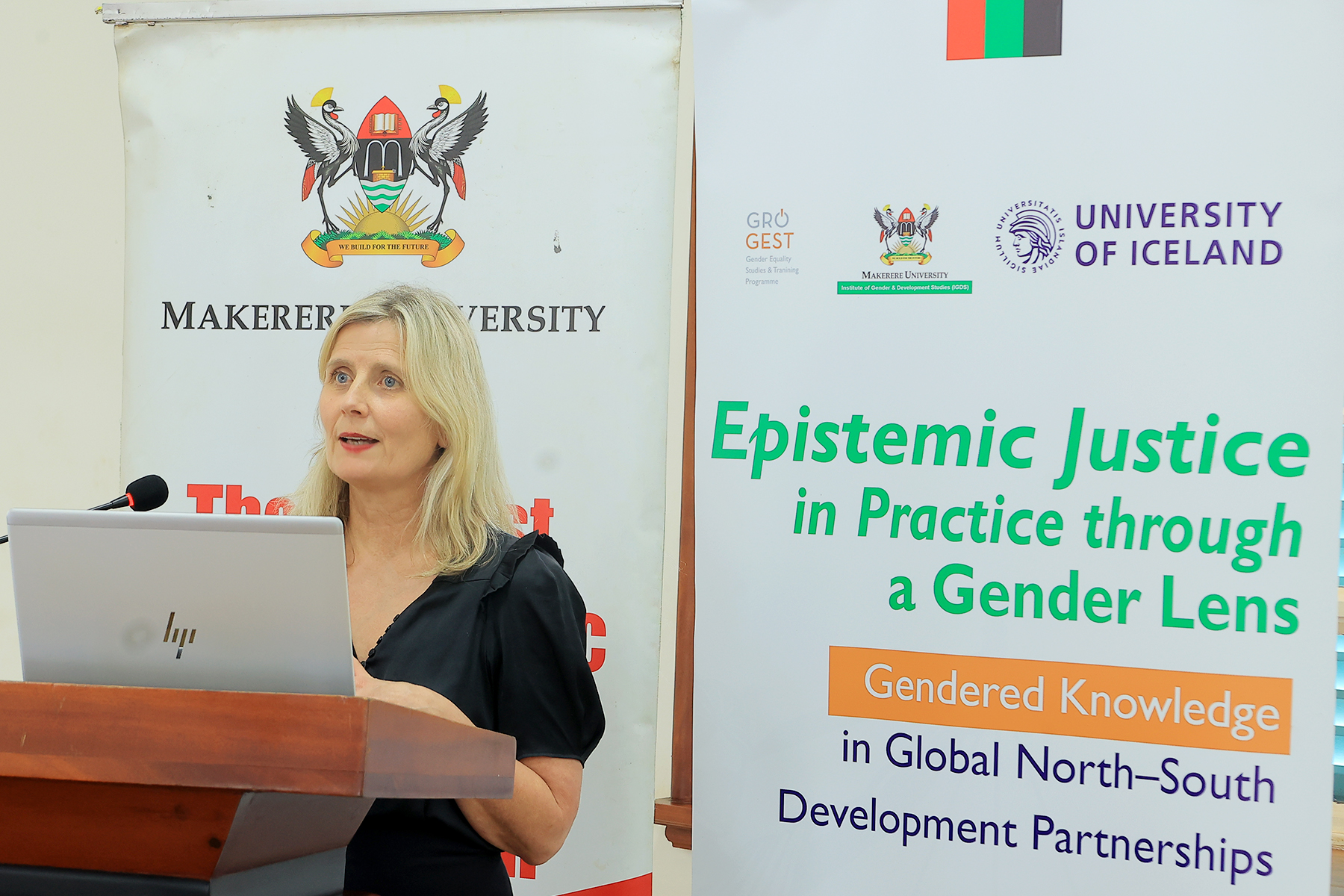
Prof. Irma Erlingsdóttir, Director of GRÓ GEST
For Irma, the building offered a fitting metaphor for the conference itself: the possibility of challenging inherited structures, rebuilding what has been lost and imagining different futures.
She paid particular tribute to the colleagues at Makerere University whose intellectual engagement, hospitality and organisational work made the event possible, especially Professors Josephine Ahikire and Ruth Nsibirano and conference coordinator Esther Namitala.
Above all, she thanked the GRÓ GEST alumni for the intellectual seriousness of their contributions and for the work they continue to undertake in their respective countries.
Reflecting on the central questions that had connected the two days of presentations and discussion, Irma suggested that epistemic justice requires more than acknowledging different forms of knowledge.
"Perhaps this is where epistemic justice in practice begins: not by assuming that we already know, but by learning to listen differently—and allowing what we hear to transform the very ways in which we think, theorise, and work together."
She concluded by recalling a slogan from the Icelandic women's movement that helped transform Icelandic society:
"Við þorum, við viljum, við getum!"
We dare. We have the will. We can.
And, drawing on the spirit of the conference and the partnerships it celebrated, she added one final line:
"And we do it together!"
For GRÓ GEST, that message captures both the significance of the conference and the ambition underlying its work: to support relationships in which knowledge, expertise and responsibility are shared, established assumptions remain open to challenge, and gender equality is advanced through sustained intellectual and practical collaboration.