
Why I Applied for the GRÓ GEST Programme
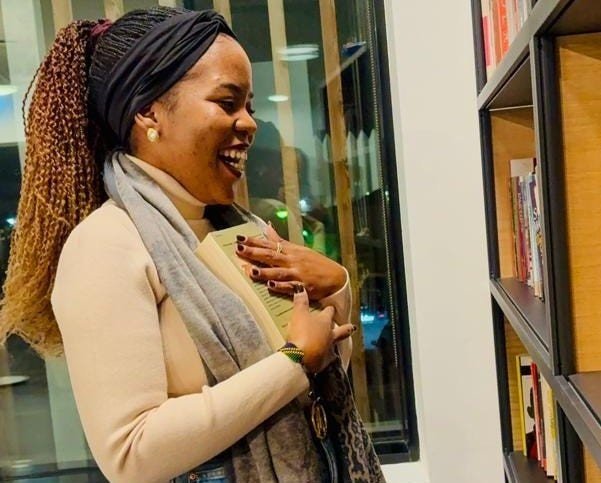
Gloriana Swilla shares her transformative journey from years of on-the-ground work in gender equality within health systems to studying international gender equality in Iceland as a 2026 GRÓ GEST fellow. Writing from the University of Iceland, she reflects on how persistent questions about power and inequality led her here — and how this experience is shaping her vision of advancing gender-responsive health systems. You can follow her ongoing reflections and stories on Substack: https://gloriana714.substack.com/
_________________________________
As I am writing this piece in a silent study room at the University of Iceland, I keep thinking about the day I sent in my application. If you had asked me that day whether I thought I would be in Iceland in the next eight months, my response would have been hysterical. Not because I didn’t believe I could get the opportunity, far from that, but because my mind had not yet grasped the reality of Iceland ‘the gender equality paradise’ as a place I would one day study and reflect from.
For almost seven years now, I have worked in the area of gender equality. I did not receive any formal education on it. No structured training either. It was simply something I resonated with, something that made sense to me, especially within the health system. When I look back to my younger self, I realize I was always the one noticing the small but telling gaps. In classrooms, there were often more men than women. In hospitals, more male doctors and more female nurses. Of course, the situation today looks different in many ways, but the point is that I noticed these inequities early on. At some point, I gathered the courage to question them.
Truth be told, I encountered the GRÓ GEST program while I was searching for funding for a project aimed at addressing gender disparities in antimicrobial resistance. At the time, this was a newly designed project and even the idea of linking gender and AMR was unfamiliar to many of us. When I first saw the call for nominations, it felt like something quietly whispered in my ear, “this is it, Gloria!” Still, I ignored it and continued searching for other opportunities. Yet, the announcement kept returning to me, again and again. It lingered in the back of my mind. I couldn’t sleep. Eventually, I reached out to a colleague at work and their reassurance gave me the courage to take the first step and apply. Later came the interview. Then the admission. And suddenly, what once felt impossible became real.
Why am I sharing this?

Because even though I was searching for something entirely different, this journey ended up opening doors I never knew I needed. Today, I am learning about international gender equality studies not simply as an academic requirement, but because I hold a vision of becoming a gender and health expert. I want to bring my lived experiences into the space of critical thinking, to question the systems we have in place.
Do they narrow gender gaps or do they quietly widen them? Are our health programs truly gender sensitive and responsive or do they unintentionally reproduce the very inequalities they aim to address?
On a personal level, I believe my time in Iceland is also a moment of healing. There are so many barriers and challenges we face as women. From a young age, we are taught how to act, how to think, how to speak. And while I want to say that I am an empowered woman, I often question what empowerment really means. How can one be empowered while still being embedded in systems that constantly work against them at work, hospitals, in relationships, within families and in society at large?
“Sometimes I don’t think I am empowered. I think I have been lucky.”
Lucky to have gone through the education system that I did. Lucky to have a strong support system that helps me navigate these challenges. Many women do not have this. I hope my time in Iceland allows me the space to reflect, to learn, unlearn and to heal, so that when I return to my community, I can be a voice for both women and men who are unable to speak for themselves.
As Mahatma Gandhi once said, “Be the change you wish to see in the world.” I hope to be that person not just in words, but in action, working toward systemic change that closes, rather than widens, gender gaps in our communities.