
An update on alumna Norah Lumnyi Ngwa's & RuWCED's project implementation.
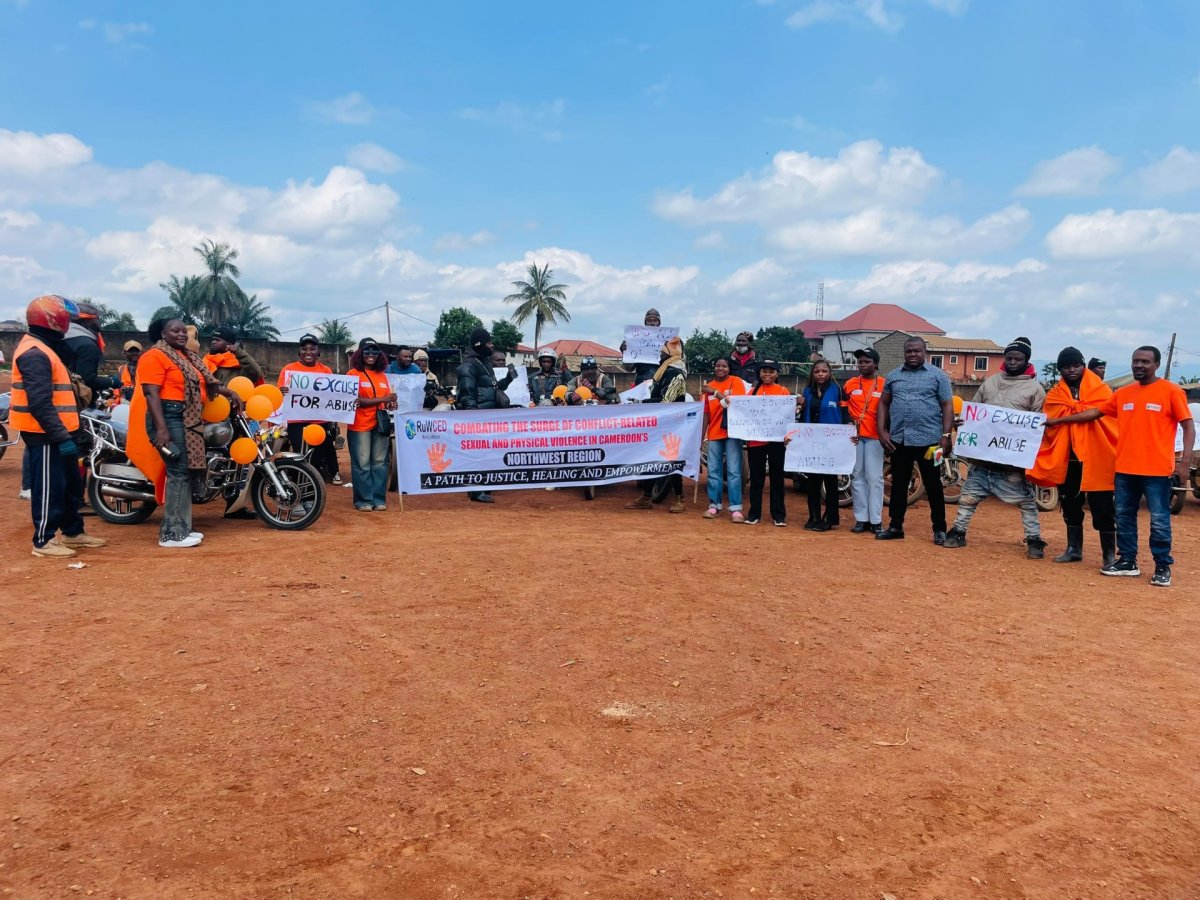
A few weeks ago we shared a story on how alumna Norah Lumnyi Ngwa began implementing the project she developed during her studies in Iceland only weeks after returning back to Cameroon where she is the Community Engagement Officer and Theatre of the Oppressed Officer at the Rural Women Center for Education and Development, RuWCED Cameroon. Now we are delighted to share an update on Norah´s continued implementation of her final project.
RuWCED Conducts Gender Based Violence Awareness Caravan with 50 Bike Riders in Conflict-Affected Northwest Cameroon
As part of Ngwa Norah’s Final Assignment for the GRO GEST Programme in collaboration with her implementing organization the Rural Women Center for Education and Development (RuWCED-Cameroon) conducted a bike rider’s awareness caravan on the 26th of August 2026 to raise public awareness and mobilize communities against Gender-Based Violence, which has been worsened by the ongoing Anglophone Crisis in Cameroon.
The caravan took place at a particularly critical time, following reports of a recent surge in violence against women and girls across Cameroon. Reports by Cameroon Tribune and the online news platform CamerounWeb highlighted eight women reportedly killed within eight days, with several of the killings allegedly occurring within intimate relationships. CamerounWeb further reported that nearly 40 women had been killed in Cameroon since the beginning of 2026, while Cameroon Tribune described the recent wave of killings as a national emergency and highlighted growing calls for urgent action against Gender Based Violence.
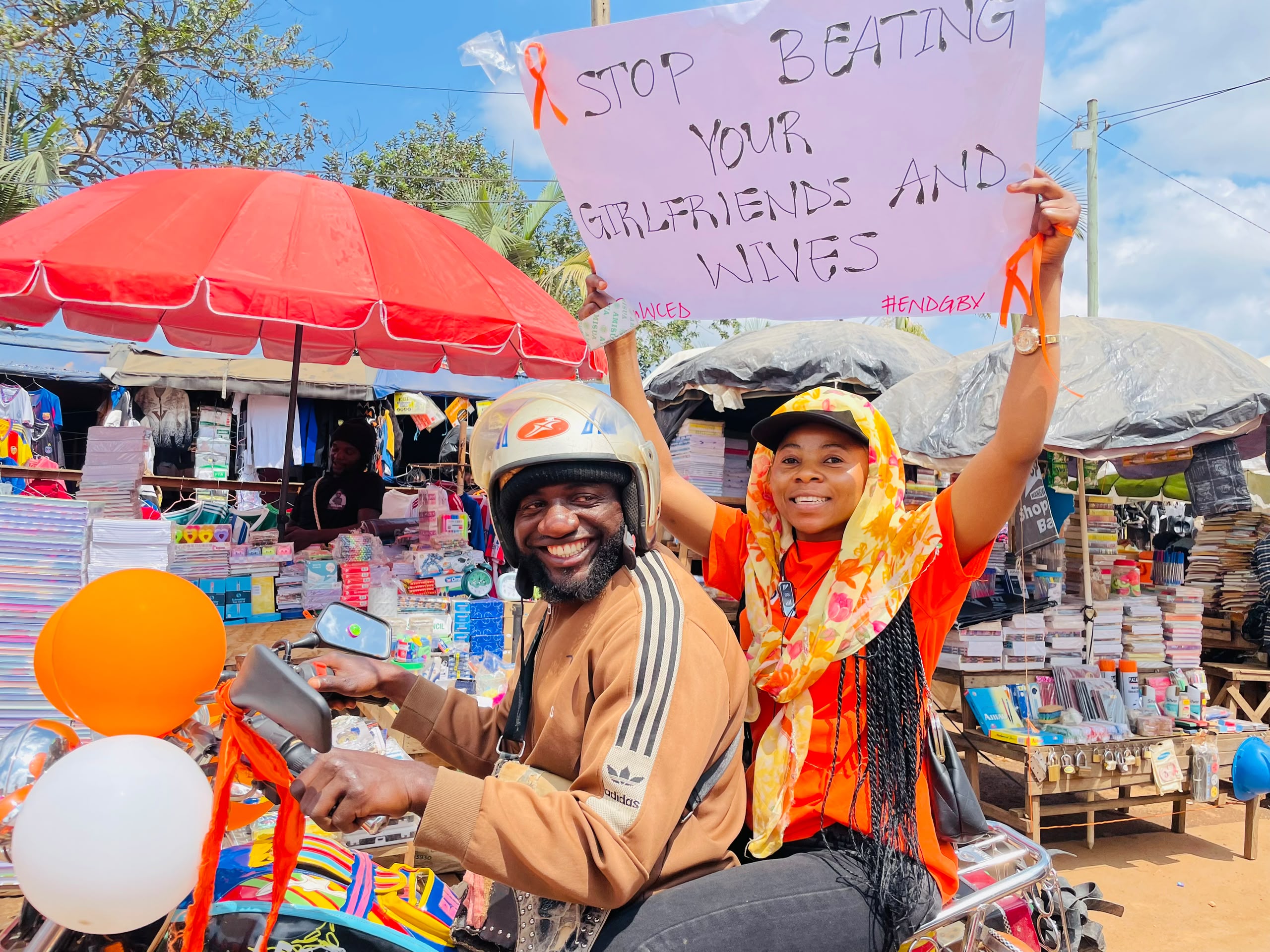
Execution of the bike-rider's awareness caravan
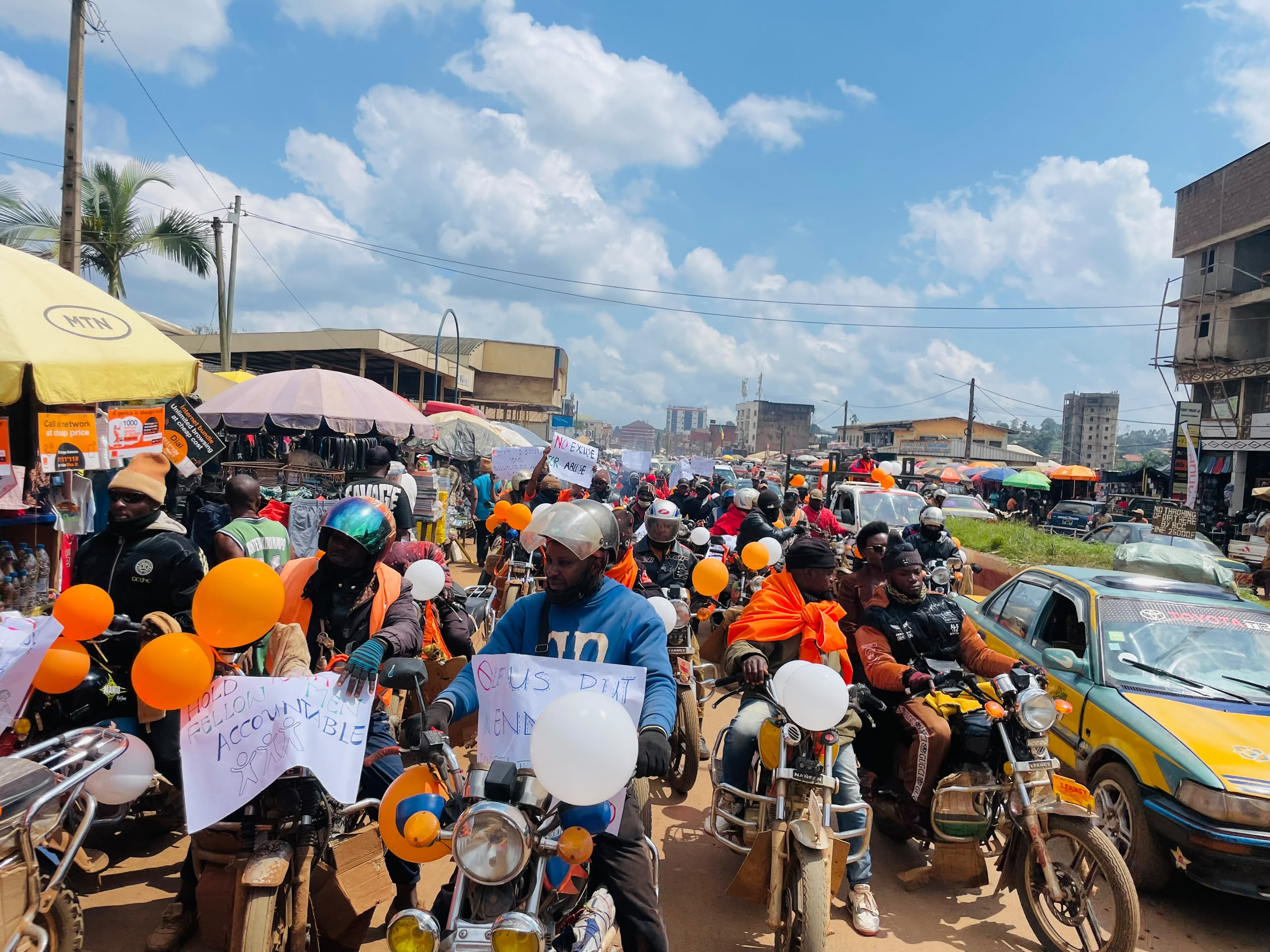
The awareness caravan brought together 50 motorcycle riders, alongside RuWCED staff and other participants. It began at Veterinary Junction, a popular roundabout in Bamenda City, where the riders received a brief sensitization session on Gender Based Violence prevention, the importance of speaking out against violence, and their role in promoting safer communities.
Following the sensitization, the riders were dressed in white and orange, the colours adopted for the campaign, while their motorcycles were decorated with orange fabric, orange and white balloons, and cardboard messages carrying Gender Based Violence prevention slogans. The procession moved from Veterinary Junction through SONAC Street and Commercial Avenue, one of Bamenda's main commercial areas, before ending at T-Junction, another major junction in the city.
The caravan generated significant public interest. The highly visible procession attracted the attention of residents, traders, pedestrians, and other road users, many of whom paused to observe the activity and read the Gender Based Violence prevention messages displayed on the motorcycles and carried by RuWCED staff.
Beyond the visual awareness created by the caravan, the motorcycle riders actively participated in the sensitization effort. Throughout the procession, they engaged fellow riders and community members they encountered along the route, encouraging them to reject all forms of Gender Based Violence and promote respect for women and girls. Meanwhile, Ngwa Norah and Samuel Leboh used a loudspeaker to share additional messages on Gender Based Violence prevention, reporting, and the collective responsibility to end violence against women and girls.
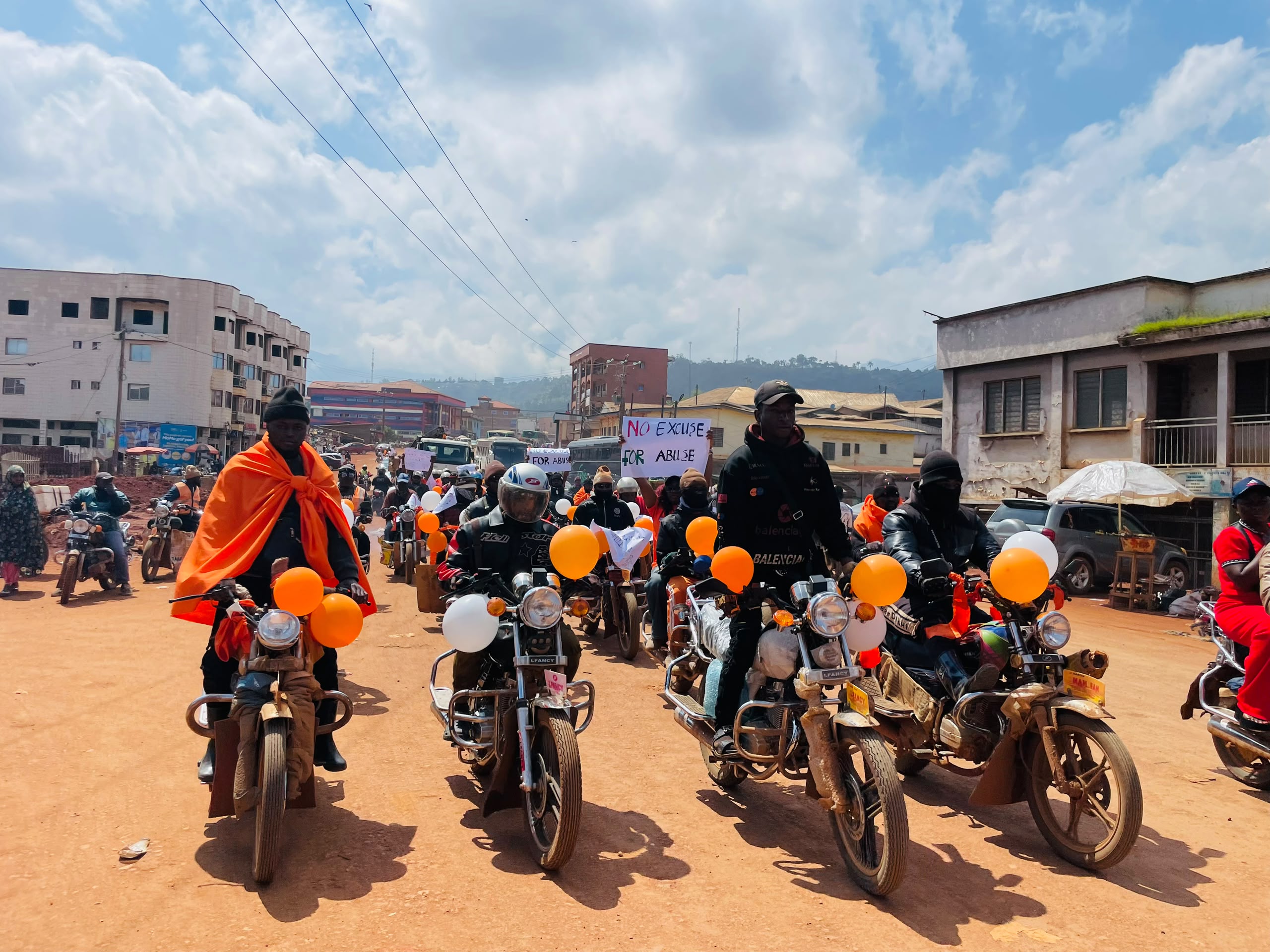
Creating impact beyond the event itself
The impact of the activity extended beyond the scheduled procession. At the end of the caravan, several motorcycle riders chose to keep the Gender Based Violence campaign decorations on their motorcycles rather than remove them. They explained that they intended to continue displaying the messages throughout the day to raise awareness among other riders and members of the public.
Several participants also took photographs and videos of the activity and expressed their intention to share them on their social media platforms, extending the campaign's reach beyond the physical caravan. Their willingness to continue the sensitization demonstrated a growing sense of ownership of the campaign and reinforced the importance of engaging men and community influencers as allies in preventing Gender Based Violence.
The caravan therefore served not only as a public awareness activity but also as a platform for community mobilization, male engagement, and collective action against Gender Based Violence. By partnering with motorcycle riders who are highly visible and influential actors within Bamenda's urban communities, RuWCED created an innovative channel for taking Gender Based Violence prevention messages directly into public spaces and encouraging community members to become active advocates for safer and more inclusive communities.
Norah's and RuWCED's project is planned to run until June 2027 and GRÓ GEST looks forward to follow and share how they turn a carefully developed project into locally led action for justice, healing and empowerment.