
Masculinities Against Rigid Definitions (MARD)
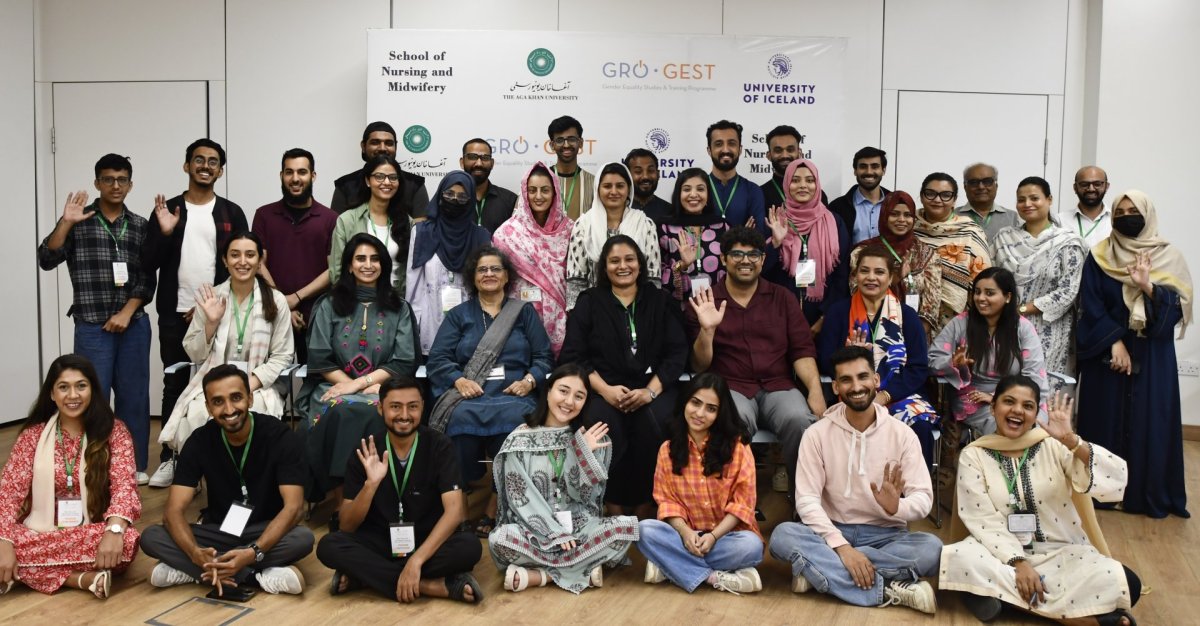
On 13 February 2026, the GRÓ Gender Equality Studies and Training (GRÓ GEST) Programme at the University of Iceland, in collaboration with the Aga Khan University School of Nursing and Midwifery (AKU-SONAM), Pakistan has successfully completed the blended learning training program on Men, Boys and Masculinities themed as Masculinities Against Rigid Definitions (MARD) in Karachi, Pakistan. The programme brought together 50 selected participants from across the country for an intensive capacity-building and leadership learning experience combining online learning with in-person engagement.
The training forms part of GRÓ GEST’s growing global blended learning initiative, which supports alumni in adapting and delivering GRÓ GEST educational programmes within their own countries. In 2026, alumni-led blended learning initiatives are being implemented in Pakistan, Uganda, Malawi, and Nepal, extending the reach and impact of GRÓ GEST’s academic resources through locally embedded leadership.
A Highly Competitive Selection Process
The 2026 MARD training attracted strong interest, with 222 applicants in two rounds of applications competing for 50 available places. Participants were selected based on their demonstrated commitment to advancing gender equality and their potential to apply course concepts within their professional and community contexts.
The final cohort reflected a diverse cross-section of Pakistani society, including professionals and emerging leaders from school education, higher education, variety of healthcare groups, social sciences, humanities and arts, gender studies, community organisations, youth led initiatives, and the corporate sector. This diversity created a rich learning environment in which participants brought varied perspectives, experiences, and practical insights into dialogue with one another.
Combining Global Knowledge with Local Engagement
The programme began with a four-week online learning phase in January 2026, based on GRÓ GEST’s Massive Open Online Course Men, Boys and Masculinities, hosted on the edX platform. The online component provided participants with a rigorous conceptual foundation, exploring how masculinity is socially constructed and shaped by institutions such as education, media, politics, and culture. Continuous support to these participants was provided through email prompts and WhatsApp chat as discussion platforms to process their engagement in the program.
Following the online phase, participants gathered at the Aga Khan University School of Nursing and Midwifery in Karachi, Pakistan campus from 9 to 13 February 2026 for an intensive five-day in-person training, dialogue and participatory exercises. The in-person component translated theoretical insights into applied reflection, discourse, and leadership development through participat led activities, large group and team based tasks, and media personals and professional expert-led discussions.
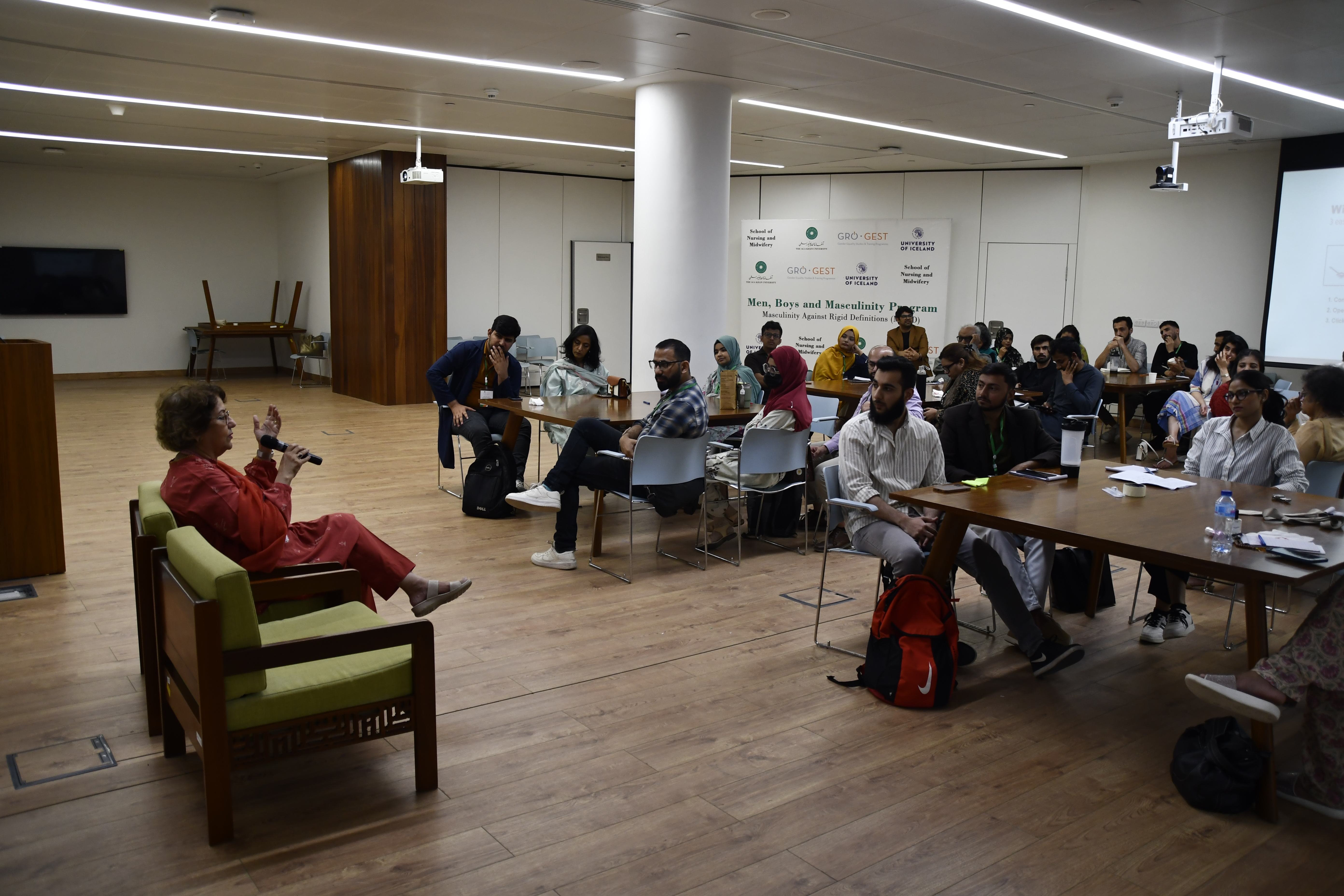
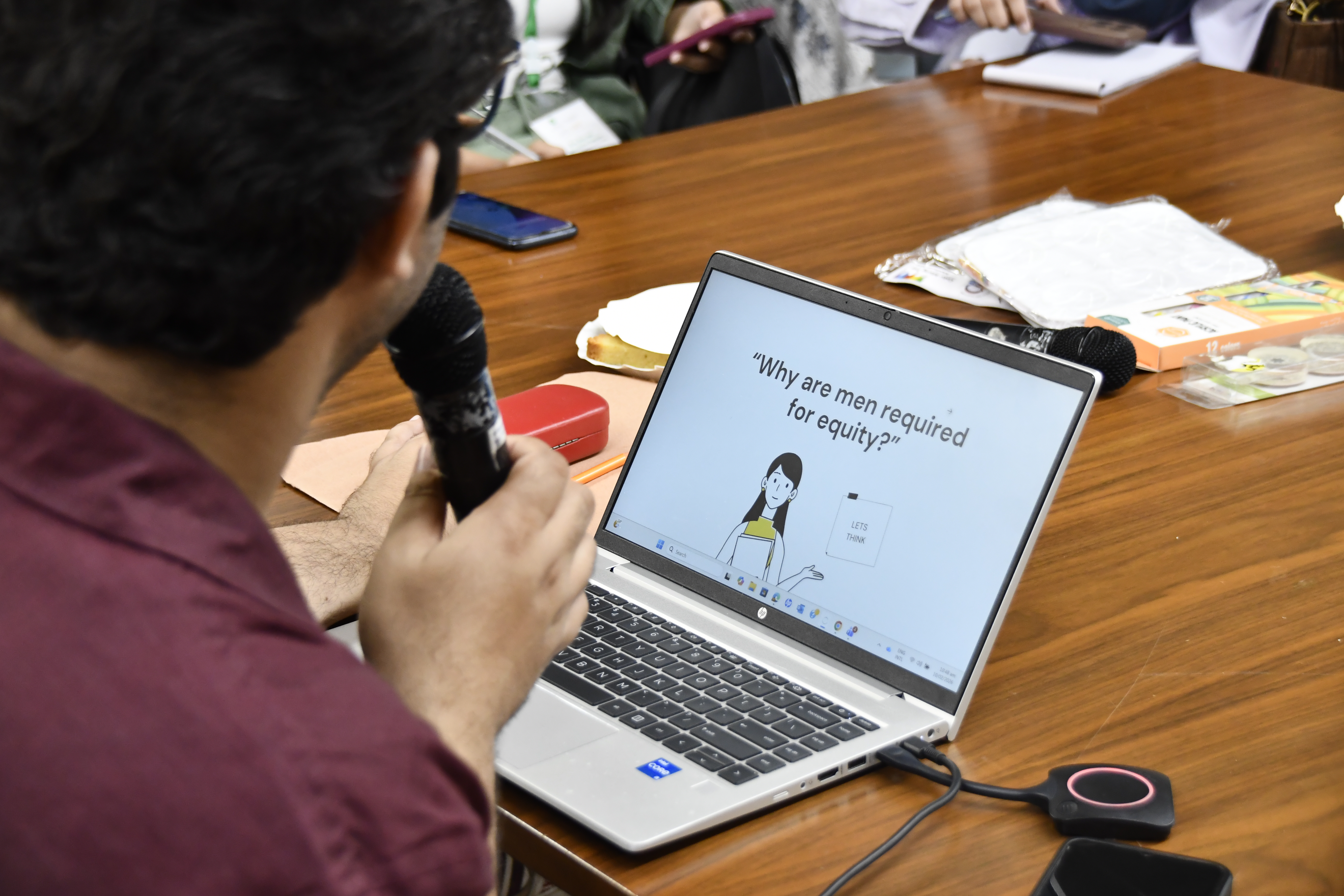
Participants explored themes including the gender dynamics, intersectional realities of men’s lives, the relationship between masculinities and mental health, the influence of media and cultural norms,and the role of men in promoting equitable and inclusive societies. Through structured reflection and collaborative learning, participants were encouraged to critically examine diversity of gender norms and men’s role in co-leading the positive change within their own professional and community settings with everyone else.
Alumni Leadership Driving Local Impact
The MARD programme was designed and led by GRÓ GEST alum Sarmad M.Soomar, Senior Instructor at the Aga Khan University School of Nursing and Midwifery. A graduate of the GRÓ GEST Programme in 2024, Sarmad has played a central role in adapting GRÓ GEST’s educational resources to the Pakistani context and fostering locally grounded dialogue on masculinityand gender equality.
His leadership exemplifies a core objective of GRÓ GEST’s blended learning strategy: empowering alumni to serve as locally embedded change agents who extend the programme’s impact far beyond Iceland. By building on alumni expertise and institutional partnerships, GRÓ GEST’s blended learning model enables sustained capacity development rooted in local realities while remaining connected to global academic frameworks.
Graduation and Recognition
The programme concluded on 13 February 2026 with a graduation ceremony at Aga Khan University. All 50 participants successfully completed both the online and in-person components and were awarded certificates jointly issued by GRÓ GEST and Aga Khan University.
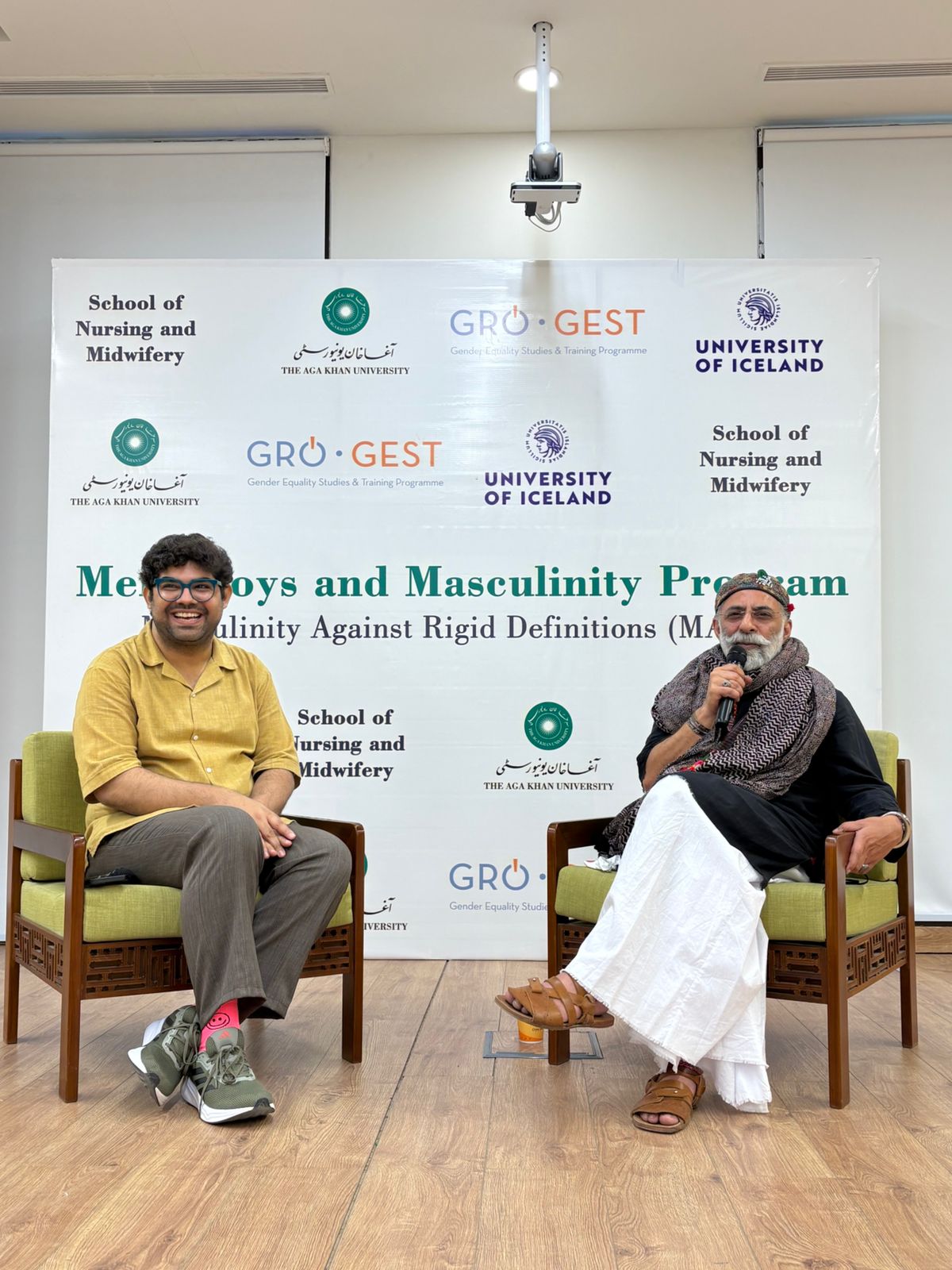
The leadership of School of Nursing and Midwifery, AKU was part of the graduation ceremony and attended other components of the program as well. These included Dean Salimah Walani and Associate Deans Dr Laila Ladak, Dr Rubina Barolia and Dr Saleema Gulzar. A video recorded message by Senior Programme Manager of GRÓ GEST Dr Thomas Smidt was also played during the ceremony.
The graduation marked not only the completion of an intensive learning journey, but also the beginning of continued engagement, as participants return to their institutions and communities equipped with new analytical tools, language, and leadership capacities to address gender inequalities and promote healthier, more inclusive understandings of masculinities.
Expanding a Global Community of Practice
The MARD training in Karachi represents a significant milestone in the expansion of GRÓ GEST’s blended learning initiatives, as a contextual national level integration of MOOCs into capacity building programs. By combining online academic content with locally delivered in-person training, the model bridges global knowledge and local expertise, ensuring that gender equality education is both internationally grounded and contextually relevant.
As alumni-led programmes continue to expand across multiple regions, GRÓ GEST is strengthening a growing international community of practitioners, educators, and advocates working to advance gender equality and social justice in their own societies.
GRÓ GEST extends its sincere congratulations to all participants and its deep appreciation to Aga Khan University School of Nursing and Midwifery, Pakistan and programme lead Sarmad M. Soomar for their leadership and partnership in making this important initiative possible.