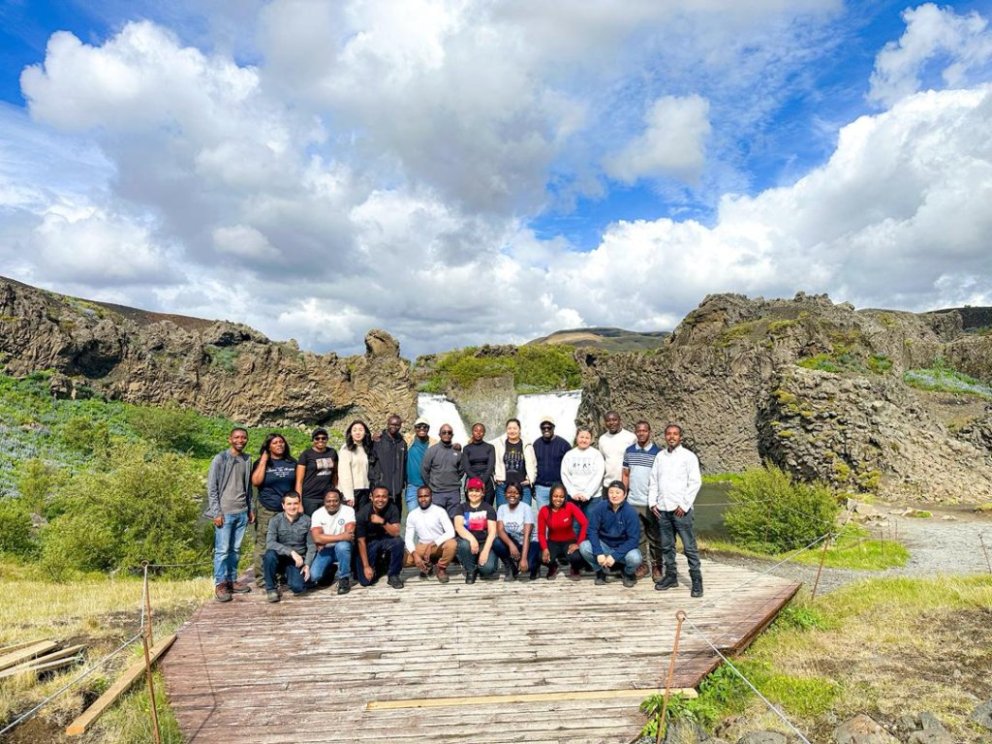
GRÓ LRT Fellows Visit Hekluskógar Restoration Area
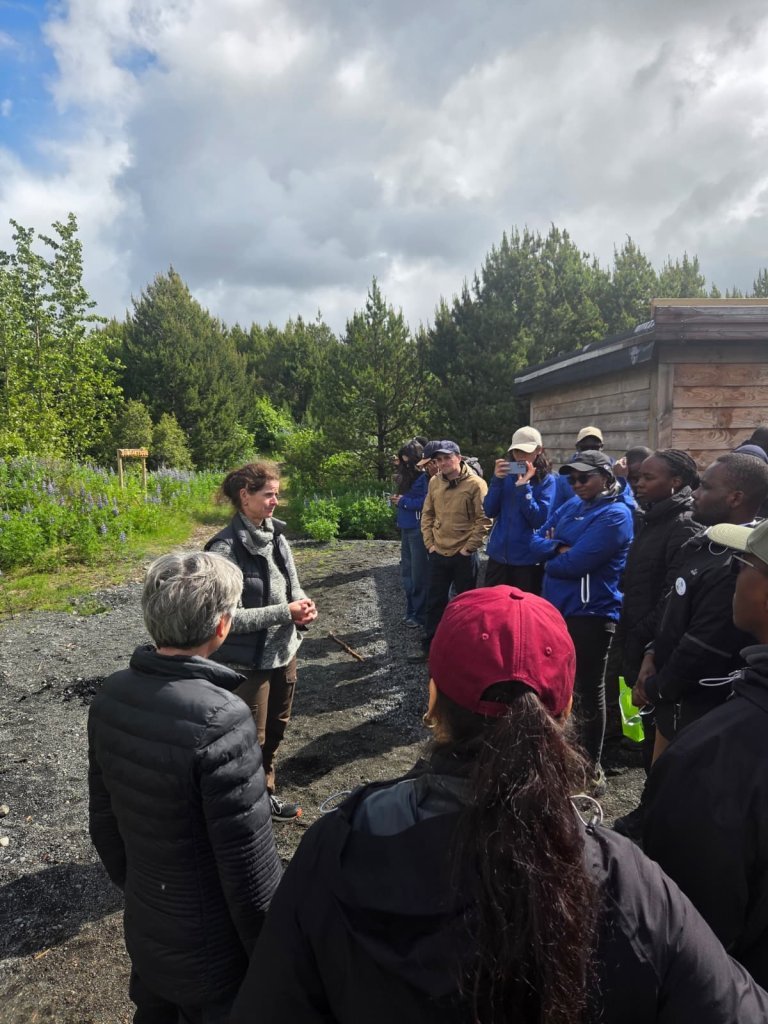
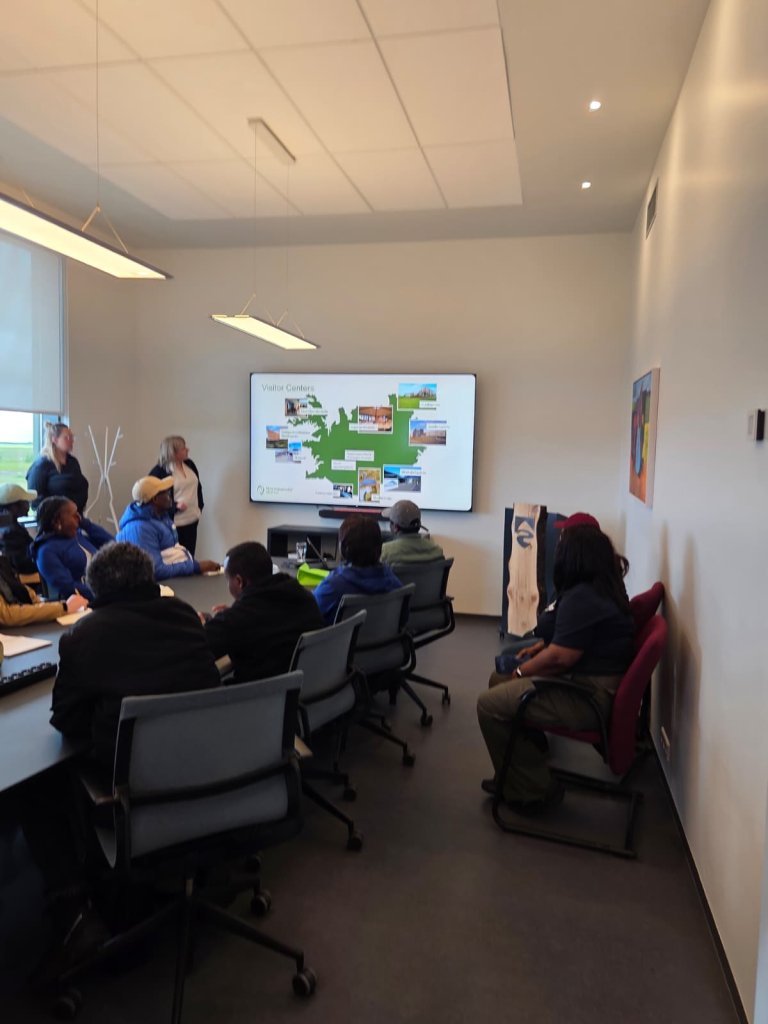
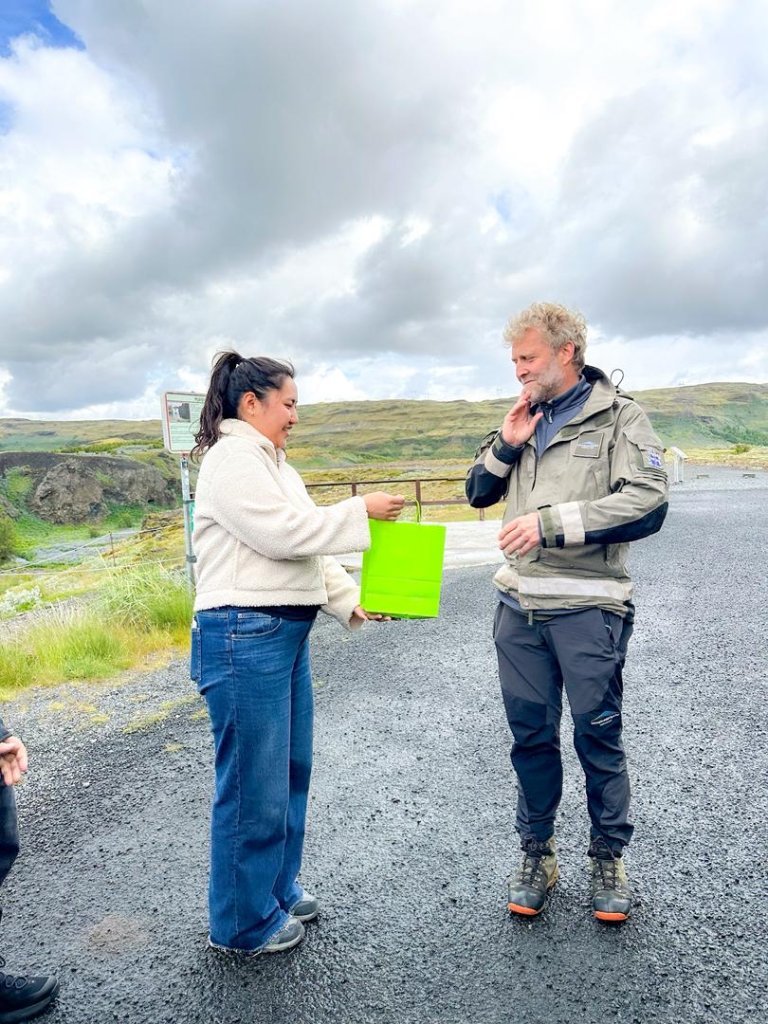
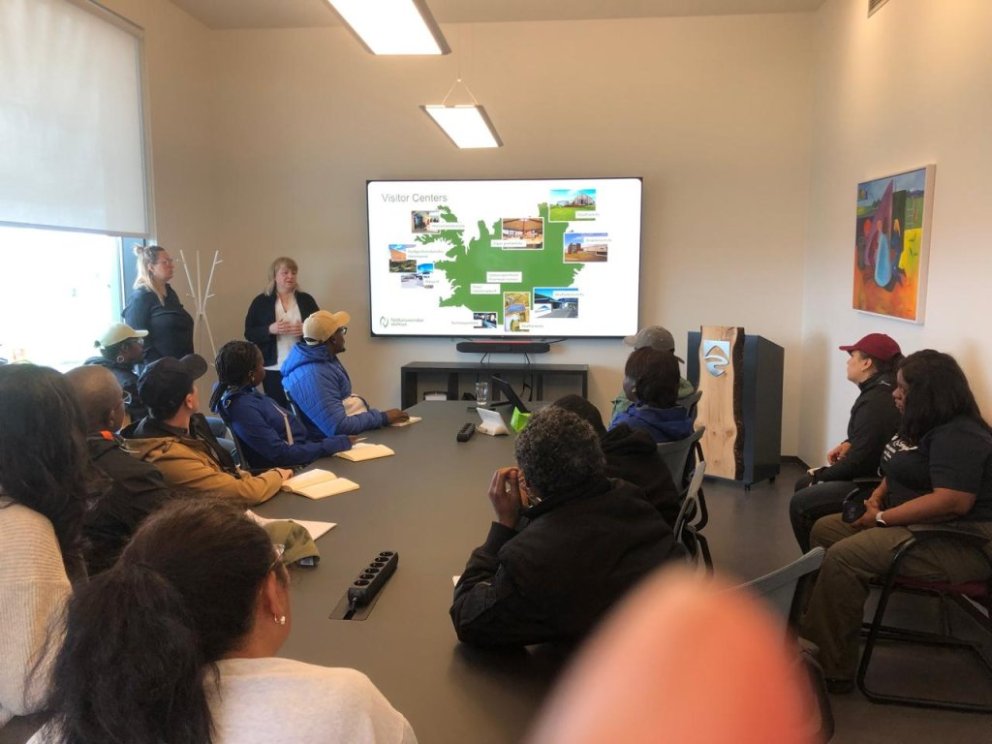
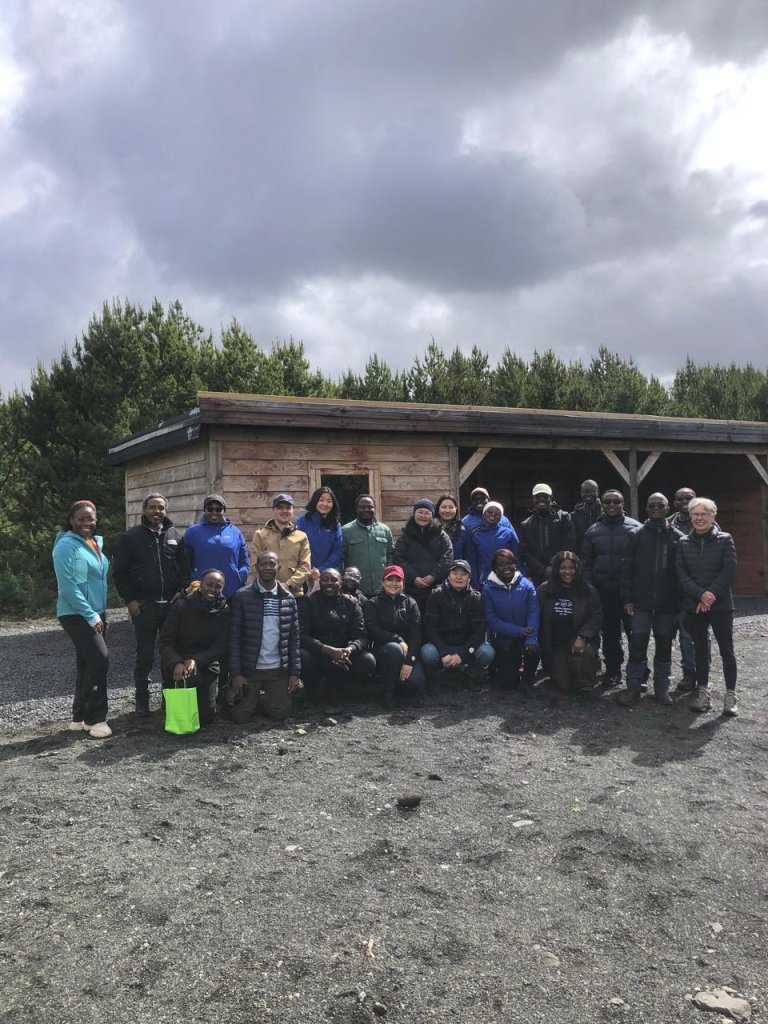
GRÓ LRT fellows recently visited the Nature Conservation Agency in Hvolsvöllur, where they were welcomed by the Director of the Agency before continuing into the Hekluskógar restoration area.
Hekluskógar is a large-scale restoration project in South Iceland, covering around 100,000 hectares near Mt. Hekla. The area has been heavily degraded over centuries due to unsustainable land use, cold climatic periods and volcanic eruptions, resulting in extensive loss of woodlands, vegetation and soil. The project aims to restore native woodland ecosystems, strengthen ecosystem resilience and reduce the potential impact of future volcanic ash fall.
During the visit, fellows learned about the degradation history of the area, ecosystem collapse, wet desert conditions and the effects of wind and water erosion. They were also introduced to research on plant responses to volcanic tephra deposits and the restoration strategies used in the Hekluskógar project.
A key part of the visit focused on practical restoration methods, including the creation of birch woodland “islands” that can support natural regeneration over time. Fellows visited several sites within the project area and saw examples of how native vegetation is being re-established in challenging conditions.
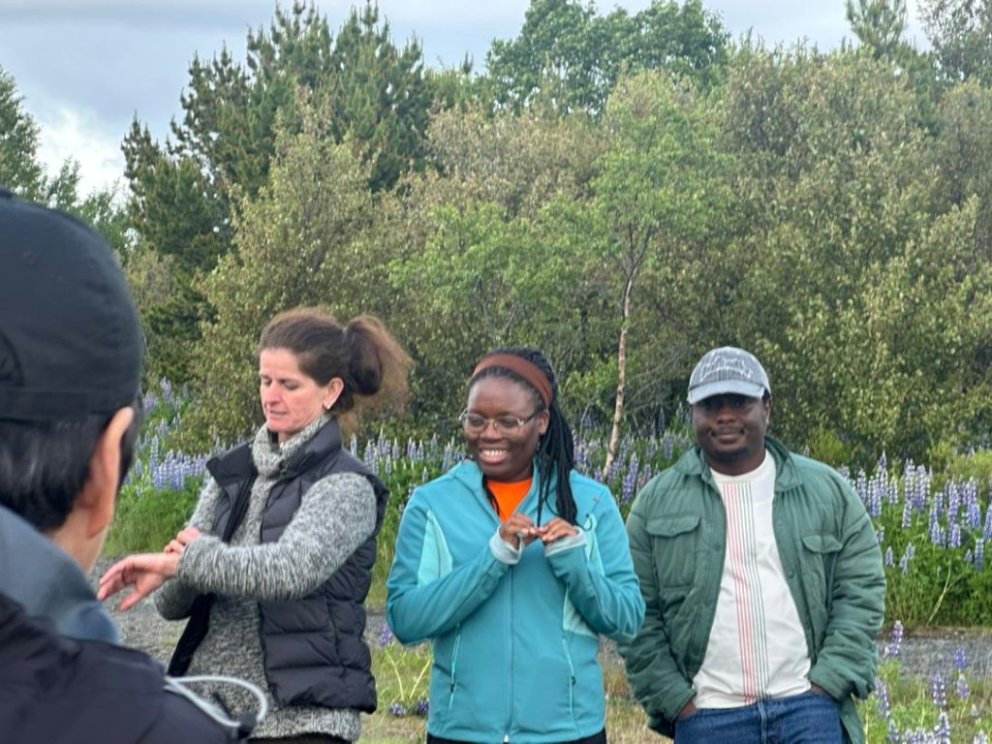
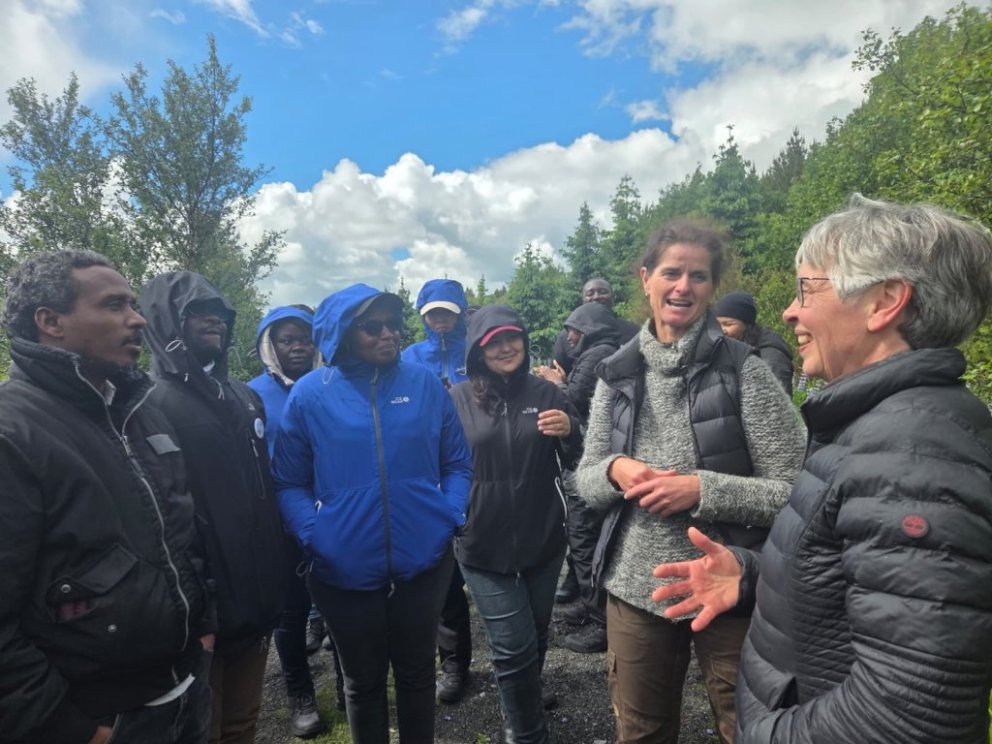
The programme also included a visit to the Bolholt forest area of the Forestry Society in Rangárvallasýsla, where the group met Sigríður Heiðmundsdóttir, chair of the Forestry Society and a local farmer. She shared her perspectives on the changes that have taken place in the area and the benefits that restoration efforts have brought to both the land and local communities.
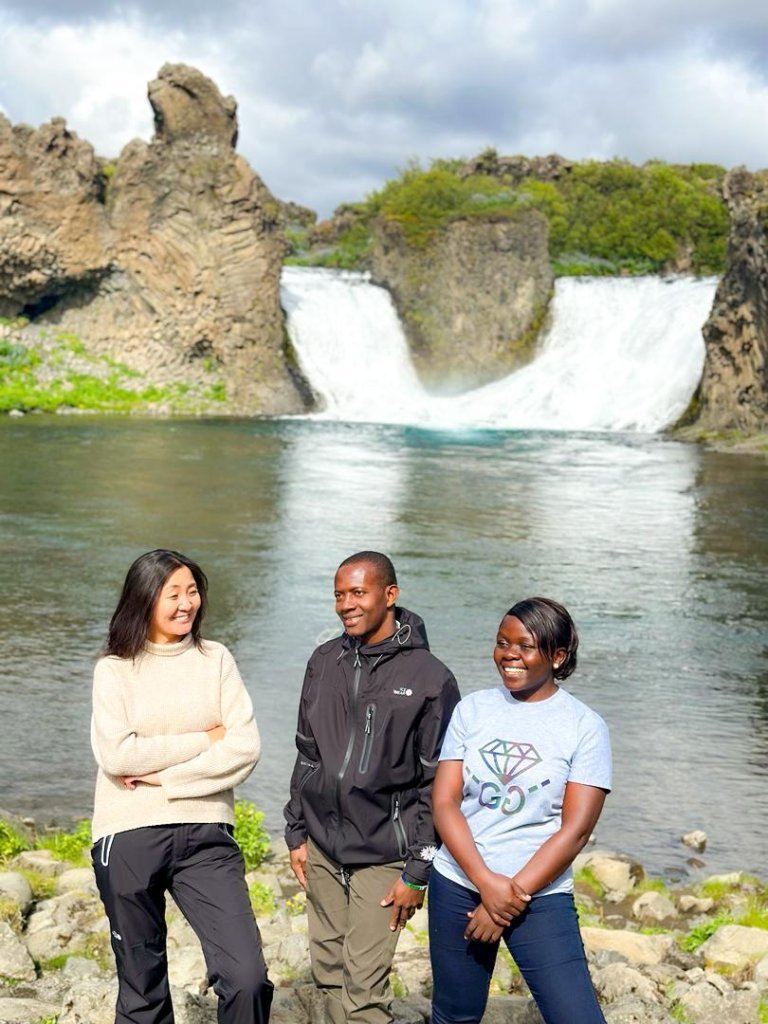
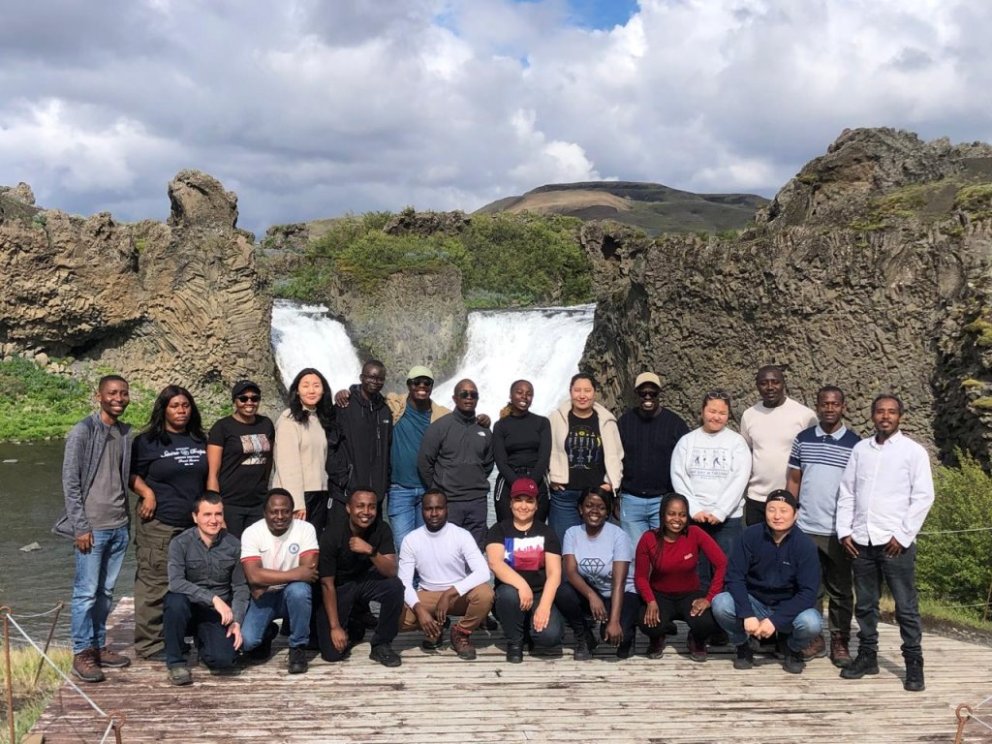
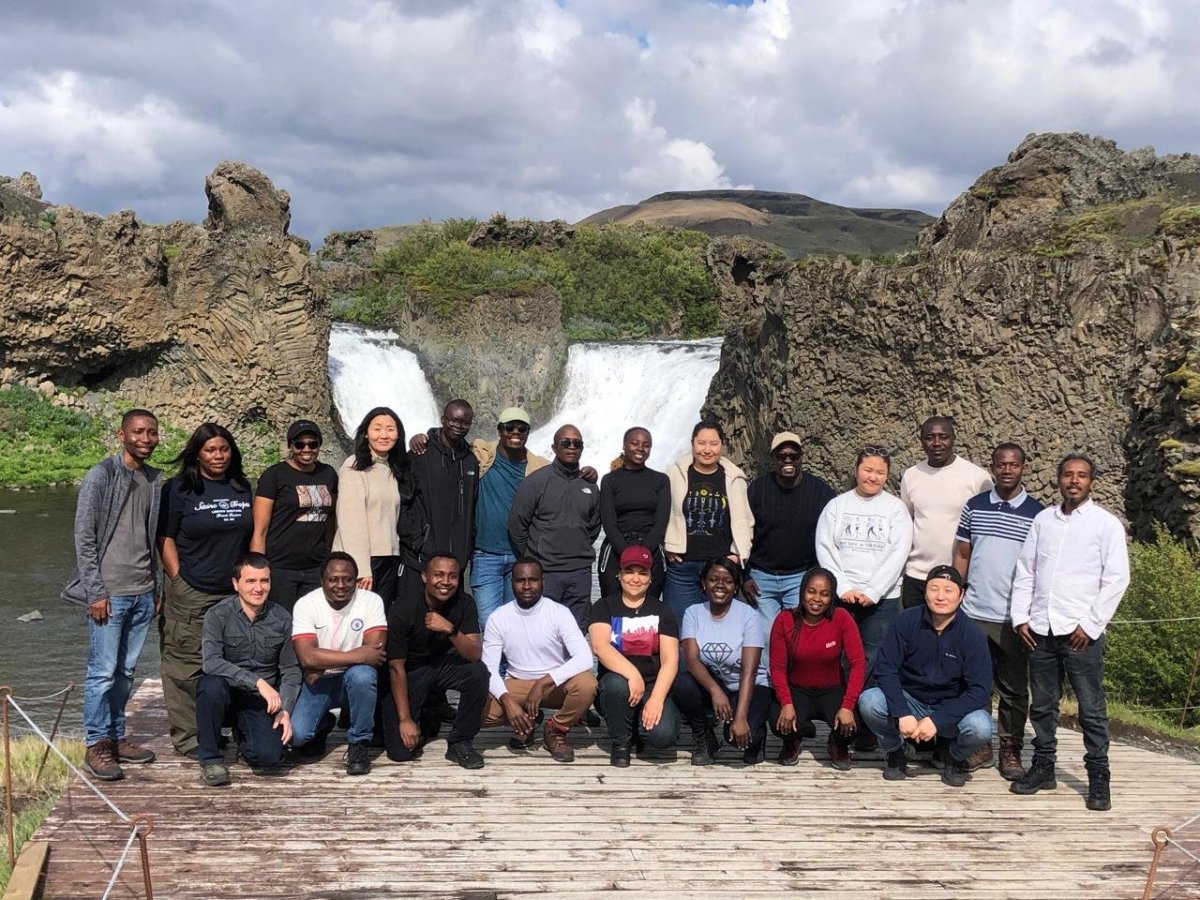
The fellows also visited Rjúpnavellir, a birch woodland restoration site developed by the landowner, Björn, who has built up the site from scratch since 1997. Additional stops included Fossabrekkur and Hjálparfoss.
The visit gave fellows valuable insight into long-term restoration work in Iceland and showed how ecological knowledge, practical methods, stakeholder cooperation and local experience all contribute to the recovery of degraded landscapes.