Enhancing knowledge in fisheries delivers development impact
It is no coincidence that the protection and sustainable use of marine and freshwater resources is among the key priorities in Iceland’s development cooperation. We often forget that we were defined as a developing country ourselves and received such aid until the year 1976, exactly 50 years ago. Gaining control over the oceans surrounding the country and ensuring the sustainable use of fishery resources was a prerequisite for the progress and prosperity that we now enjoy in Iceland.
The power of sharing knowledge
Ever since Iceland took its first steps as a donor in development cooperation, we have emphasized the sharing of knowledge in areas where Iceland has expertise, not least in areas that laid the foundation for Iceland’s prosperity and the standard of living that we now enjoy.
GRÓ—Centre for Capacity Development, Sustainability and Societal Change, operating under the auspices of UNESCO, runs four training programmes in the fields of geothermal energy, fisheries, land restoration and gender equality. The training programmes are hosted at Icelandic specialist institutions, where work is done to enhance knowledge and support institutions in developing countries in the relevant fields.
Every year, experts working for key institutions in developing countries are invited to 5–6-month long training in Iceland to enhance their knowledge. From the outset over 1900 experts have come here to participate in the training. Of these, 117 have completed a master’s degree and 28 a doctorate from Icelandic universities with scholarships provided through Icelandic development cooperation.
Investing in people pays off
By enhancing the knowledge, skills, and leadership abilities of professionals working in key positions in their home countries, conditions are created to strengthen institutions, improve governance, and lay a solid foundation for long-term impacts on institutions and society. This is especially true in the field of fisheries, where good management and responsible use can be crucial for the livelihoods of entire communities and ensure food security for the future.
What is the development impact of the GRÓ training programmes? This question is being raised at four open events that will be held this winter for each of the four GRÓ training programmes. Following the first event on the GRÓ Geothermal Training Programme in November, the spotlight will now be directed to the Fisheries Training Programme. The programme was established in 1997 and has graduated more than 500 specialists from 68 countries around the world. At the event, which will take place on February 4th in Akureyri, the fellows themselves will talk about how they have been using the knowledge they gained at the training programme to promote sustainable fisheries in their home countries.
Far reaching effects
To give an example of the impact, the GRÓ Fisheries Training Programme, operated by the Marine & Freshwater Research Institute, has from the beginning worked with the three countries that share the use of Lake Victoria, Africa’s largest inland fishing lake, with a total of annual catch of nearly one million tons. It is not far from Iceland’s total annual catch. Fisheries management of the lake has been a challenge, but by working with the institutions around the lake that play a key role in managing the resource, sustainable use of the lake’s resources is promoted.
The impact is broader. Graduates of the training programmes who have received doctoral scholarships are, in some cases, in leading roles within the academic community in their countries. Departments in fisheries science at universities in Liberia, Uganda, and China are, for example, managed by former doctoral fellows of the GRÓ Fisheries Training Programme. They are in a key position to pass on their knowledge in their home countries.
Stories of impact
The examples of impact supported by the programme are numerous, undoubtedly as many as the fellows themselves, but at the event about the GRÓ Fisheries Training Program there will be a unique opportunity to hear directly from the participants about how the training in Iceland has helped them tackle challenges and seize opportunities back home.
Numerous experts and professionals have supported the work of the training programmes over the years, including Icelandic fish processing companies that have year after year opened their doors to fellows of the GRÓ Fisheries Training Programme, filled with ambition and a thirst for knowledge, thus giving them valuable insights into the Icelandic fishing industry.
I want to encourage all those interested in international affairs, development cooperation, sustainability, and fisheries to attend or follow the event online. I look forward to meeting you in Akureyri.
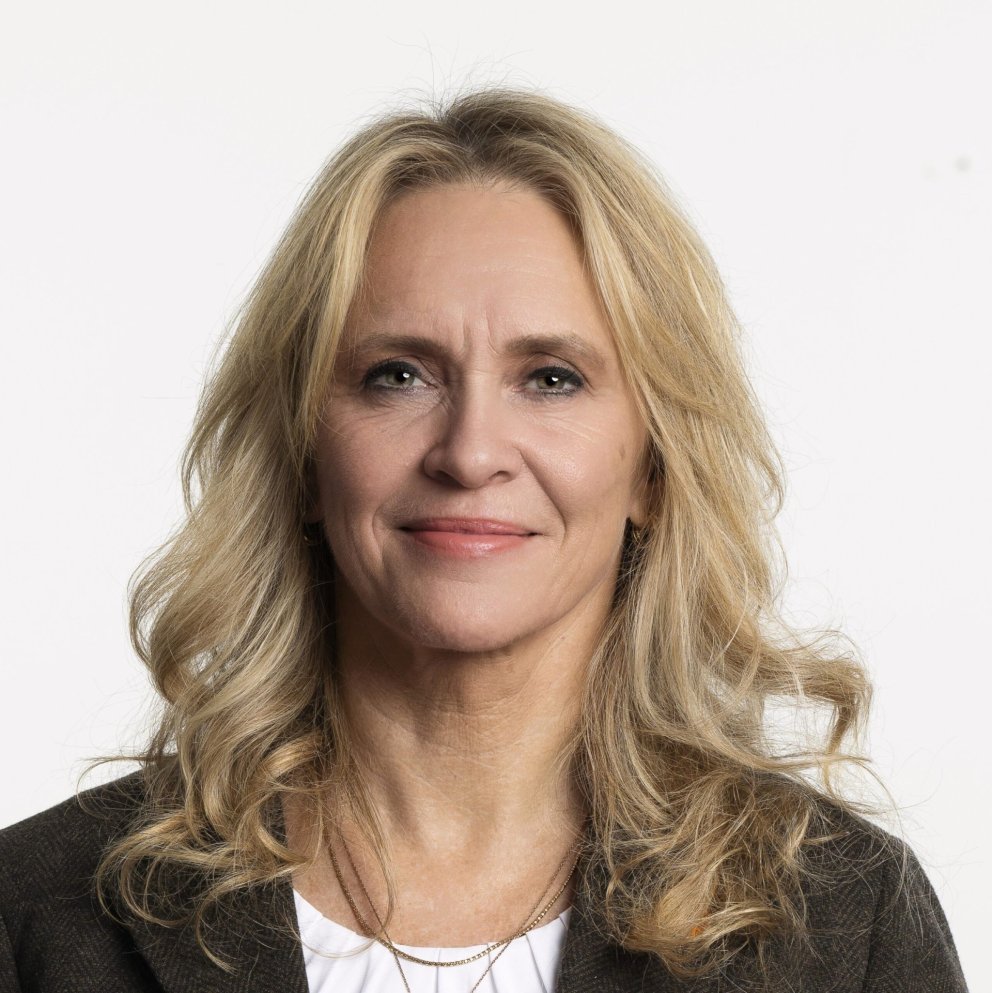
The author is the Minister for Foreign Affairs of Iceland. The article was published on Vísir.is on the morning of 4th of February to draw attention to the event.