GRÓ LRT: Capacity Development Delivers Results
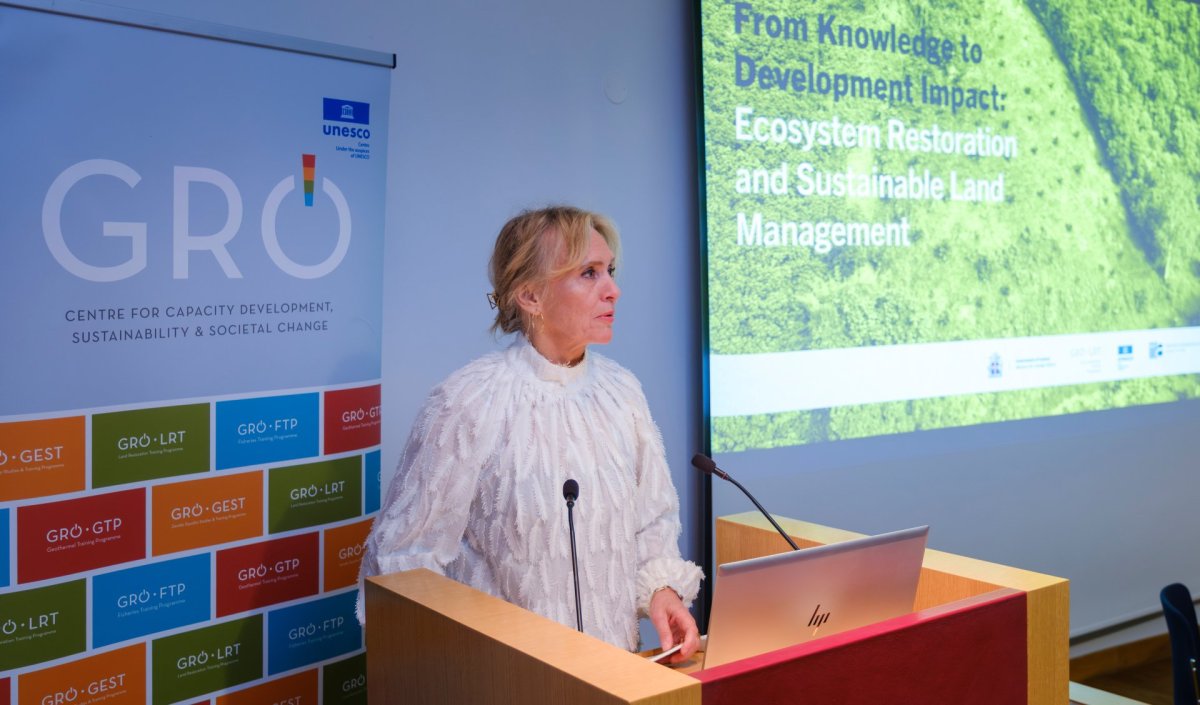
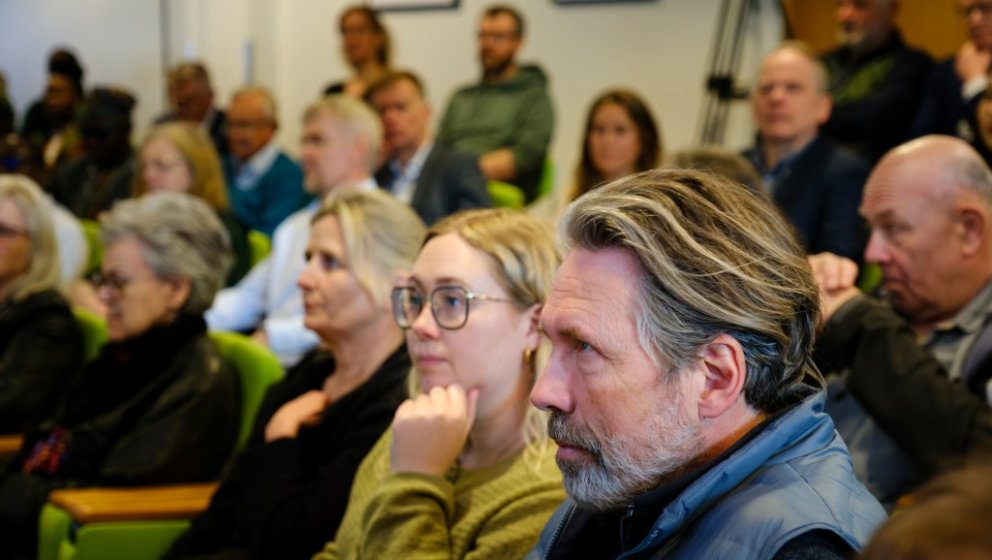
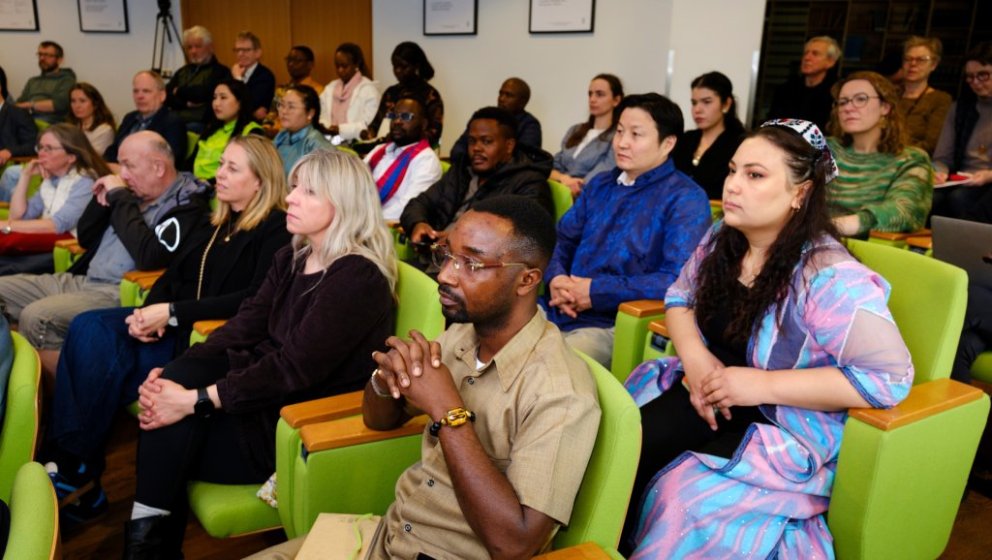
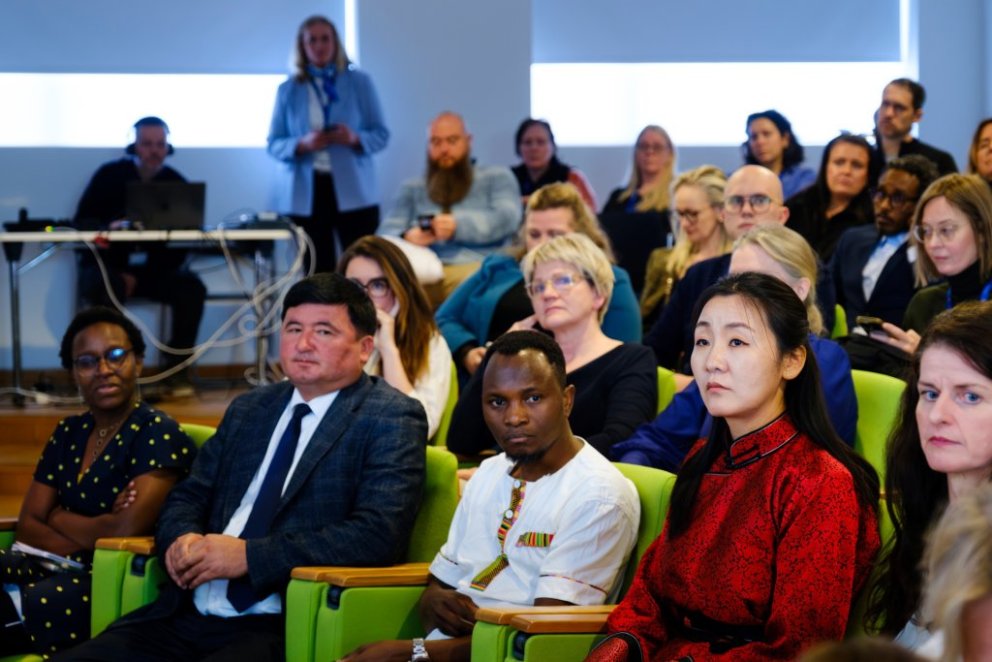
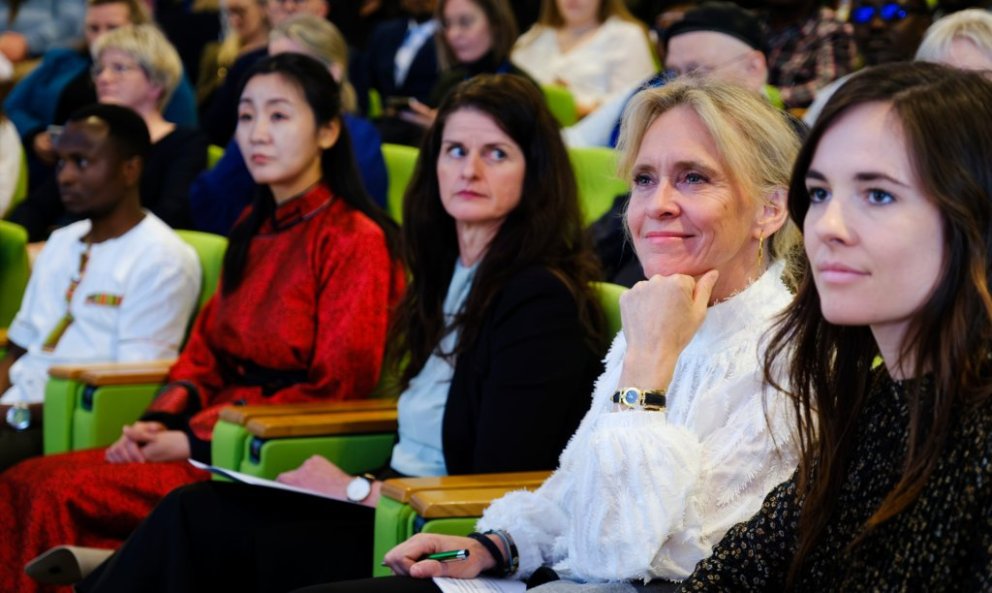
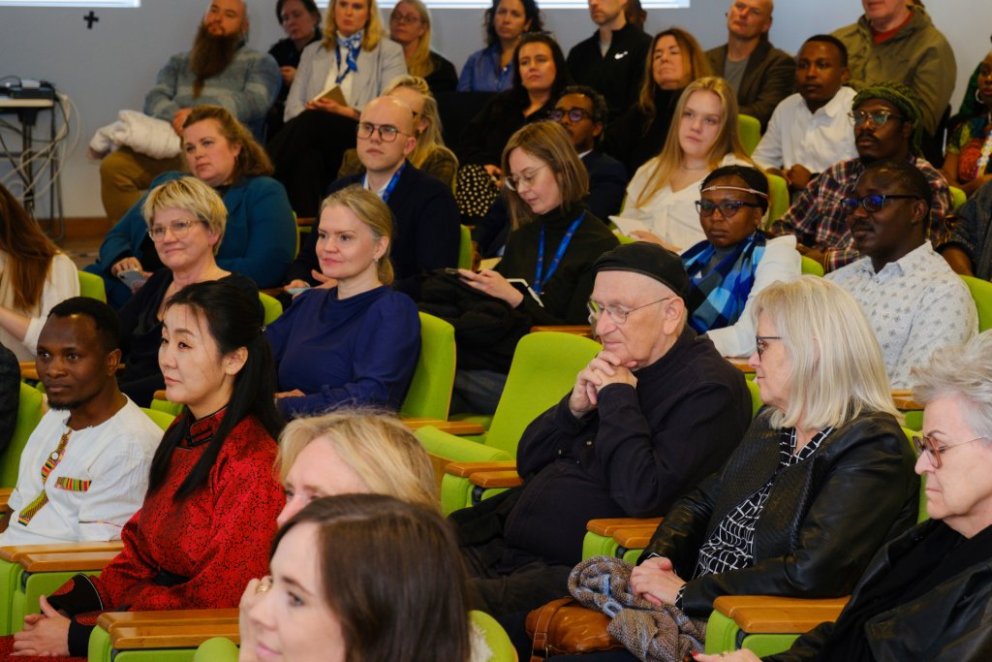
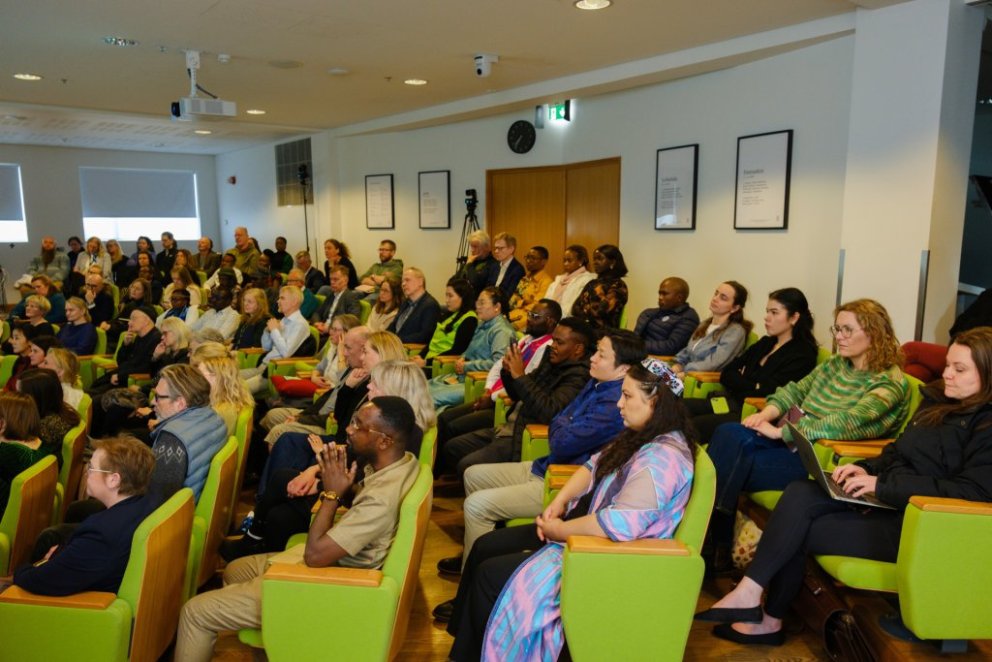
The impact of the GRÓ Land Restoration Training Programme was the focus of the last and final event in the series “From Knowledge to Development Impact” on May 7. At the event, that took place at the National Museum of Iceland, GRÓ LRT fellows and alumni shared their experiences and insights on how capacity strengthening can drive progress in global development. In total, 240 fellows have graduated since 2007 when the Programme was launched.
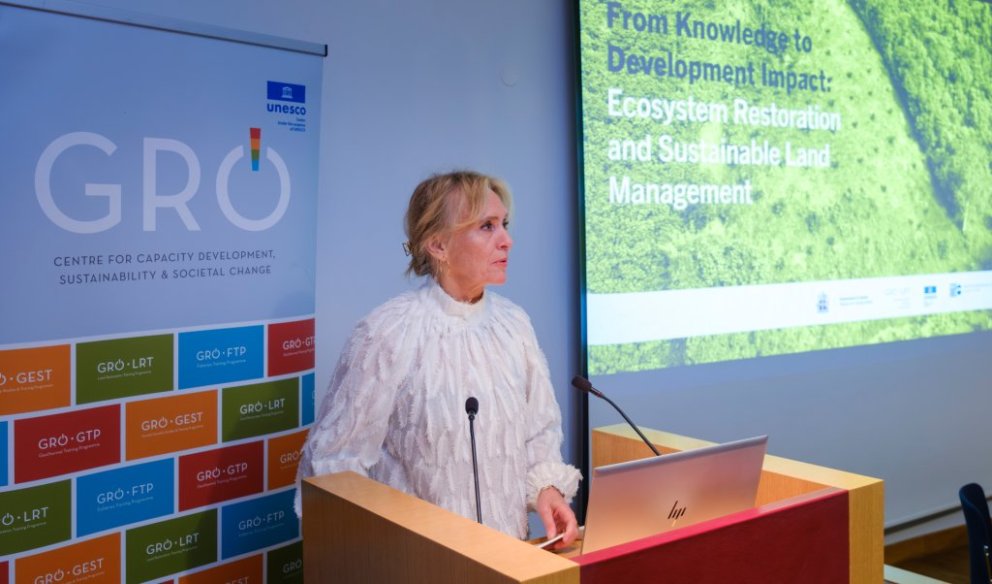
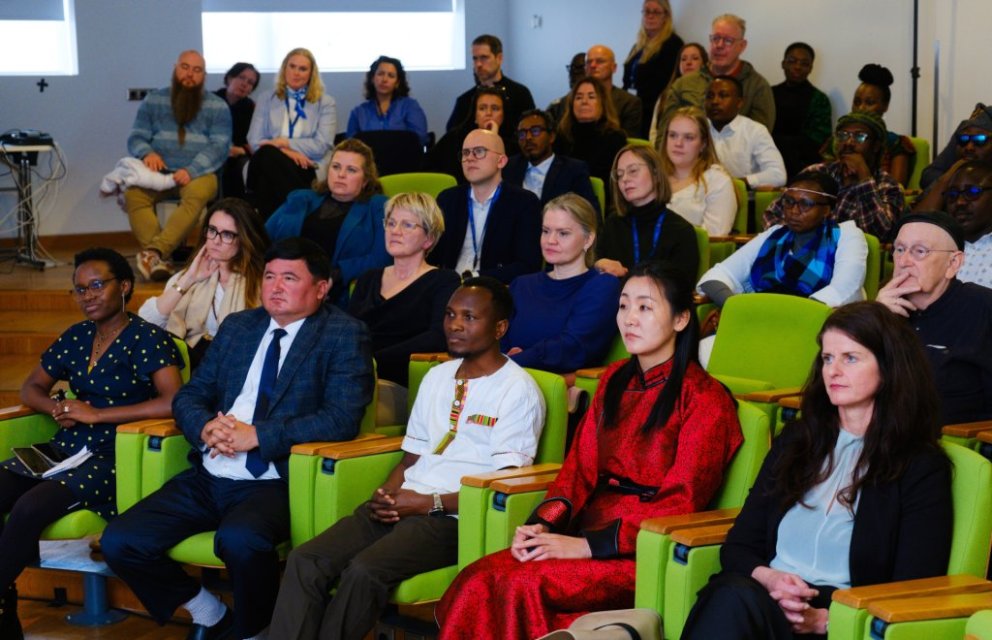
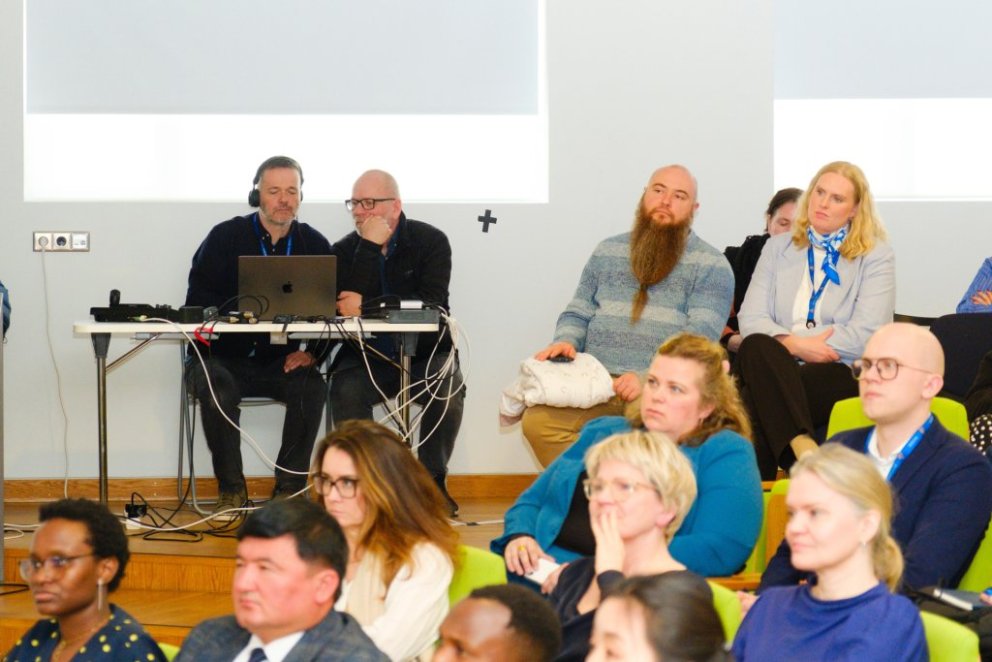
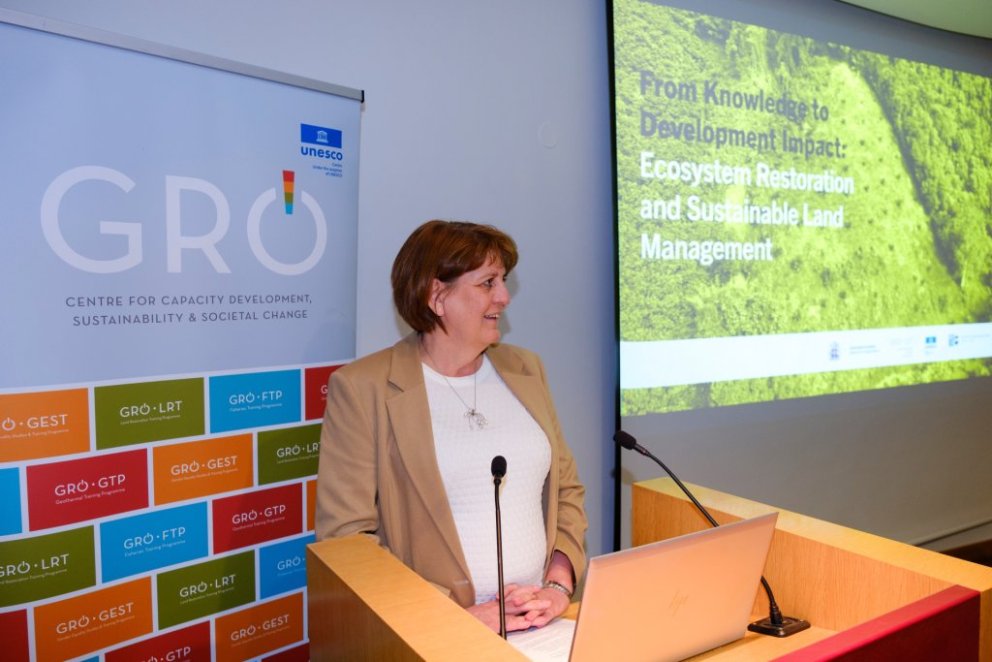
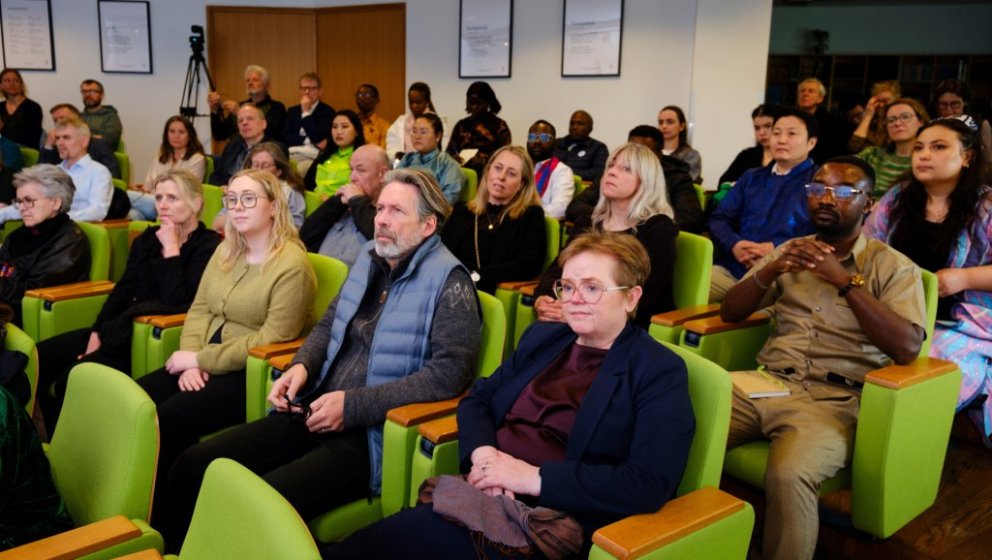
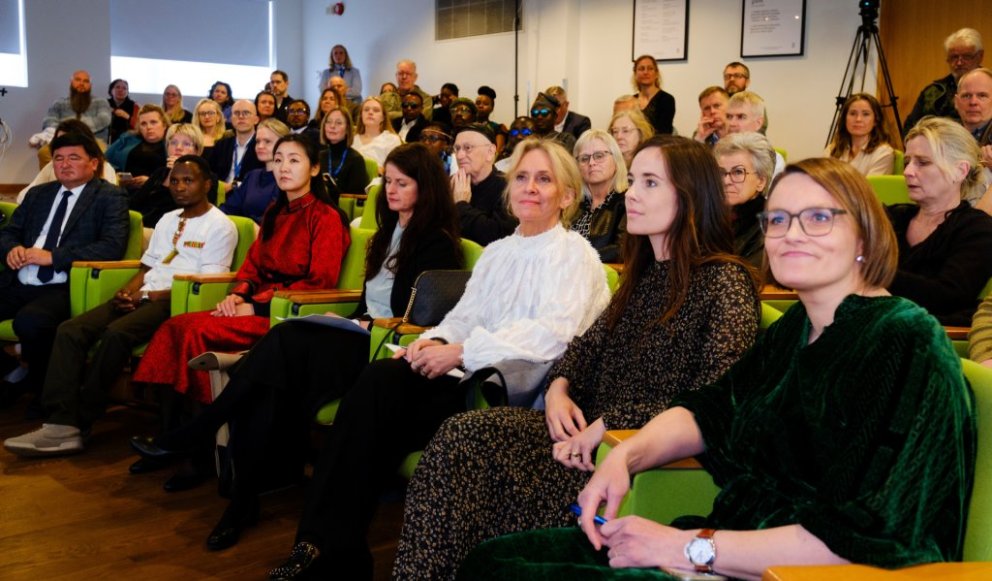
Dr Ragnheiður Inga Þórarinsdóttir, Rector of the Agricultural University of Iceland, welcomed the about 100 guests who attended the event along with the many more who took part online from all over the world. She highlighted the importance of the lasting value created by the GRÓ training programmes, as fellows return home and contribute to long-term development impact. She expressed how proud the Agricultural University of Iceland is to be a part of the GRÓ community and contributing to the important work of knowledge creation and capacity building.
Iceland’s experience shows even severe land degradation can be reversed
Ms Þorgerður Katrín Gunnarsdóttir, Minister for Foreign Affairs, underlined that land degradation and ecosystem loss are among the greatest challenges of today. “Across the world, soils are losing their fertility, biodiversity is declining, and ecosystems are under growing pressure,” she said. The minister highlighted that 40% of the world’s ecosystems are already degraded, a reality affecting millions of lives worldwide, with developing countries often suffering the most severe consequences.
“But there is also a message of hope. Change is possible. Iceland’s own history reminds us of that,” she said, explaining how Iceland has been reclaiming severely degraded land through long-term restoration efforts that began in 1907 following groundbreaking legislation passed by the Icelandic parliament. “One of the most powerful aspects of the GRÓ LRT is the message it carries: environmental degradation is not inevitable. Even severe land degradation can be reversed. It requires long-term vision, persistence, and cooperation — but it can be done,” she said. This experience lies at the heart of the GRÓ LRT programme and is why Iceland puts an emphasis on ecosystem restoration in international development cooperation.
The Minister concluded by stressing the importance of highlighting tangible results of development cooperation, particularly at a time when development budgets are under significant pressure. Bringing forward the achievement of GRÓ fellows, who are making a difference around the world, shows the real and lasting impact of the GRÓ programmes, as well as Iceland’s development cooperation efforts. “I am proud that Iceland continues to prioritise development cooperation, including its long-standing commitment to the GRÓ programmes,” the minister said.
GRÓ LRT a transformative experience
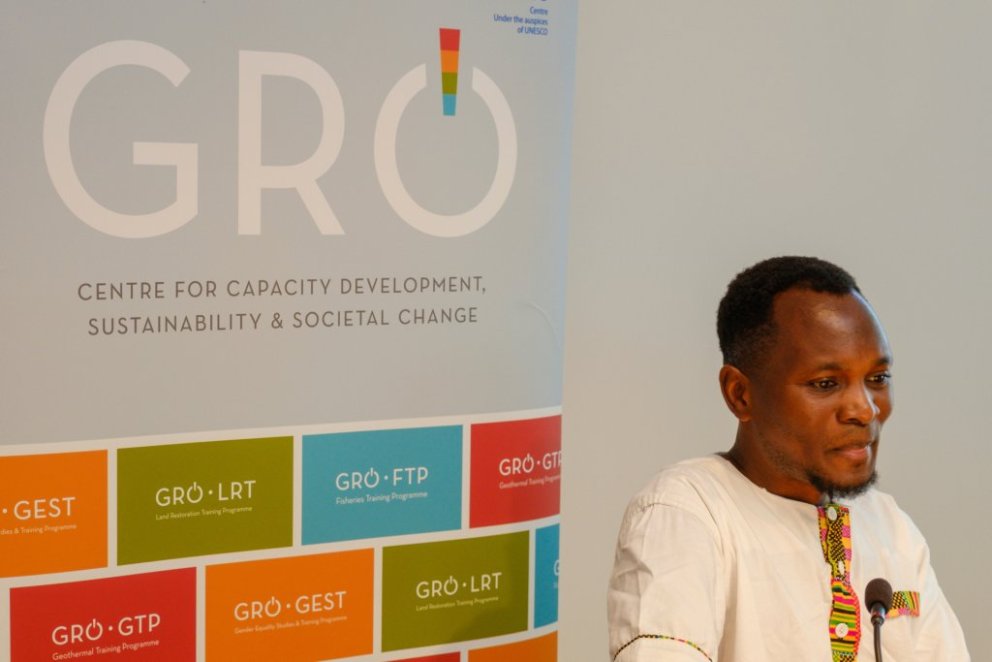
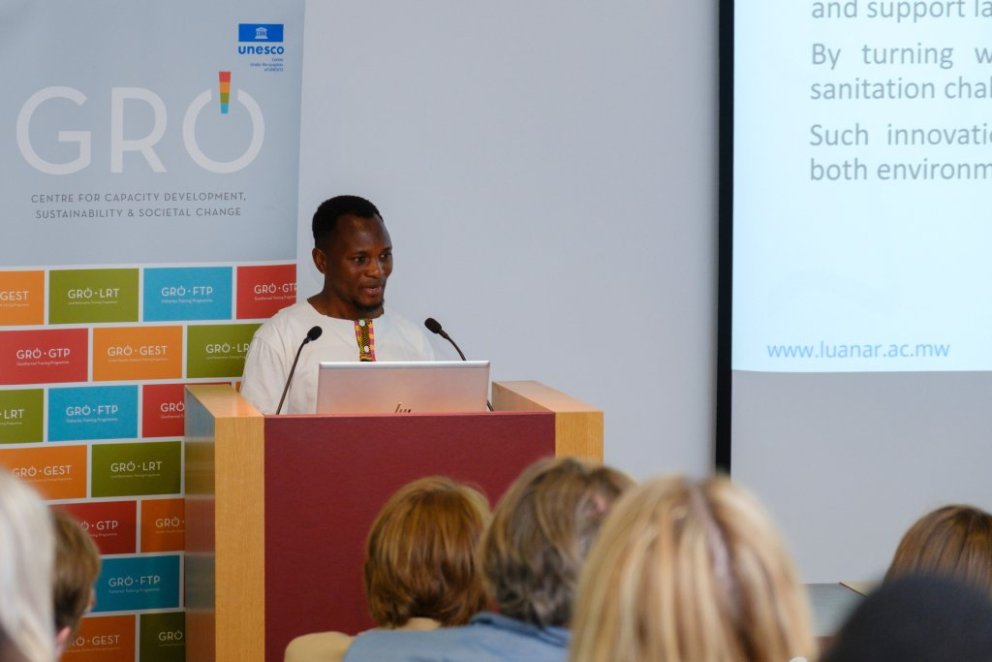
Dr Principal Mdolo, a 2016 GRÓ LRT alumni and lecturer at the Lilongwe University of Agriculture and Natural Resources in Malawi was the keynote speaker of the event.
He began by emphasizing how transformative his experience from the GRÓ LRT programme was for his professional development as well as for his understanding of the relationship between science, people and the land that sustains them. The training he received in Iceland deepened his technical understanding of land degradation processes and restoration strategies, while also giving him the skills to share that knowledge and help build capacity in others. Since returning home, he has trained more than 400 people, actively contributing to awareness of land restoration in Malawi and the challenges the country is facing in that sector. Many factors have contributed to declining soil fertility, reduced agricultural productivity, and increased vulnerability of rural communities in his home country.
He particularly highlighted the importance of the networks created through the GRÓ programmes, noting that capacity building depends on collaboration across institutions, disciplines and countries. He also emphasized the value of relationships with co-fellows and alumni worldwide, as land restoration is not only a scientific challenge, but also a social, economic and institutional one.
He also addressed the global challenge of land degradation and the shared commitment to achieving land degradation neutrality. In this context, he stressed that the right knowledge, tools and partnerships are essential to support effective restoration efforts.
The true value of knowledge lies in what we do with it
Dr Mdolo discussed the importance of GRÓ LRT as challenges are increasing due to climate change, population pressure and environmental degradation. “The path forward requires us to strengthen the connection between knowledge and capacity. Training programmes such as the GRÓ Land Restoration Training Programme play a critical role in this process” he said.
He ended his keynote speech by highlighting the importance of investing in people, institutions and partnerships and turning knowledge into capacity. “Today, as I return here again, I am reminded that the true value of knowledge lies not in what we learn, but in what we do with it.”
Testimonies of success from around the world
In total, 240 fellows have graduated from the GRÓ Land Restoration Training Programme and 22 more will graduate in August. Many of the alumni are leading experts in their home countries.
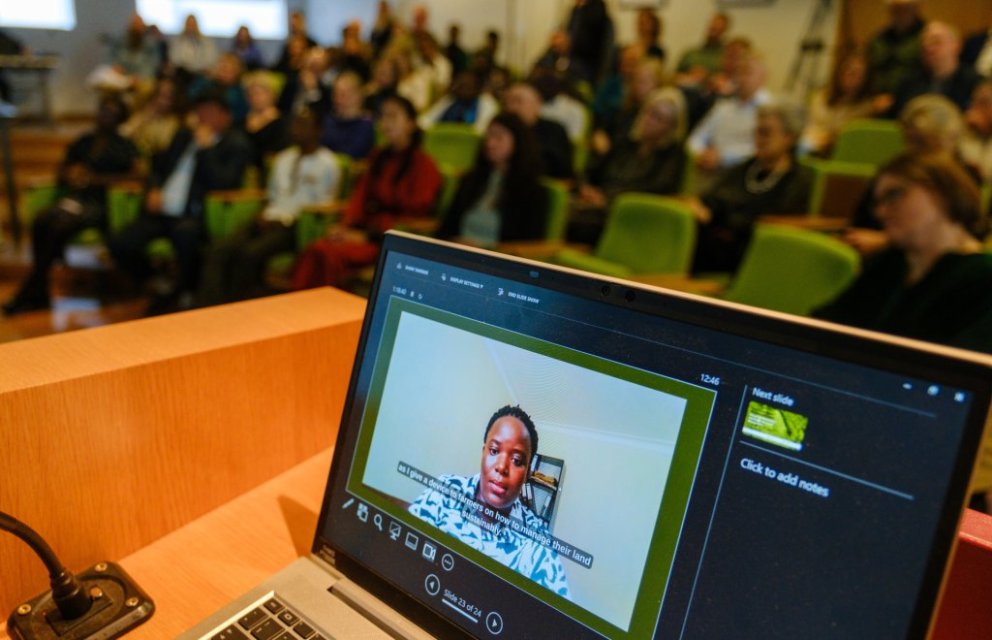
In a video alumni shared how the experience and knowledge they gained in Iceland is helping them in their work back home and how they are advancing sustainable land management. Fellows from Tajikistan, Uganda, Malawi, Ghana and Ethiopia highlighted how the GRÓ LRT experience has helped them advance in their personal careers and given them the confidence to implement change in their home regions and countries.
”You feel like you can change the world!”
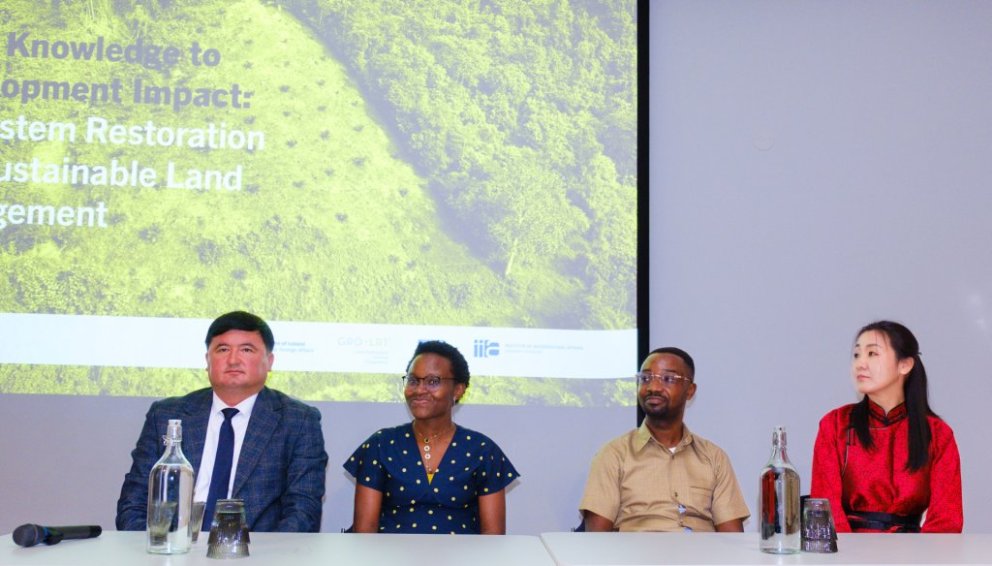
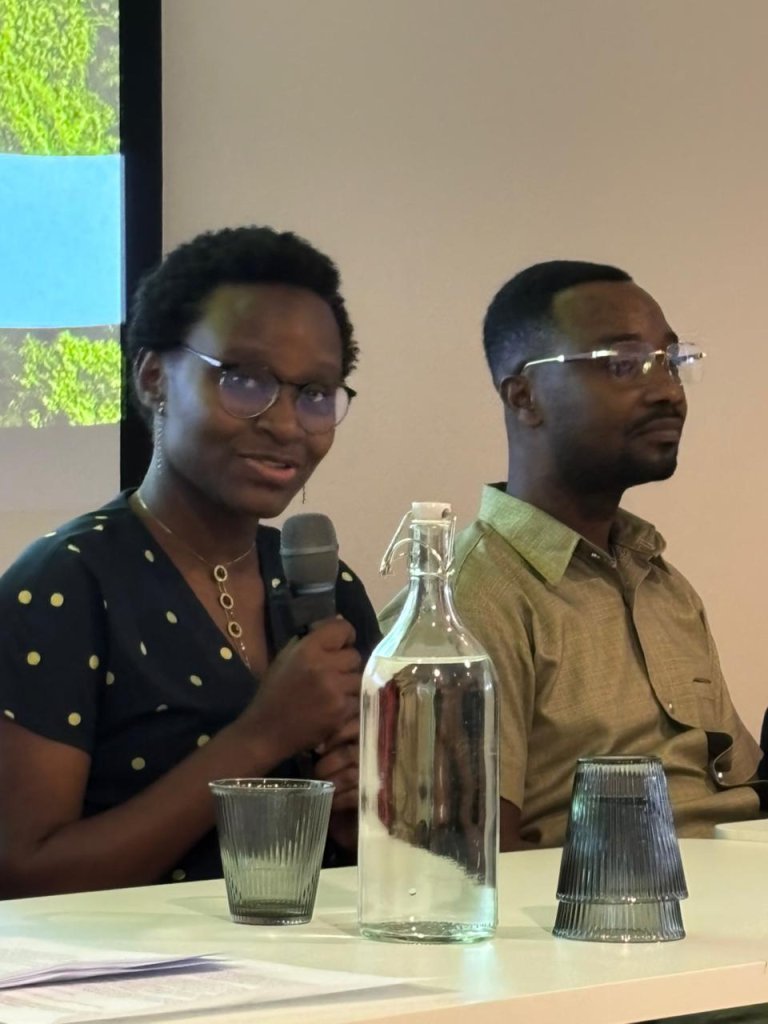
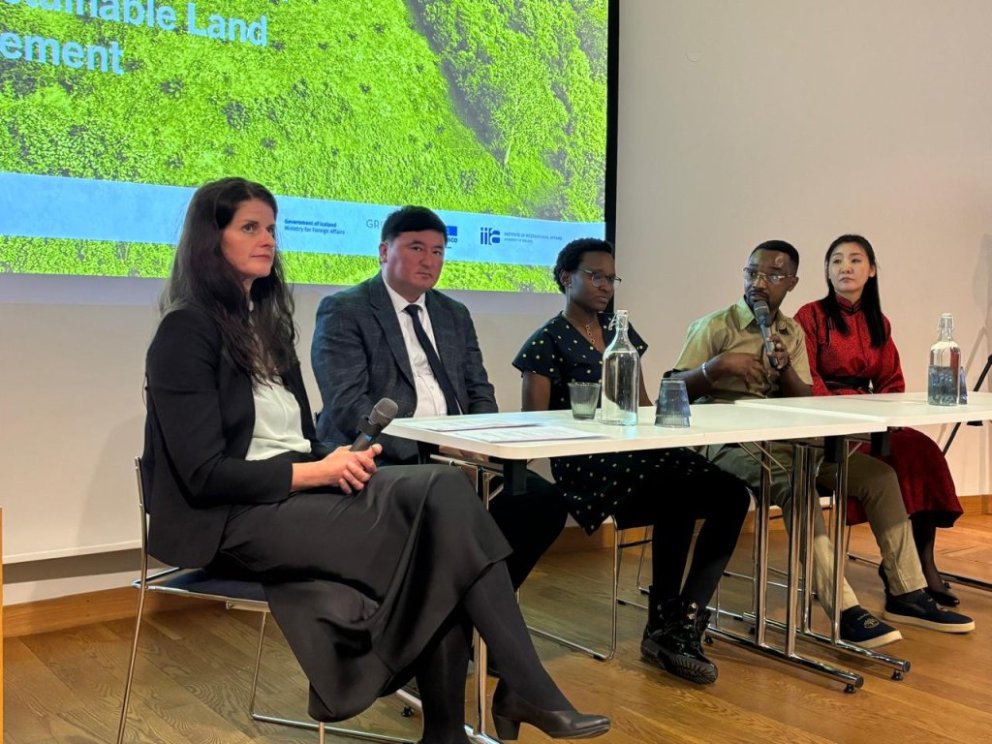
Ms Guðrún Guðjónsdóttir, acting Director of the GRÓ Land Restoration Training Programme, moderated a panel discussion with three GRÓ LRT alumni and a GRÓ LRT fellow from the 2026 cohort. The panellists were Dr Shuhrat Valiyev, a 2023 fellow from Uzbekistan and assistant professor, Mr Prince Addai, a 2024 fellow from Ghana and PhD candidate at the Agricultural University of Iceland, Ms Brendah Namara, a 2023 fellow from Uganda and a MSc scholarship recipient and Ms Nandin-Erdene Geserbaatar, current fellow from Mongolia.
The panellists gave examples of impact of the six-month training programme on restoration in their home countries or institutions. Apart from their own personal growth and achieving more confidence in their work, the panellists mentioned the value of the tools and skills they gained. Ms Namara named the importance of including stakeholders in decision-making and communication between the project team and local communities. Mr Addai talked about how he has been able to use his new approach to implement restoration projects from only planting trees to more complicated approaches. Ms Geserbaatar also mentioned the importance of having a good relationship with stakeholders and overall, good communication. Dr Valiyev has used his capacity to straighten the Department of Plant Physiology and Microbiology in Samarkand, where he is head of department.
The panelists agreed that the program strengthened their ability to implement restoration projects and gave them the confidence and skills to take on such projects. As Ms. Namara aptly said: “There is something that GRÓ does to your mind so you feel like you can change the world!”
Bringing forward stories to go beyond statistics
Ms Nína Björk Jónsdóttir, Director General of the GRÓ Centre for Capacity Development, Sustainability and Societal Change, closed the event. She reflected on the aim of the series, to bring forward stories of the impact of GRÓ alumni – to go beyond the statistics and learn where the fellows are today and to hear how they have been able to use their training.
At the previous event on the GRÓ Geothermal Training Programme, fellows from Kenya, which is the programmes biggest partner country with more than 160 fellows out of the more than 800 total GRÓ GTP alumni, had shared how Iceland played a key role in their development journey. Today, Kenya ranks number 6 in the world in installed capacity on geothermal. It was explained at the GRÓ Fisheries Training Programme event how alumni from Uganda, Tanzania and Kenya that share Lake Victoria, are working together to find ways to manage the lake’s resources in a sustainable manner. Alumni of the GRÓ Gender Equality Studies and Training Programme had shared many examples of how they are influencing policy, designing projects or working with institutions and NGOs in their home countries to advance gender equality.
The Director General closed the event by thanking the speakers and panellists for their excellent contributions. She also thanked all the dedicated experts that have contributed to the impact of the programme over its nearly 20 year history.