GRÓ LRT and Green Gold-Mongolian Rangeland Research Centre co-host successful Side event at UNCCD COP17
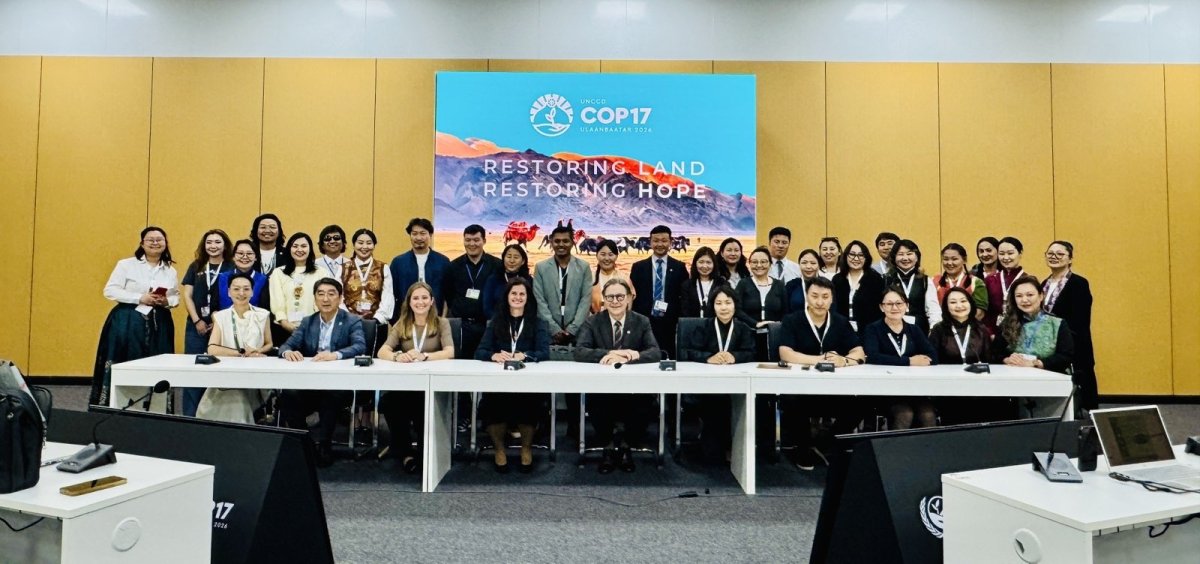
Photos: Boldoo Magvan and GRÓ LRT former fellows.
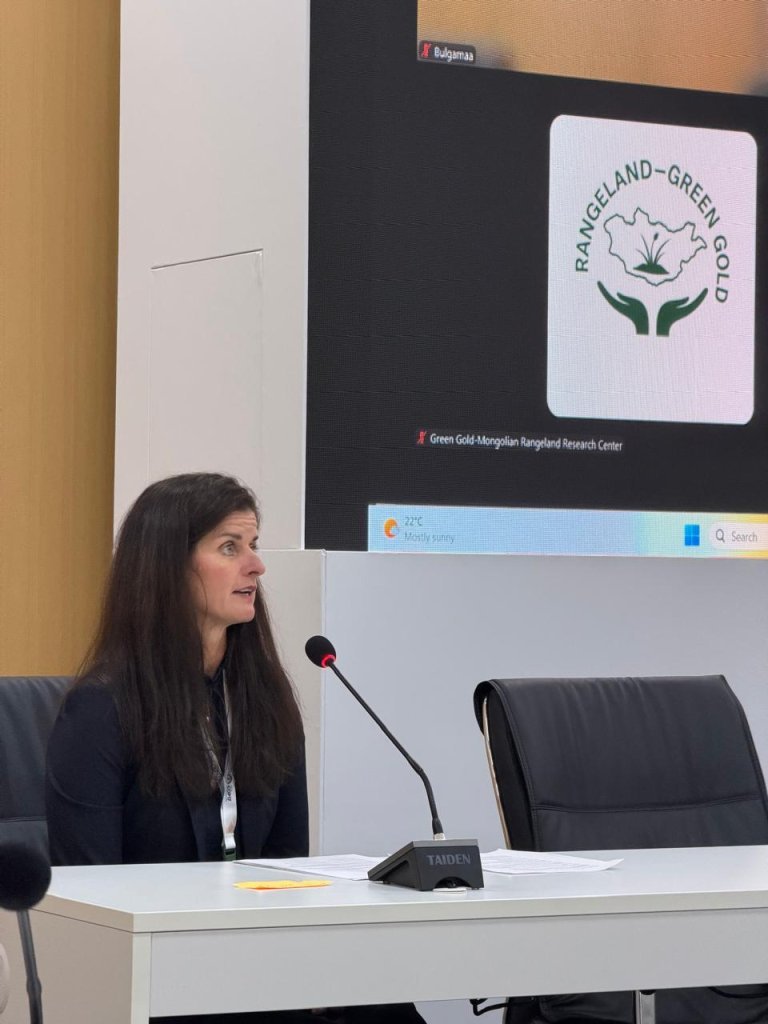
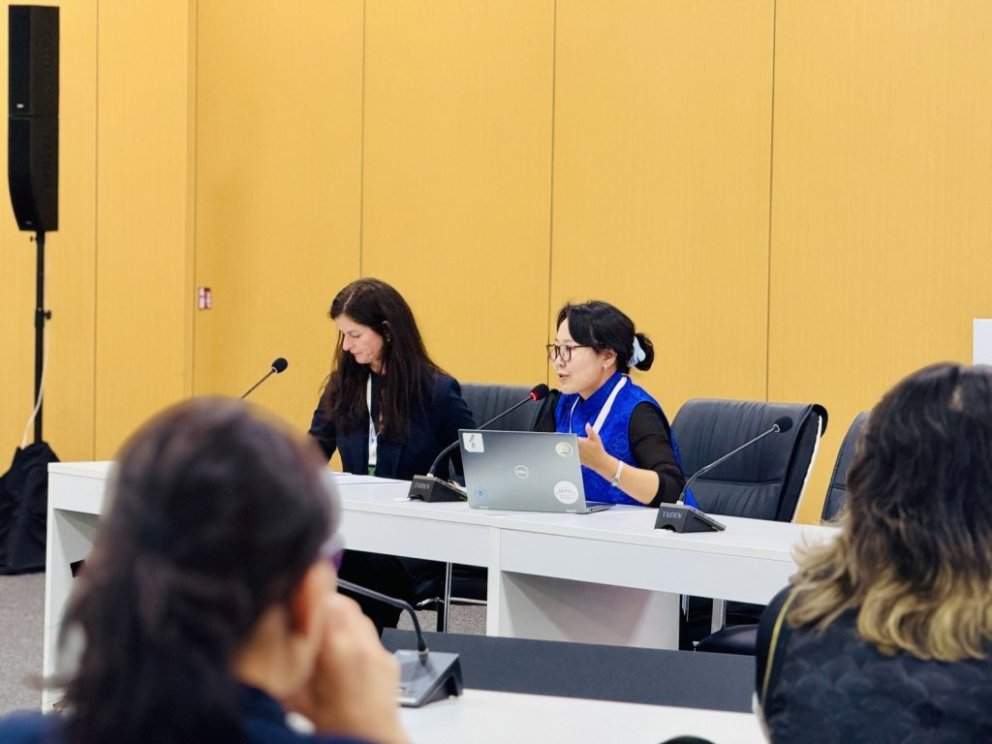
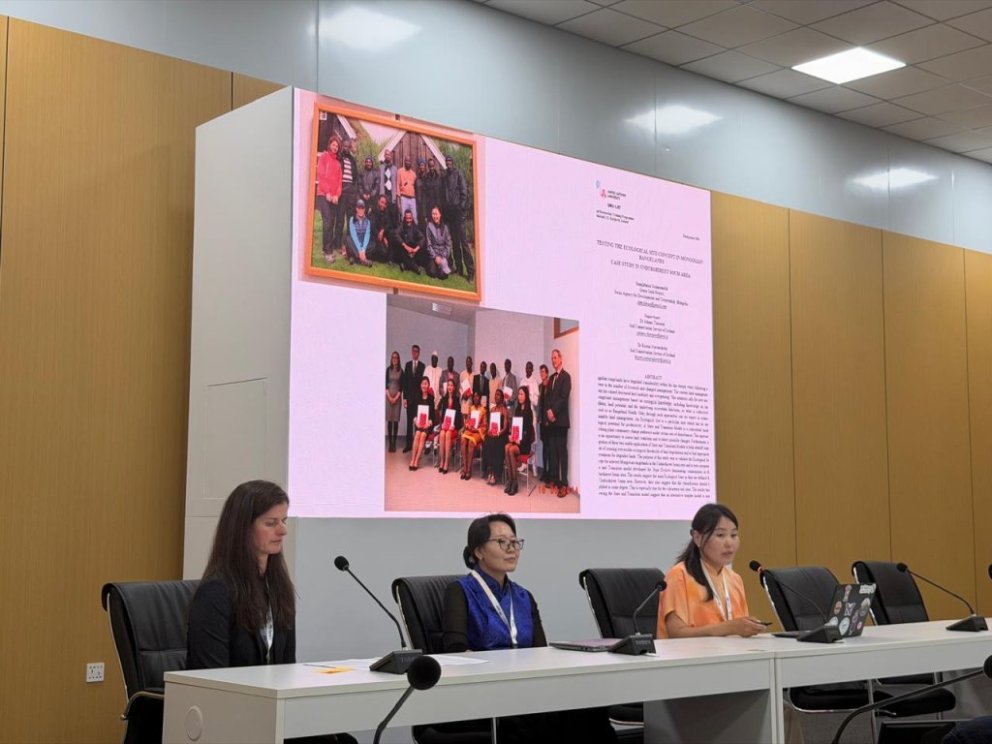
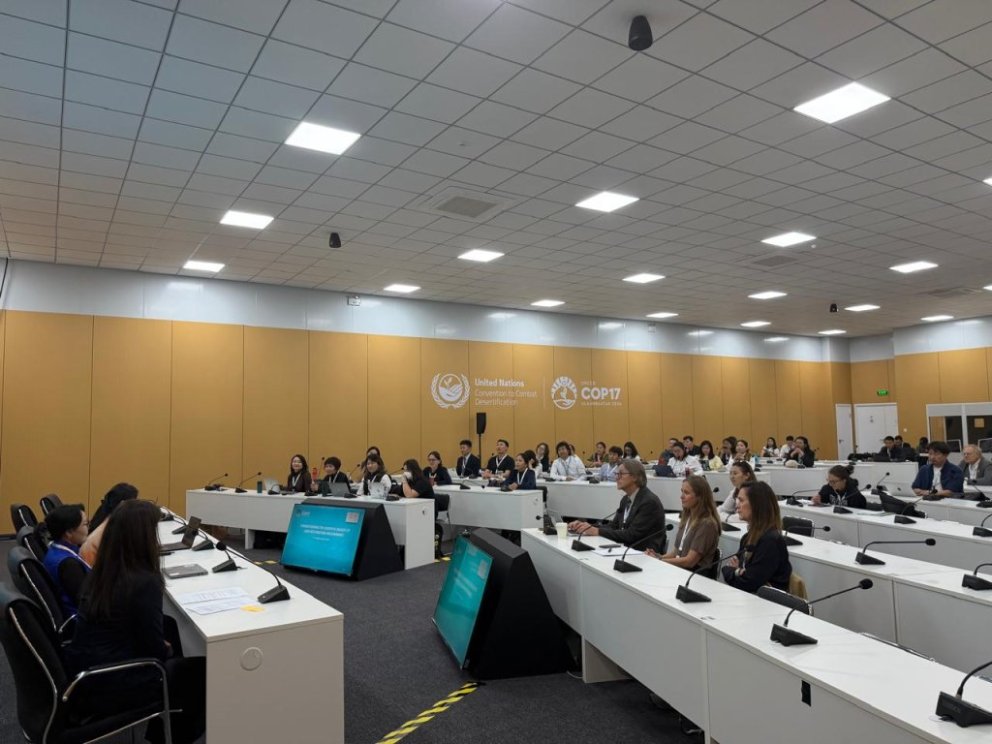
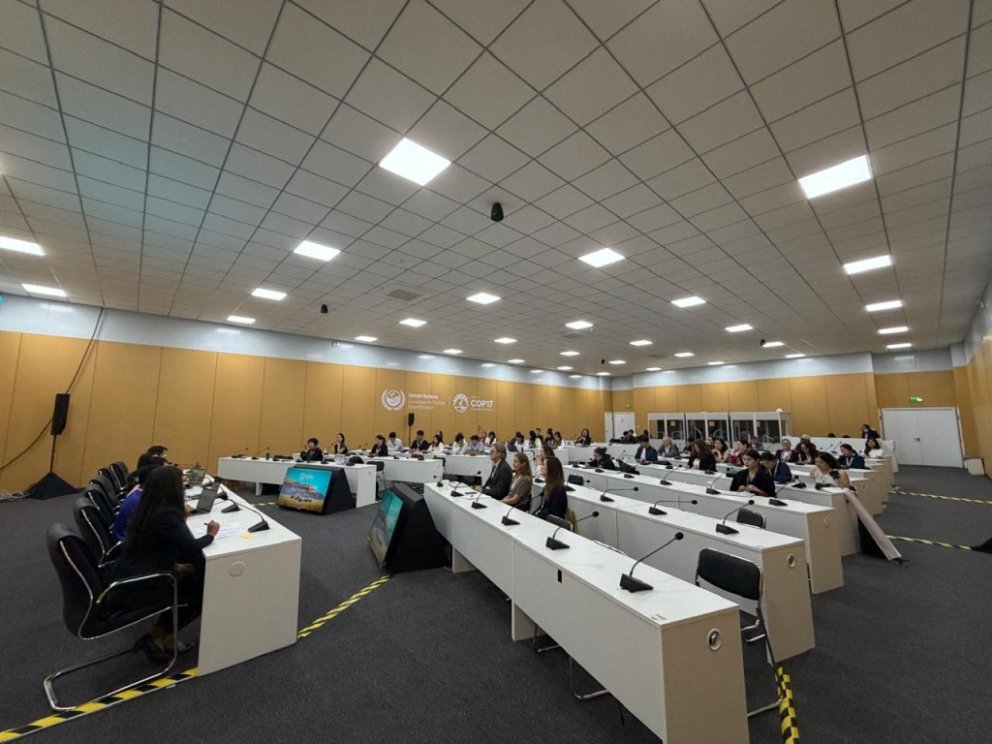
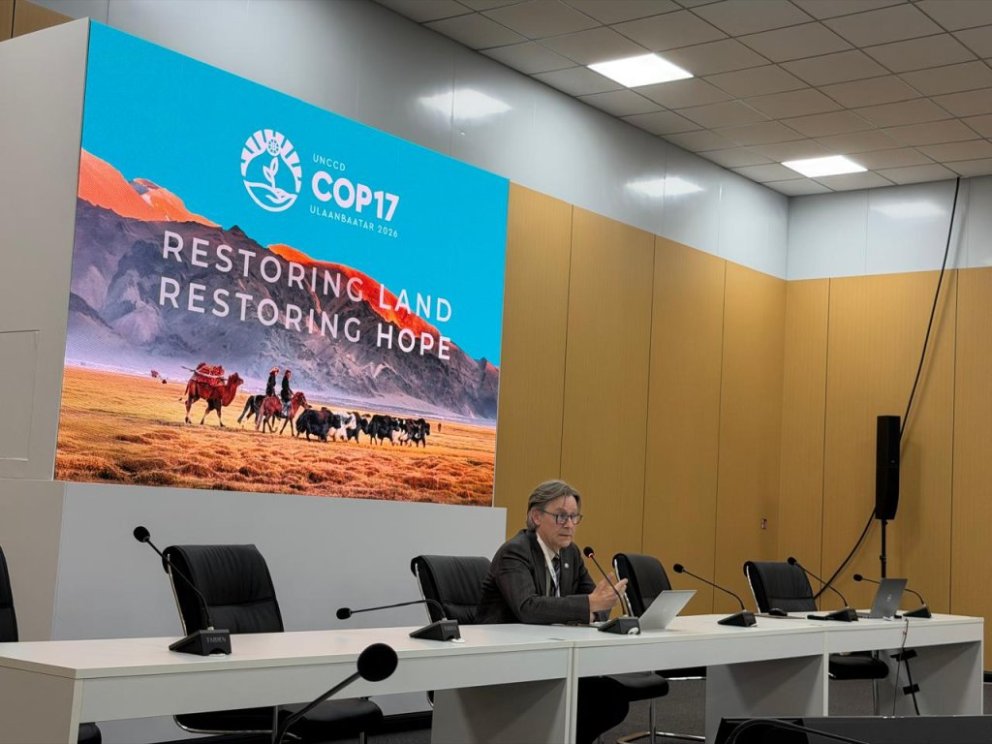
Last week, GRÓ Land Restoration Training Programme (GRÓ LRT) and the Green Gold - Mongolian Rangeland Research Centre co-hosted a successful Side event at the 17th Conference of the Parties to the United Nations Convention to Combat Desertification (UNCCD COP17) in Ulaanbaatar, Mongolia. The event was supported by Iceland’s Ministry for Foreign Affairs and Ministry of the Environment, Energy and Climate.
Entitled Partners in Restoration: Iceland and Mongolia for Resilient Social-Ecological Landscapes, the event explored how long-term partnerships, capacity development, scientific knowledge and local experience can contribute to ecosystem restoration, resilient landscapes and sustainable land management.
Guðrún Guðjónsdóttir, Acting Director of GRÓ LRT, opened the event by introducing the programme’s approach to capacity development and reflecting on the long-standing cooperation between Iceland and Mongolia. For two decades, this partnership has helped strengthen professional networks, scientific knowledge and local capacity for land restoration and sustainable land management.
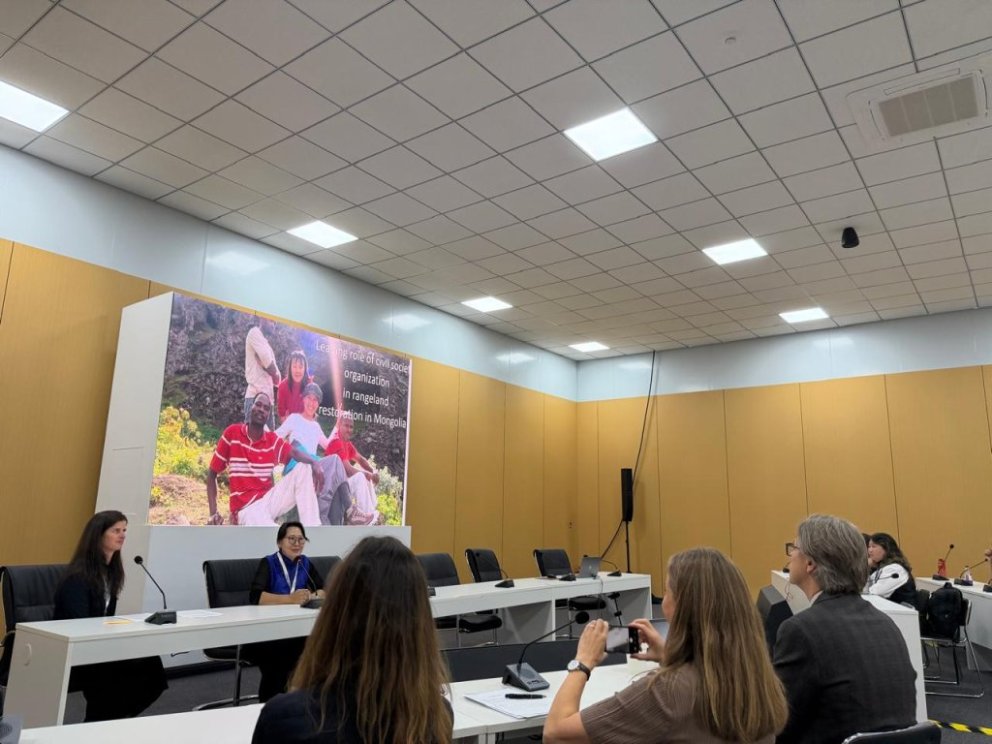
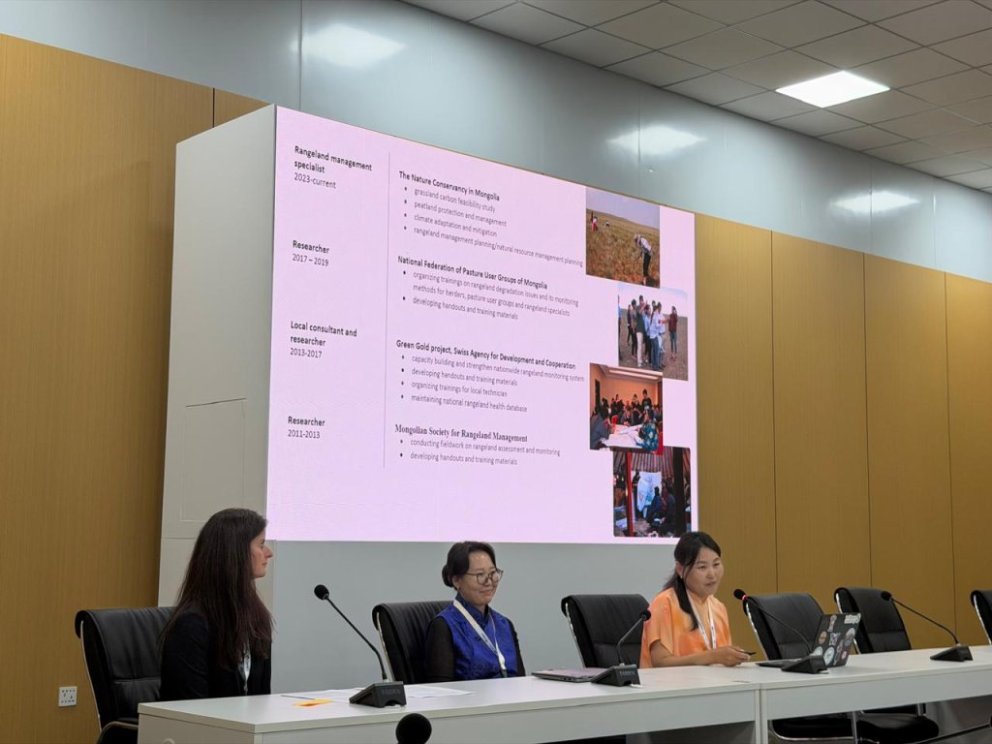
The programme continued with three keynote presentations offering complementary perspectives on rangeland restoration in Mongolia. Dr Burmaa Dashbal, Executive Director of the Mongolian Rangeland Research Centre, discussed the important role of civil society organisations in rangeland restoration. Dr Sumjidmaa Sainnemekh, a researcher with The Nature Conservancy in Mongolia, addressed the need to strengthen the scientific foundations of land restoration programmes.
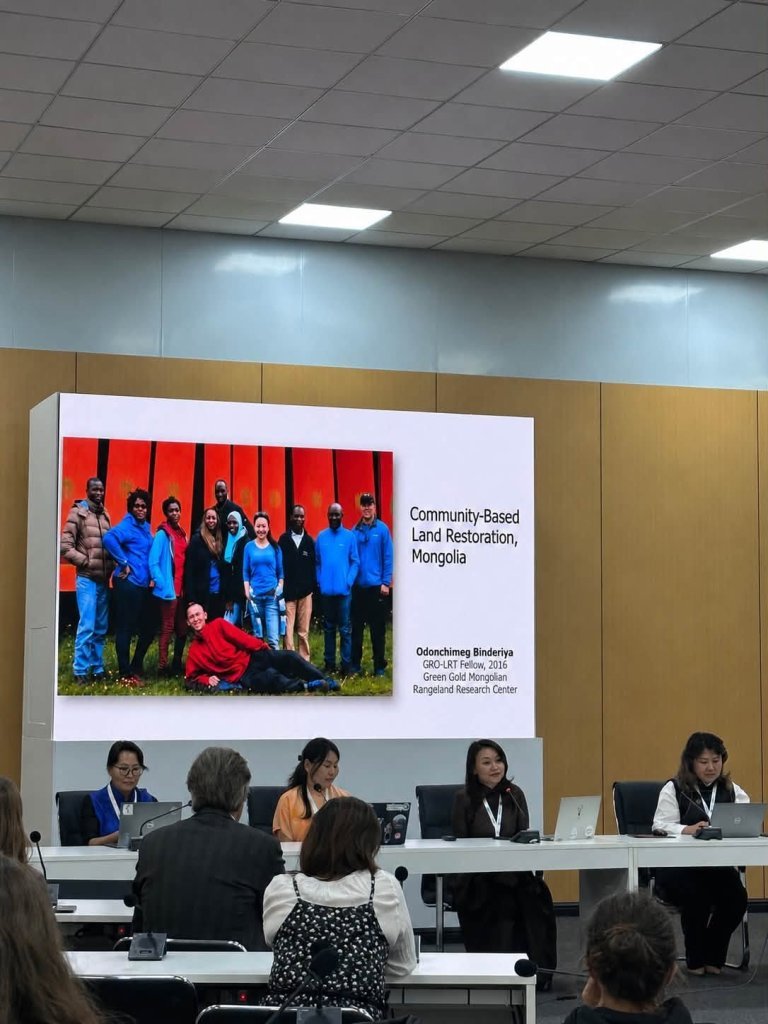
The third presentation focused on experiences from piloting a science-based, community-based land restoration programme in Mongolia and the lessons emerging from its success stories. It was delivered by Dr Odonchimeg Binderiya, a GRÓ LRT fellow from 2016 and Executive Director of the Environmental Research Centre, together with Altantsetseg Balt, Environmental Officer at Oyu Tolgoi. Their presentation provided a strong example of how training, professional partnerships and scientific knowledge can be translated into practical restoration action.
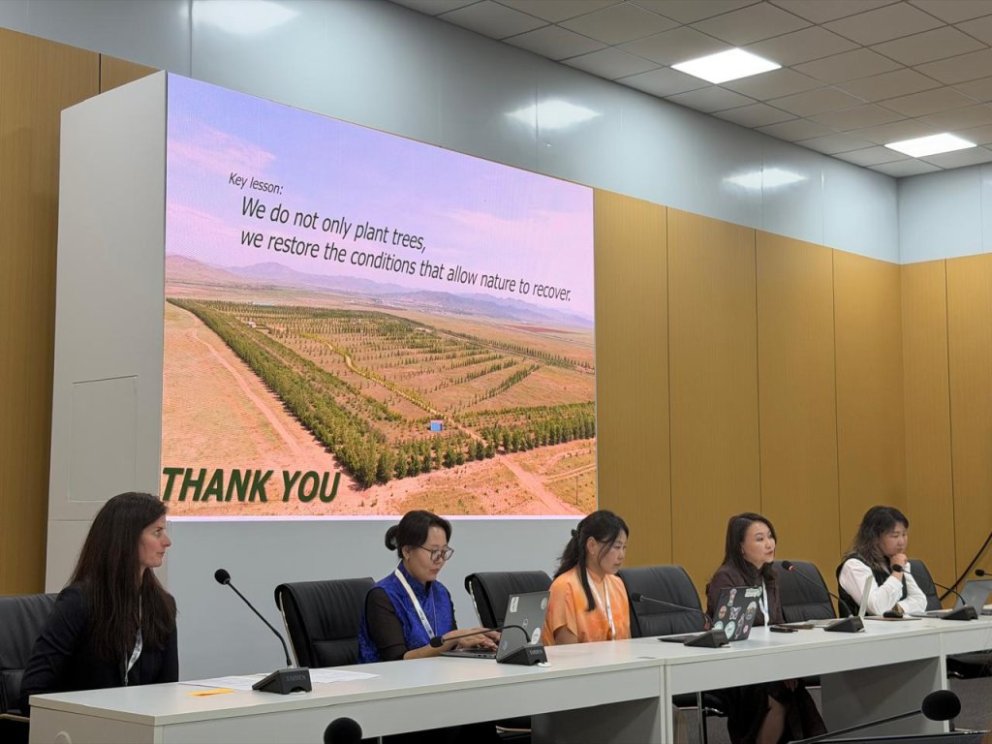
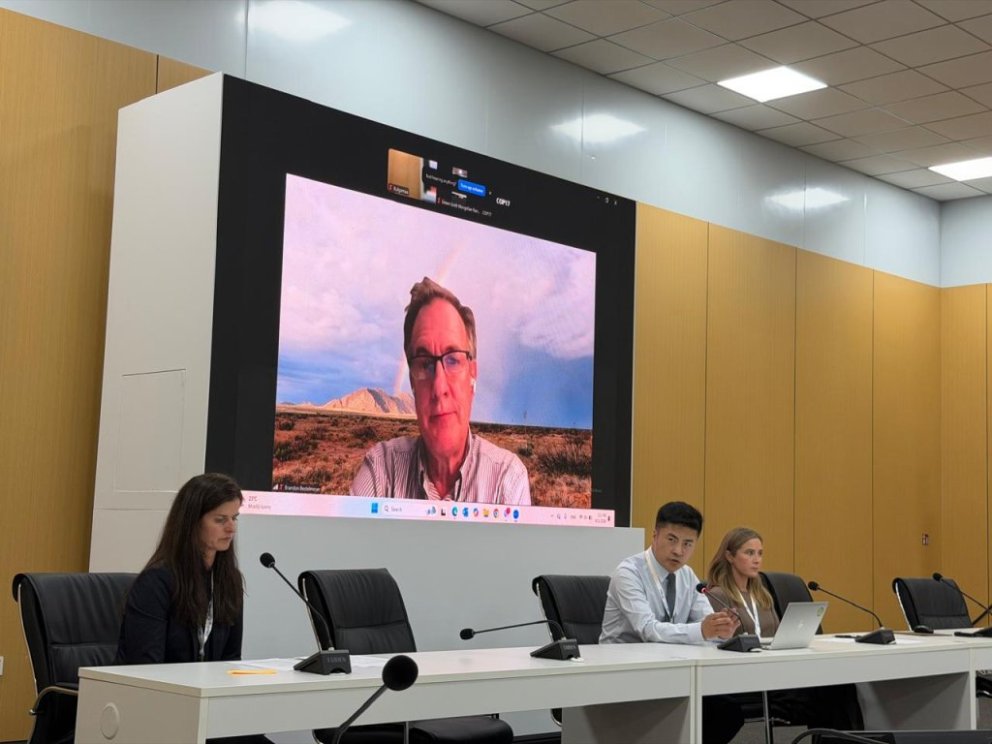
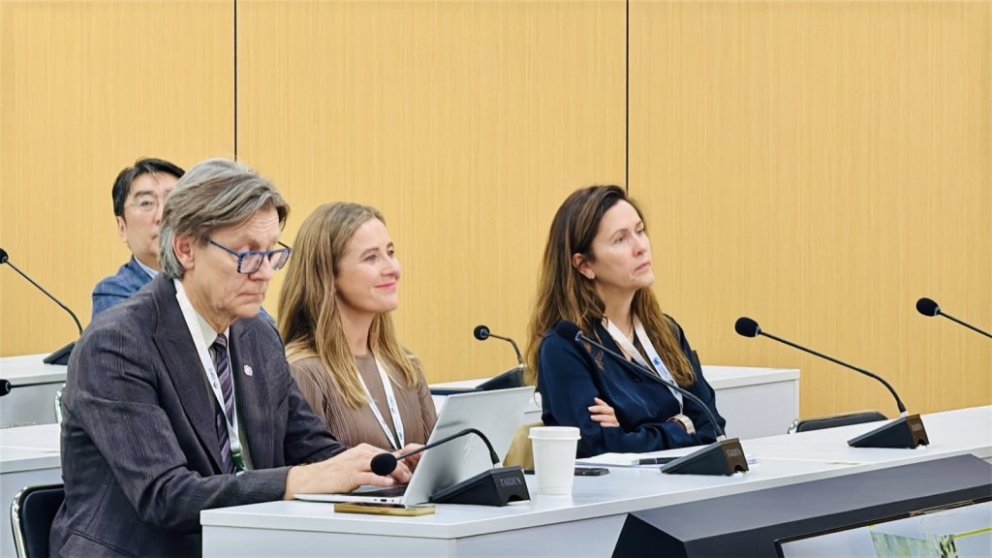
The keynote presentations were followed by a panel discussion moderated by Guðrún Guðjónsdóttir. The panel brought together Brandon Bestelmeyer, Research Leader at the Jornada Experimental Range of the United States Department of Agriculture’s Agricultural Research Service; Dul Baatar, Head of the Land Monitoring and Assessment Department at the Land Agency of Mongolia; and Salome Hallfreðsdóttir, Head of Division in the Department of Nature and Cultural Heritage at Iceland’s Ministry of the Environment, Energy and Climate.
The discussion explored what is needed to turn training and knowledge exchange into lasting restoration outcomes for ecosystems and the people who depend on them. The panellists reflected on the importance of scientifically robust but practical monitoring, local knowledge and participation, institutional cooperation, and stronger connections between science, policy and practice. They also considered how land restoration and the green transition can be pursued while safeguarding ecosystem integrity and pastoral livelihoods.
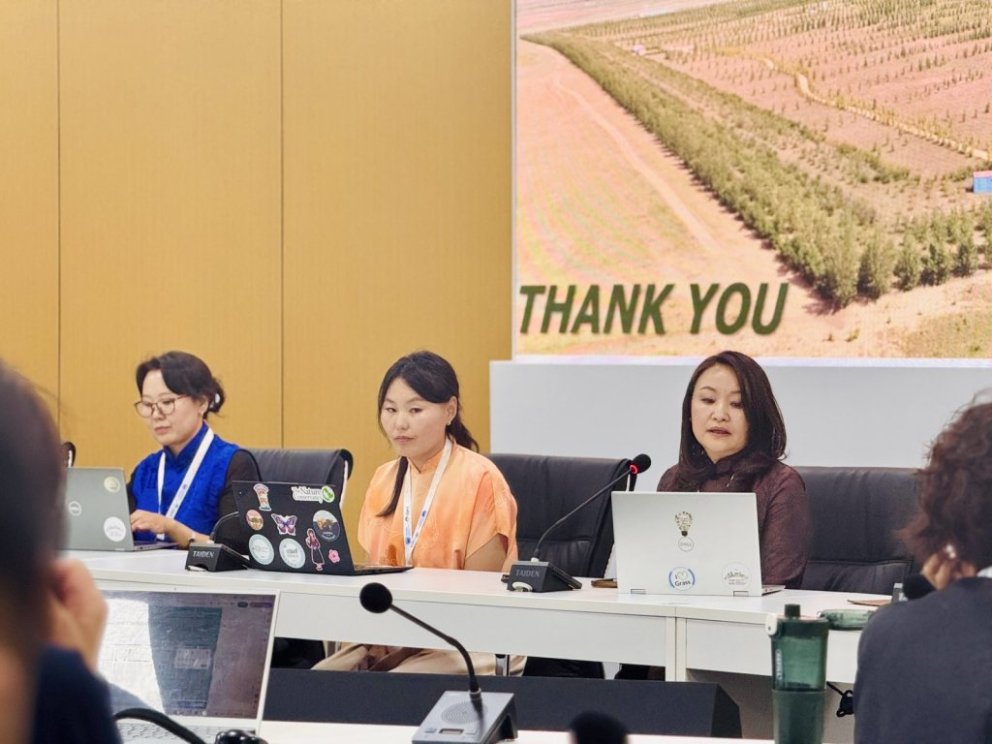
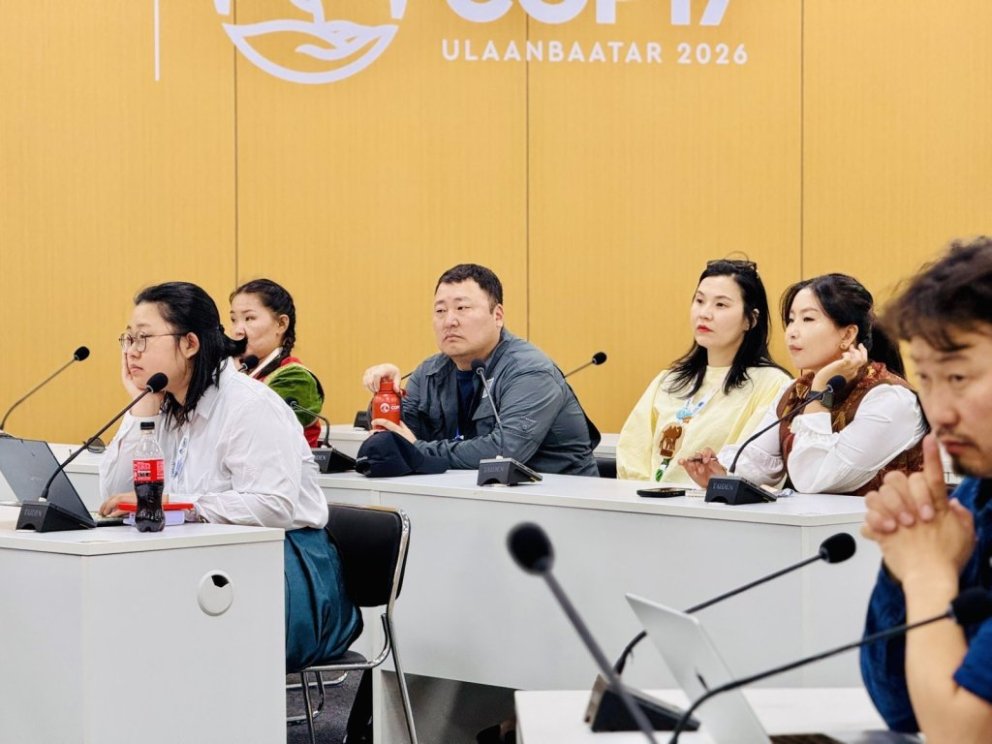
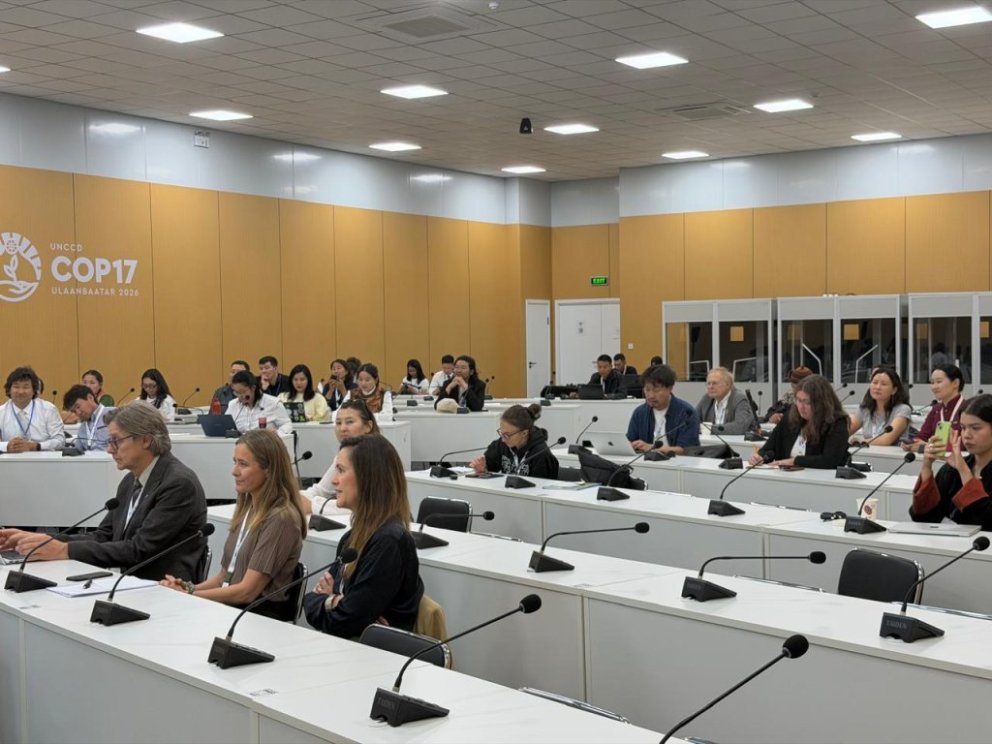
The side event took place in the Blue Zone and was well attended, including many former GRÓ LRT fellows and other COP17 delegates. The strong presence of former fellows was especially meaningful, demonstrating how the knowledge, relationships and professional networks developed through GRÓ LRT continue to grow after fellows return home.
The event celebrated the long-standing partnership between Iceland and Mongolia and reinforced one of its central messages: restoration becomes lasting when knowledge is transformed into local capacity and practical action.
Jón Erlingur Jónasson, Special Envoy at Iceland’s Ministry for Foreign Affairs, concluded the event with closing remarks.
GRÓ LRT extends its sincere thanks to the Green Gold–Mongolian Rangeland Research Centre for the successful collaboration, and to Iceland’s Ministry for Foreign Affairs and Ministry of the Environment, Energy and Climate for their support and participation. We also thank all keynote speakers, panelists, former fellows, partners and participants who contributed to the success of the event.