Kelvin Mkwinda: GRÓ FTP Alumnus
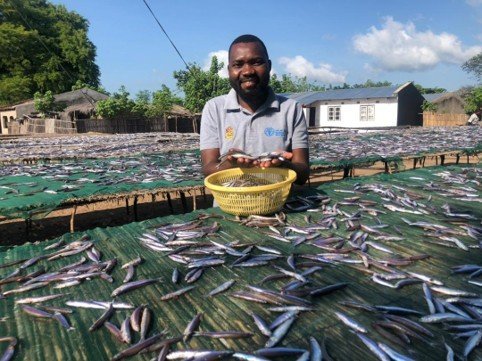
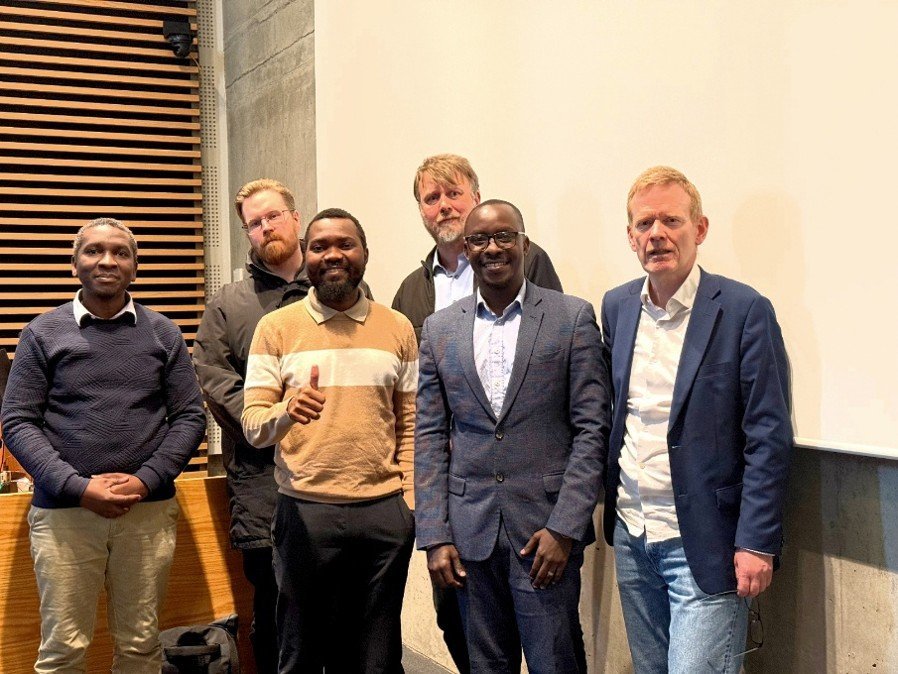
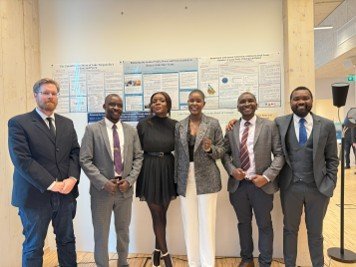
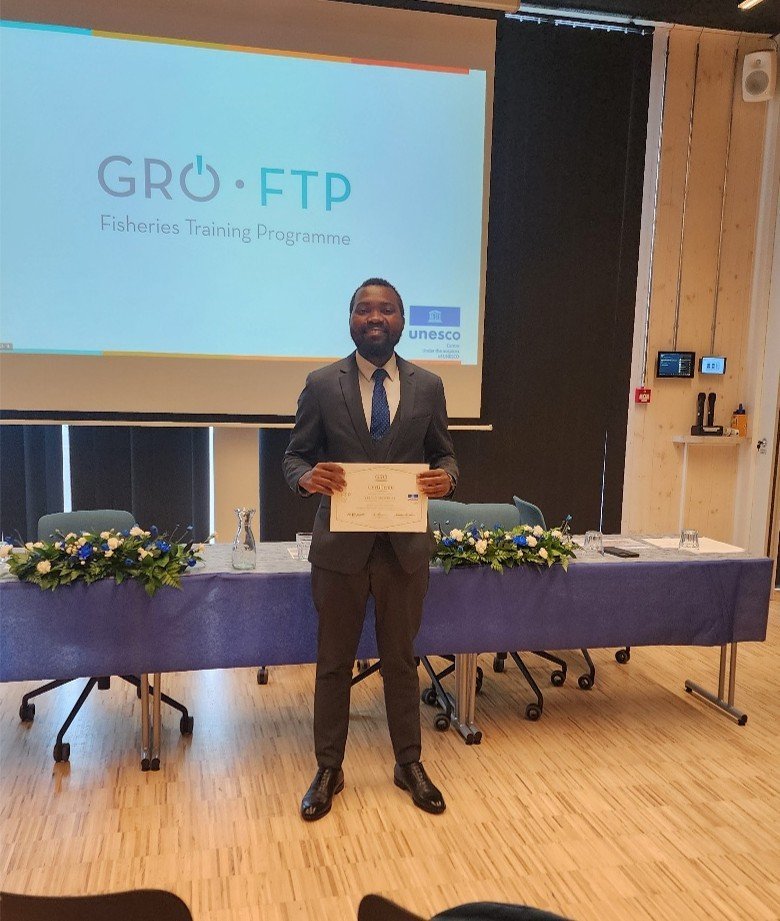
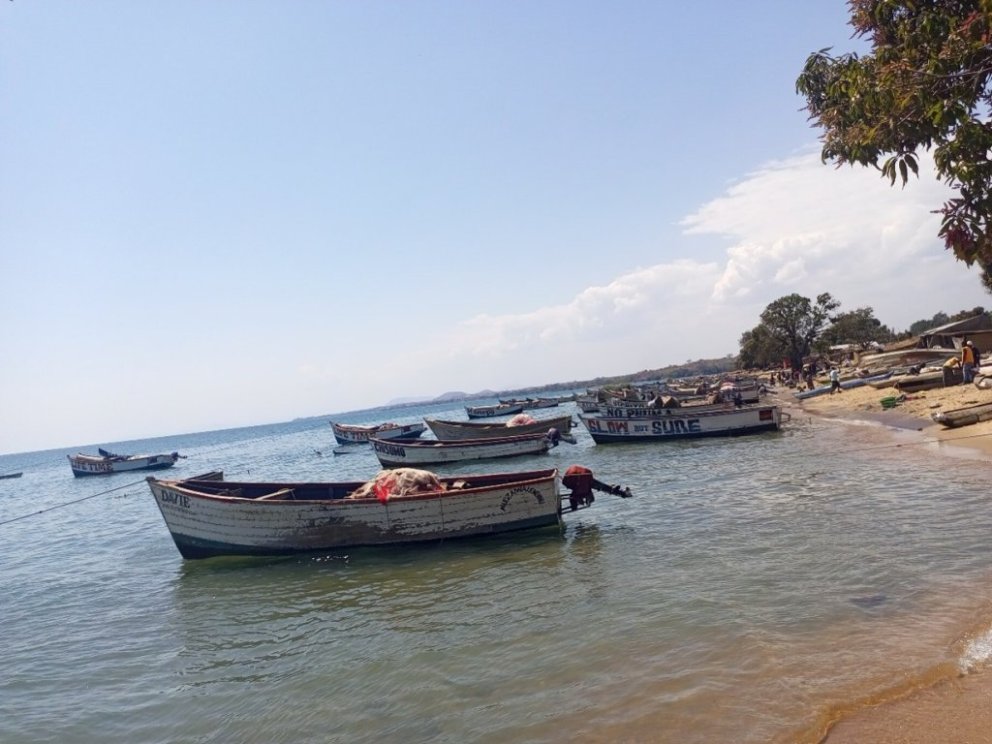
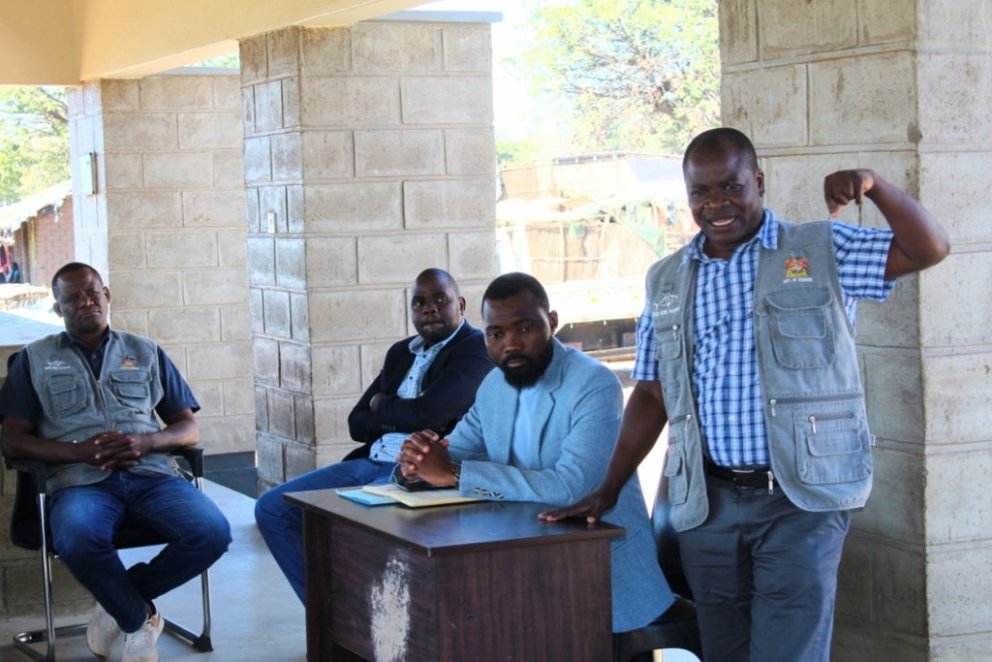
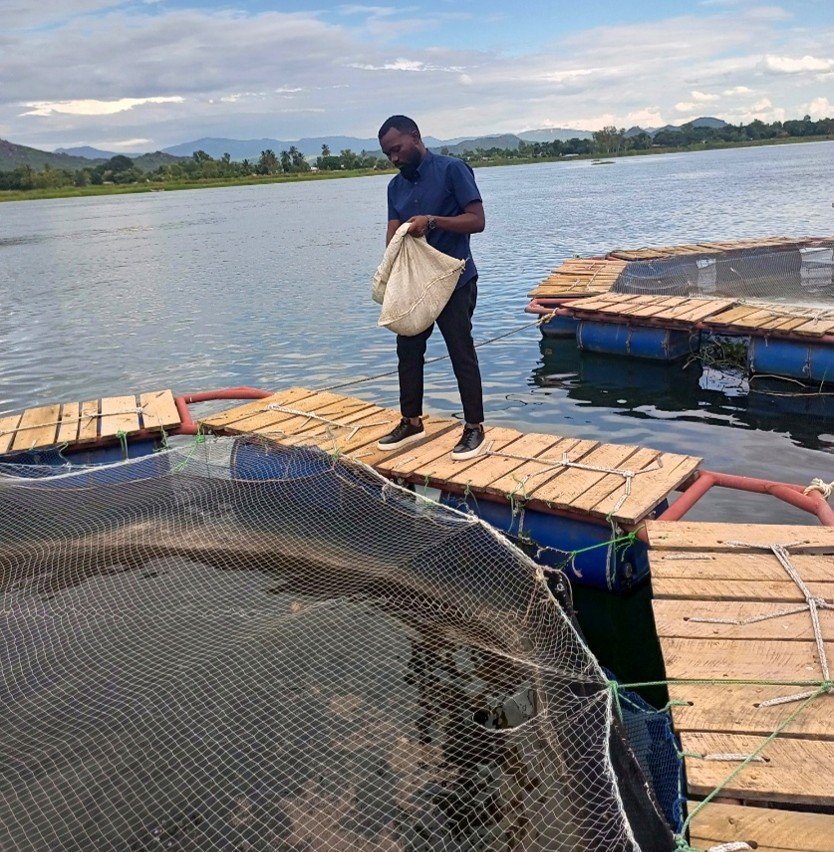
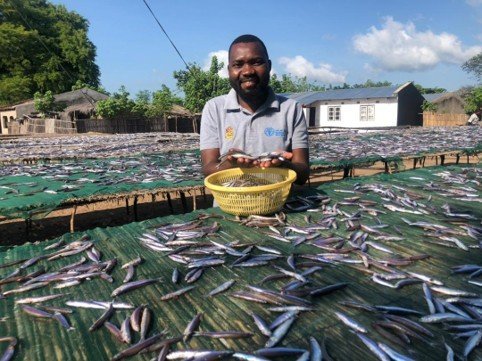
Kelvin Mkwinda is a GRÓ Fisheries Training Programme fellow from the 2024-2025 cohort and a Fisheries Officer with the Department of Fisheries in Malawi. Based at the Mangochi District Fisheries Office, he works to advance fisheries sustainability and freshwater conservation, promoting responsible fishing practices, strengthening compliance with regulations, and supporting the long-term protection of freshwater resources through community engagement and outreach. His research at GRÓ FTP was on “Assessment of Revenue Collection in Malawian Small-Scale Fisheries: A Case of Mongochi District”.
The fisheries sector in Malawi contributes significantly to poverty reduction, food security, livelihood provision and revenue generation to the country’s population according to Kelvin. “It is one of the major sources of employment and income ranging from fishers, fish traders, fish processors, boat builders and other ancillary workers. Fisheries resources make a significant contribution to the economy of Malawi through foreign exchange earnings in fish export trade and revenue collection from the fisheries,” he says.
Combatting Challenges
According to Kelvin, who took the Fisheries Policy and Management line of specialisation at GRÓ FTP, the fishing industry in Malawi faces several challenges. These include overexploitation of fisheries resources due to increasing pressure from population growth and rising demand for limited fisheries resources, habitat degradation caused by destructive fishing practices and poor catchment management, and the effects of climate change. These factors have contributed to biodiversity loss in Malawi.
He says, that after looking at factors that are leading to decline in fish catches and habitat degradation, the Department of Fisheries in Malawi has been working to reach Sustainable Development Goal 14 - Life Below Water - to combat challenges the country is facing in relation to fisheries. The first step in reaching SDG 14, Kelvin says, is the creation of governance structures that support sustainable management of fisheries resources which requires collaboration with fishing communities and other stakeholders.
The knowledge and experience he gained during his time at GRÓ FTP has helped him in being able to contribute more effectively to policy and planning, he says. According to him, findings from the study he conducted during his time in Iceland has helped his office expend revenue streams and upward adjustments of license fees.
Turning Knowledge into Action
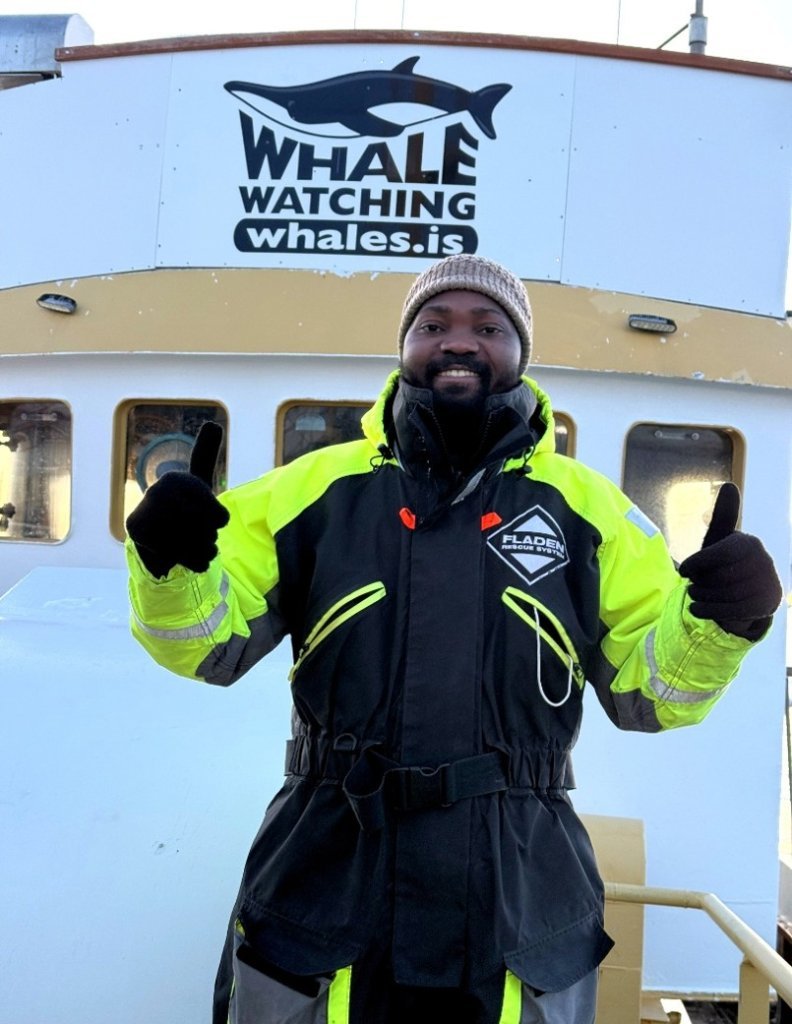
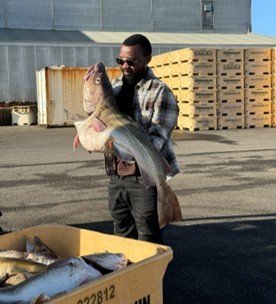
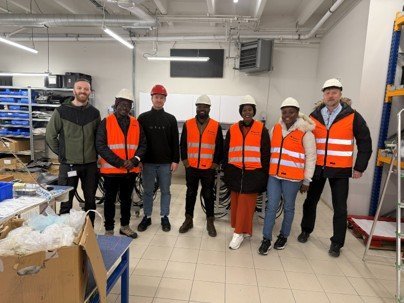
According to Kelvin the GRÓ Fisheries Training Programme was an enriching experience that broadened his knowledge and understanding on fisheries policy and management. “I am eager to share and apply the knowledge, expertise and skills I gained with colleagues through training and workshops.” A big part of his experience, he says, were the visits and field trips to various fish processing companies, fish markets, museums and fish farms across Iceland, where he gained firsthand insights into operations and innovative technologies in the fishing industry.
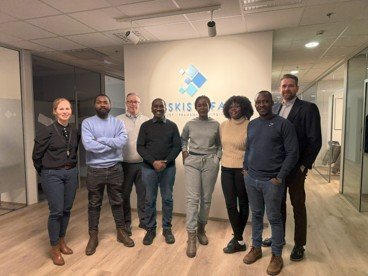
When Kelvin was asked for recommendations for current and future GRÓ fellows he encourages them to be proactive and engaging with specialists. “Focus on how acquired knowledge can be applied back home. Collaborate and network with fellows from different countries for knowledge sharing and support each other in other assignments,” he says.